Department of Pathology
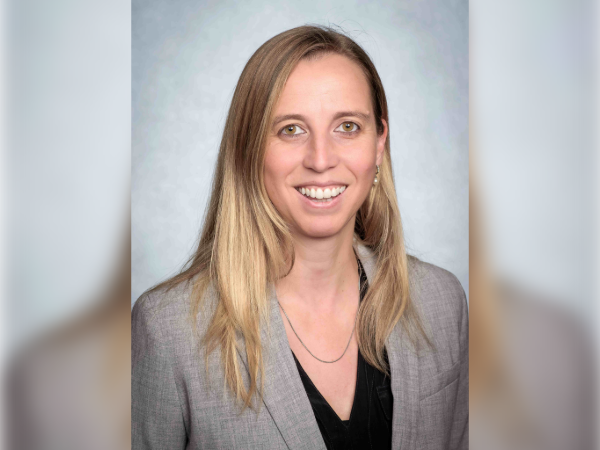
Glioblastoma is a deadly brain cancer that is difficult to treat because tumor cells spread into the healthy brain, where they cannot be completely removed by surgery.
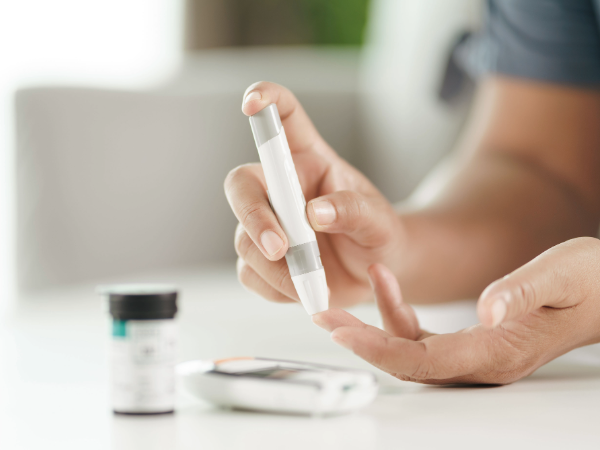
Patients with diabetes remain at higher risk for heart disease even after their blood sugar, or A1C level, is brought under control. The long-lasting effect, known as metabolic memory, suggests that past elevated A1C may leave lasting changes in heart cells. However, the biological mechanisms responsible for this impact are not fully understood.
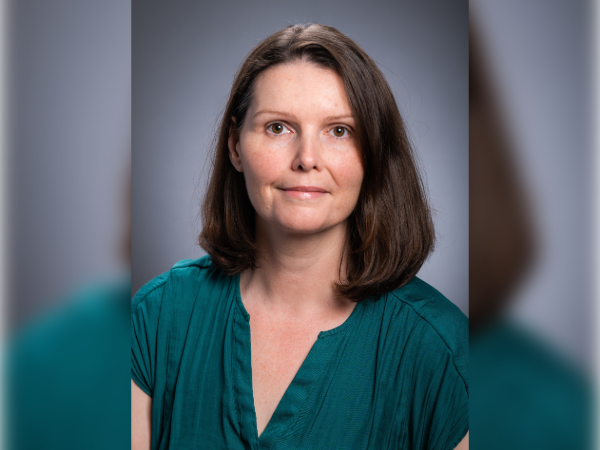
Natalie Gassman, Ph.D., an associate professor in the Division of Molecular and Cellular Pathology, was named chair-elect for the UAB Faculty Senate, effective September 1. Gassman will hold the title until August 31, 2027, while serving as chair of the Faculty Senate Research Committee. She will become chair of the Senate September 1, 2027, through August 31, 2028.
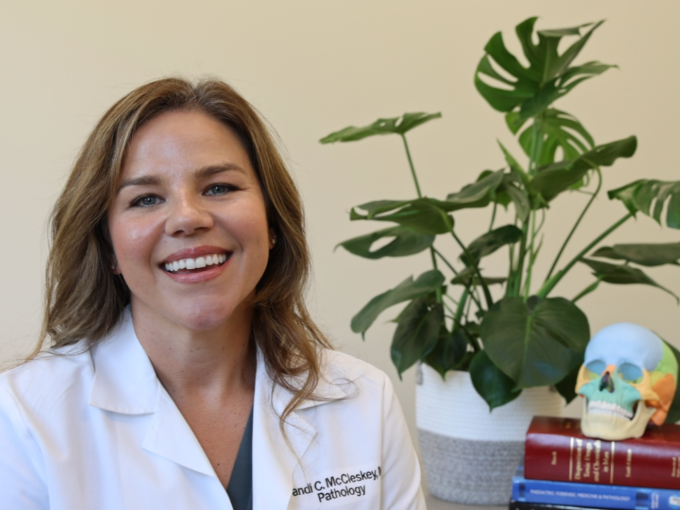
The UAB Department of Pathology has been strategically planning its digital pathology effort since well before its initial launch in 2024, but what is digital pathology? And why is this new initiative so important?
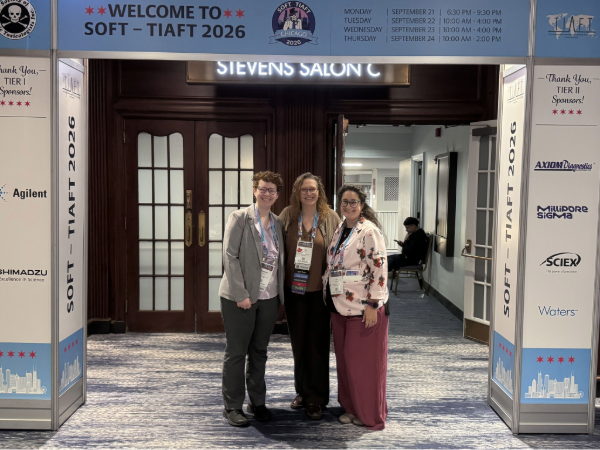
This year the Society of Forensic Toxicologists and The International Association of Forensic Toxicologists hosted their annual meeting jointly in Chicago, Illinois, September 19-24. Karen Scott, Ph.D., director of the Forensic Toxicology Laboratory and an associate professor in the Division of Laboratory Medicine, served on the planning committee for the annual meeting and had the honor of welcoming nearly 1400 attendees to The Windy City.
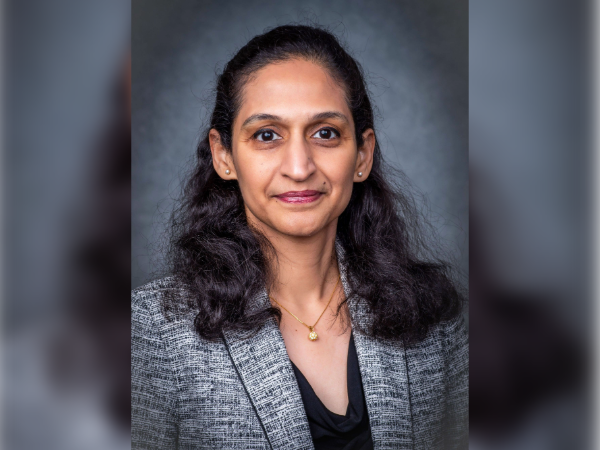
Cancer is a leading cause of morbidity and mortality in the United States, and Alabama ranks second nationally in cancer-related deaths. Despite rapid advances in cancer biology, diagnostics, and treatment, student engagement in cancer research and matriculation into careers in cancer research is limited, often due to minimal exposure to cancer-related content in secondary education.

Twenty-three Heersink School of Medicine faculty were recognized Sept. 22 for their appointment to endowed chairs and professorships during a special reception.
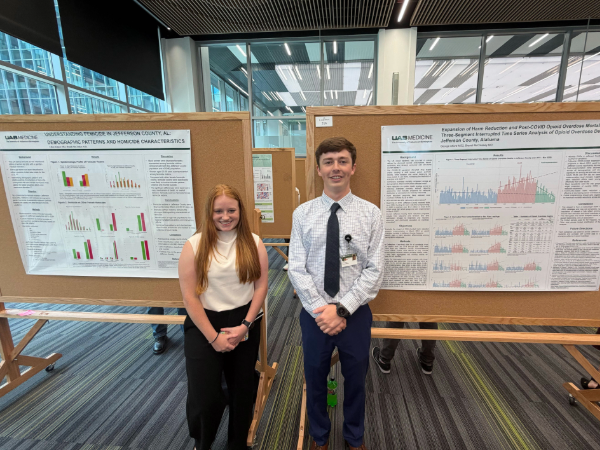
Two Research and Clinical Experience in Pathology (RaCE4Path) students, Jack Alford and Lily Kilgore, presented at the 2026 UAB Heersink School of Medicine Dale J Benos Medical Student Research Day on September 14. Alford and Kilgore tied for first place in the poster presentation competition for pathology.
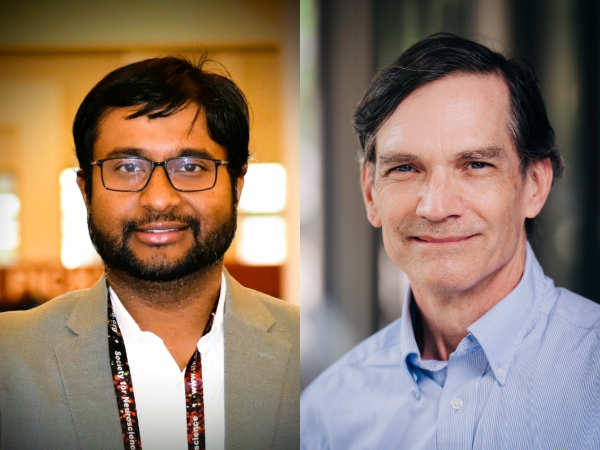
UAB researchers Abhishek Guha, Ph.D., and Peter H. King, M.D., in the Department of Neurology, have received a multi-PI R01 research award from the NIH's National Institute of Neurological Disorders and Stroke to investigate novel molecular mechanisms underlying the development and persistence of pain after acute peripheral injury. The project, titled "Role of RNA Regulator Tristetraprolin in mitigating pain responses after peripheral injury through suppression of pro-inflammatory mediators," totals approximately $2.4 million in funding.
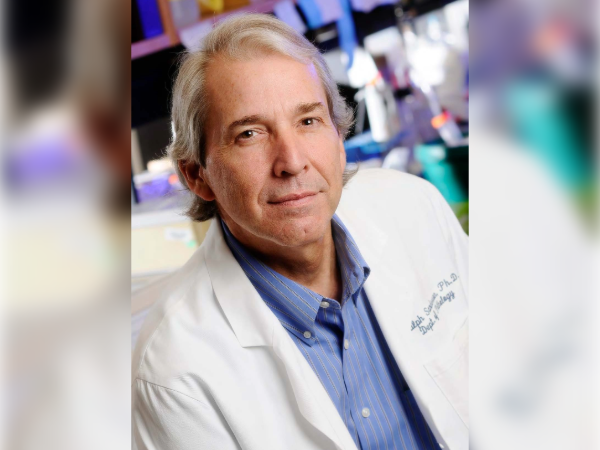
Ralph Sanderson, Ph.D., a professor emeritus in the Division of Molecular and Cellular Pathology, retired from the department on August 31, 2023, after 17 years of service at UAB and 34 years in the field of pathology. A passionate educator and mentor, Sanderson was the founding director of the Pathobiology and Molecular Medicine graduate theme and served as co-leader in the O’Neal Comprehensive Cancer Center’s Cancer Cell Biology Program. He was a mentor and advisor for more than 110 medical, graduate, and postdoctoral students, and nearly 20 junior faculty members. In 2012, Sanderson was named the UAB Endowed Professor of Cancer Pathobiology, and in 2018, director of the Division of Molecular and Cellular Pathology.

The UAB Medicine Leadership Development Office (LDO) recently recognized 14 individuals in its ninth cohort of Sharing Authentically to Inspire and Lead (SAIL). The fall 2026 graduates received their certificates on Sept. 1.

Breast cancer is one of the leading causes of death for women worldwide. HER2, or human epidermal growth factor receptor 2, is a protein found on the surface of some cells in the body that regulate normal cell growth. In HER2-positive breast cancer, tumor cells have higher levels of HER2 proteins than normal cells. This can cause the cells to grow and divide more quickly, which can make the cancer more aggressive. With the development of medicines that specifically target and block the HER2 protein, most patients with HER2-positive breast cancer can benefit from HER2-targeted therapy. Breast cancer can be classified by HER2-positive and HER2-negative subtypes and by hormonal receptor status, which helps guide treatment decisions, including hormonal therapy.
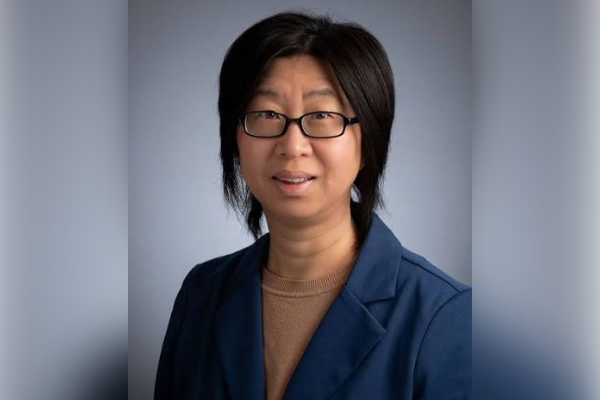
A study led by Lana Garmire, Ph.D., professor and vice chair of research in the Department of Biomedical Informatics and Data Science, was published in Nature Biomedical Engineering. The study introduces HisToSpatialCNV, an artificial intelligence tool that uses a graph neural network model to predict spatial Copy Number Variations (CNVs) directly from routine H&E pathology images, for the first time.

The Department of Pathology at UAB makes thousands of diagnoses for patients each year. Of an estimated 150,000 annual visits to UAB Hospital, 90% of patients require some form of pathology service. Timely and accurate diagnoses are critical to determine the best treatment options, and yet reaching those diagnoses can be a very delicate and complex process. Cristina Magi-Galluzzi, M.D., Ph.D., Robert and Ruth Anderson Endowed Chair in Pathology, alongside skilled clinicians in the Department of Pathology, showcases the journey of a pathology specimen to reach diagnosis.
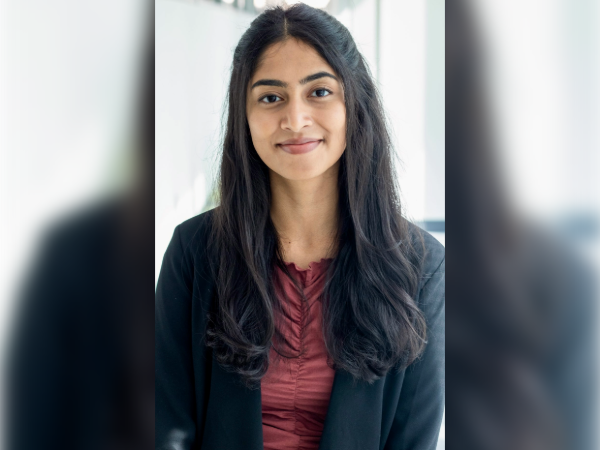
The UAB Department of Pathology recently funded a travel award to Mahima Reddy who will present her research at a national meeting this year.
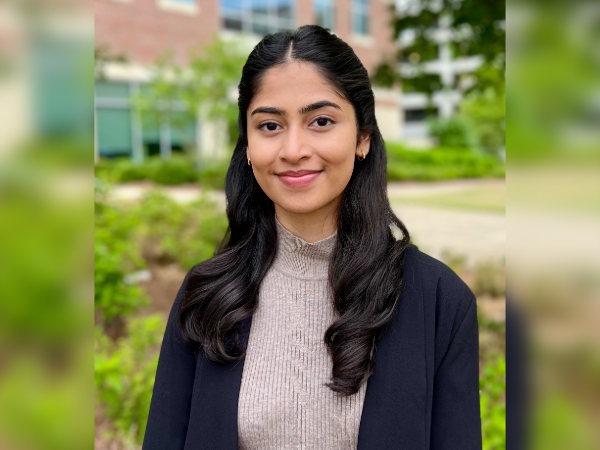
This month we meet Mahima Reddy, a Ph.D. candidate in the Wende Lab in the UAB Department of Pathology Division of Molecular and Cellular Pathology. Reddy’s research focuses on O-GlcNAc-driven cardiac remodeling, which is similar to the cardiac pathology seen in diabetes-related heart failure.
Taylor Wallen, M.D., an assistant professor in the UAB Department of Surgery, and Krystal Rivera, a Ph.D. candidate, published “Plasma Regulates Homeostatic Pulmonary Endothelial Signaling to Mitigate Vascular Leak Following Polytrauma and Hemorrhagic Shock” as co-first authors in the journal Shock last month.
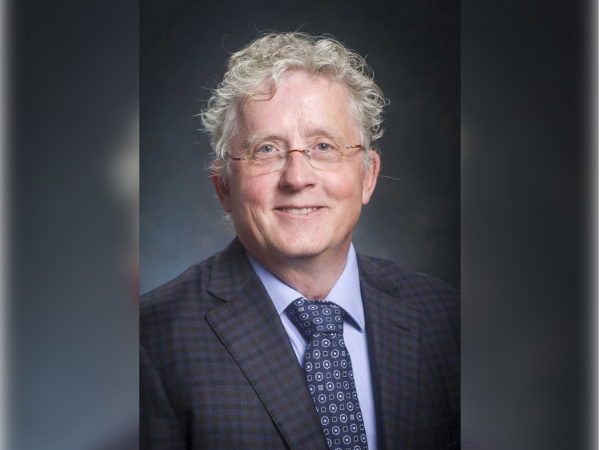
John Chatham, Ph.D., a professor in the Division of Molecular and Cellular Pathology, will retire at the end of the month, August 31, 2026, after 15 years of service in the Department of Pathology and more than 26 years at UAB.
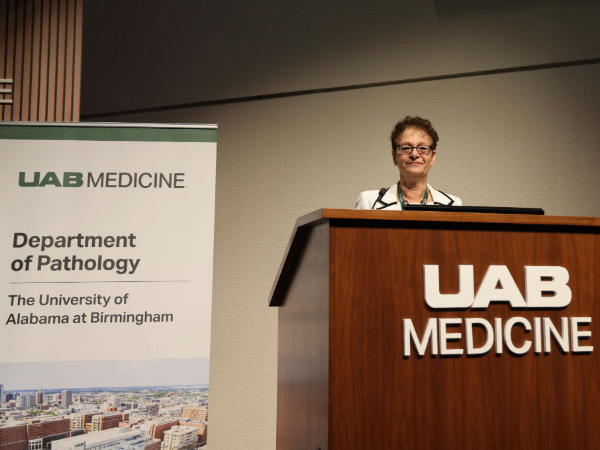
Cristina Magi-Galluzzi, M.D., Ph.D., Robert and Ruth Anderson Endowed Chair in Pathology, presented the 2026 State of the Department on Wednesday, August 19.
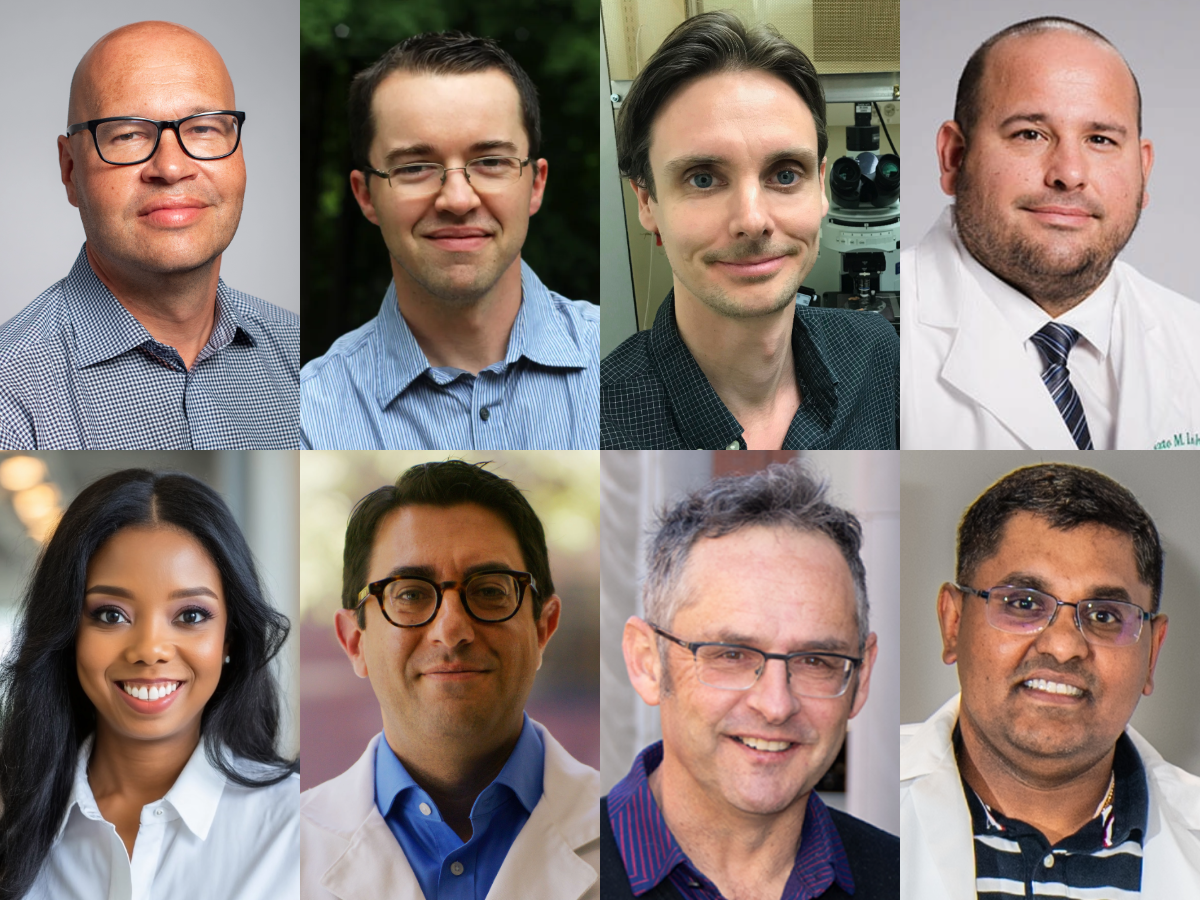
Eight research teams have been selected as the inaugural recipients of the Heersink School of Medicine’s Team Science Grant Program. The funded teams will tackle a wide range of health challenges while laying the groundwork for future large-scale research initiatives.

Hospital-acquired infections can lead to serious illness or death, especially in patients with weakened immune systems or other critical medical conditions. Clostridioides difficile, or C. diff, is a serious gastrointestinal infection that can progress rapidly and, in severe cases, lead to life-threatening complications if not recognized and treated. Diagnosis remains challenging because many individuals carry C. diff in their gastrointestinal tract without developing disease, known as colonization. Current diagnostic tests are imperfect and may either fail to identify patients with true infection or detect C. diff in individuals with colonized bacteria.
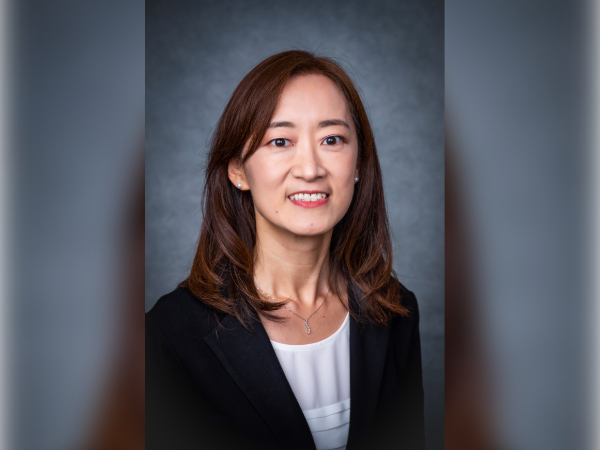
Zhu-Tokita-Takenouchi-Kim, or ZTTK Syndrome, is a rare disease primarily identified in children and is characterized by intellectual disability, delayed musculoskeletal development, and multi-organ anomalies. The disease was discovered in 2016 by Erin Eun Young Ahn, Ph.D., a professor in the Department of Pathology Division of Molecular and Cellular Pathology, alongside her research team. Since then, Ahn has dedicated much of her career to researching the disease.
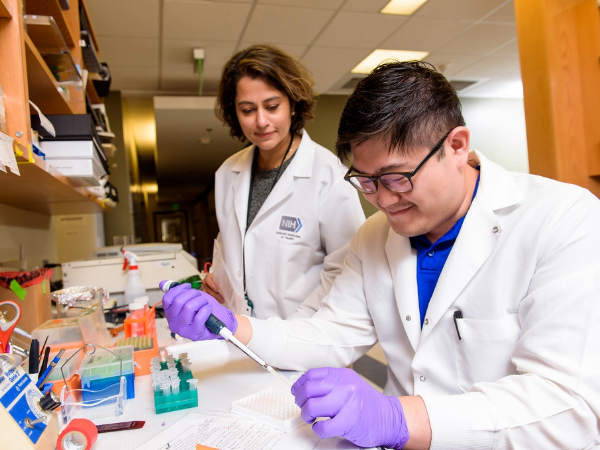
The UAB Translational and Molecular Sciences (TMS) Training Program (T32) for predoctoral trainees has been renewed for another five years by the National Institutes of Health’s National Institute of General Medical Sciences with an increased number of trainee slots. The program is co-directed by Rakesh Patel, Ph.D., and Mythreye Karthikeyan, Ph.D., both in Molecular and Cellular Pathology.

The Department of Pathology is thrilled to welcome three new faculty members in August. Awab Abdalhai, M.B.B.S., is joining the Division of Anatomic Pathology as an assistant professor, effective August 3, Tina I. Bui‑Bullock, Ph.D., is joining the Division of Laboratory Medicine as an assistant professor, effective August 3, and Krisztina Zita Lengyel, M.D., is joining the Division of Women’s Health as an assistant professor, effective August 17.
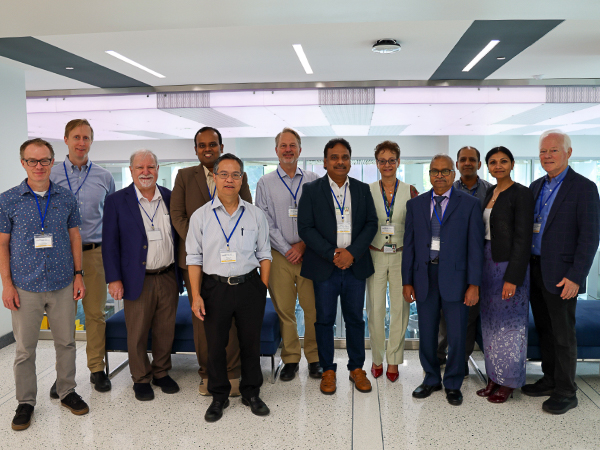
What if too many antioxidants could be just as harmful as too many oxidants? This question brought together more than 70 scientists, clinicians, faculty, trainees, and students from around the world for the inaugural Reductive Stress Mechanisms in Chronic Diseases Symposium, hosted by Rajasekaran Namakkal-Soorappan, Ph.D., at the Marnix E. Heersink Conference Center on July 9.
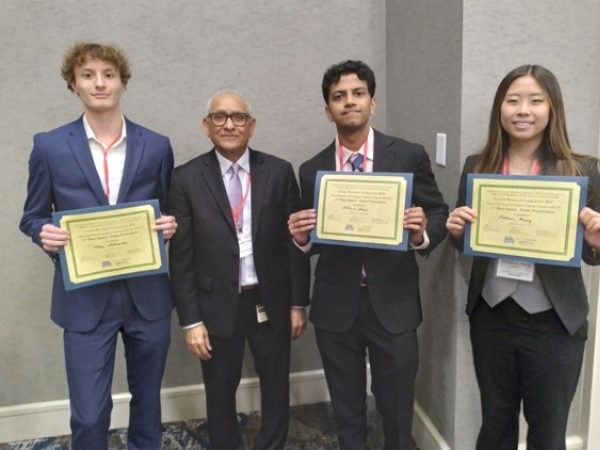
The Partnership Research Summer Training Program (PRSTP), directed by Upender Manne, Ph.D., Professor, Division of Anatomic Pathology, completed a successful eight-week program for the 2026 cycle.
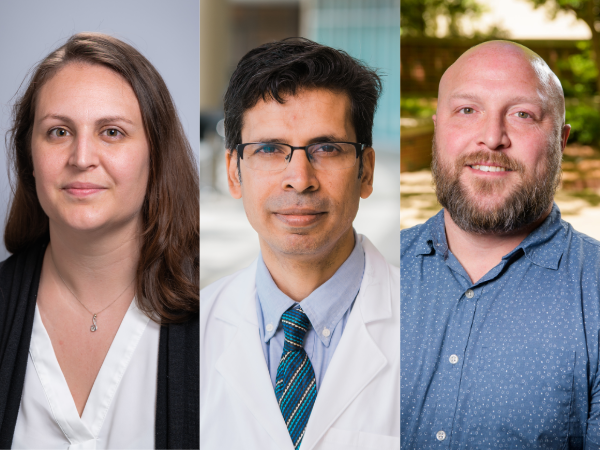
The Southeastern Biosafety Laboratory Alabama Birmingham (SEBLAB) at UAB is one of 12 Regional Biocontainment Laboratories funded by the National Institute of Allergy and Infectious Disease. The SEBLAB serves as a catalyst for scientific and translational discovery on biodefense and emerging infectious diseases, and aims to protect the United States from biothreats, emphasizing biodefense by supporting research for new therapeutics and diagnostics for emerging infections, and ensuring surge capacity during public health crises.
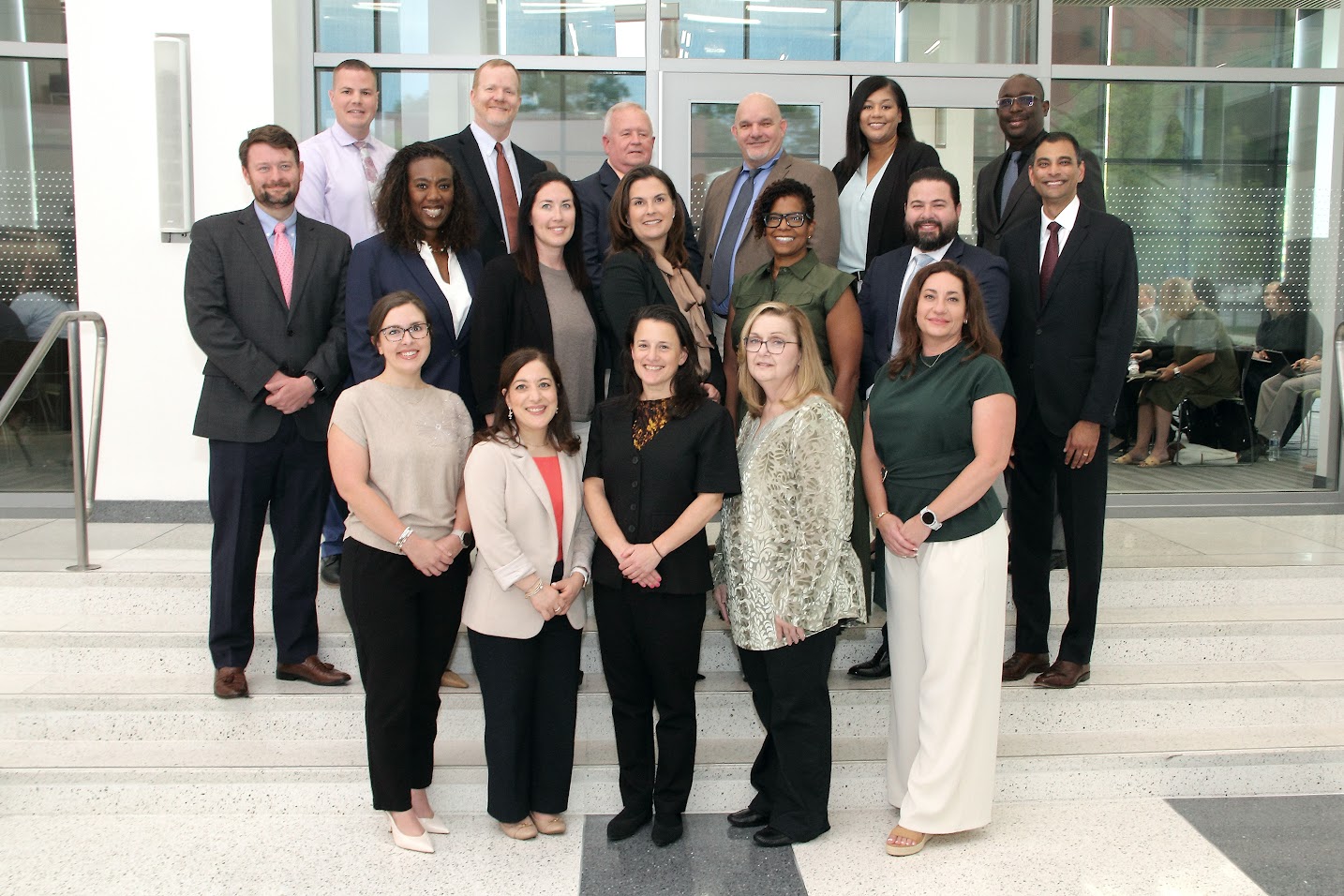
UAB Medicine's Leadership Development Office celebrated the graduation of 18 healthcare leaders from its 12th cohort of the Institute for Leadership during a ceremony held June 24 at the Heersink Conference Center Lobby.
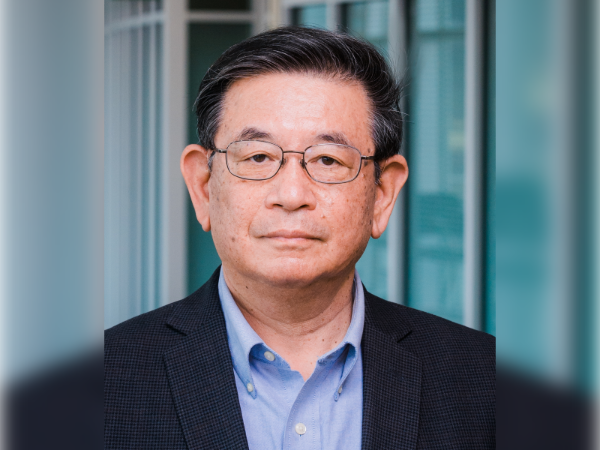
What happens when cancer turns our own proteins against us? Healthy MYC oncoproteins are regulators of cell growth and metabolism, but when driven by cancer, they can contribute to rapid tumor growth and avoid immune responses. MYC-driven cancers account for more than half of human cancers and are a major cause of mortality.
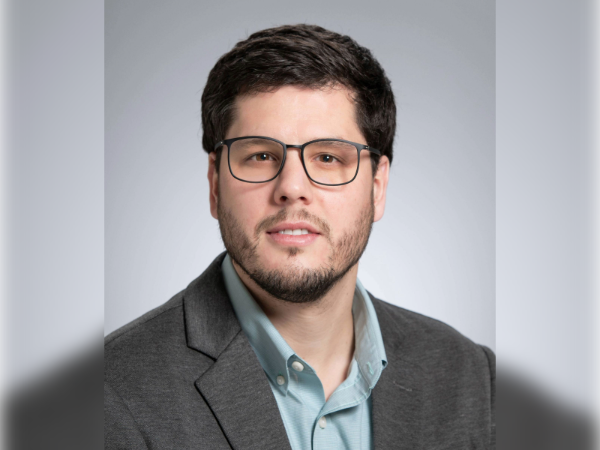
Diseases linked to atherosclerosis, such as coronary artery disease, are the leading cause of death in the United States. Healthy arteries are elastic, but as we age, fats, cholesterol, and other substances form plaque in the arteries. This build up can narrow artery walls, block blood flow, or can burst, which may lead to blood clotting. Although aging is the strongest known risk for atherosclerosis, there is a significant gap in understanding how aging promotes the condition.
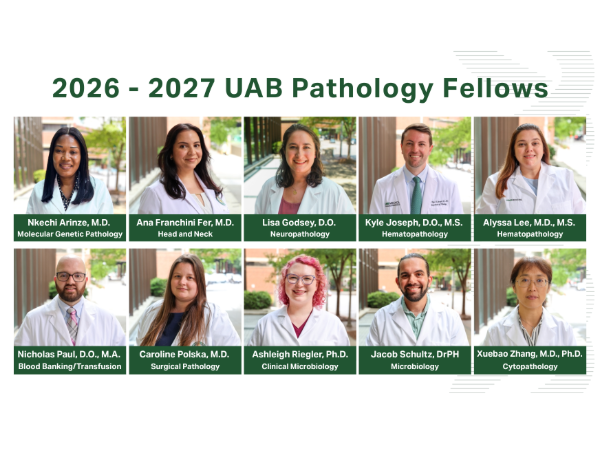
The Department of Pathology is thrilled to welcome our incoming class of fellows for 2026-2027. The following individuals joined our team on July 1:

Two Heersink School of Medicine faculty members have graduated from prestigious medicine leadership fellowship programs offered by Drexel University College of Medicine. Lalita Shevde-Samant, Ph.D., professor in the Department of Pathology, has graduated from the Hedwig van Ameringen Executive Leadership in Academic Medicine (ELAM) program. Kierstin Kennedy, M.D., MSHA, professor in the Division of General Internal Medicine and Population Science, has graduated from the Executive Leadership in Healthcare (ELH) program.
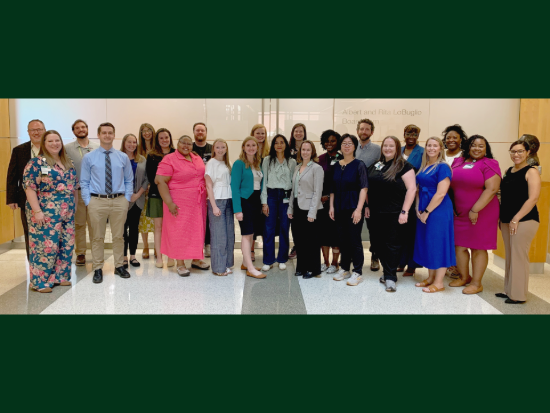
The UAB Medicine Leadership Development Office (LDO) is proud to honor the latest graduates of the Emerging Leaders Series (ELS) — 24 accomplished professionals who represent the breadth and strength of our institution.

The Department of Pathology is thrilled to welcome three new faculty members, effective July 1. Gopal Kumar, M.D., joins the Division of Anatomic Pathology as an assistant professor, Song Lu, Ph.D., MLS(ASCP)CM, DABCC, FCACB joins the Division of Laboratory Medicine as an assistant professor, and Meghan White, M.D., joins the Division of Women’s Health as an assistant professor.

The UAB Department of Pathology has been strategically planning its digital pathology effort since well before its initial launch in 2024, but what is digital pathology? And why is this new initiative so important?

Marisa Marques, M.D., a professor emeritus in the Division of Laboratory Medicine, retired from the department on July 31, 2023, after 30 years of service. A devoted educator and mentor, Marques instructed courses ranging from coagulation to dental clinical pathology and served in several mentorship roles within the UAB Graduate School, Heersink School of Medicine, and Minority Medical Education Program. During her time at UAB, she held many leadership roles. She served as director of the Transfusion Medicine Blood Bank Fellowship, associate director of the Division of Laboratory Medicine, and as section head of Transfusion Medicine, among others. Marques received numerous awards, such as the Heersink Dean’s Excellence Award in Teaching, the Excellence in Resident Education in Clinical Pathology Award, and the Excellence in Mentorship Award from the American Medical Women’s Association (AMWA). In 2022, Marques was awarded the American Society for Apheresis (ASFA) Francis S. Morrison, M.D. Memorial Lecture Award.

The Department of Pathology is home to the Pathology Learning Resource, a web-based educational portal developed by the Division of Genomic Diagnostics and Bioinformatics. This platform houses an expanding collection of high-quality educational videos designed to support training and professional development in modern pathology practice. While the platform itself is available for UAB faculty, staff, and trainees, its videos have recently been shared to YouTube for public access.

John Choi, M.D., Ph.D., a professor in the Division of Laboratory Medicine and director of the Flow Cytometry Laboratory, is retiring from the Department of Pathology, effective June 30, 2026.
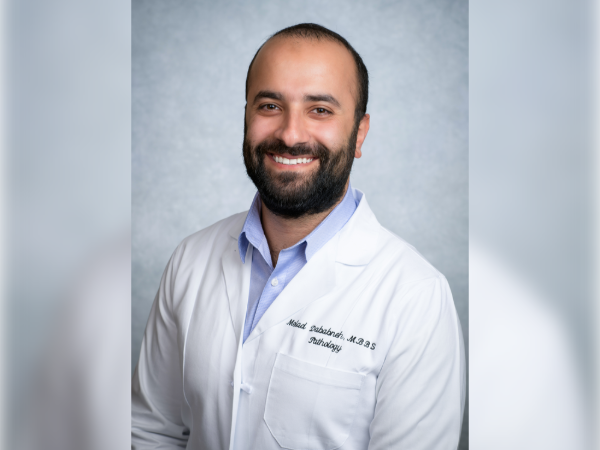
The UAB Department of Pathology is pleased to announce the establishment of a dedicated Head and Neck Pathology Fellowship Program within its Surgical Pathology Fellowship Program. The fellowship will welcome its inaugural fellow in July 2026 and represents an exciting expansion of subspecialty pathology training opportunities at UAB.

Members of the UAB Department of Pathology gathered for an outgoing reception for residents and fellows on June 5. Faculty, staff, and trainees came together to celebrate at the Marnix E. Heersink Conference Center with dinner and an awards ceremony.

On June 4, the Department of Pathology hosted its ninth annual C. Bruce Alexander Lecture in Pathology Education featuring Samuel Borak, M.D., an assistant professor in the UAB Community Practice Pathology Program. Borak delivered the lecture "Academic medicine in the community practice setting and the ever changing landscape of pathology."
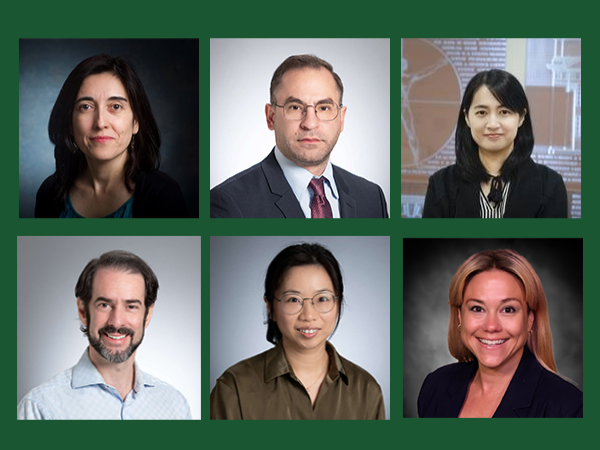
The University of Alabama at Birmingham Diabetes Research Center (DRC) has named six recipients of the 2026 Pilot and Feasibility Grant Program, which identifies and supports new outstanding and innovative diabetes research projects at UAB.

The UAB Department of Pathology is pleased to announce a new faculty member joining our team, effective June 1.

The UAB Department of Pathology is thrilled to announce a new faculty member joining our team, effective June 1.
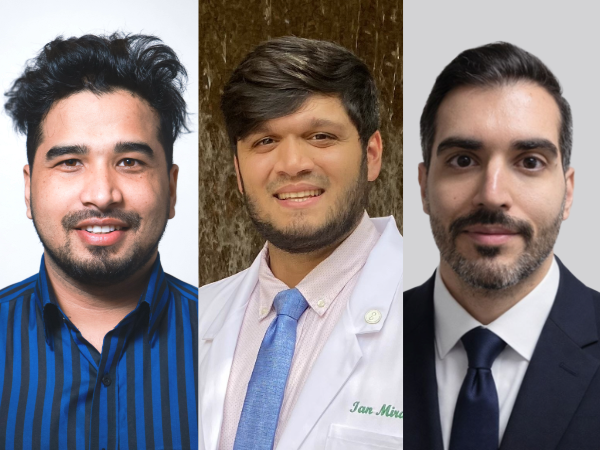
The UAB Department of Pathology recently funded travel awards to three trainees, who will present their research at national meetings this year.
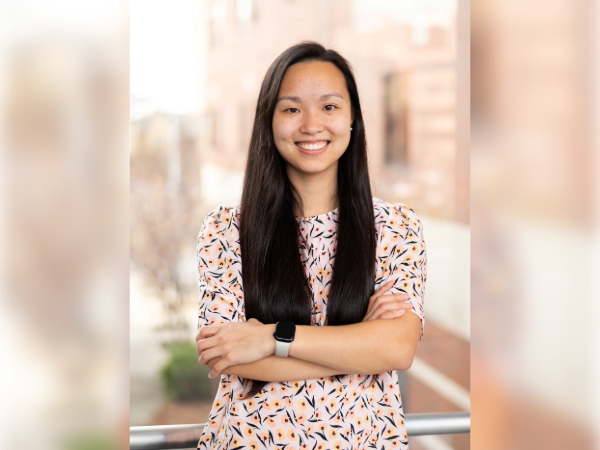
Li’an Williams, a Medical Scientist Training Program student in the laboratory of Lalita Shevde-Samant, Ph.D., Endowed Professor in Experimental Cancer Therapeutics in the Division of Molecular and Cellular Pathology, was recently named a recipient of the 2026 O’Neal NextGen Scholar Award.
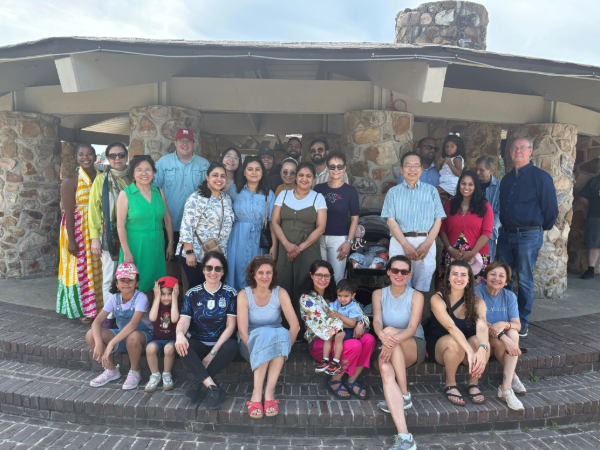
Members of the UAB Department of Pathology attended a department wellness outing at Oak Mountain State Park on Saturday, May 16. Colleagues, alongside their families, enjoyed one another's company over an outdoor picnic.
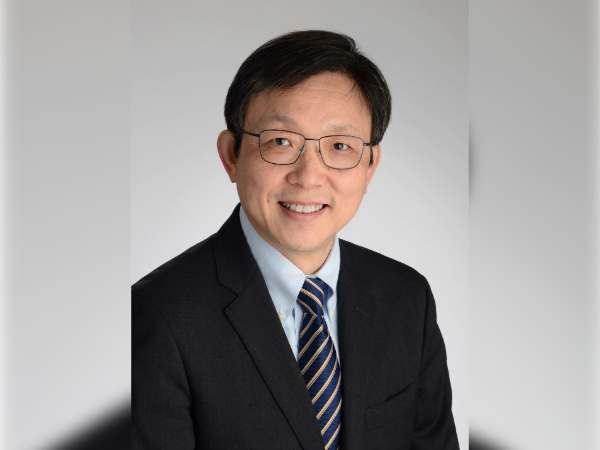
Shi Wei, M.D., Ph.D., Hazel Gore, M.B.B.S., Endowed Professor in Women’s Health and director of the Division of Women’s Health, was recently recognized by Wiley for his 2024 article “Best practices for achieving consensus in HER2-low expression in breast cancer: current perspectives from practicing pathologists” as a top viewed article in the journal Histopathology.
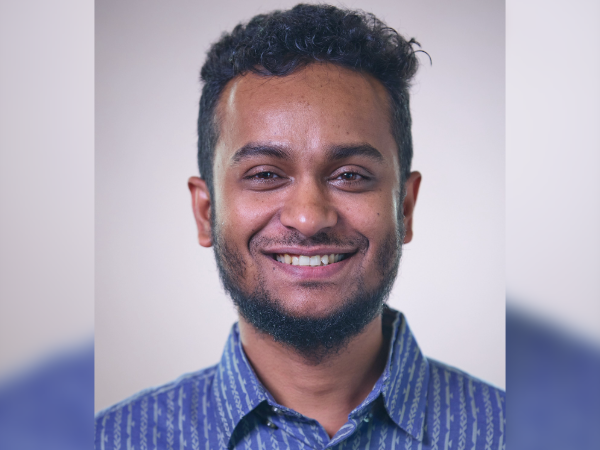
This month, we’re spotlighting Md Saimoon Rahman, a graduate student from Bangladesh who is working on his thesis in the Wende Lab in the UAB Division of Molecular and Cellular Pathology.
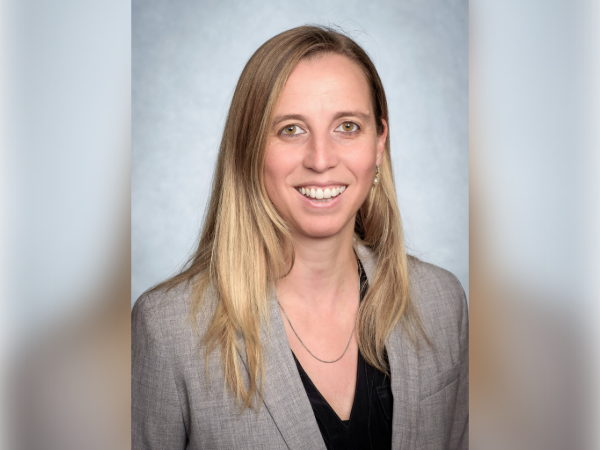
Glioblastoma is the most common and aggressive type of brain tumor in humans, with an average survival of approximately 15 months despite current treatment options. A major barrier to effective treatment is the highly invasive nature of glioblastoma cells, which infiltrate the surrounding brain and drive tumor formation. Growing evidence shows that glioma invasion is not only controlled by tumor cells but is strongly influenced by interactions with brain-resident stromal cells, particularly astrocytes. Understanding these interactions is crucial for developing new effective therapies.