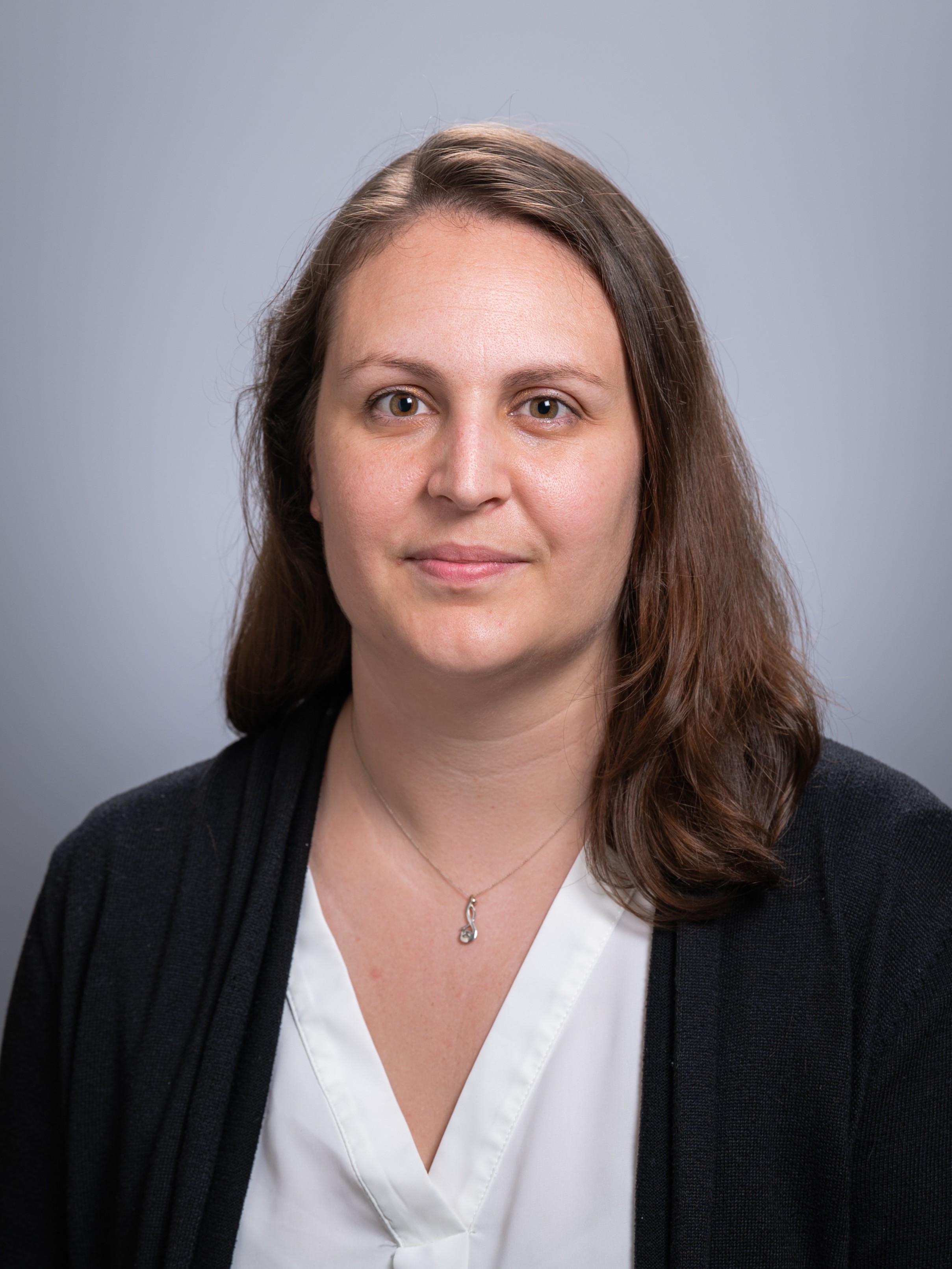
 Camilla Bell, Ph.D.Camilla Margaroli Bell, Ph.D., an assistant professor in the Division of Molecular and Cellular Pathology, and Taru Dutt, Ph.D., an assistant professor in the Division of Laboratory Medicine, recently received funding from Insmed for their project, titled, “Microbial determinants and host signatures enable early risk stratification in non-tuberculous mycobacterial pulmonary disease (NTM-PD)”. The $246,000 grant will run for 18 months.
NTM-PD is caused by non-tuberculous mycobacteria, of which there are more than 200 species, and are most found in water and soil. NTM-PD is often detected too late, and once detected, many clinicians still lack clear tools to predict patients who will remain stable and patients who will progress. This uncertainty can delay care for high-risk patients while exposing others to unnecessary testing or prolonged, toxic antibiotic therapy. Bell and Dutt seek to address this gap in knowledge.
“Our vision is to move NTM-PD diagnosis beyond simply identifying which species is present to understanding which strain-level features, virulence factors, and host-response patterns predict disease progression,” said Dutt. Taru Dutt, Ph.D.
By integrating microbial strain/lineage features, virulence determinants, and respiratory host-response markers, the two aim to develop an interpretable risk-stratification tool to guide earlier monitoring, referral, and treatment decisions following the first positive NTM culture.
“This is a critical first step toward our vision of establishing a Center of Excellence for NTM clinical care here at UAB,” said Bell.
Bell and Dutt are collaborating closely with Sixto Leal, M.D., Ph.D., Jay M. McDonald Endowed Professor in Experimental Pathology and director of the Division of Laboratory Medicine, Bryan Garcia, M.D., and German Henostroza, M.D., from the UAB Nontuberculous Mycobacterial (NTM) Program, and Sandeep Bodduluri, Ph.D., in the UAB Department of Medicine, to integrate translational research, advanced diagnostics, precision medicine, and multidisciplinary patient care aimed at improving outcomes for individuals affected by NTM-PD.
“This project represents a powerful collaboration between foundational basic science and clinical expertise, allowing us to translate mechanistic insights into practical tools that can identify high-risk patients earlier and support timely, risk-informed clinical decisions,” said Dutt.
“Together these efforts will establish the foundation for a much-needed clinical toolbox to improve diagnosis, risk stratification, and patient management, while uncovering the fundamental biological mechanisms driving NTM lung disease,” said Bell.