The Basic Science & Translational Research program of the UAB Center for Injury Science seeks to understand the biological mechanisms that drive complications after severe injury—and to translate those discoveries into new approaches to diagnosis, resuscitation, and treatment.
Led by Dr. Jillian Richter, a biomedical engineer and Associate Professor in the UAB Division of Trauma and Acute Care Surgery with a secondary appointment in Biomedical Engineering, the program brings together clinicians, engineers, basic scientists, and clinical investigators to address questions arising directly from the care of critically ill and injured patients.
A major focus is the vascular endothelium: understanding how severe injury, hemorrhage, shock, and resuscitation disrupt endothelial function and how these changes contribute to coagulopathy, inflammation, vascular permeability, organ injury, and ultimately patient outcomes.
The Endothelium After Severe Injury
The vascular endothelium forms the interface between circulating blood and tissues throughout the body. Rather than serving simply as a passive barrier, it plays a central role in regulating coagulation, inflammation, vascular permeability, and tissue perfusion.
Severe injury and hemorrhagic shock can profoundly alter endothelial function. A particular focus of our research is the endothelial glycocalyx, a fragile layer lining the luminal surface of blood vessels that plays an important role in maintaining vascular homeostasis.
Dr. Richter's laboratory studies the mechanisms responsible for endothelial and glycocalyx injury following trauma and hemorrhagic shock, the consequences of this injury, and potential approaches to protect or restore endothelial function.
The long-term objective is not simply to describe these biological changes, but to identify therapeutic targets that can reduce coagulopathy and organ dysfunction following severe injury.
Hemorrhage, Resuscitation, and Blood Products
How a bleeding patient is resuscitated can influence much more than circulating blood volume.
Blood products and resuscitation fluids interact with the endothelium, coagulation system, inflammatory response, and injured tissues. Understanding these interactions may help explain why different approaches to resuscitation produce different biological—and potentially clinical—effects.
Our translational research therefore investigates the biological consequences of hemorrhage and resuscitation, including how blood products and resuscitation strategies influence endothelial integrity, coagulation, inflammation, and organ injury.
This work creates an important bridge between the laboratory and CIS's clinical research in traumatic hemorrhage.
BioTROOP: Embedding Mechanistic Science Within Clinical Trials
One of the strengths of the CIS model is the ability to integrate mechanistic and translational science directly into large clinical trials.
BioTROOP is the translational science component of the TROOP Trial, a multicenter randomized clinical trial comparing low-titer group O whole blood with component blood therapy for patients with life-threatening traumatic hemorrhage.
Through biospecimens collected from patients enrolled in TROOP, investigators can examine the biological effects of the two resuscitation strategies alongside the clinical outcomes measured in the parent trial.
This creates an opportunity to ask not only whether one resuscitation strategy produces different outcomes, but why.
BioTROOP connects expertise in trauma resuscitation, transfusion medicine, coagulation, vascular biology, biomarkers, and laboratory science across CIS and its collaborating investigators. By integrating mechanistic science within a randomized clinical trial, the program provides a powerful platform for understanding the biological pathways through which resuscitation strategies may affect patient outcomes.
Acute Lung and Organ Injury
Endothelial dysfunction following severe injury is not confined to the site of trauma. Systemic endothelial and inflammatory responses can contribute to dysfunction in distant organs.
The lung is an important focus of this work. Our investigators study the mechanisms through which hemorrhage, shock, resuscitation, and systemic inflammation contribute to disruption of the pulmonary endothelial barrier and acute lung injury.
Understanding these pathways may identify biomarkers of evolving organ injury as well as therapeutic targets capable of preventing or mitigating organ dysfunction following severe trauma.
Engineering Better Models of Human Injury
Traditional laboratory models cannot reproduce every aspect of the complex human response to trauma.
Dr. Richter's background in biomedical engineering provides another important dimension to the program: the development of bioengineered in vitro models that allow investigators to study human vascular biology under carefully controlled conditions.
These models can reproduce aspects of the mechanical and biochemical environment experienced by endothelial cells during injury, shock, and resuscitation. They allow investigators to isolate individual mechanisms, test hypotheses generated from clinical observations, and evaluate potential therapies before they are studied in patients.
Particular areas of interest include mechanotransduction—the process through which cells sense and respond to mechanical forces—and the interaction between mechanical forces, endothelial biology, inflammation, and coagulation.
A Collaborative Translational Research Model
Translational research is most powerful when laboratory questions arise from clinical problems and laboratory discoveries can subsequently be tested in patients.
Collaboration is therefore central to the Basic Science & Translational Research program.
Dr. Richter and her team work closely with trauma surgeons, critical care physicians, transfusion-medicine specialists, biomedical engineers, clinical trialists, and other scientists at UAB and collaborating institutions. These partnerships allow observations made at the bedside to generate mechanistic questions in the laboratory—and laboratory findings to inform the next generation of clinical studies.
This relationship is particularly strong within CIS, where basic scientists work alongside investigators conducting large clinical studies of hemorrhage, blood products, traumatic brain injury, burns, and critical illness.
Rather than separating laboratory and clinical research into independent programs, the goal is to create a continuous translational pathway between patient, biospecimen, laboratory model, biological mechanism, therapeutic hypothesis, and clinical trial.
Translational Science Across the CIS Research Portfolio
The translational research infrastructure also provides opportunities to incorporate biological questions into ongoing and future CIS studies.
Prospectively collected biospecimens can be used to investigate biomarkers, mechanisms of injury, heterogeneity of treatment response, and biological pathways associated with clinical outcomes. Conversely, findings from experimental models can generate hypotheses that can be evaluated using samples and data from clinical studies.
This approach allows individual research projects to contribute to a broader understanding of the biological response to injury rather than existing as isolated laboratory or clinical studies.
It also creates opportunities for collaboration with investigators throughout UAB whose expertise—including vascular biology, biomedical engineering, transfusion medicine, pulmonary biology, immunology, neuroscience, and regenerative medicine—can be applied to important problems in injury science.
Training the Next Generation of Translational Scientists
Training is an important component of the program.
Dr. Richter serves as Co-Director of UAB's Short-Term Research Experiences Advancing Medical Students (STREAMS) program and mentors students and trainees interested in trauma, biomedical engineering, and translational research.
Working at the interface between engineering, basic science, and clinical medicine gives trainees the opportunity to understand how a clinical problem can be transformed into a laboratory question—and how laboratory discoveries can ultimately return to the bedside
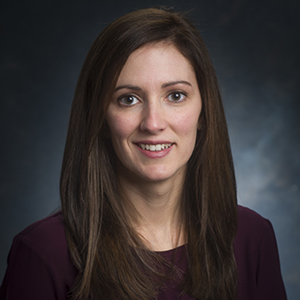
Richter, Jillian, Ph.D.
Associate Professor Co-Director, Short-Term Research Experiences Advancing Medical Students (STREAMS), Basic Science and Translational Research Unit Center for Injury Science
Professor, Division of Acute Care Surgery UAB Department of Surgery