Counseling
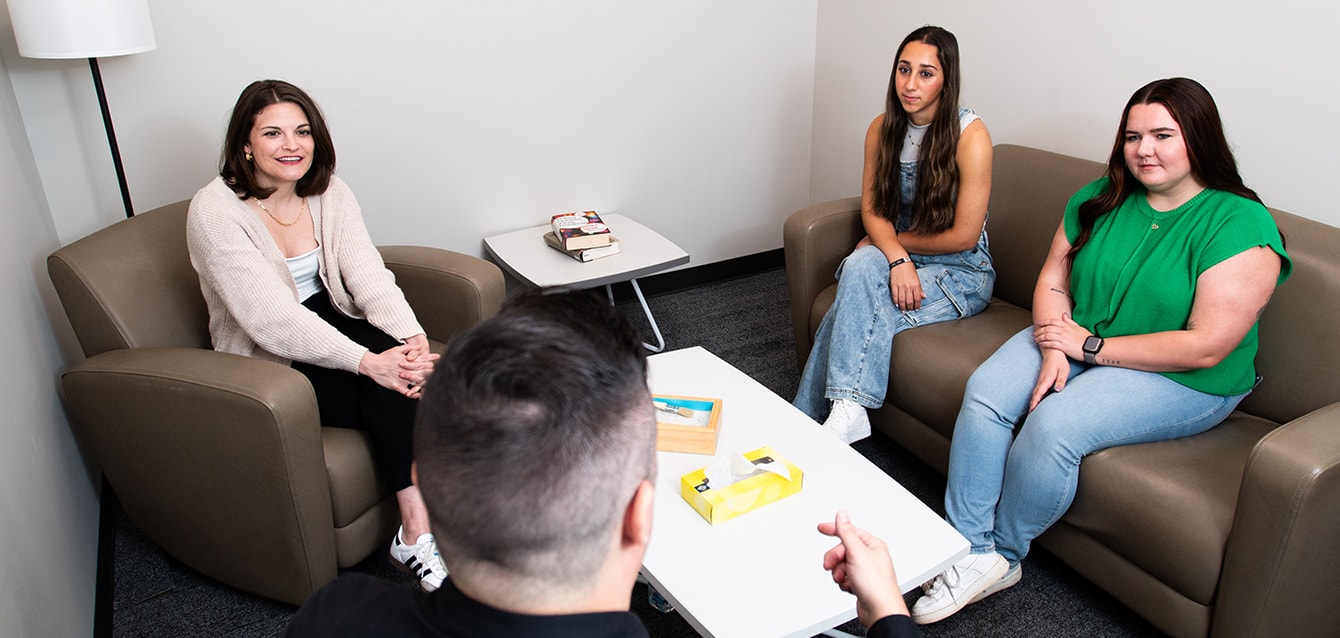
Listen. Advocate. Become a Counselor!
Helping someone when they are in the midst of a mental health crisis or a major life change is the job of a licensed counselor. Whether you want to help young children learn to handle their emotions, adults dealing with a challenging relationship, or families struggling with grief, the School of Education and Human Sciences has several programs to fit your career aspirations.
Earning your counseling credentials from an accredited institution ensures you receive top-notch training from a program that recognizes the importance of professional standards and quality training techniques. The MA in Counseling program is accredited by the Council for Accreditation of Counseling and Related Educational Programs (CACREP) and meets the academic and field experience requirements established by the Alabama Board of Examiners in Counseling (ABEC) for licensure as a professional counselor (LPC). The Marriage, Couples, and Family Counseling concentration also meets the academic requirements established by the Alabama Board of Examiners in Marriage and Family Therapy for licensure as a licensed marriage and family therapist (LMFT). Upon completion of this program, graduates will be prepared to begin the licensure process to become licensed counselors who provide professional counseling services to individuals, families, and groups to treat mental, behavioral, and emotional problems and disorders
Request More Information
Available Degrees and Certificates
The School of Education and Human Sciences offers a Master of Arts (MA) in Counseling and two graduate certificates in the areas of Clinical Mental Health and Marriage, Couples and Families.
More information about admission criteria is available on the Apply page.
The Clinical Mental Health (CMH) concentration usually requires eight or nine semesters or about three years (including summers) to complete. It consists of coursework, supervised field experiences, and counseling internships. This concentration helps prepare students with the knowledge and skills necessary to serve a broad range of clients in a multicultural society, interact effectively with colleagues and referral resources, and conduct themselves according to accepted professional, ethical, and legal guidelines.
Note: Students in this concentration can add the Graduate Certificate in Marriage, Couples, and Family Counseling.
The Marriage, Couples, and Family (MCF) concentration usually requires eight or nine semesters or about three years (including summers) to complete. It consists of coursework, supervised field experiences, and counseling internships. This concentration helps prepare students with the knowledge and skills necessary to serve couples and families in a multicultural society, interact effectively with colleagues and referral resources, and conduct themselves according to accepted professional, ethical, and legal guidelines.
Note: Students in this concentration can add the Graduate Certificate in Clinical Mental Health Counseling.
This 15-hour certificate is designed to increase the range and depth of the services offered by marriage, couples, and family counselors and school counselors. It is open to current UAB counseling graduate students concentrating in marriage, couples, and family counseling or school counseling and to practitioners with an MA in marriage, couples, and family counseling who wish to advance their careers. Students take five 3-hour courses in diagnosis, substance abuse, and advanced counseling techniques, among other subjects. Candidates either not enrolled in the UAB MA in Counseling program or who do not already hold a graduate-level degree in counseling or a closely related field are not eligible to apply.
This 15-hour certificate is designed to increase the range and depth of clinical mental health services. The certificate is open to current UAB counseling graduate students concentrating in clinical mental health and practitioners with an MA in clinical mental health or school counseling who wish to advance their careers. Candidates either not enrolled in the UAB MA in Counseling program or who do not already hold a graduate-level degree in counseling or a closely related field are not eligible to apply.
Learn more about program options
Talk with a Recruiter
Learn about specific program details, admissions requirements, scholarships, and more!
Attend an Information Session
Our information sessions give you a chance to talk with our faculty and ask questions.
Curriculum
2024 Counseling Program Overview for Q&A Session
Dr. Dayna Watson, Assistant Professor and Graduate Program Director for the UAB Counseling program, gives you a detailed explanation of the program.Mission, Vision, and Values
The Counseling Program at the University of Alabama at Birmingham creates an academically rigorous, student-centered, and supportive environment to help students acquire the knowledge and skills needed to practice as effective mental health and/or family counselors for all clients in a diverse and global society.
We promote the movement of individuals toward:
- Self-Awareness: We promote and encourage reflective teaching, practice, and research.
- Professional Relationships: We model caring, supportive, and stimulating relationships for our students that inspire their intellectual curiosity, ethical conduct, and professional excellence.
- Excellence: We practice continuous improvement and innovation through our evidenced-based services, teaching, and research.
- Access and Opportunity: We value individual differences and promote an environment that values wide-ranging experiences and perspectives.
- Student-Centered Training: We train counselors who can support the development of clients from childhood through adulthood.
- Client-centered Care: We train students to provide effective, sensitive, and collaborative care, uniquely tailored to the individual needs of clients.
- Collaborative Engagement: We engage with our campus and community partners to support and develop new opportunities for the underserved in Alabama.
Goal 1: Promote self-reflection and lifelong professional development
Objective 1: Prepare reflective counselors who apply socio-cultural models and theories to effectively advocate for and treat wide-ranging client populations as part of a global society.
Objective 2: Prepare counselors who demonstrate understanding of and empathy for the role and challenges of the client and demonstrate the ability and willingness to continuously learn and expand their knowledge base in the counseling field.
Goal 2: Train students to engage in effective clinical practice, leadership, and advocacy
Objective 3: Prepare ethical counselors who adhere to the ACA Code of Ethics and demonstrate ethical decision making in professional counseling practice.
Objective 4: Prepare students who are marketable and employable and prepared to enter into the counseling workforce or counselor education doctoral programs.
Objective 5: Prepare counselors who demonstrate professional dispositions and behaviors consistent with counseling standards of practice.
Objective 6: Prepare counselors to work with individuals, couples, and families throughout the lifespan.
Objective 7: Prepare counselors who apply evidence-based career counseling theories, assessments, and techniques.
Objective 8: Program graduates will be prepared to engage in case conceptualization using a personal counseling theory, while applying evidence-based techniques to affect client change and build effective therapeutic relationships with clients.
Objective 9: Prepare counselors to effectively plan, implement, and evaluate various types of therapeutic groups designed for clients from wide-ranging backgrounds.
Objective 10: Prepare counselors to effectively select, implement, and apply a range of clinical assessments and evaluations.
Objective 11: Prepare counselors to evaluate and apply counseling research in their practice and understand and demonstrate program evaluation skills.
Clinical Mental Health Specialty
Objective 1: Prepare clinical mental health counselors who understand the role of community agencies, crisis intervention, and outreach in community mental health practice and are prepared to engage in these efforts.
Marriage, Couples, and Family Concentration
Objective 1: Prepare counselors who practice as systems theory-based clinicians who can identify and demonstrate understanding of and are prepared to clinically address contemporary issues and challenges facing couples and families.
Why choose the UAB Counseling Graduate Programs?
CACREP Accredited
The Council for the Accreditation of Counseling and Related Educational Programs (CACREP) provides recognition that the content and quality of a program has been evaluated and meets the highest standards set by the profession. Both the Clinical Mental Health Counseling and Marriage, Couples, and Families Counseling concentrations are CACREP-accredited.
On-Site Counseling Clinic
The UAB Community Counseling Clinic opens a new website provides individual and group counseling services to residents of Jefferson County. The clinic is also a training site for graduate counseling students fulfilling practicum and internship clinical requirements. We use state-of-the-art recording equipment for video counseling sessions — a practice that allows clinic supervisors not only to monitor and review sessions but also to provide essential feedback to trainees.
Simple Admissions Process
People
Staff
-
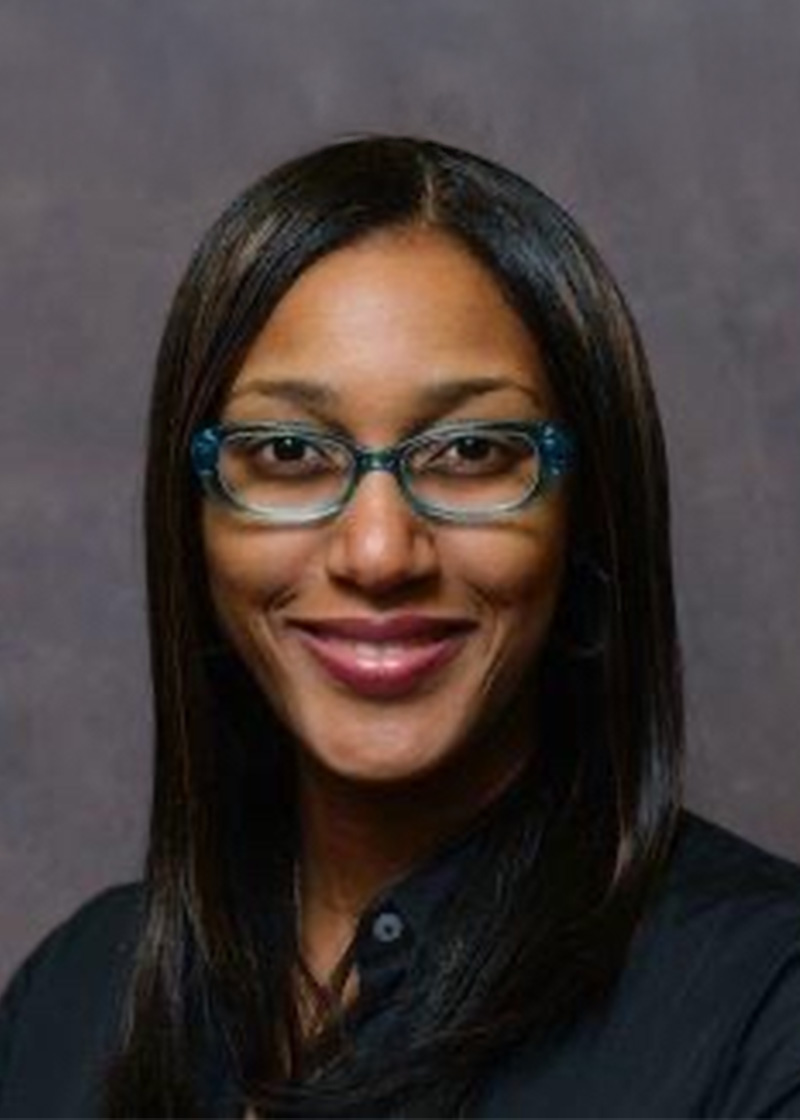 Director, UAB Community Counseling Clinic & Clinical Experiences Cara Blakes MA, LPC-S
 -
 Graduate Recruiter Mary Frances Lembke
Faculty
-
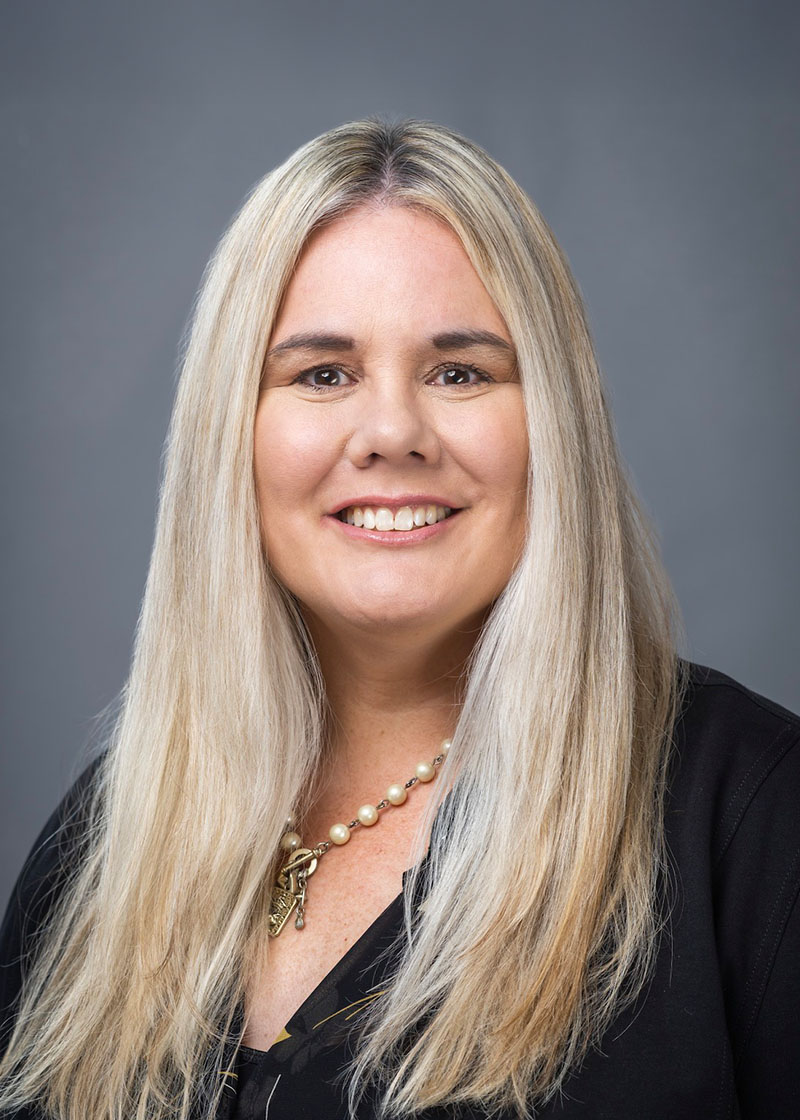 Clinical Assistant Professor Lisa Hedden PhD
 -
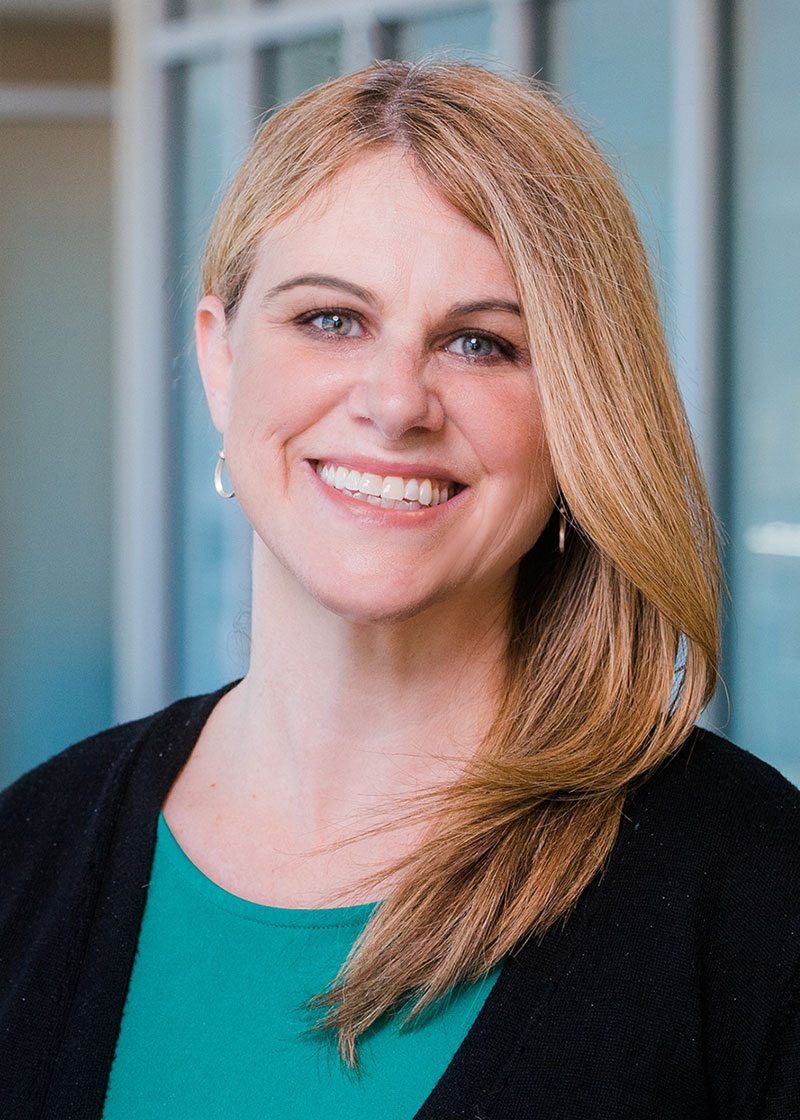 Associate Professor Shannon McCarthy PhD
 -
 Program DirectorAssociate Professor Dayna Watson PhD
 -
 Clinical Assistant Professor Andrea Whitten PhD, LPC-S