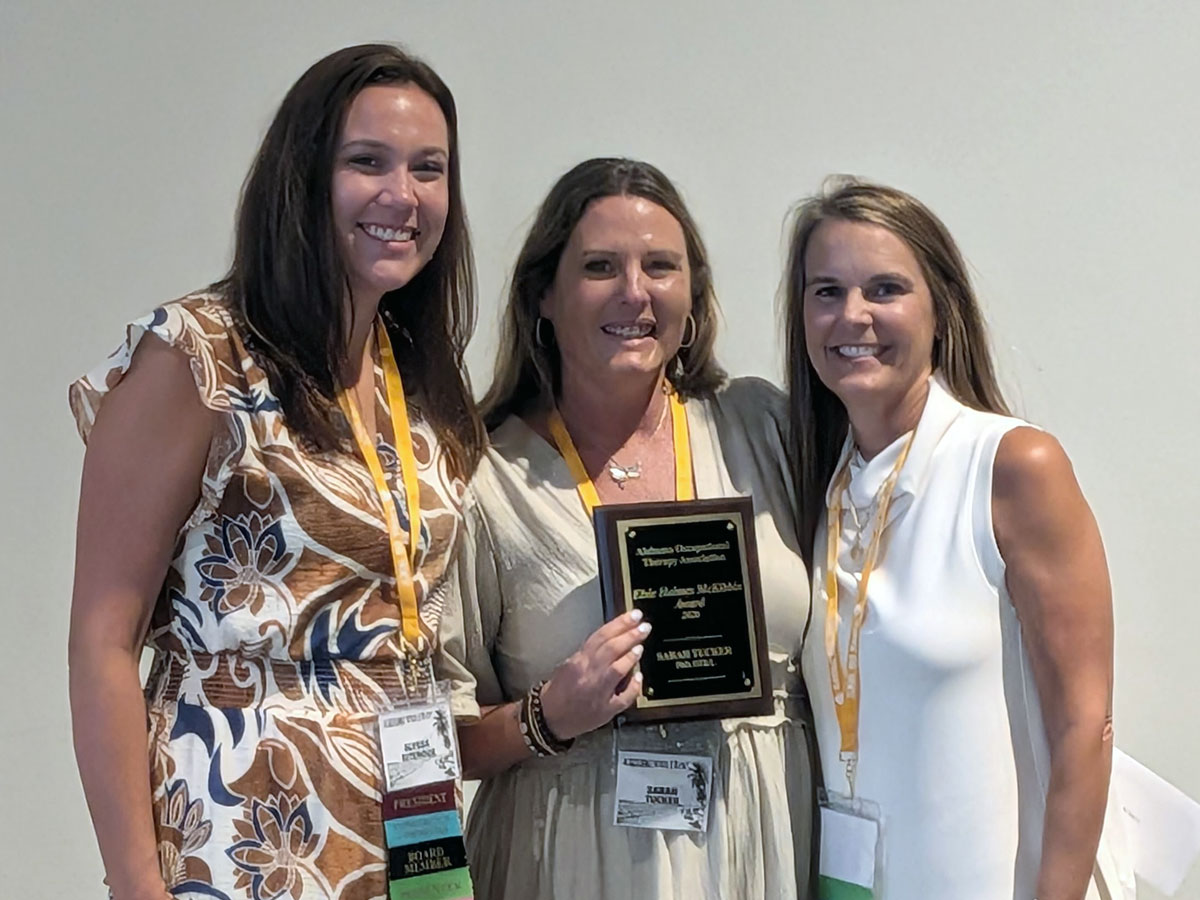
 Dora Cheung, a student in the UAB Department of Health Services Administration, has been awarded $19,600 through the Institute for Healthcare Quality, Safety, and Efficiency (IHQSE) Clinical Effectiveness and Patient Safety (CEPS) Grant Program to support her capstone project, “Development of a Steroid-Induced Hyperglycemia (SIHG) Order Set to Enhance Glycemic Management in Hospitalized Patients Receiving Systemic Steroids.”
Steroid-induced hyperglycemia (SIHG) is a common and significant challenge in hospital settings, affecting an estimated 56–86% of patients receiving systemic steroids. Both hyperglycemia and hypoglycemia are associated with increased morbidity and mortality, yet standardized treatment protocols for managing SIHG remain limited. Dora’s project focuses on developing and implementing a structured clinical order set that incorporates NPH insulin to promote safer, more consistent glycemic management for hospitalized patients.
The project aims to reduce the incidence of severe hyperglycemia (blood glucose ≥ 250 mg/dL) from 11% to 8% and hypoglycemia (blood glucose ≤ 70 mg/dL) from 4% to 3% within six months of implementation. Development and rollout of the order set are projected to occur over a 9- to 12-month timeline, with ongoing monthly assessments and follow-up chart reviews to evaluate effectiveness and outcomes.
“Dora took the initiative to secure this grant and develop a practical solution to a widespread patient safety issue. Steroid-induced hyperglycemia affects up to 86% of hospitalized patients on steroids, yet no standardized treatment protocols exist. Her leadership and commitment to improving glycemic management will benefit countless hospitalized patients,” said Soumya Niranjan, PhD, faculty member in the Department of Health Services Administration and Dora’s capstone advisor.
The IHQSE CEPS grant provides critical support through streamlined approvals, advanced data analytics, and coaching resources to help move quality improvement initiatives from concept to practice. Dora expressed gratitude for the support of her quality improvement team and shared her enthusiasm for the project’s potential to improve patient care across clinical settings.
This recognition reflects UAB’s continued commitment to advancing healthcare quality, patient safety, and student-led innovation in clinical and administrative practice.