UAB medicine
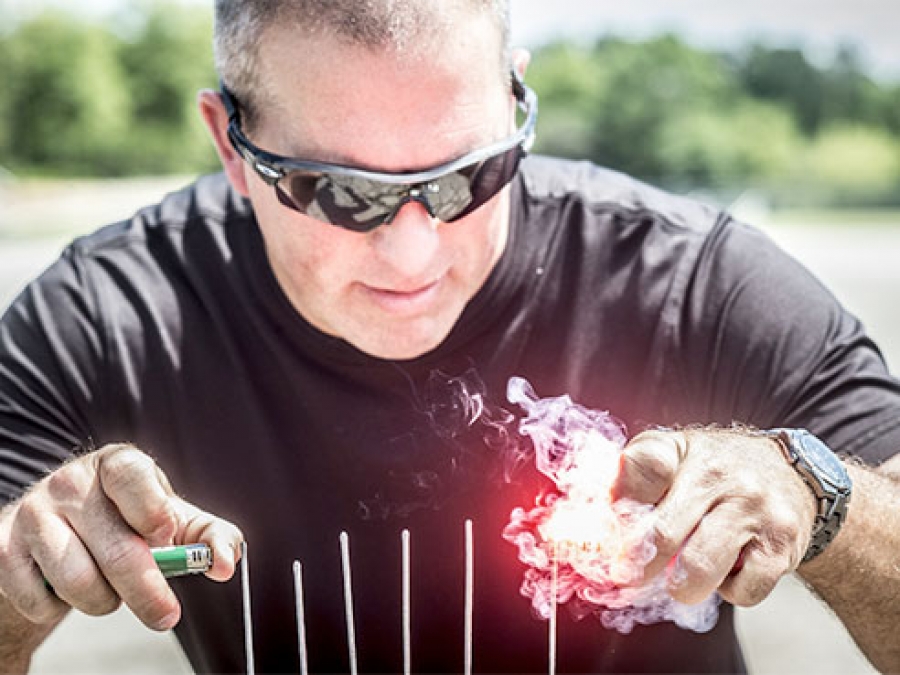
Thousands of people, many of them children, suffer eye injuries from fireworks each year in the United States. UAB ophthalmologists at the only eye emergency room in Alabama provide safety tips.

One UAB expert provides tips on how you can stay hydrated this summer during The World Games.
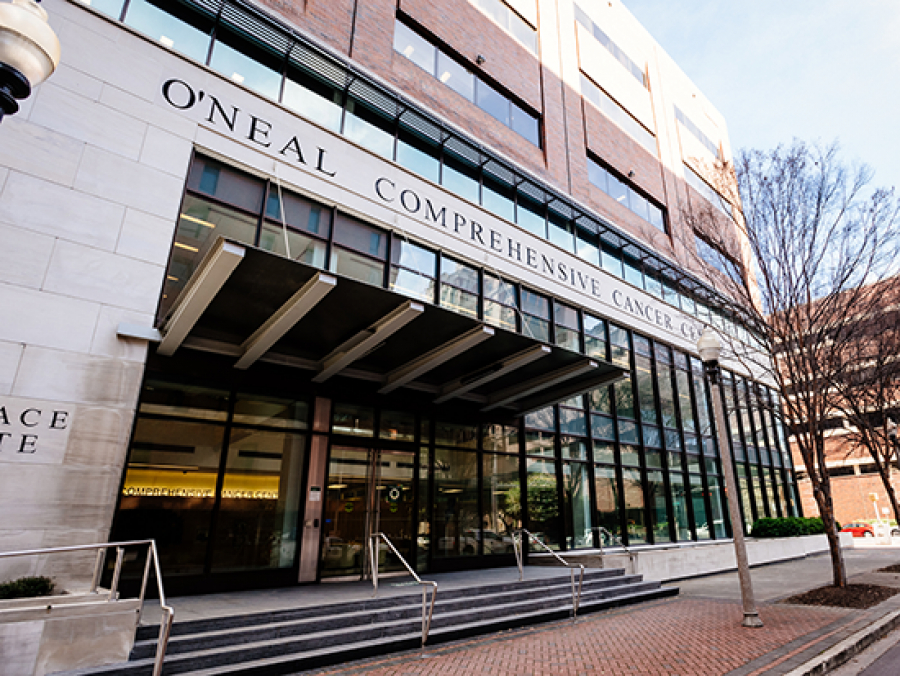
The O’Neal Comprehensive Cancer Center at UAB celebrates 50 years of service to the state and beyond.
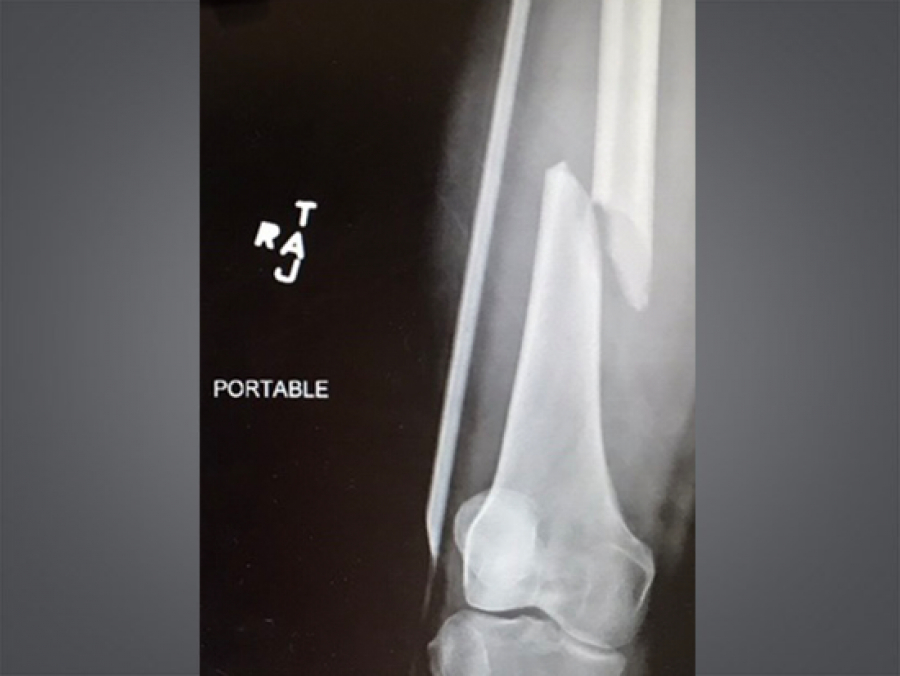
Her leg broke at mile 16 of a marathon. Thanks to UAB Orthopaedics, she was racing again in seven months.

Ascension St. Vincent’s Chilton is now home to a tele-critical care and tele-stroke unit.
Radiofrequency ablation precisely delivers heat energy that can destroy lesions within the brain that are the cause of seizures.

Anyone traveling more than four hours by air, car or bus can be at risk for blood clots. The director of the UAB Vein Center provides tips on how to prevent blood clots when traveling.
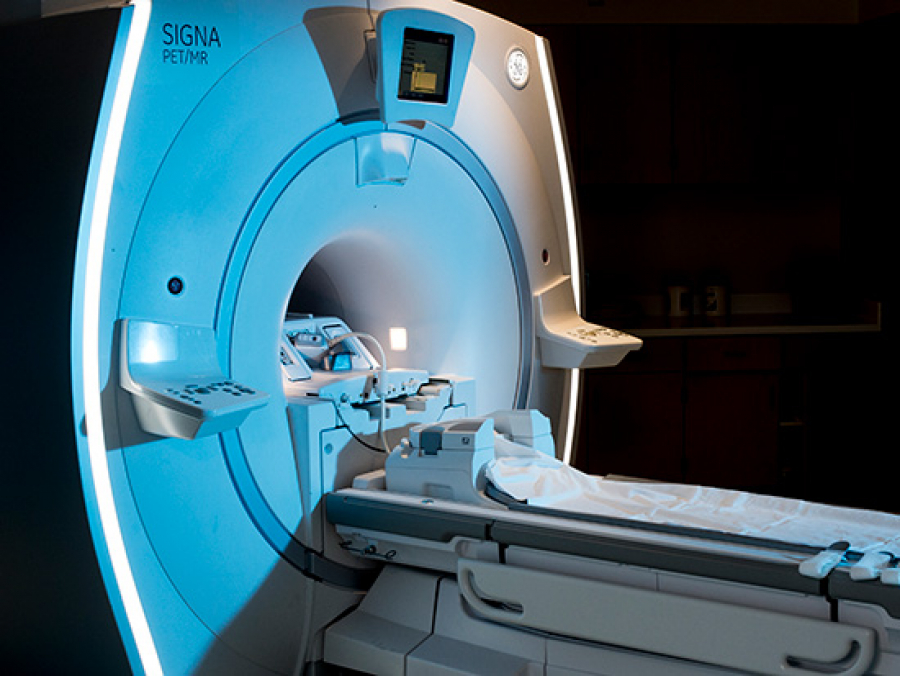
A UAB doctor explains what contrast imaging is and why it is important.

The $156.7 million, 350,000-square-foot project will replace the existing Spain Rehabilitation Center.
According to the Alabama Department of Public Health, Alabama ranks fifth in the United States for oral cavity and pharynx cancer incidence and seventh among the states for oral cavity and pharynx cancer deaths.

The clinic will provide free vision, dental and medical services at Gadsden City High School. There are no qualifying questions, and no identification is required.
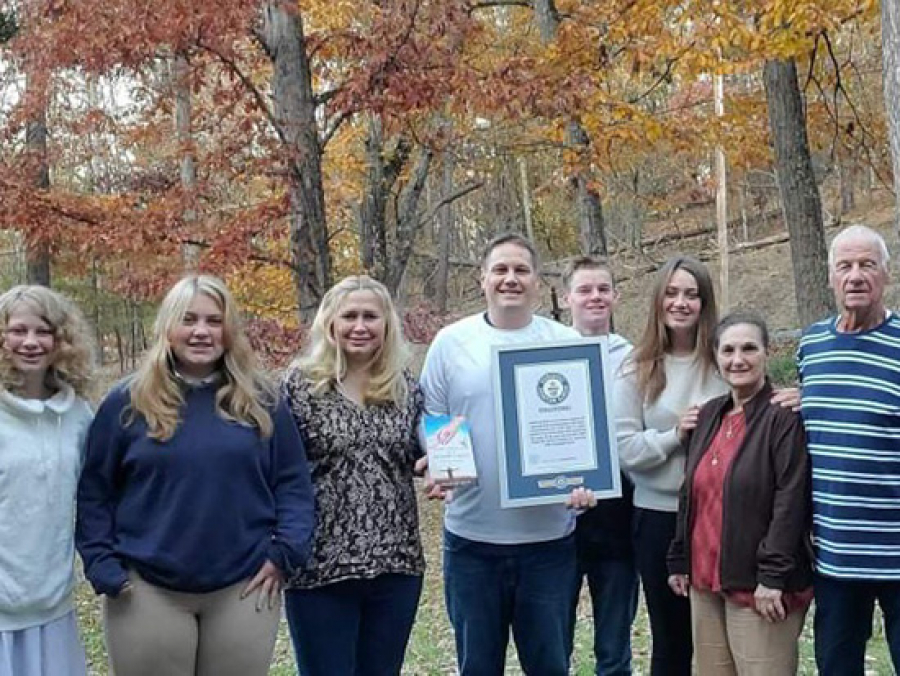
Seth Wharton, 44, received a double heart-valve replacement at UAB in 1990.
UAB has been awarded for its superior CAR-T therapy program services and leadership.
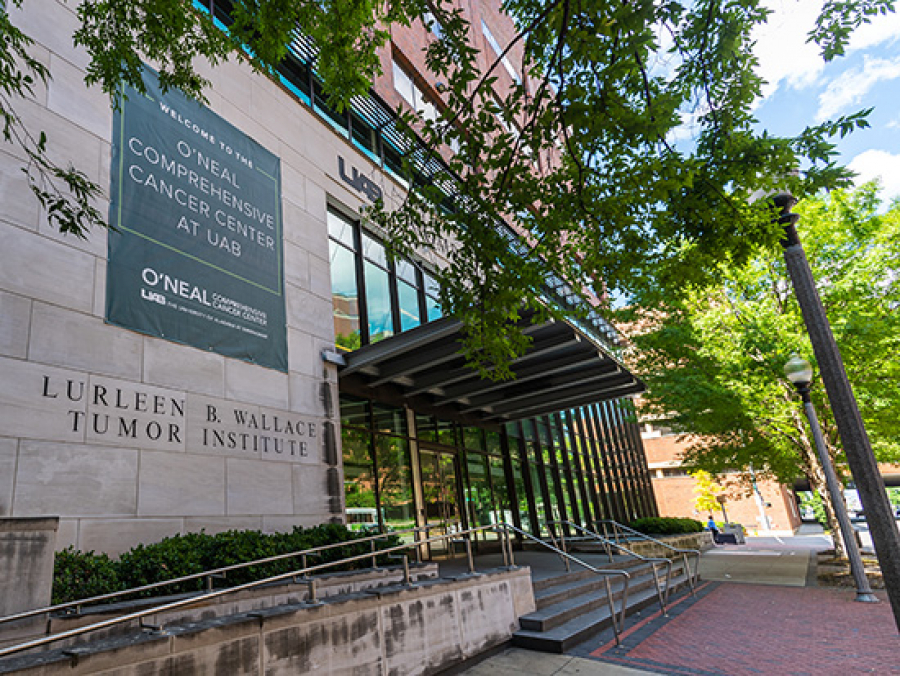
UAB patients with stage 4 cancer now have more options for treatments.

UAB has been recognized as one of just 13 institutions ranked as national leaders in racial and gender diversity representation in leadership.
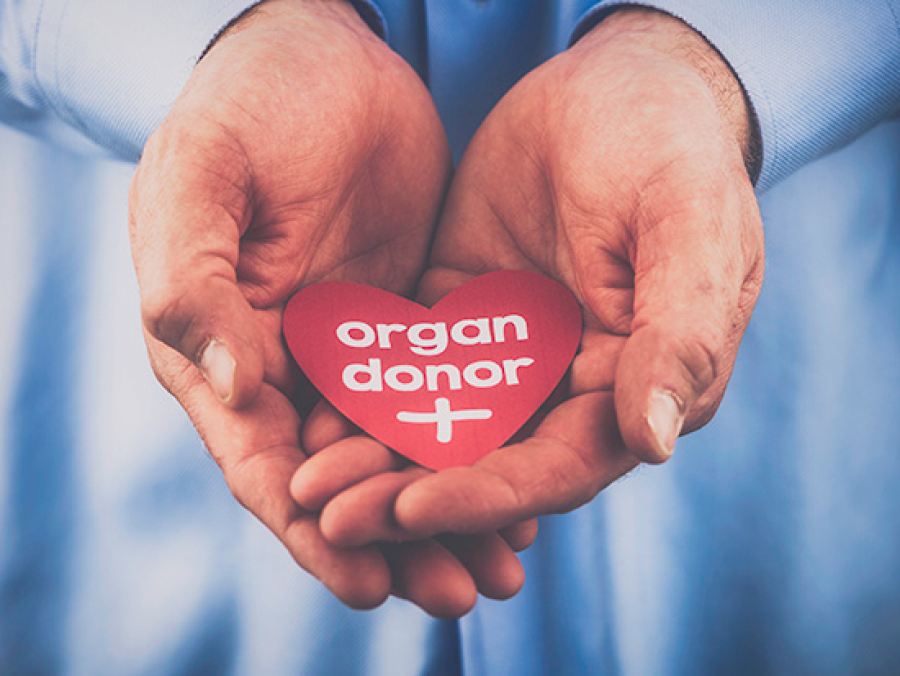
Organ donors save lives and help advance medical research.
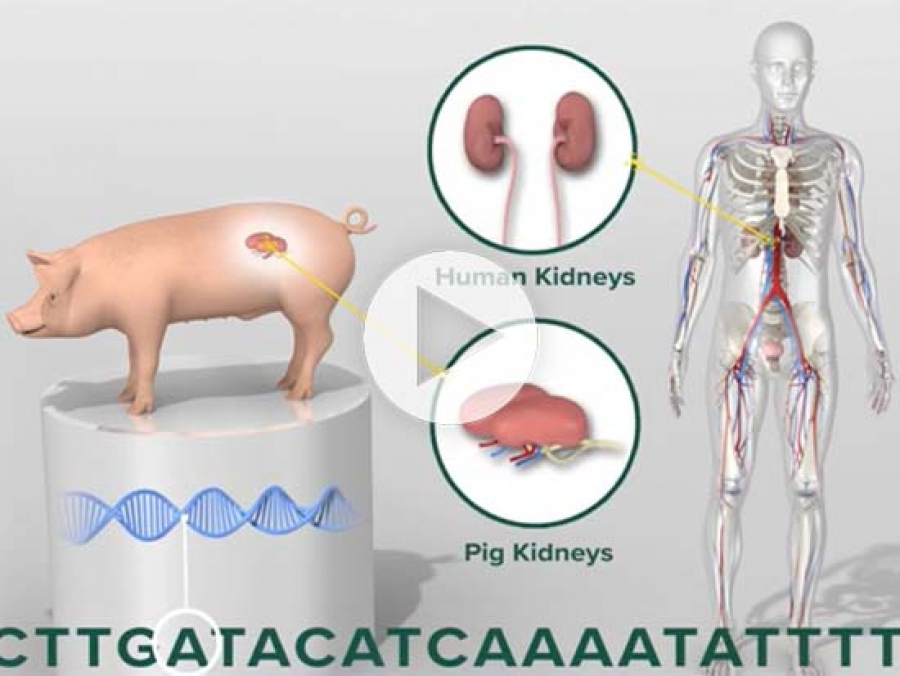
With news about UAB’s first peer-reviewed, published transplant of genetically modified pig kidneys into a brain-dead human individual, there are many questions about what this means for the future of transplant and how this will save countless lives moving forward.
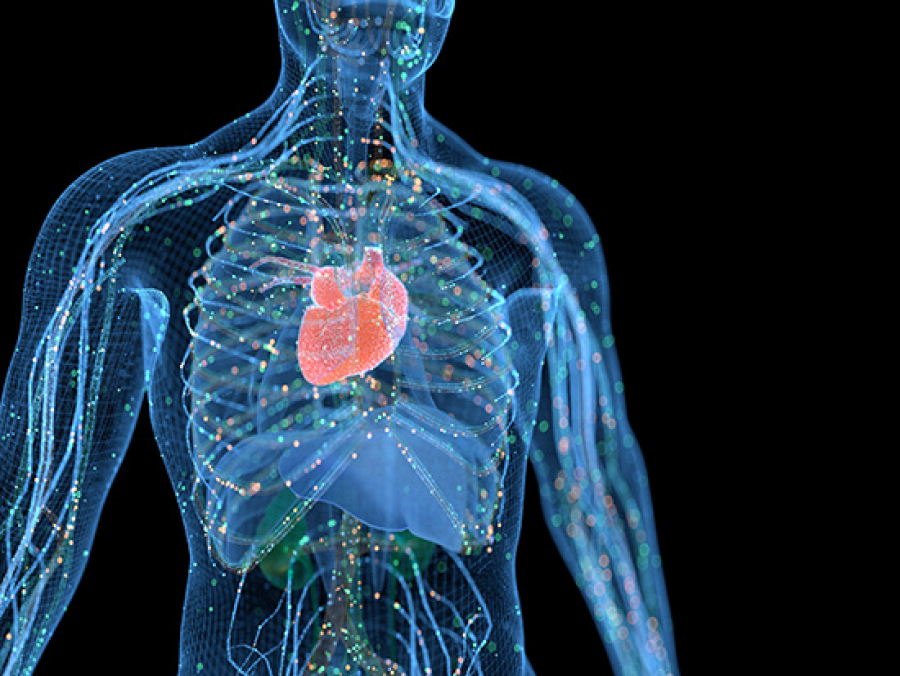
The Cardiogenomics Clinic uses a patient’s genetic history to help develop a personalized treatment plan based on their genetic results.
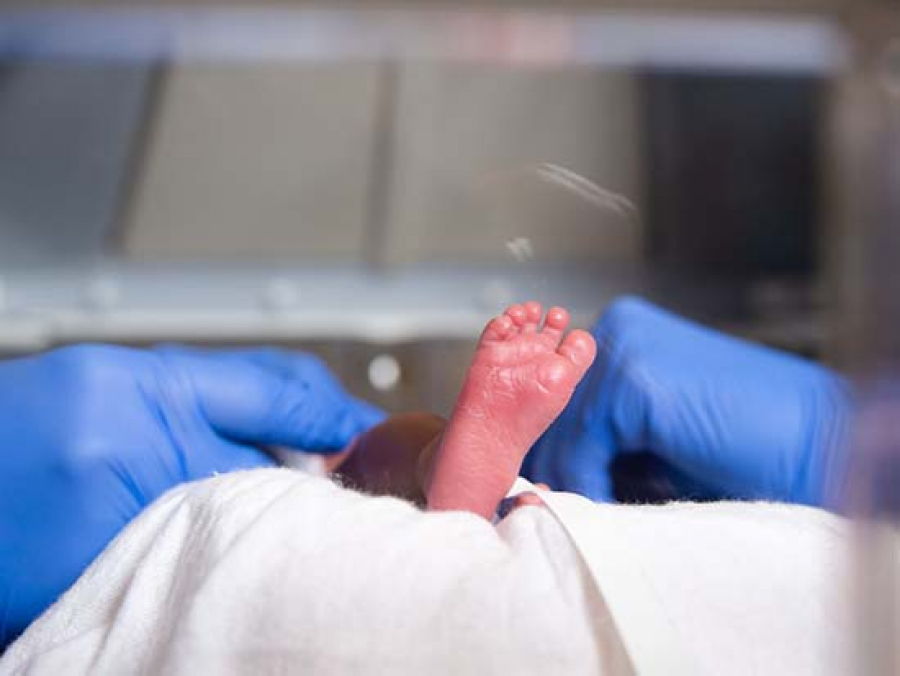
Death or severe brain bleeding in the first week after birth dropped from 27.4 percent to 15 percent after introduction of a bundle of evidence-based, potentially better practices for preterm infants. Median weight of the 820 infants studied was 1 pound, 10 ounces.

For those who had COVID-19, lingering heart problems can complicate their recovery. UAB experts address common concerns that people have with their heart health after COVID-19.