Latest News
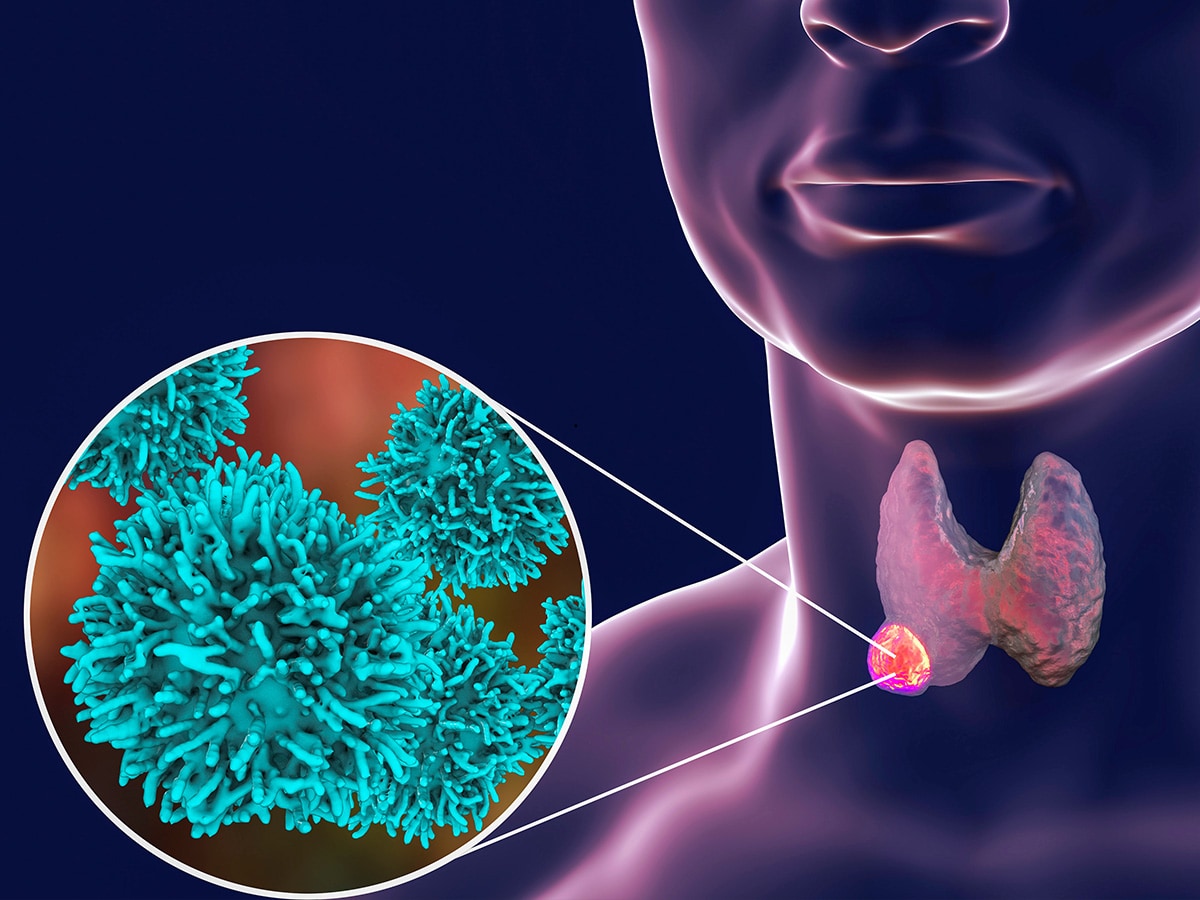
A UAB professor leads a new discovery that could change how an aggressive thyroid cancer with limited treatments is approached and treated.
A UAB experts offers clarity on the difference between watery and dry eyes, while shedding light on ways to mitigate eye allergy symptoms.

UAB experts say there are many steps people can take to minimize the impacts of a sedentary lifestyle on their heart health.
The new accreditation will support the school’s collaboration with community partners to reach women and children in every corner of the state and its efforts to build a highly educated and well-resourced nursing workforce.
A new UAB study shows that a prevalent Meier‑Gorlin syndrome variant reduces ORC6 protein production — not its function — suggesting future treatments could boost protein levels to prevent developmental defects.
Patients who received the additional therapy showed a higher likelihood of surviving at both one month and three months after treatment.

Three UAB Sports and Exercise Medicine experts offer their advice on starting an exercise plan, preventing injury and knowing when to stop.

UAB Medicine will operate the on-site care center and first aid tent during the INDYCAR race weekend and other events at Barber Motorsports Park, providing medical support throughout the venue.

Protein-packed products are everywhere — but a UAB dietitian explains what is hype, what is true and what consumers really need.
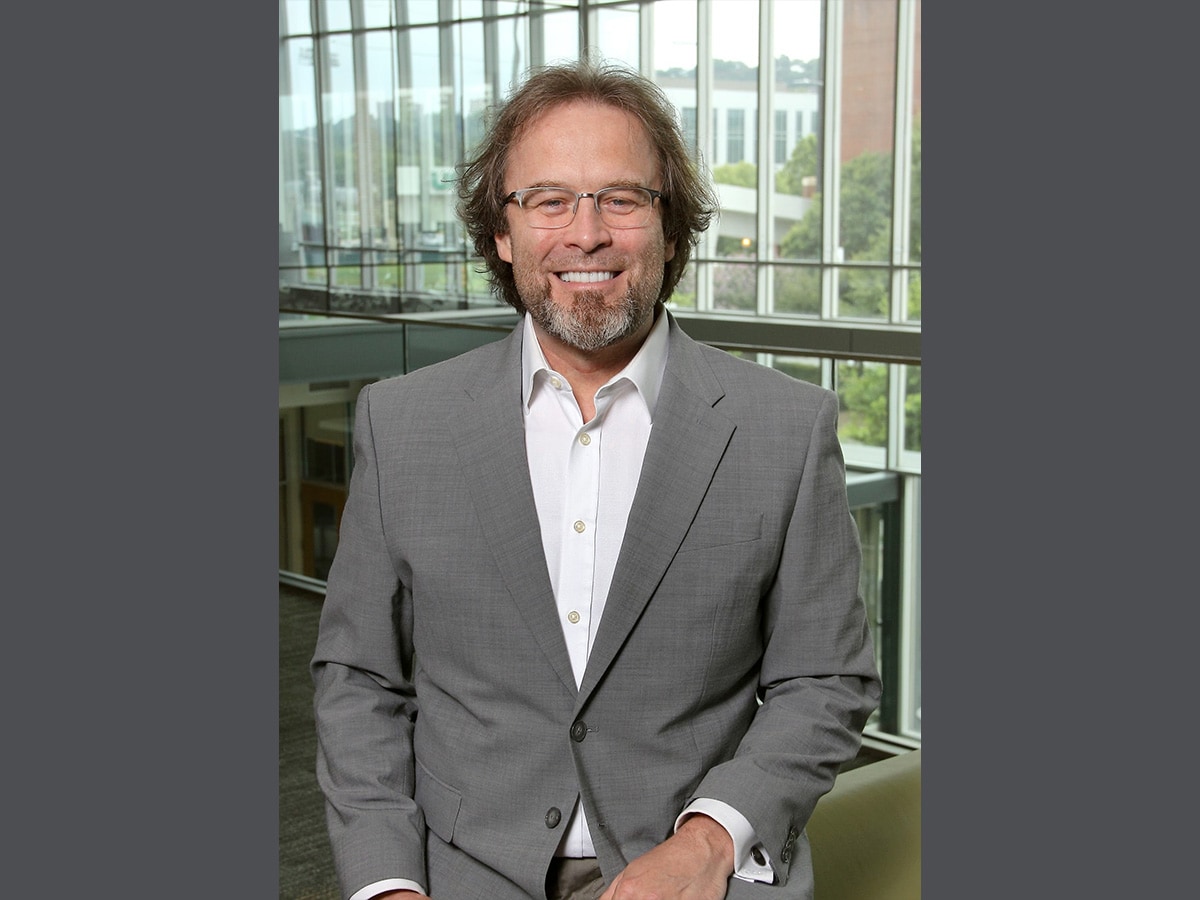
Patrick J. Murphy, Ph.D., has been selected as a prestigious small-business and entrepreneurship fellow.
UAB researchers are advancing cancer prevention and treatment through lifestyle-based survivorship care, adaptive molecular therapies and precision biomedical engineering.

UAB experts discuss the life cycle of the metabolism, ranging from before birth to older adulthood, and provide tips on metabolic health for a lifetime.

The proposed project, developed in partnership with Oxford Health Systems, would expand access to emergency care for residents of the region.
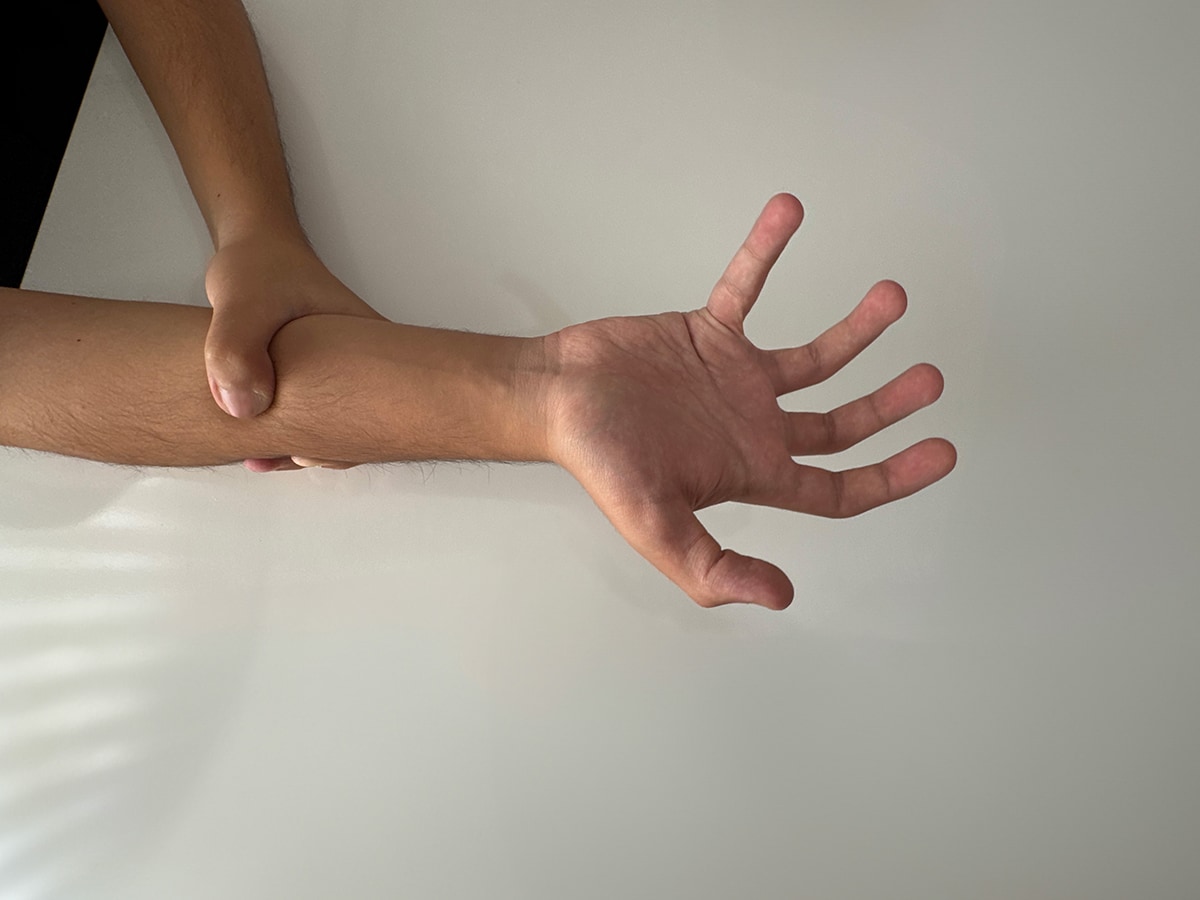
This rare brain condition causes a person’s hand to move without intention or control.

The K9 duo help monitor and protect the UAB campus, helping make all Blazers feel welcome and safe.
New research from UAB shows a structured expert panel approach can accurately and reliably measure delirium severity in patients with and without Alzheimer’s disease and related dementias.
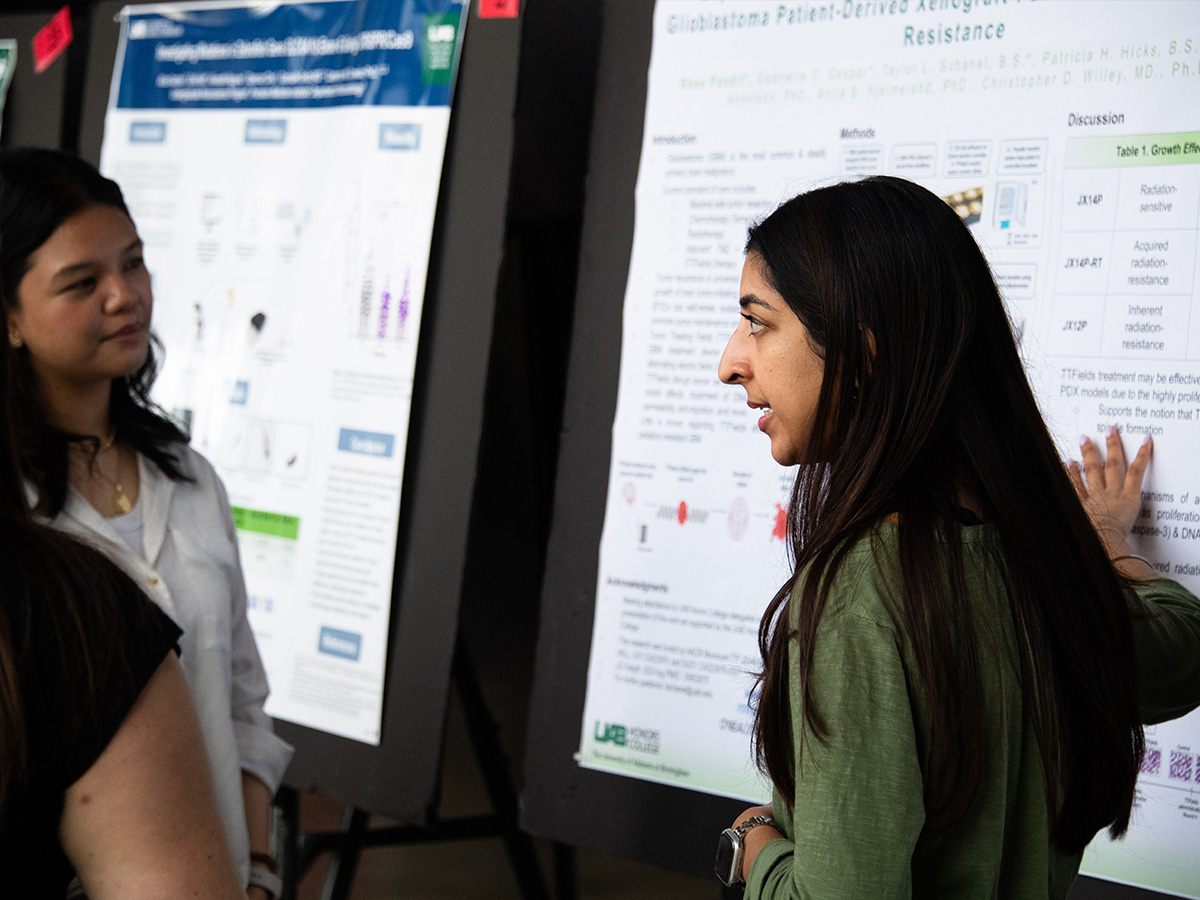
Undergraduate students at the University of Alabama at Birmingham will present research April 20-24 at the 2026 Spring Expo.
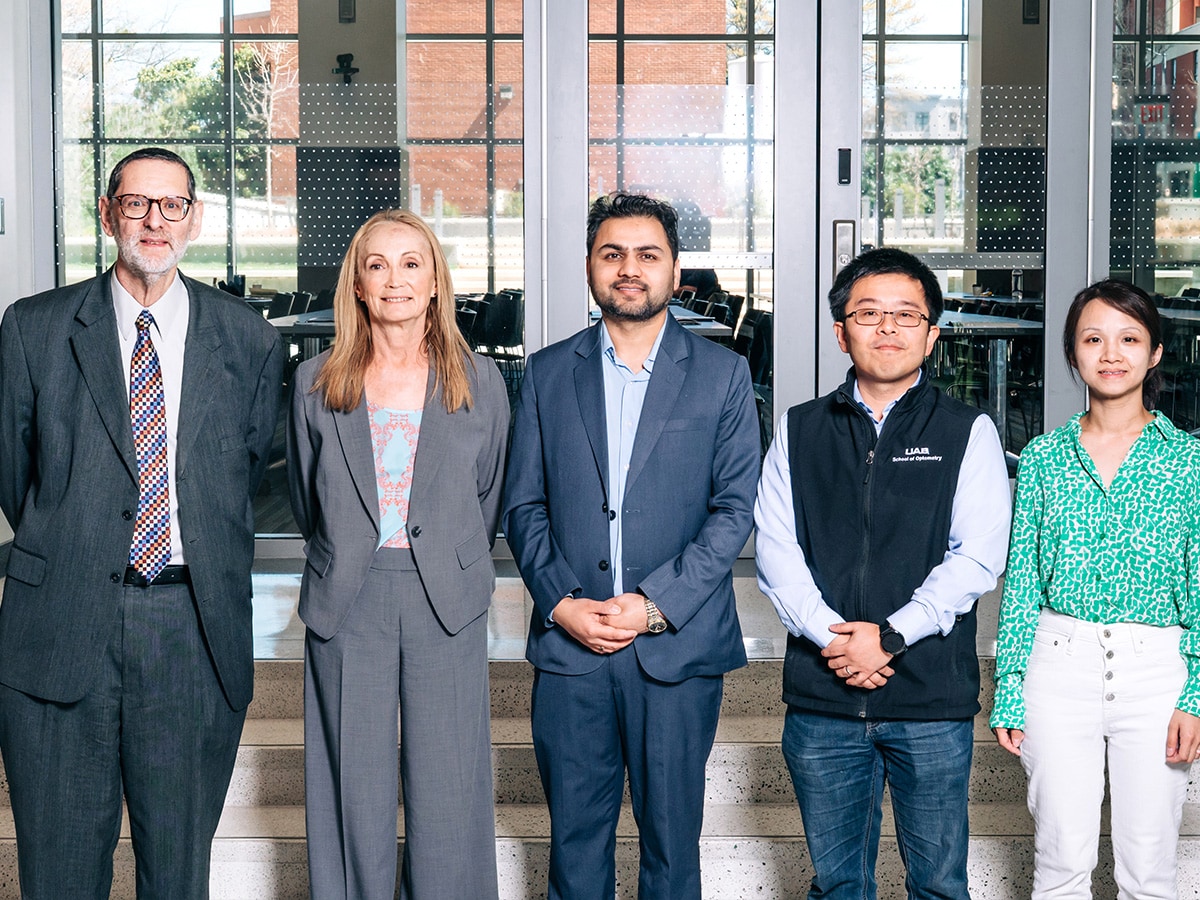
Michael Chiang, M.D., director of the National Eye Institute, spoke Friday, March 13, during the UAB Vision Science Research Center’s Retreat.
UAB has been a national leader in Fabry disease care and research for more than two decades.

Cardiovascular disease is the second leading cause of death among cancer survivors, second only to cancer itself

UAB expert Elizabeth Liptrap, M.D., provides information on concussion safety and prevention while playing basketball.
This year’s cohort is the largest in ASF program history.

Feeling tired may not mean it is time for sleep, and misunderstanding the difference could be fueling insomnia and fatigue.
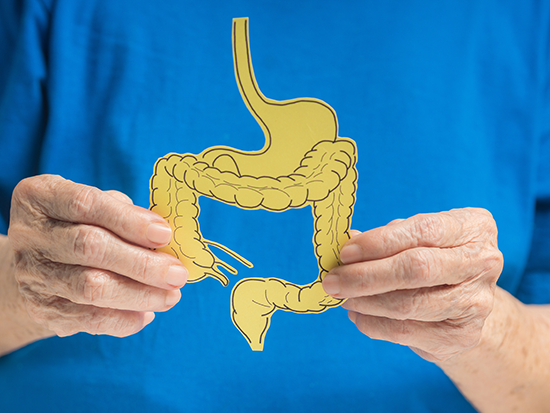
Understand the importance of prioritizing colon health.
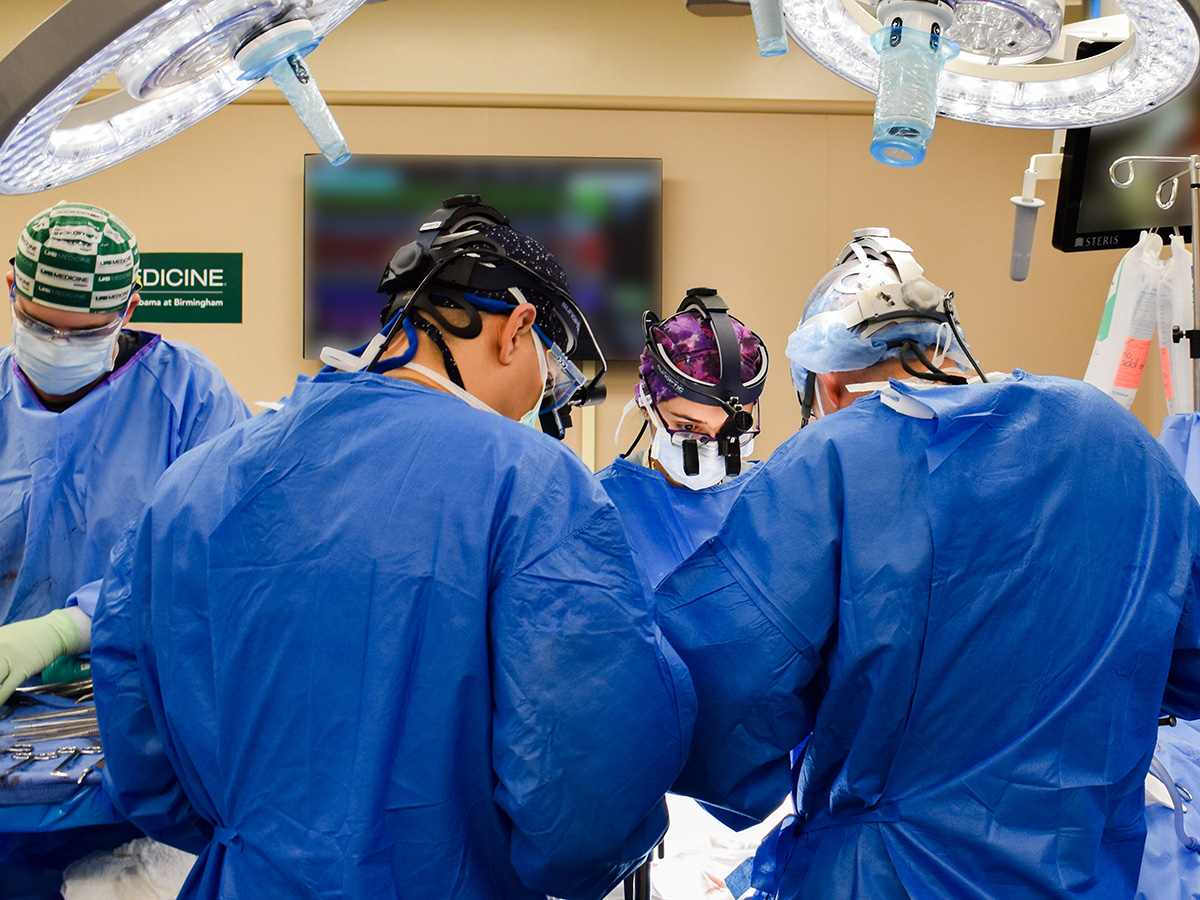
More than 9,400 people are on the waiting list for a liver transplant in the United States. UAB’s new living-donor liver transplant program aims to help that number decrease.
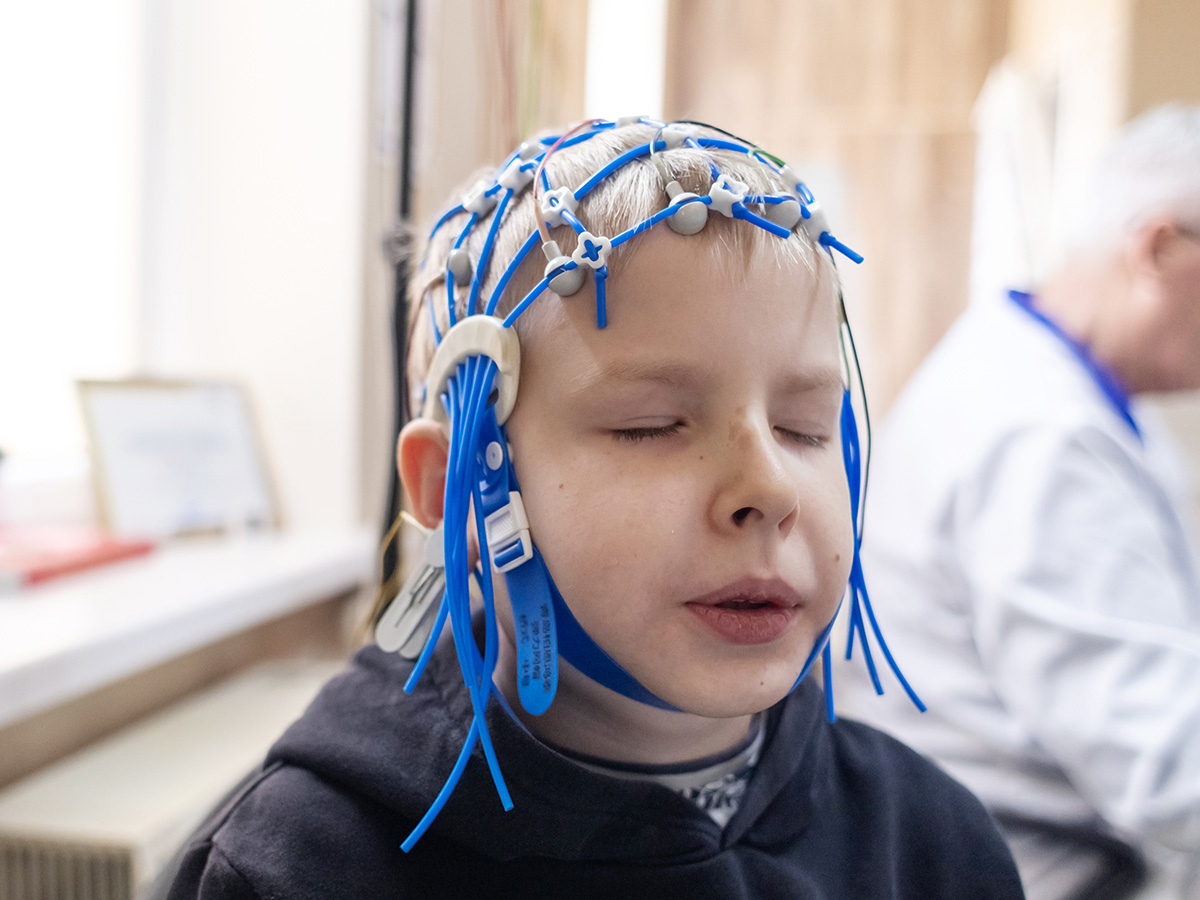
The study is aimed to track early brain and child development in the United States by following pregnant participants and their children for approximately 10 years.

Students earning degrees in studio art, communication, writing, music, theater and more are being recognized for their outstanding creative work.

UAB researchers are developing a new at-home cervical cancer screening device aimed at increasing access to screening and improving early detection.

Scientists identify an immune switch, NFAT, that is crucial to successful pregnancies, offering new insights on the causes of preeclampsia, implantation problems and inadequate blood supply.
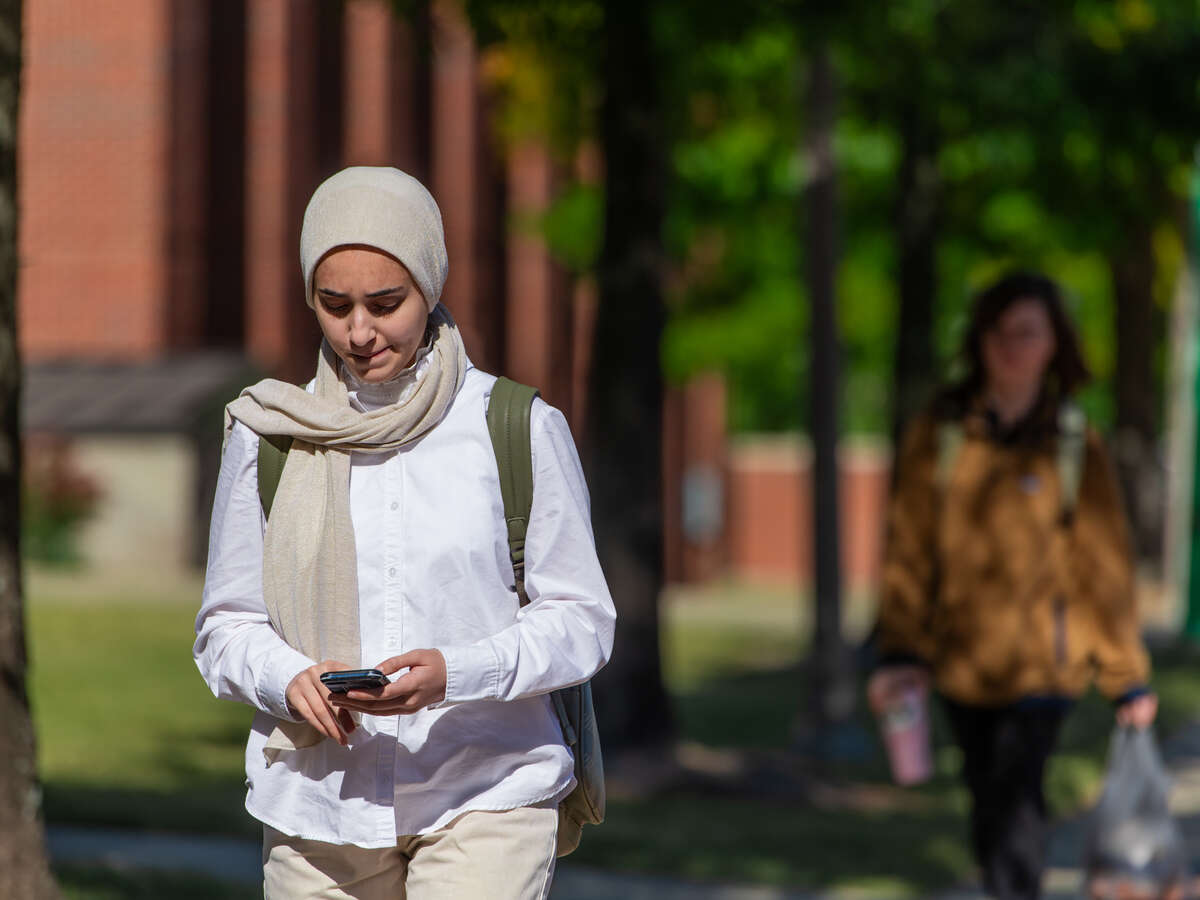
Mindfulness, putting boundaries around media consumption and taking small actions can help cope with stress caused by global events, according to a UAB expert.