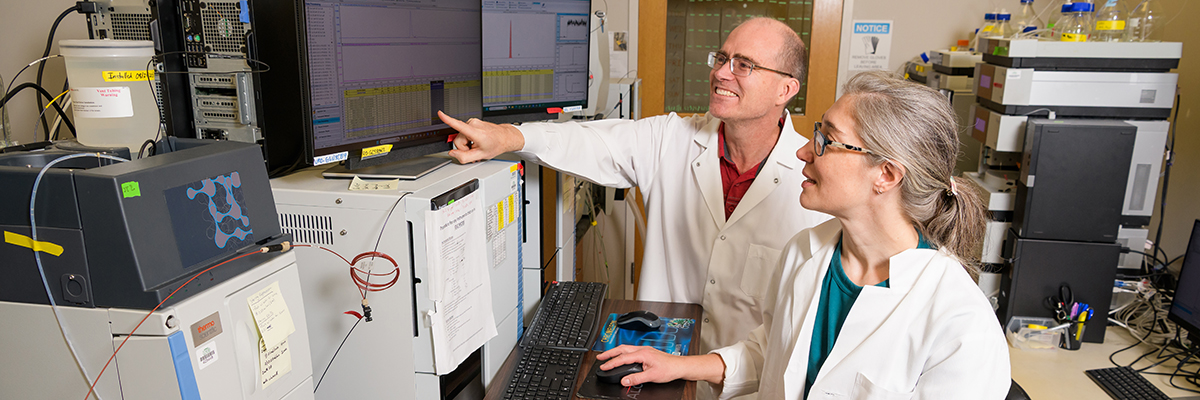
Our faculty-led laboratories investigate a broad range of conditions spanning kidney stone disease, endourologic disorders, and urologic cancers.
Research within the department encompasses all stages of scientific discovery, from basic science to translational and pre-clinical research. Together, these efforts aim to improve the prevention, diagnosis, and treatment of urologic diseases. Explore our research faculty and their laboratories below.
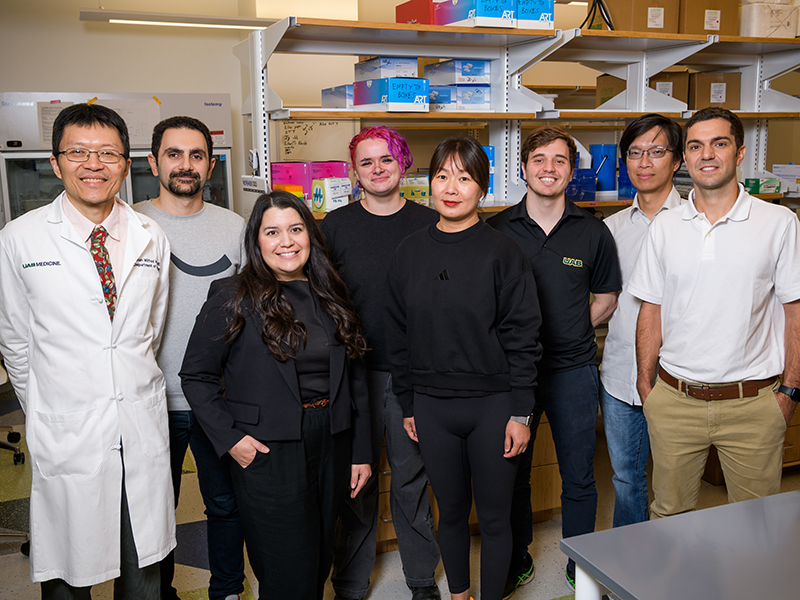
Chi/Taguchi Laboratory
The Chi/Taguchi Laboratory focuses on defining the cellular and molecular mechanisms that drive benign prostatic hyperplasia (BPH), Despite the widespread use of medical and surgical therapies, the biological basis of prostate enlargement and variable treatment response remains incompletely understood. Our bench-to-bedside approach connects human disease biology with patient phenotypes and treatment response. Our research uses patient-derived BPH organoid models to investigate pathways governing prostate growth, epithelial–stromal interactions, and disease progression. Integration with a comprehensive clinical BPH practice provides access to well-annotated human specimens across disease stages and treatment modalities. By integrating clinical outcomes, histopathology, and genomic data from these procedures with experimental findings from organoid studies. Our mission is to develop human-relevant models and translate biological insights into improved diagnostics and precision therapies for BPH and related urologic diseases.
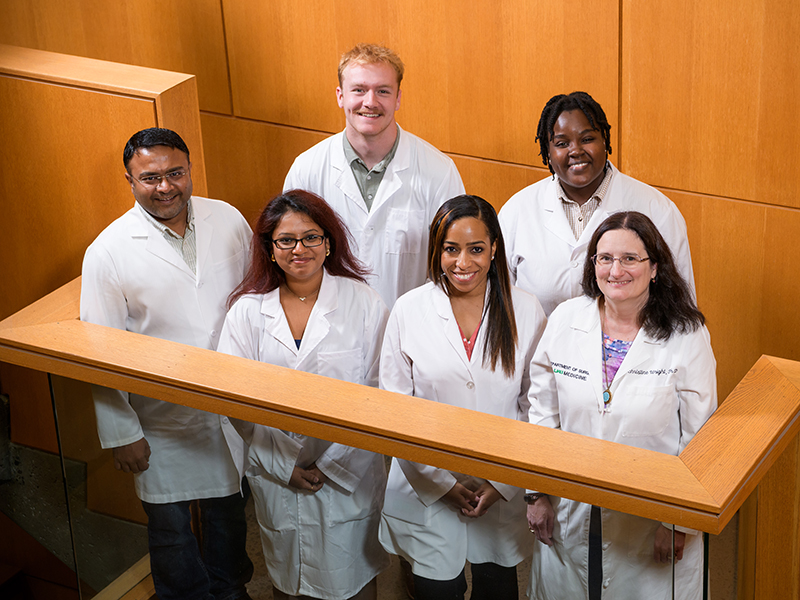
Mitchell Laboratory
The Mitchell Laboratory is dedicated to discovering how metabolism, redox biology, and the immune system drive kidney and urological diseases. Our research integrates controlled human dietary feeding studies with experimental models to investigate how diet shapes immunity and crystalluria in kidney stone disease. Our research also examines how metabolic pathways and crystalluria contribute to chronic kidney disease, polycystic kidney disease, and renal cancer. In addition, we investigate the role of immune cells in interstitial cystitis/painful bladder syndrome. Our mission is to define the biological pathways at the center of renal and urological disorders, with the ultimate goal of transforming these discoveries into new strategies to prevent, diagnose, and treat disease.
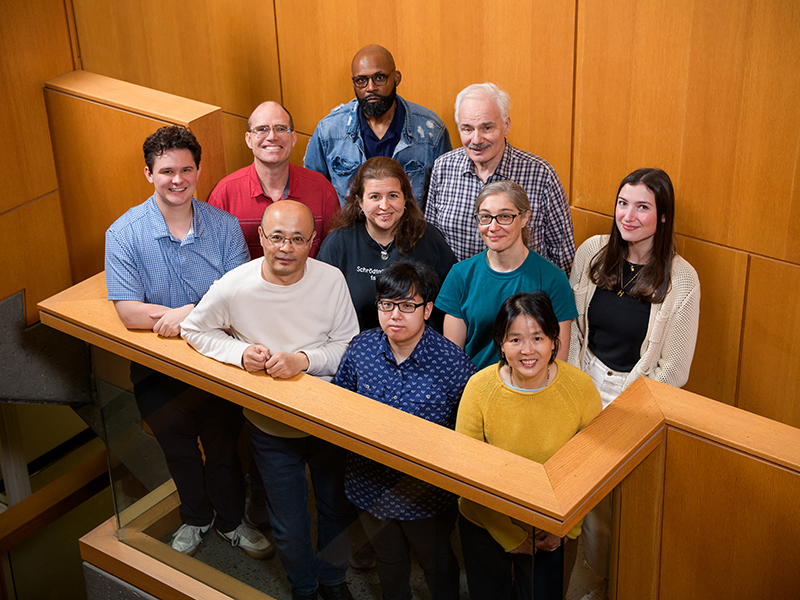
Kidney Stone Laboratory
The Kidney Stone Research Laboratory investigates the biological, metabolic, and physiological mechanisms underlying kidney stone disease, which affects nearly 10% of the U.S. population and remains a growing clinical challenge. Focusing primarily on calcium oxalate stones, our team studies oxalate production and regulation, calcium metabolism, the role of the gut microbiome, and the contribution of mitochondrial dysfunction to stone formation. Through an integrated bench‑to‑bedside approach, our lab combines mechanistic research with clinical insights to advance prevention strategies and improve patient outcomes. Collaborative efforts with the UAB Nutrition and Obesity Research Center, the UT Southwestern Department of Urology, and the Charles and Jane Pak Center for Mineral Metabolism and Clinical Research further support investigations into the link between obesity and kidney stone disease.
Sudarshan Laboratory
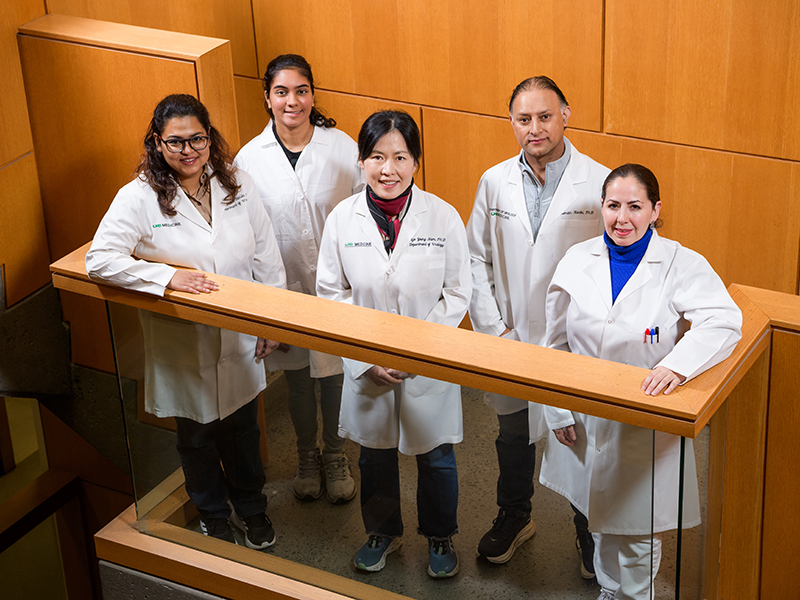
The Sudarshan laboratory investigates how tumor metabolism shapes the epigenome and epitranscriptome, and how these interactions drive kidney cancer initiation, progression, and therapeutic response. Through mechanistic studies focused on metabolic, epigenetic, epitranscriptomic, and signaling pathways, our lab seeks to advance the biological understanding of kidney cancer and develop more effective treatment strategies.