



If we want different outcomes, we need to think differently. One proven and practical approach is Edward de Bono’s Six Thinking Hats.
Most say they want innovation. New ideas. Better solutions. Smarter ways of working.
Yet when a challenge shows up, we often rely on the same thinking patterns that created the problem in the first place. We brainstorm quickly, default to opinions, or jump straight to solutions. The result is the same old ideas dressed up as innovation.
What’s wrong with the way we think?
Most team discussions are a mix of facts, opinions, emotions, risks, and ideas all at once. This creates noise, confusion, and complexity. Strong personalities dominate. Cautious voices hold back. Creative ideas get shut down too early.
Enter The Six Thinking Hats from Edward de Bono.
The Six Thinking Hats method solves this by separating thinking into clear modes. Everyone looks at the same problem from the same angle at the same time. This creates focus, balance, and better decisions. Then you progress to another angle or mode.
The Six Hats at a Glance
You can use the hats individually or as a team. Each hat represents a specific way of thinking.
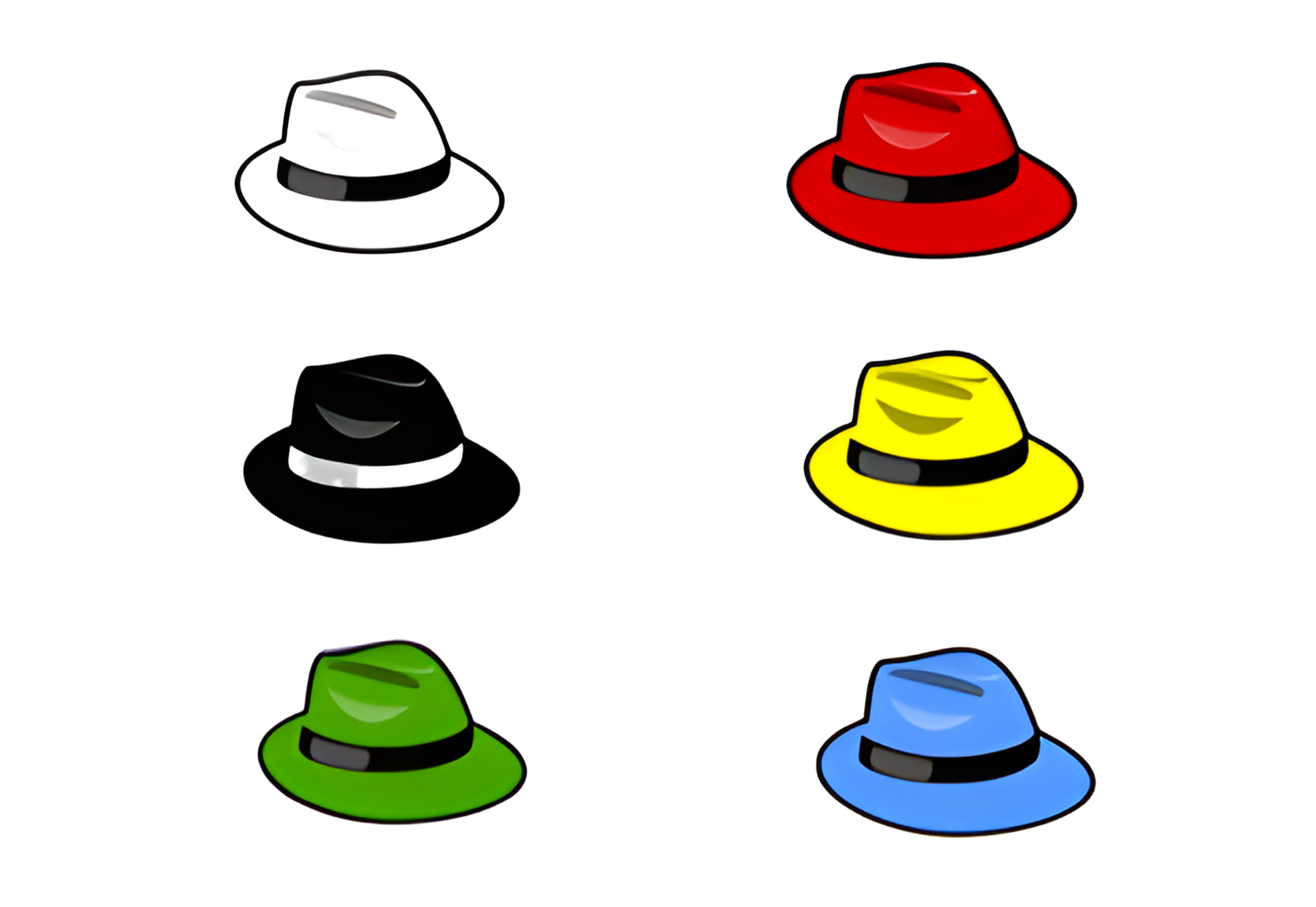
White Hat = Facts and data.
What do we know? What is missing? What information do we need?
Red Hat = Feelings and intuition.
What does this feel like? What are the gut reactions, without justification?
Black Hat = Risks and cautions.
What could go wrong? Where might this fail?
Yellow Hat = Benefits and value.
What could go right? What are the potential gains?
Green Hat = Creativity and possibilities.
What are new ideas? What alternatives exist? What have we not tried?
Blue Hat = Process and focus.
What is our goal? Which hat do we need next? How will we decide
How to get started
Try this in your next meeting or even on your own:
- Clearly define the problem or opportunity.
- Spend two to three minutes per hat.
- Capture insights without debating.
- Decide after all hats have been used.
For teams, the rule is simple. Everyone wears the same hat at the same time. This removes argument and encourages participation.
Why It works
The Six Thinking Hats method slows thinking just enough to make it better. It creates space for creativity without losing structure. It values emotion without letting it dominate. It allows risk without fear.
Most importantly, it helps teams move from reactive thinking to intentional thinking.
Innovation is not about having smarter people. It is about using smarter thinking.
Resources
Use this job aid to try the 6 Thinking Hats with your next problem
Citations
de Bono, E. (1985). Six thinking hats. Little, Brown and Company.
Written by: Jerad Watson, Manager | UAB Learning and Development