By Jennifer Lollar
Fentanyl and other synthetic opioids are responsible for most drug overdose deaths in the United States. Fentanyl is nearly 50 times stronger than heroin and 100 times stronger than morphine, and a lethal dose can be as small as two milligrams.
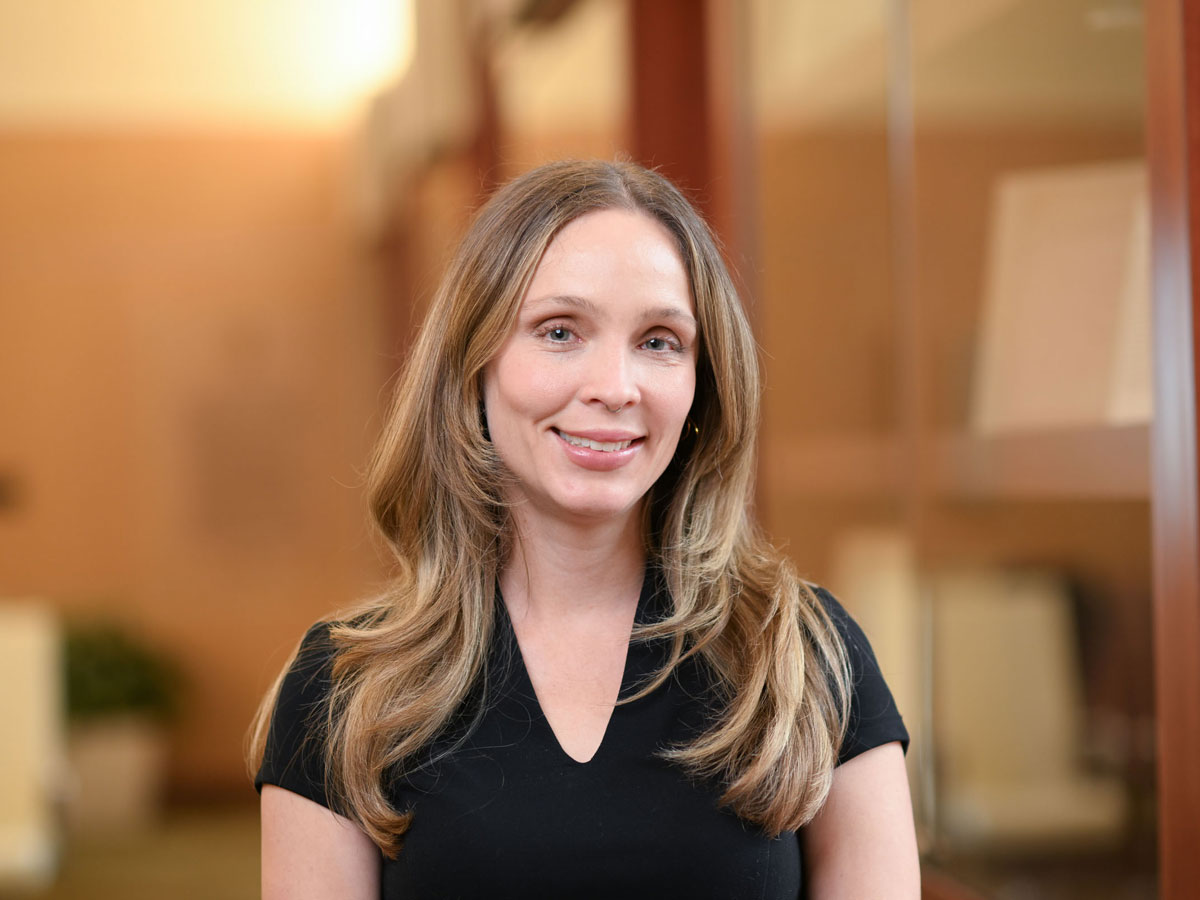
University of Alabama at Birmingham School of Nursing Associate Professor Emma Kay, PhD, MSW, hopes to prevent overdoses and deaths through education about, and distribution of, an affordable solution.
Kay is co-leading—with Karen Cropsey, PsyD, Professor of Psychiatry and Behavioral Neurobiology, in the UAB Heersink School of Medicine—a six-year, $5.3 million grant from the National Institutes of Health National Institute on Drug Abuse, the first national, fully remote trial to assess if someone with a substance use issue can prevent overdosing on fentanyl by testing the drug they are taking before they ingest it.
“People who take opioids or stimulants usually don’t set out to use fentanyl, they buy substances laced with it and often don’t know until it is too late,” Kay said. “Fentanyl test strips are a cheap and easy way to detect if a drug has this potentially lethal substance in it, but many people don’t know they exist or how to use them effectively,” she said.
The testing process is simple—a very small amount of the drug mixed with water will return a positive or negative result on the test strip. The test strips are more affordable than the overdose recovery drug naloxone and can prevent an overdose before it happens.
“It’s just not widely known what a benefit these test strips could be if they are correctly used,” Kay said. “Access also is an issue. The test strips are still illegal in four states and difficult to get in others.”
This project is informed by work conducted by Cropsey that demonstrated the successful remote distribution of naloxone to prevent overdose deaths. Initially, naloxone was only used in emergency departments during suspected cases of opioid overdose. However, through the work of Cropsey and others, naloxone has been shown to be used effectively by non-medically trained bystanders to reverse overdose, giving people the opportunity to get to the emergency room and into substance use treatment.
By testing a fentanyl test strip education and distribution intervention in a national sample of individuals at risk for overdose due to current opioid and/or stimulant use, and without medical training, Kay and Cropsey hope to demonstrate a low barrier, sustainable and effective approach to reducing overdose deaths.
Kay said while preventing people from using illegal substances would be ideal, it’s not the reality. The stigma surrounding substance use disorders means education mostly focuses on use prevention. An intervention like this could not only save lives but also healthcare costs. U.S. hospitals each year spend more than $10 billion treating patients who overdose on opioids.
This project is combining the expertise of both scientists, and engaging community partners is a key component in this study.
Kay is in the final year of an R01 grant from the National Institute on Drug Abuse to develop an intervention for people with HIV who use drugs that incorporates both structural resources and supportive patient-healthcare provider relationships. She is leveraging the national and regional community partnerships developed through this work to co-create this intervention. Cropsey is an expert in conducting remote clinical trials using naloxone to prevent overdoses.
“Being able to reach people who are not engaged in substance use treatment and who live in rural areas where these types of interventions are not available are additional, novel aspects to this work,” Cropsey said.
“And, we’re working with our existing connections, all experienced in public health research, to develop the best ways to get this intervention into peoples’ hands,” Kay added.
Once the intervention is shown to be effective, the next step would then be increasing awareness and addressing barriers at the legislative level to make it more accessible.
“This could be a transformative advancement in overdose prevention,” Kay said. “Follow-up studies will focus on how to best make this widely available to everyone, and that will require policy change to provide an avenue for legal distribution in all states.”
Kay, a social worker, is an Associate Director of the UAB Center for AIDS Research's Implementation and Community Sciences Core and leads community science activities for the UAB Center for Addiction and Pain Prevention and Intervention. Cropsey is a clinical psychologist and the Director of the UAB Center for Addiction and Pain Prevention and Intervention.