Release
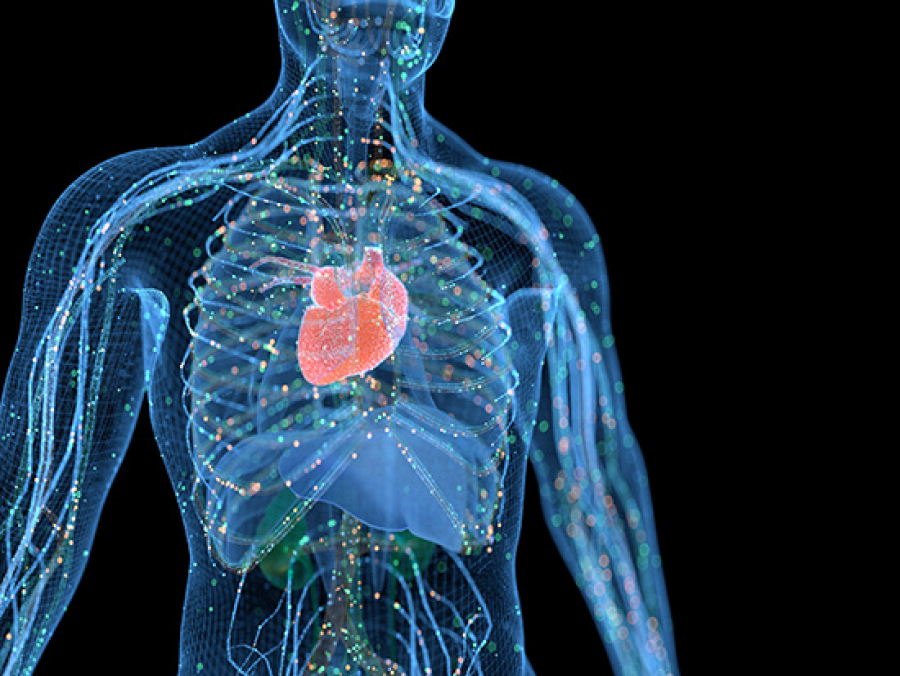
The Cardiogenomics Clinic uses a patient’s genetic history to help develop a personalized treatment plan based on their genetic results.

Ketones, ketogenic diet, ketosis — what does it all mean? UAB expert Eric Plaisance, Ph.D., explains the ketogenic diet and the known health benefits it produces.
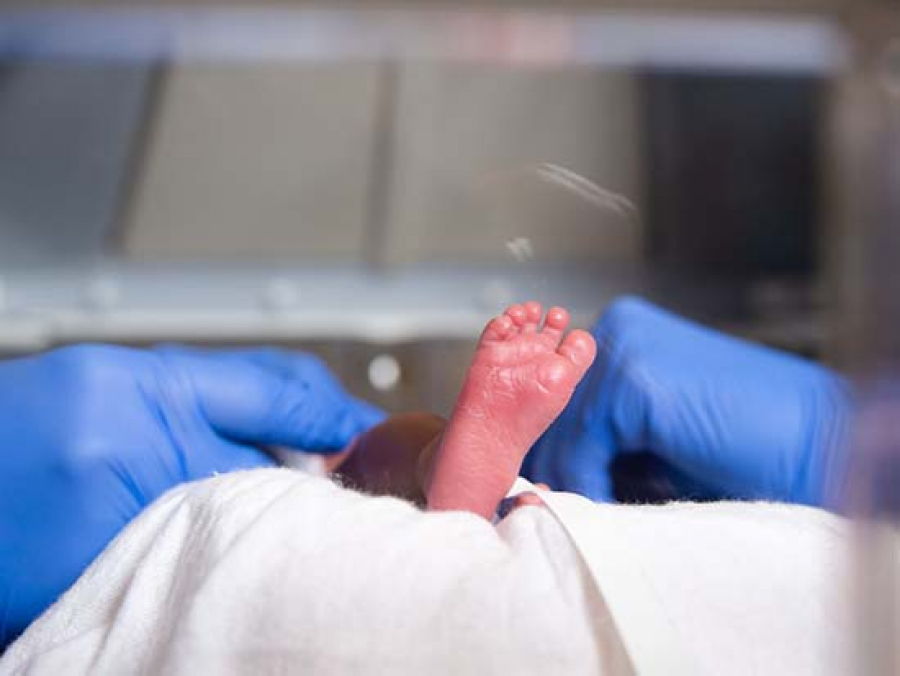
Death or severe brain bleeding in the first week after birth dropped from 27.4 percent to 15 percent after introduction of a bundle of evidence-based, potentially better practices for preterm infants. Median weight of the 820 infants studied was 1 pound, 10 ounces.

The findings represent the first study to examine whether metabolic adaptation, at the level of Resting Metabolic Rate (RMR), is associated with time to reach weight-loss goals.
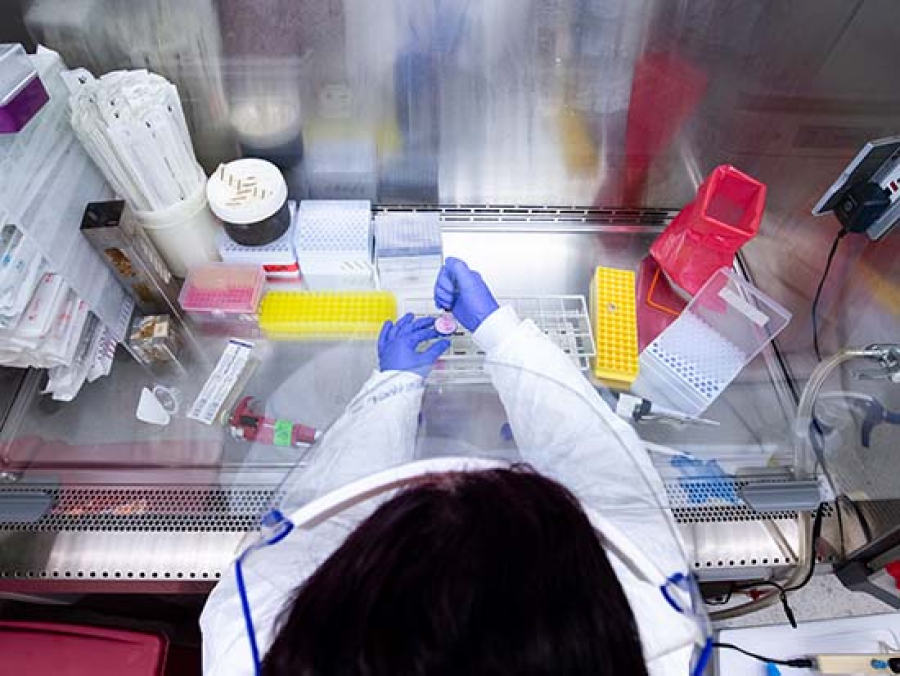
Early research internships allow students to discover careers of interest they may not otherwise experience, providing an effective way to set them up for success, study suggests.

For those who had COVID-19, lingering heart problems can complicate their recovery. UAB experts address common concerns that people have with their heart health after COVID-19.
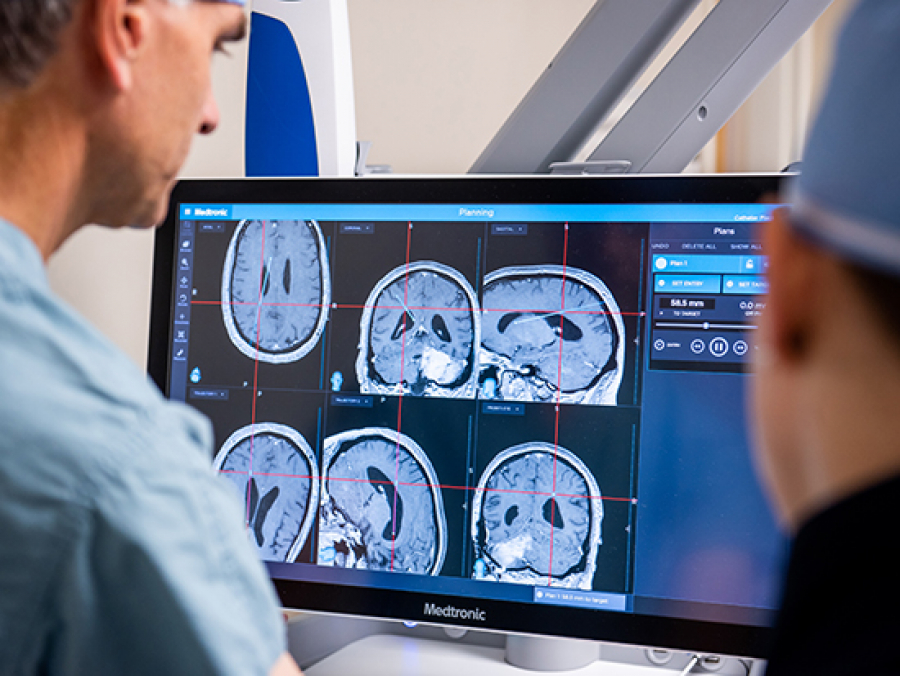
A new study confirms that G207, a genetically engineered virus developed at UAB, may be a beneficial therapy for brain tumors.

In the study published in the American Journal of Transplantation, UAB researchers tested the first human preclinical model for transplanting genetically modified pig kidneys into humans.

Jim Parsons’ legacy paves the way for thousands to potentially receive lifesaving organs through UAB’s xenotransplantation program.
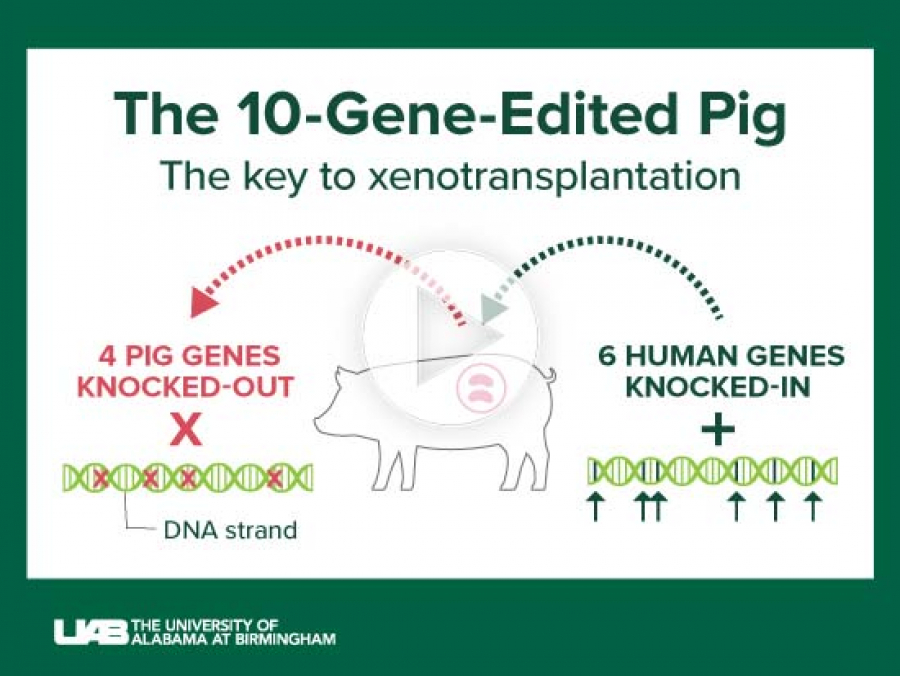
The human preclinical model at UAB provides important knowledge before a Phase I clinical trial can begin for living human recipients. Decades of work by researchers across the world preceded UAB’s first clinical-grade pig kidney xenotransplant.

From its incompatible kidney transplant program to deceased donor programs, to xenotransplantation, UAB continues to seek ways to help patients who face end-stage renal disease.

As CEO, Vickers says his priorities will be in continuing UAB’s clinical and research excellence and working to eliminate disparities in health care throughout the state and region.

Northwest Regional joins a growing number of other Alabama hospitals as part of the UAB Health System.
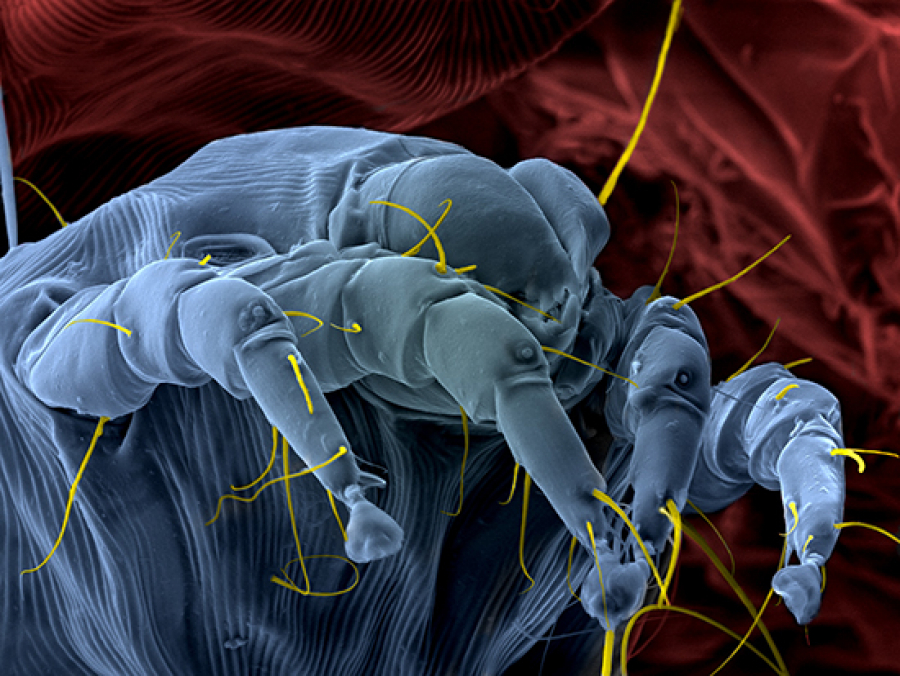
A detailed mechanistic study unravels how the bacterial endotoxin LPS prevents or promotes allergic disease.

UAB researcher explains why retailers prefer customers to keep purchased items instead of returning.
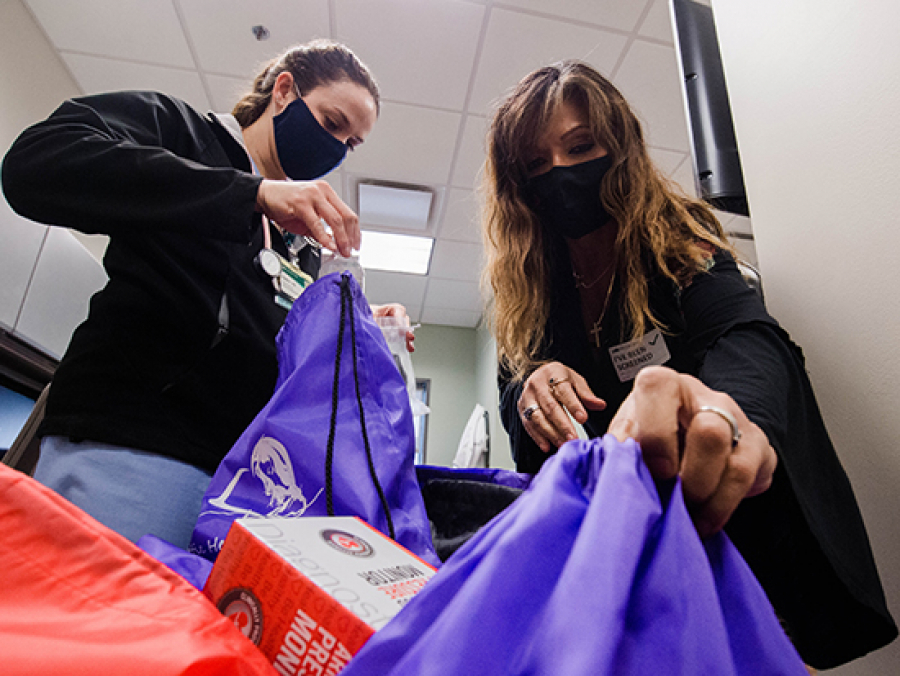
Diane Bishop creates care packages for other aortic patients to equip them with the supplies they need to take control of their health.
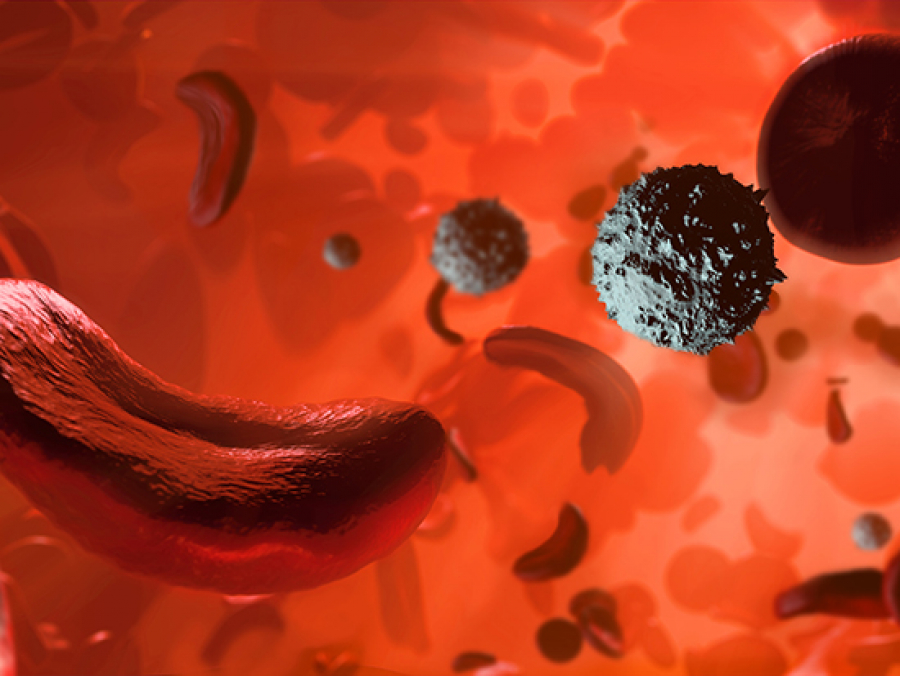
Although unproven, this novel sickle cell therapy serves as a potential cure. More measures need to be taken to determine long-term function and organ improvement.

Research in animal models shows better formation of the fistulas, which are a lifeline for kidney failure patients as the connection site to dialysis machines.

Pregnant women will receive a 4D ultrasound, clinical evaluation and personalized physical activity plan through the new Exercise in Pregnancy Clinic.
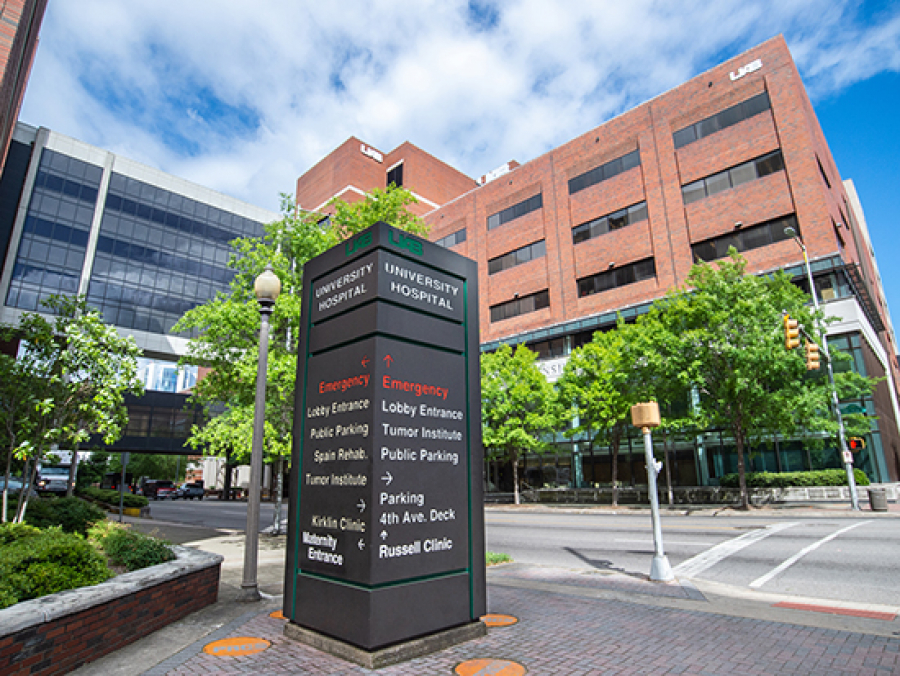
UAB Hospital has climbed three spots to break into the top ten among the largest hospitals in the nation.