Oneal comprehensive cancer center
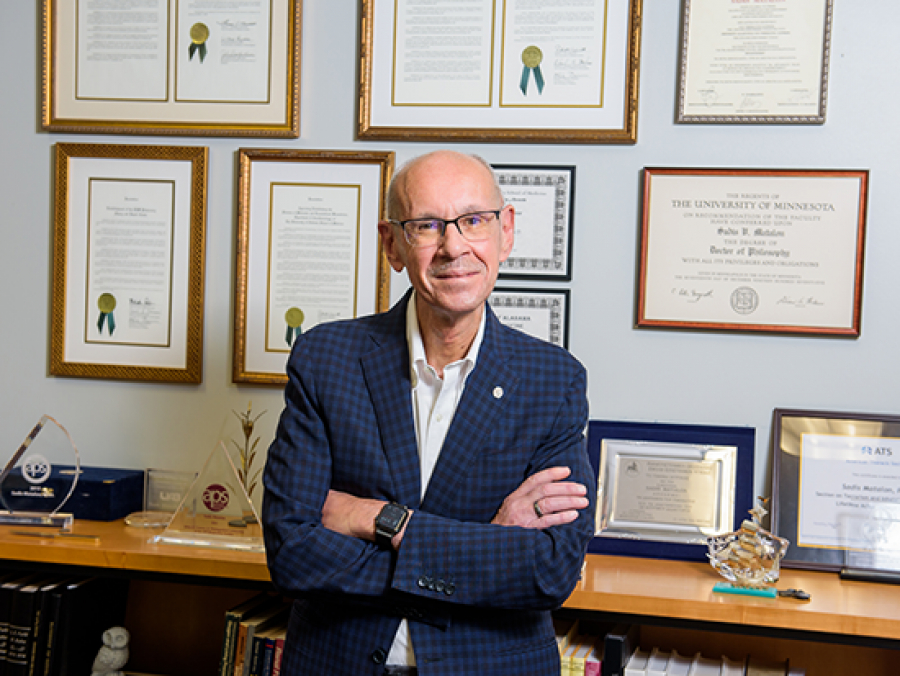
Even when at odds with his health, Matalon continued his academic excellence and service to the field of lung disease research.
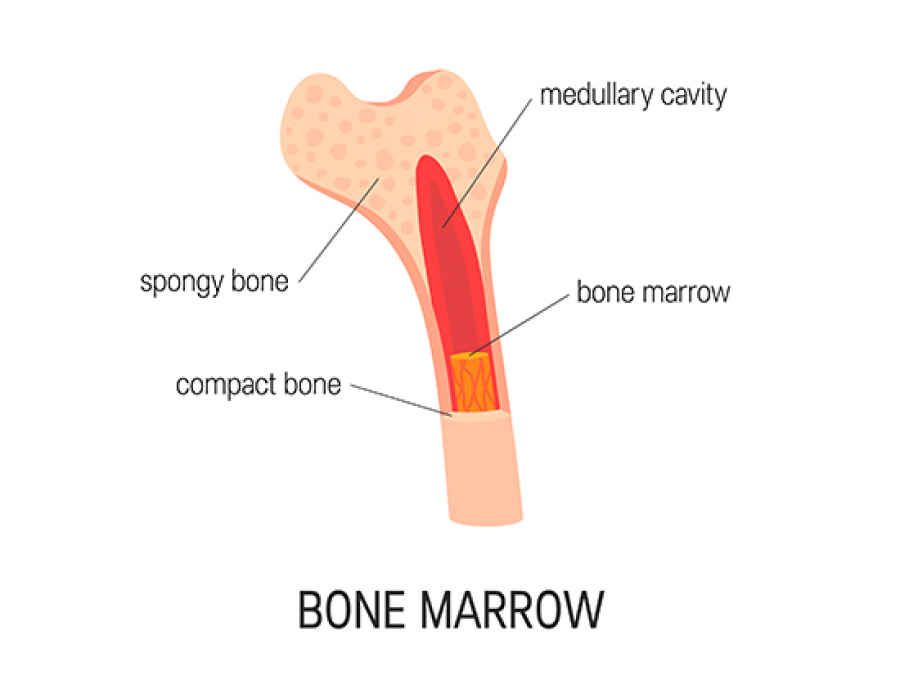
An overabundance of mast cells, which are important components of the immune system and are produced in the bone marrow, can lead to a variety of health issues.
At the O’Neal Comprehensive Cancer Center, a clinical trial and a collaborative care team tackle an aggressive form of T-cell lymphoma in a patient—now a survivor—from Montgomery.
The funding will support 24 research projects at seven institutions in Alabama.

New screening guidelines and improvements in diagnostics and treatment have improved outcomes in lung cancer.

UAB’s research and reputation land it among the top institutions in the world.
The clinically approved drug ruxolitinib suppressed a mouse model of melanoma that is resistant to immune checkpoint blockers.
UAB researchers have discovered a new way to treat melanoma by targeting CDC7 with EZH2 or BRPF1/2/3 inhibitors.
The deciphering of a new signaling cascade sheds light on how mutations in metabolism cause normal cells to become cancerous.
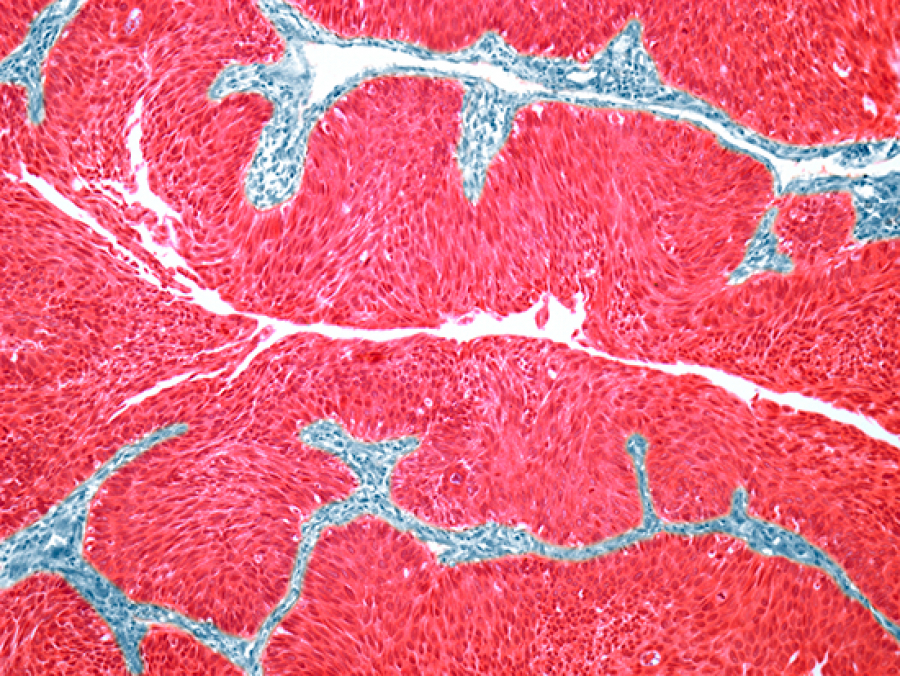
The researchers found that ARID1A-deficient bladder cancers are sensitive to combination therapies with the EZH2 inhibitor and inhibitors of PI3K, in a synergistic manner.
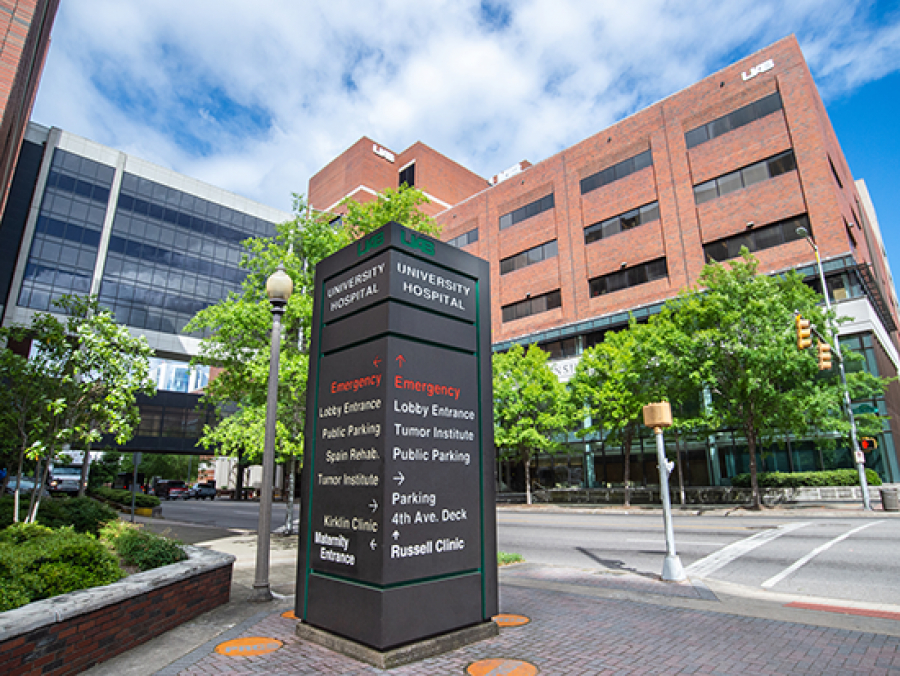
U.S. News & World report named UAB Hospital as the best hospital in Alabama.
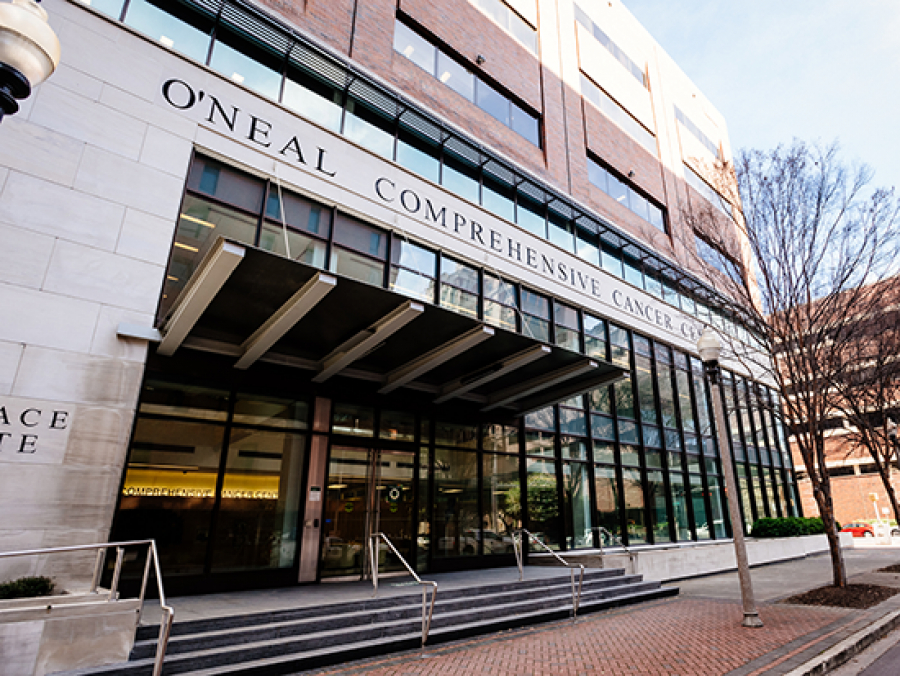
The O’Neal Comprehensive Cancer Center at UAB celebrates 50 years of service to the state and beyond.
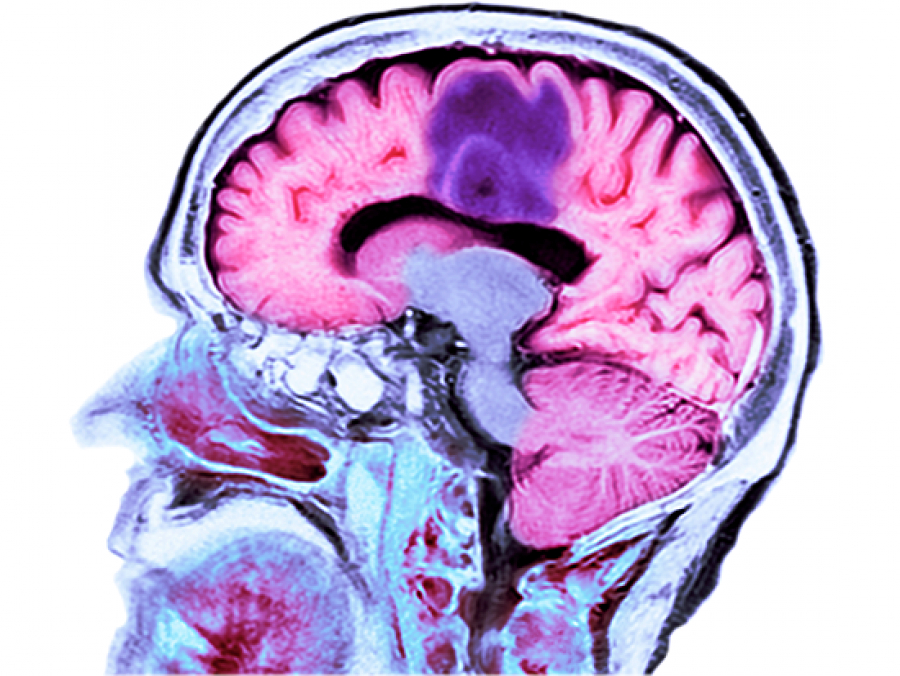
All of the newly diagnosed glioblastoma multiforme patients enrolled in a Phase 1 clinical trial have exceeded both their median and expected progression-free survivals. Two patients, to date, have exceeded their expected overall survival.

According to the Alabama Department of Public Health, Alabama ranks fifth in the United States for oral cavity and pharynx cancer incidence and seventh among the states for oral cavity and pharynx cancer deaths.
UAB has been awarded for its superior CAR-T therapy program services and leadership.

A UAB study shows that bone marrow transplant recipients have a shorter lifespan as compared to their counterparts.
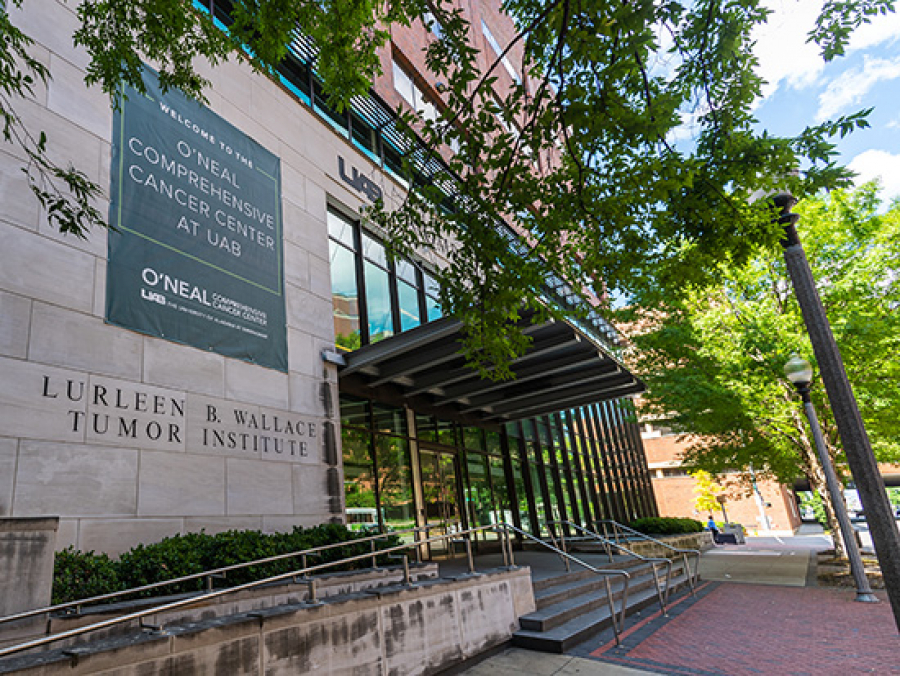
UAB patients with stage 4 cancer now have more options for treatments.
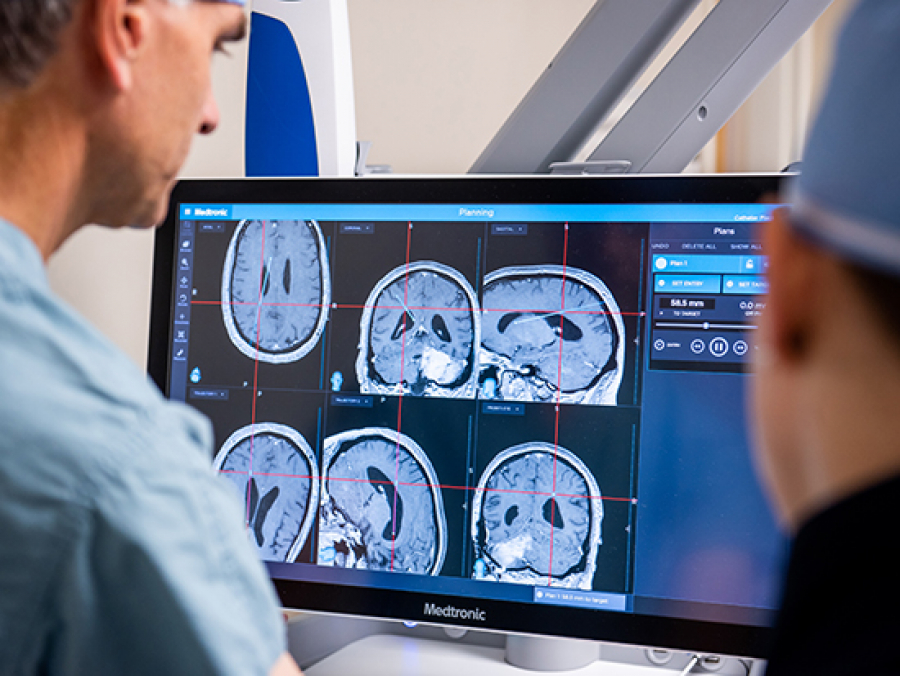
A new study confirms that G207, a genetically engineered virus developed at UAB, may be a beneficial therapy for brain tumors.
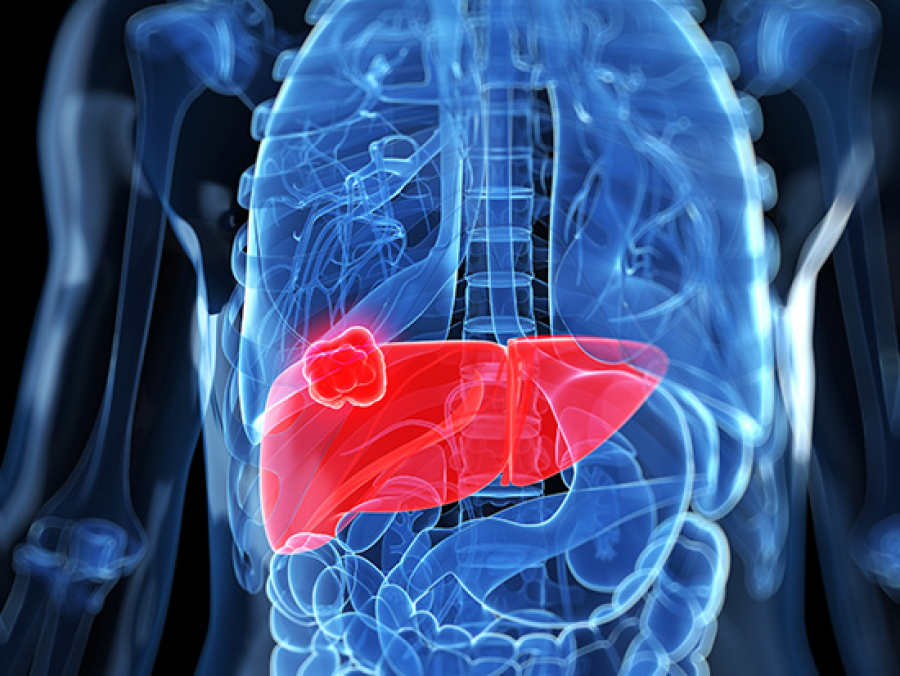
The infusion therapy can help shrink tumors that are otherwise inoperable.
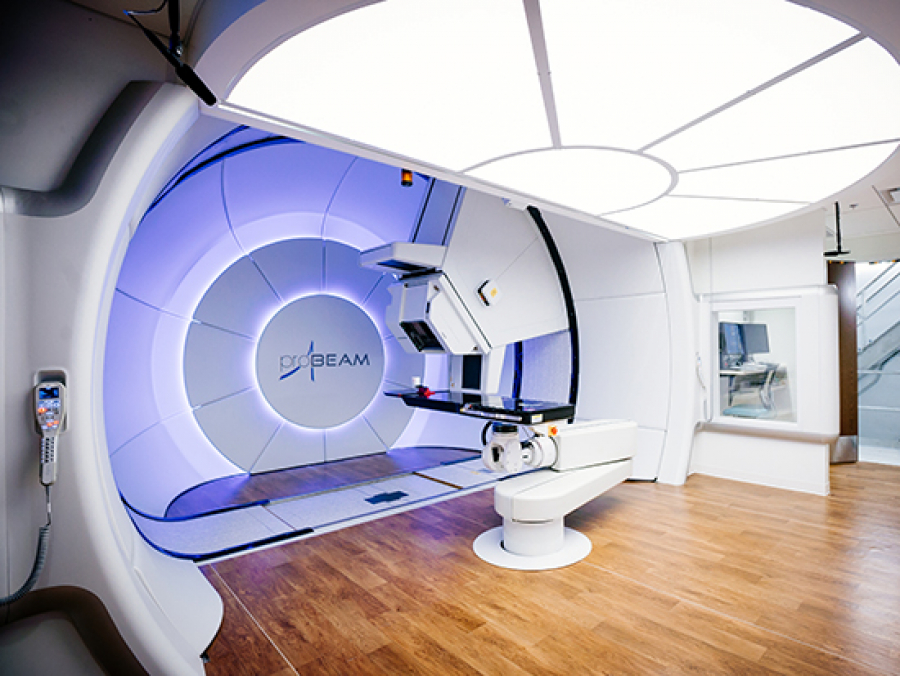
Because the beam of photons is so tightly focused, proton therapy has little effect on surrounding healthy tissue, making it especially beneficial for young patients.