Division of trauma surgery
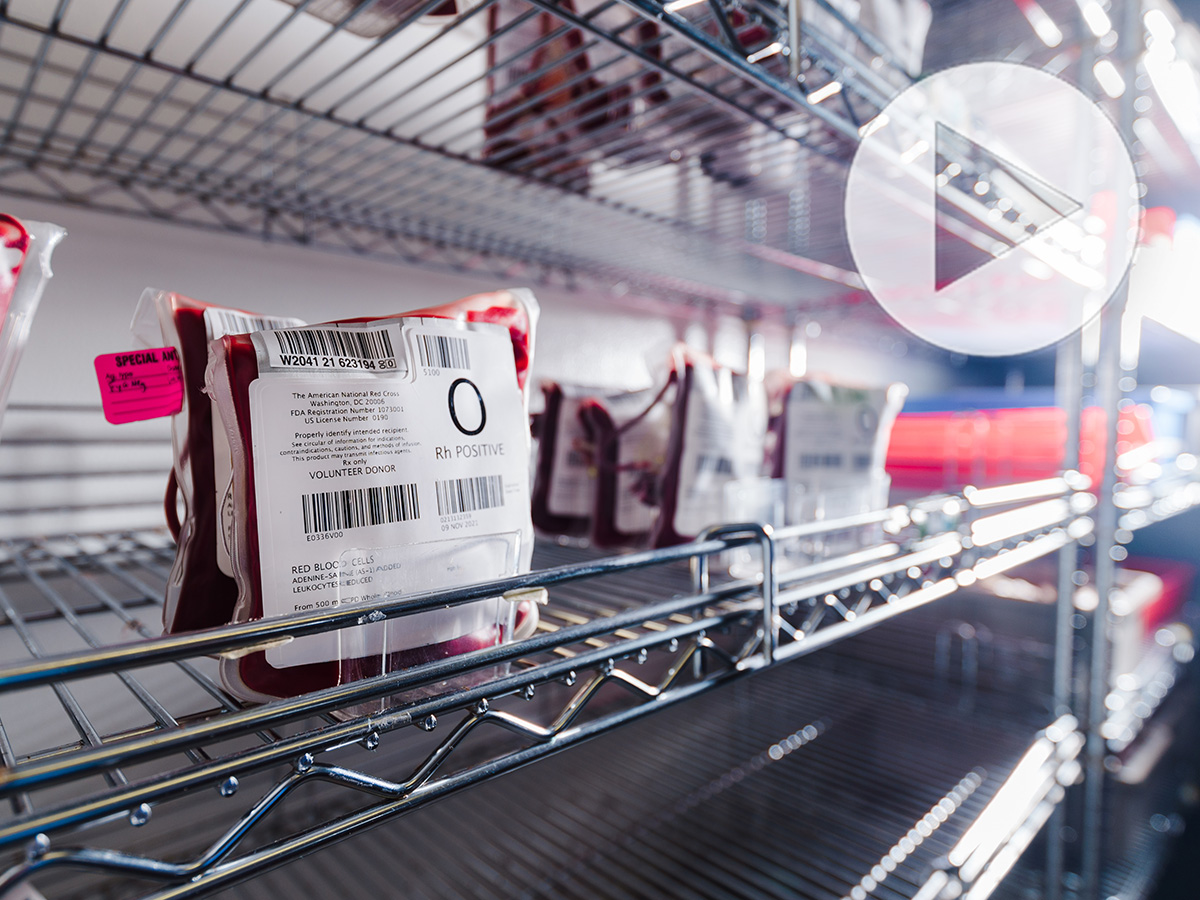
After a devastating car accident, Garry Taylor, 71, had nearly a zero percent chance of survival. Pre-hospital blood extended his survival to allow him to get the lifesaving care he needed at UAB Hospital.
A UAB expert provides recommendations on how to drink responsibly during the holidays.
Experts at UAB are providing insight into some of the top preventable injuries they see on a regular basis and some practical advice for how to avoid them.
This pilot program will work to address trauma resource accessibility and improve upon the care offered in rural emergency departments.
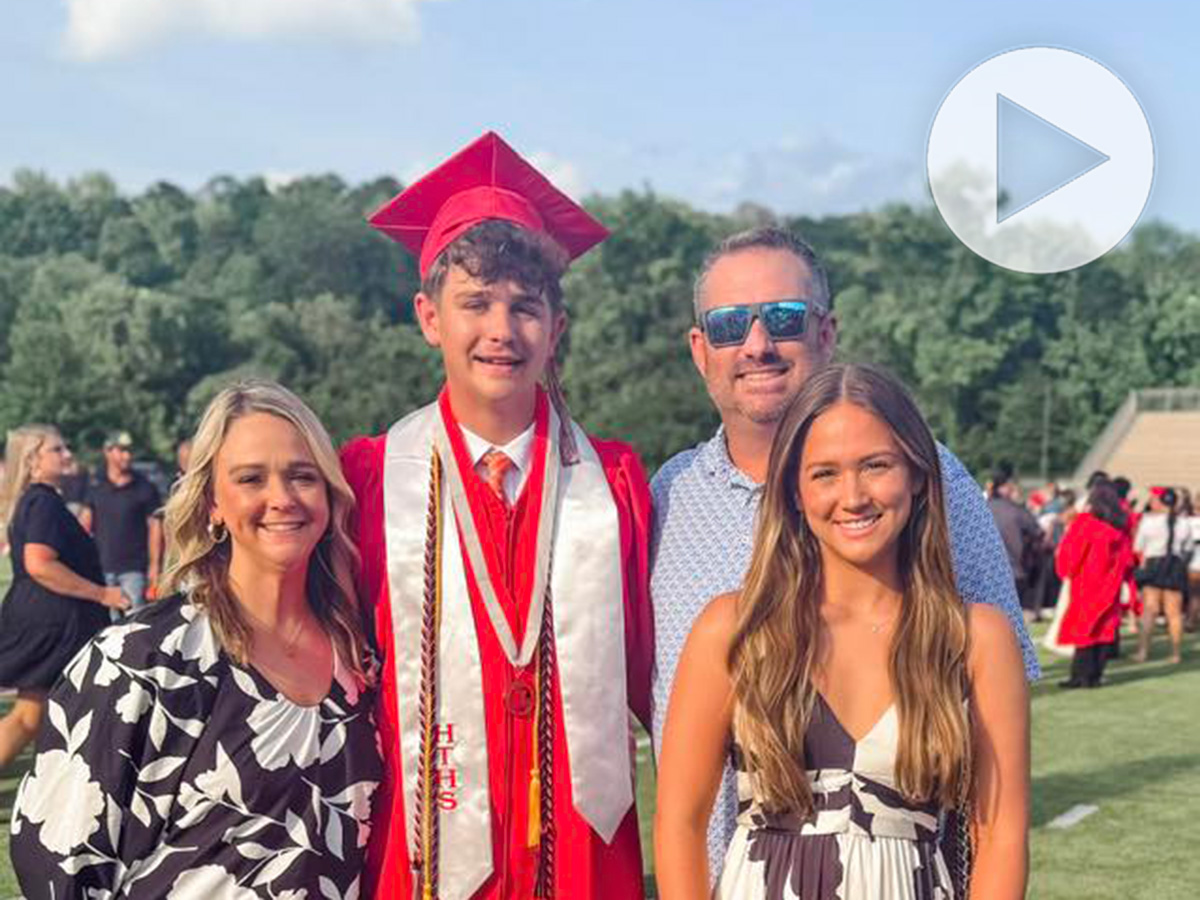
Two years after traumatic brain injury, Grayson Pope continues to make great strides during recovery
More than two years ago, 19-year-old Grayson Pope was fleeing a pop-up storm while playing golf with friends when a large tree collapsed on his golf cart. He suffered hundreds of brain bleeds, brain stem damage and swelling on his brain.
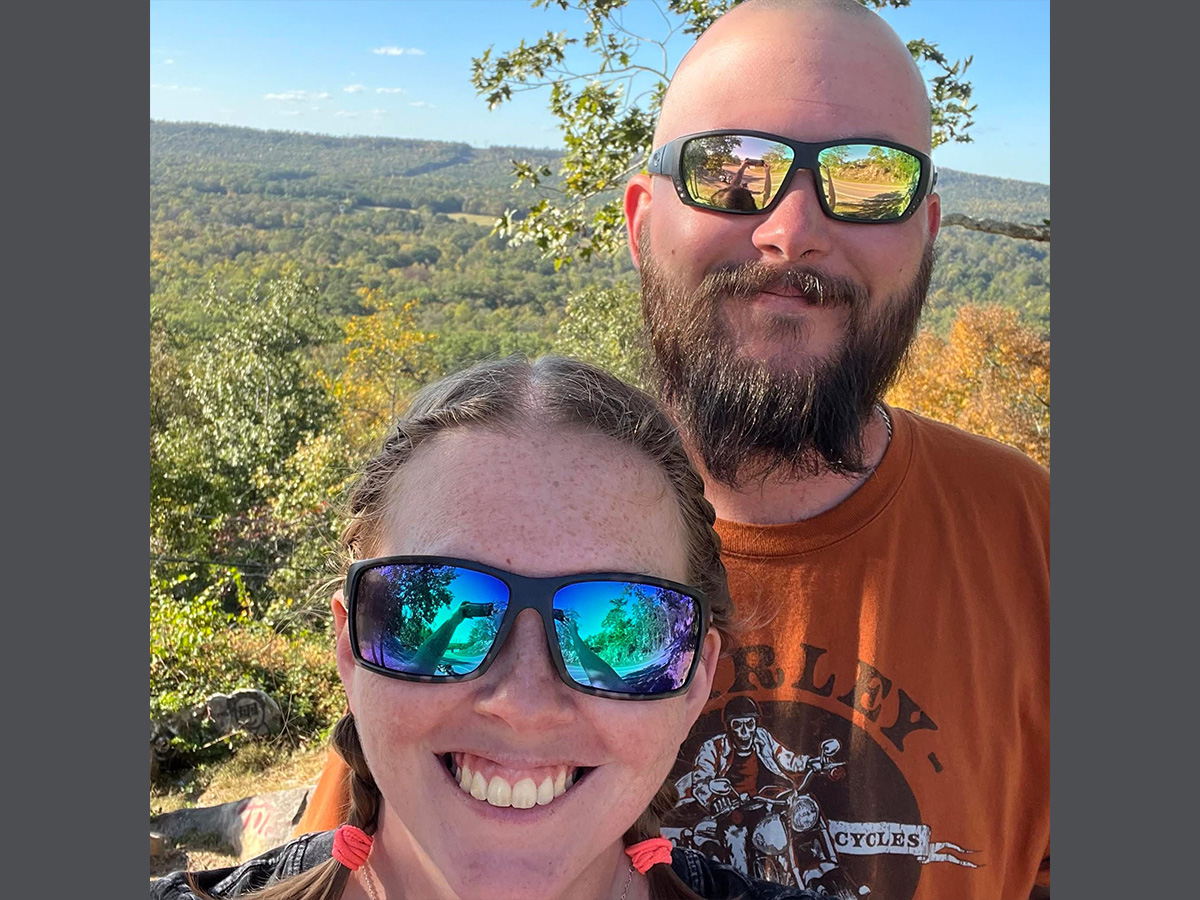
After a motorcycle accident, Kristen Davison had a traumatic brain injury that involved facial fractures and bleeding in and around the brain.
Level I trauma centers are equipped to provide total care of trauma patients — from injury through rehabilitation.
Preliminary evidence suggests that teletrauma programs are associated with improvements in the quality of initial trauma care, shorter transfer time to advanced trauma centers for severely injured patients and decreased rates of potentially unnecessary transfers to advanced trauma centers, which leads to substantial cost savings.
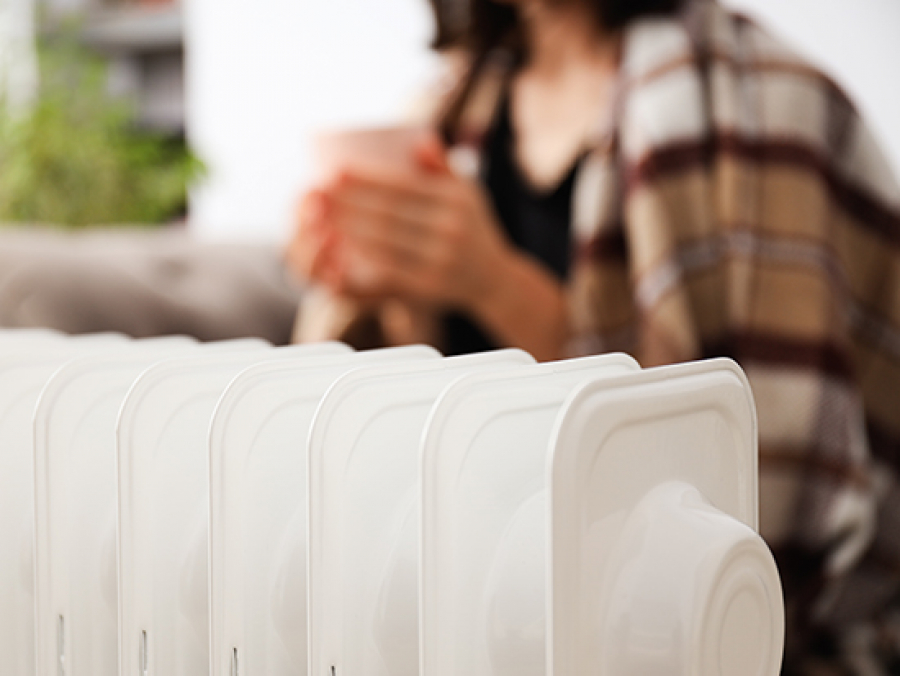
UAB trauma experts provide safety advice on space heaters and heated blankets alongside tips for how to dress warmly to prevent illness during the winter months.
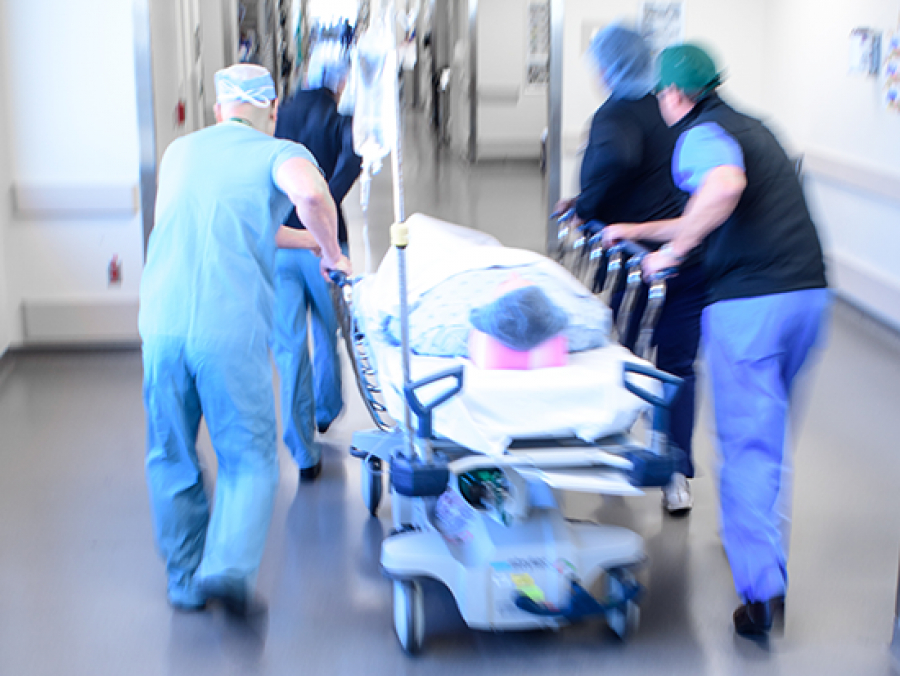
In addition to providing excellent trauma care, UAB surgeons continue to establish innovative programs to better improve trauma care in Alabama.
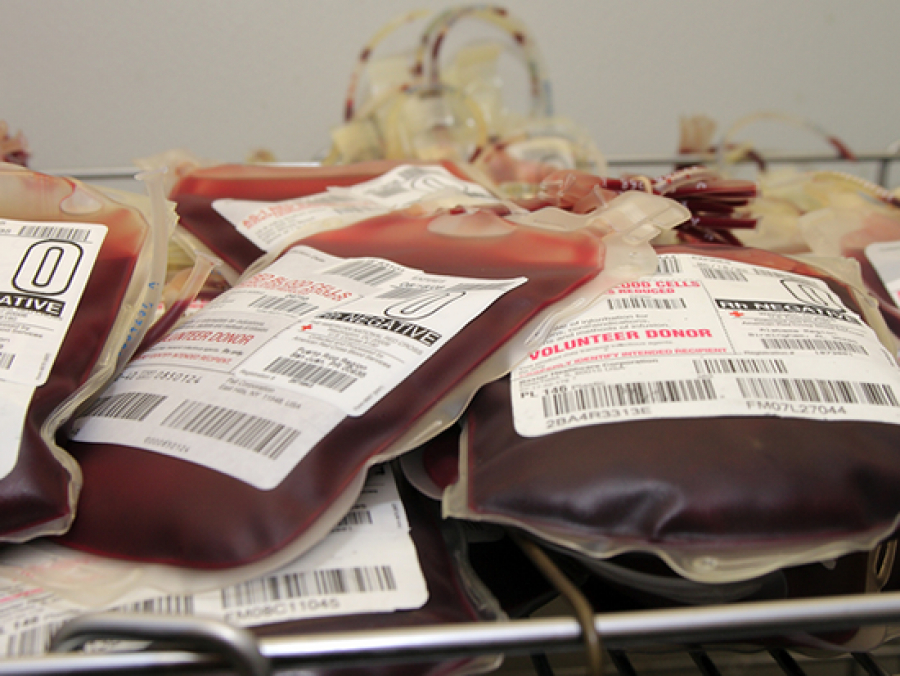
Alarmingly inadequate supply of blood, economic disparity and logistics among many factors playing a role in fueling shortage.
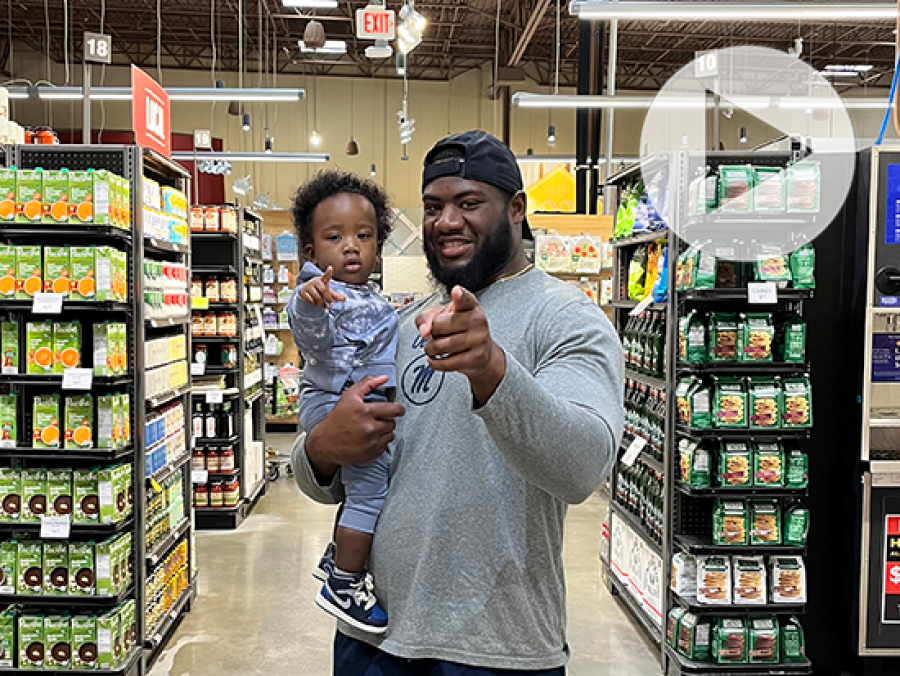
After having a below-the-knee amputation, former SEC football player Ka’Darian Hill is using his story to motivate and inspire others.
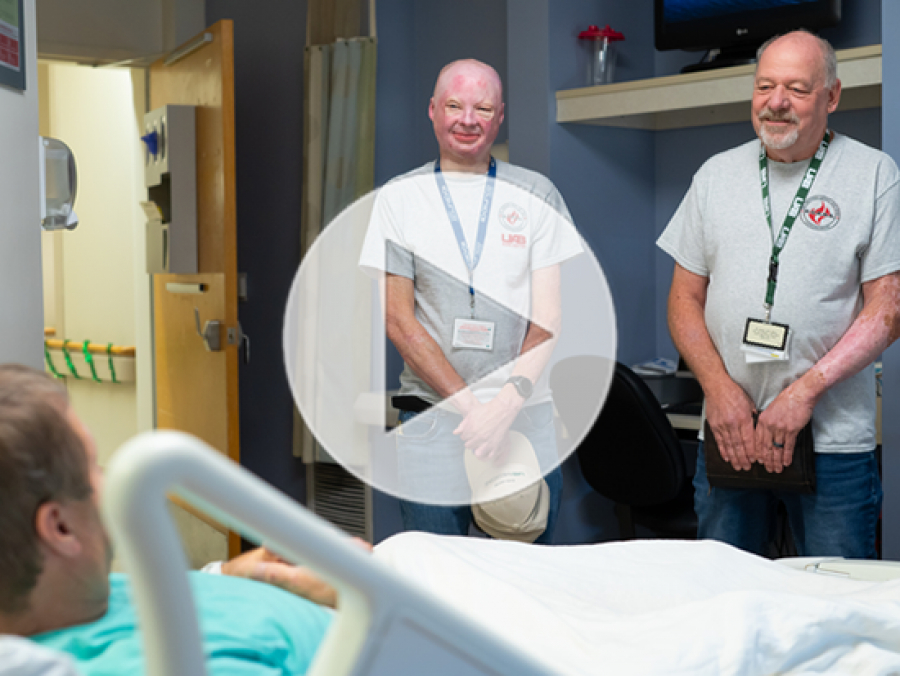
Burn survivor who received innovative “spray-on skin” treatment now giving back to UAB burn patients
Williams has now mentored more than 30 burn patients as they continue in their recovery.
The world’s first clinical trial of Resuscitative Endovascular Balloon Occlusion of the Aorta found that patients treated with REBOA were more likely to die than those who did not undergo REBOA.
Trauma patients rushed to a hospital often find that the clothes they were wearing do not survive their medical emergency. A UAB medical student is working to provide discharge with dignity.
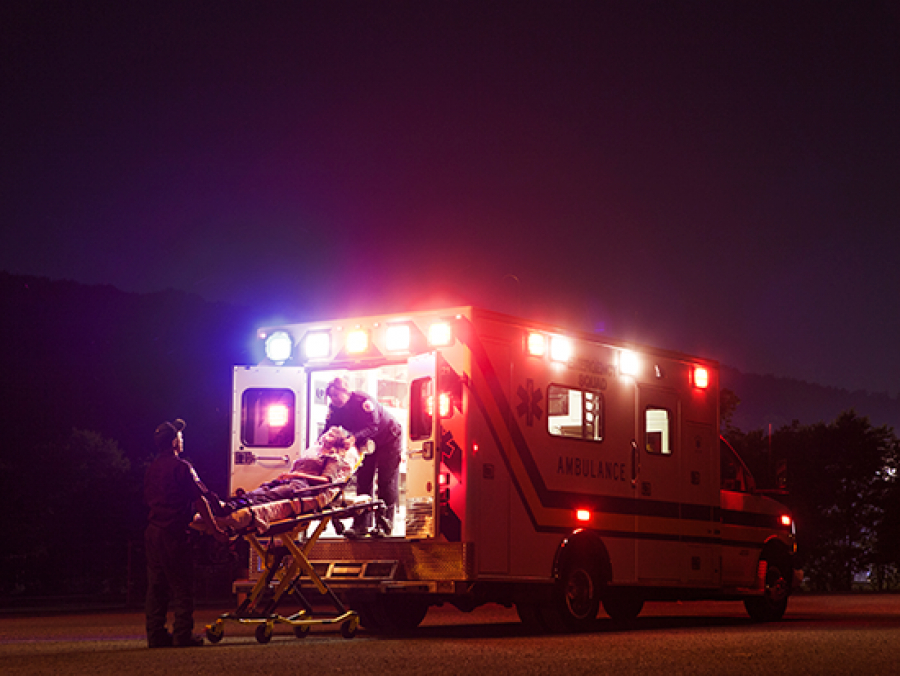
Social media has been a useful tool to inform a community about research studies that are exempt from informed consent protocols.
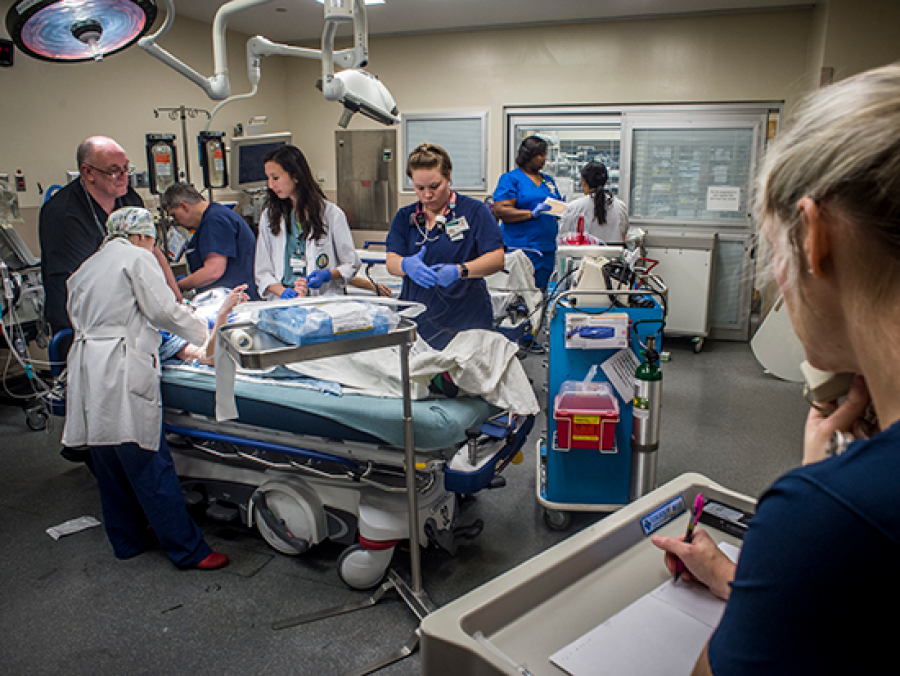
UAB Hospital re-verified as a Level I Trauma Center, marking 23 years of holding that designation.