Key Insights
A UAB study found that while Birmingham’s highest-risk cardiac arrest neighborhoods may have enough AEDs on paper, many devices are inaccessible or poorly maintained, limiting lifesaving use during out-of-hospital cardiac emergencies.
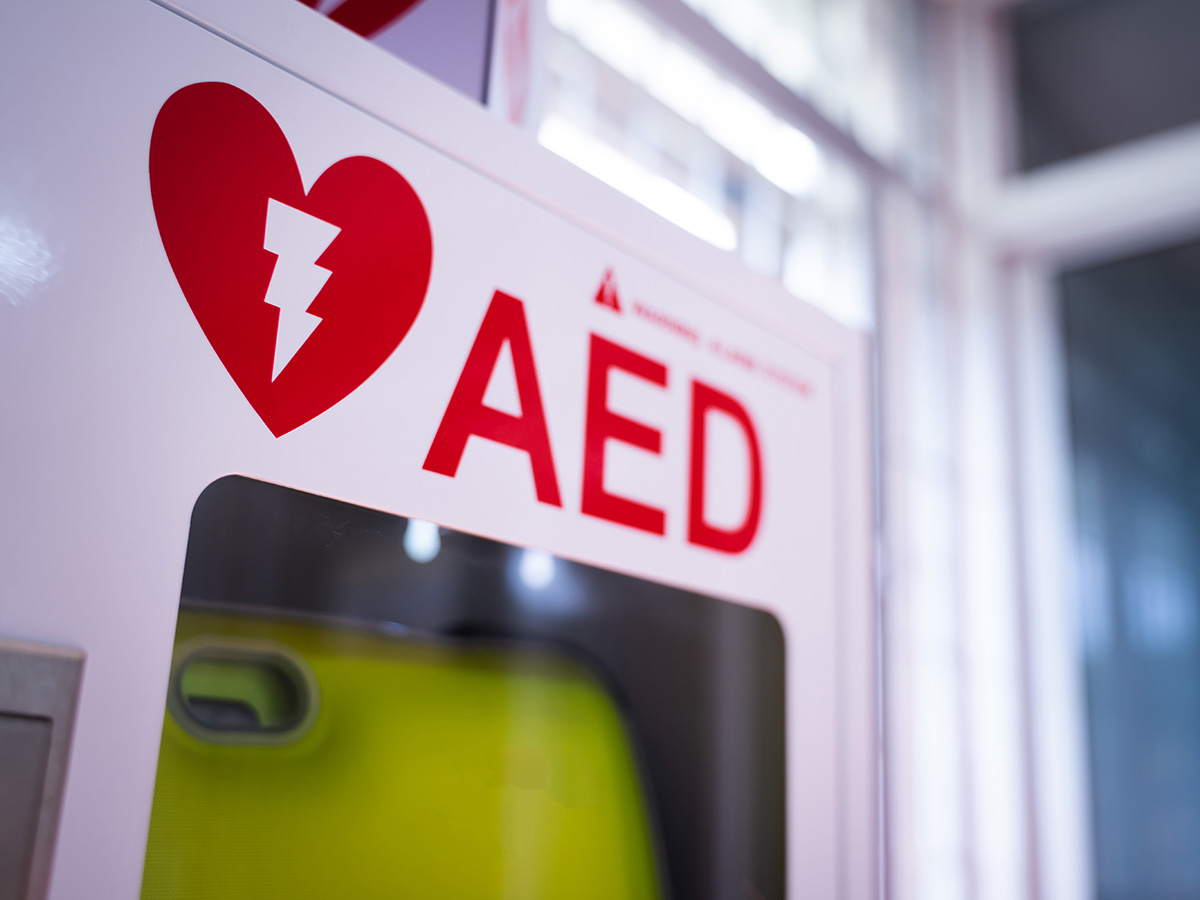 A UAB study reveals that limited access to automated external defibrillators in Birmingham neighborhoods at highest risk for out-of-hospital cardiac arrest may affect survival outcomes and provides a model for improving emergency preparedness in communities beyond central Alabama.Out-of-hospital cardiac arrests, or OHCAs, are one of the leading causes of mortality in the United States. In a study published in the American Heart Association’s journal Circulation: Population Health and Outcomes, researchers from the University of Alabama at Birmingham Department of Emergency Medicine found that reduced automated external defibrillator availability, accessibility and usability in Birmingham neighborhoods at the highest risk for OHCA may substantially affect survival rates.
AEDs are lifesaving devices used to treat sudden cardiac arrest. AEDs analyze the heart’s rhythm and, when needed, deliver a shock to restore a normal heartbeat. Studies show, for every minute of cardiac arrest without a shock, the chance of survival decreases by approximately 10 percent. This makes AED access crucial to improving survival outcomes.
However, AEDs are often unavailable when and where they are most needed. Research suggests that AEDs are rarely used by bystanders in Birmingham, even less so in neighborhoods most at risk for out-of-hospital cardiac arrest.
Ryan Coute, D.O., senior author and associate professor in the UAB Department of Emergency Medicine, says only about 3 percent of people survive an out-of-hospital cardiac arrest in Birmingham.
“We wanted to understand why AEDs are not being used more often, which led us to investigate the important question of whether AEDs are actually available in the neighborhoods where cardiac arrests are happening,” Coute said. “This study was designed to answer that question and help identify opportunities to improve survival in our community.”
Utilizing a geospatial analysis of OHCAs in the Birmingham Cardiac Arrest Registry to Enhance Survival from years 2020 through 2023, the local emergency response data allowed researchers to pinpoint the three Birmingham neighborhoods with the highest rates of cardiac arrest. Researchers were then able to collect data on the observed density of publicly usable AEDs in the area.
The study found that these neighborhoods actually have more AEDs than expected; however, many are either not available when people are most likely to need them or have ineffective components.
“We contacted nearly 300 sites to determine whether an AED was available and visited locations with reported AEDs to verify that the device was present and working,” Coute said.
Results revealed a total number of 56 AEDs at 43 locations of the 284 that were contacted and agreed to provide data. Of these, one-third of AEDs were not accessible to the public and zero were available 24 hours a day. Furthermore, nearly one in five publicly accessible AEDs had maintenance issues, such as expired batteries or pads, that could limit their effectiveness in an emergency.
“One of the most important findings was that, while the number of AEDs appeared adequate on paper, their real-world availability was much lower because many devices were located inside businesses or buildings that were closed during evenings and weekends,” Coute said. “When we accounted for these limited access hours, the effective availability of AEDs dropped by more than threefold and fell below recommended benchmarks.”
The study findings suggest that improving public access, routine maintenance, visibility and community education may be just as important as placing additional AEDs in neighborhoods at highest risk for cardiac arrest.
“The results challenge the assumption that Birmingham’s low rate of bystander AED use is simply due to a lack of devices,” Coute said.
Timothy Smith, a third-year UAB medical student, served as first author, noting that this study will ideally highlight the importance of AED maintenance and accessibility.
“We hope to work with community partners to ensure that AEDs are accessible and maintained for lifesaving work,” Smith said.
Smith hopes the study’s findings will encourage AED placement in locations with greater public access; foster greater attention to the preservation, upkeep and operational readiness of existing AEDs; and raise awareness of their importance beyond Birmingham.
“Even through simple actions, such as becoming familiar with the AEDs available in places people frequently visit, this study underscores the importance of emergency research in communities beyond Birmingham,” Smith said.