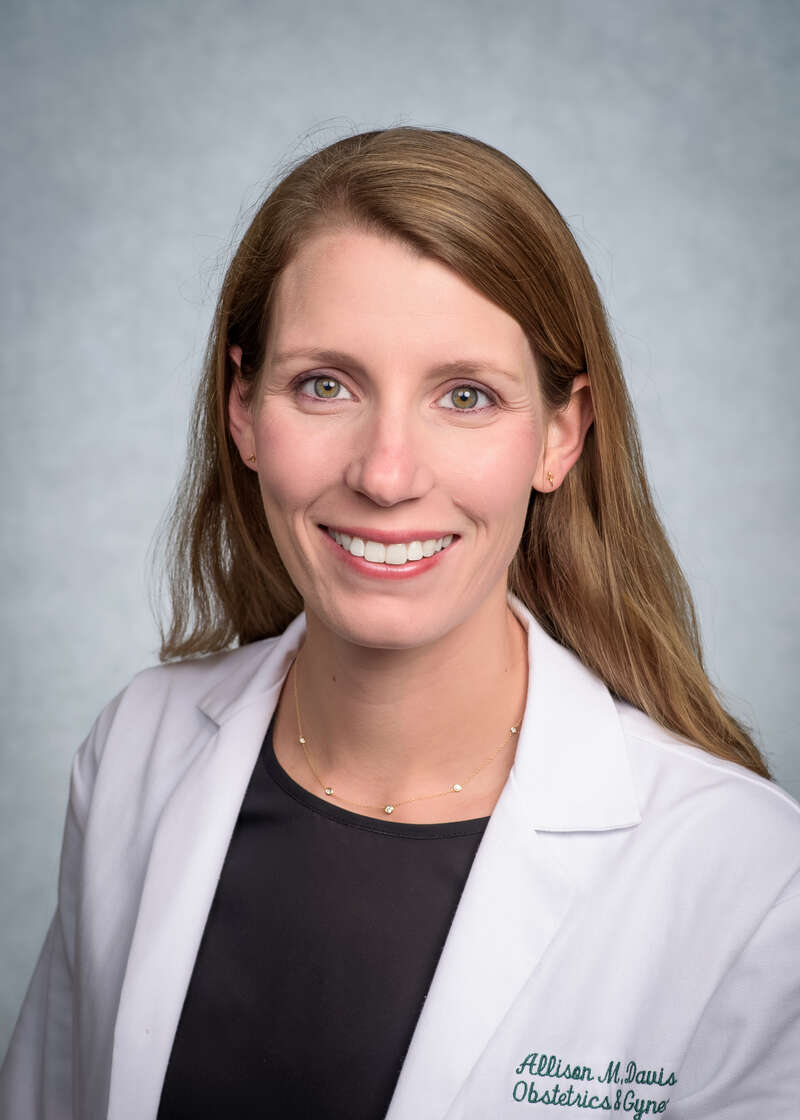
 Allison Davis, M.D.The holiday season can be a whirlwind of activity — shopping, cooking and traveling — but for pregnant women, all this hustle and bustle can exacerbate the discomfort of varicose veins, a common and often distressing symptom of pregnancy.
Allison Davis, M.D., assistant professor in the University of Alabama at Birmingham Department of Obstetrics and Gynecology, highlights that previous studies indicate that as many as 20 percent to 50 percent of expectant mothers may experience these swollen veins.
“Higher levels of progesterone, which relaxes blood vessel walls and decreases valve function, increased blood volume, and pressure from the pregnant uterus impeding normal blood flow from the pelvic region and legs all play a role,” Davis said. “These changes can lead to heaviness, itching, throbbing, swelling or even nighttime leg cramps.”
While varicose veins are often dismissed as a cosmetic annoyance, Davis notes that they can indicate deeper circulation problems. “Varicose veins can be associated with venous insufficiency and increased risk of deep vein thrombosis, or a blood clot,” Davis said.
Bleeding, skin ulcerations or pain, as well as redness and swelling in a leg, are symptoms that should prompt a medical evaluation. An ultrasound can help check for blood flow abnormalities or blood clots.
Holiday schedules may be packed, but minor adjustments can help keep legs comfortable.
“Pregnant women are encouraged to avoid standing or sitting in one place for a long period to promote healthy circulation,” Davis said.
Davis advises elevating the legs, exercising regularly, sleeping on the left side, limiting sodium intake and wearing compression stockings.
While stockings may not prevent varicose veins from appearing, they still make a difference.
“There is good evidence that they reduce swelling in the legs, improve symptoms related to varicose veins and decrease the incidence of long saphenous vein reflux,” Davis said.
Some women may also be more susceptible than others.
“Obesity, other medical comorbidities and family history of varicose veins may put women at increased risk for developing varicose veins during pregnancy,” she said.
The good news, according to Davis, is that most varicose veins improve after delivery. But if symptoms persist, relief is available.
“If patients have persistent symptoms, particularly pain, related to varicose veins that do not improve within three to six months postpartum, they should reach out to their provider,” Davis said.
Those whose varicose veins continue to cause discomfort or cosmetic concerns can be evaluated at the UAB Vein Clinic, where treatment options may include laser therapy or surgery.