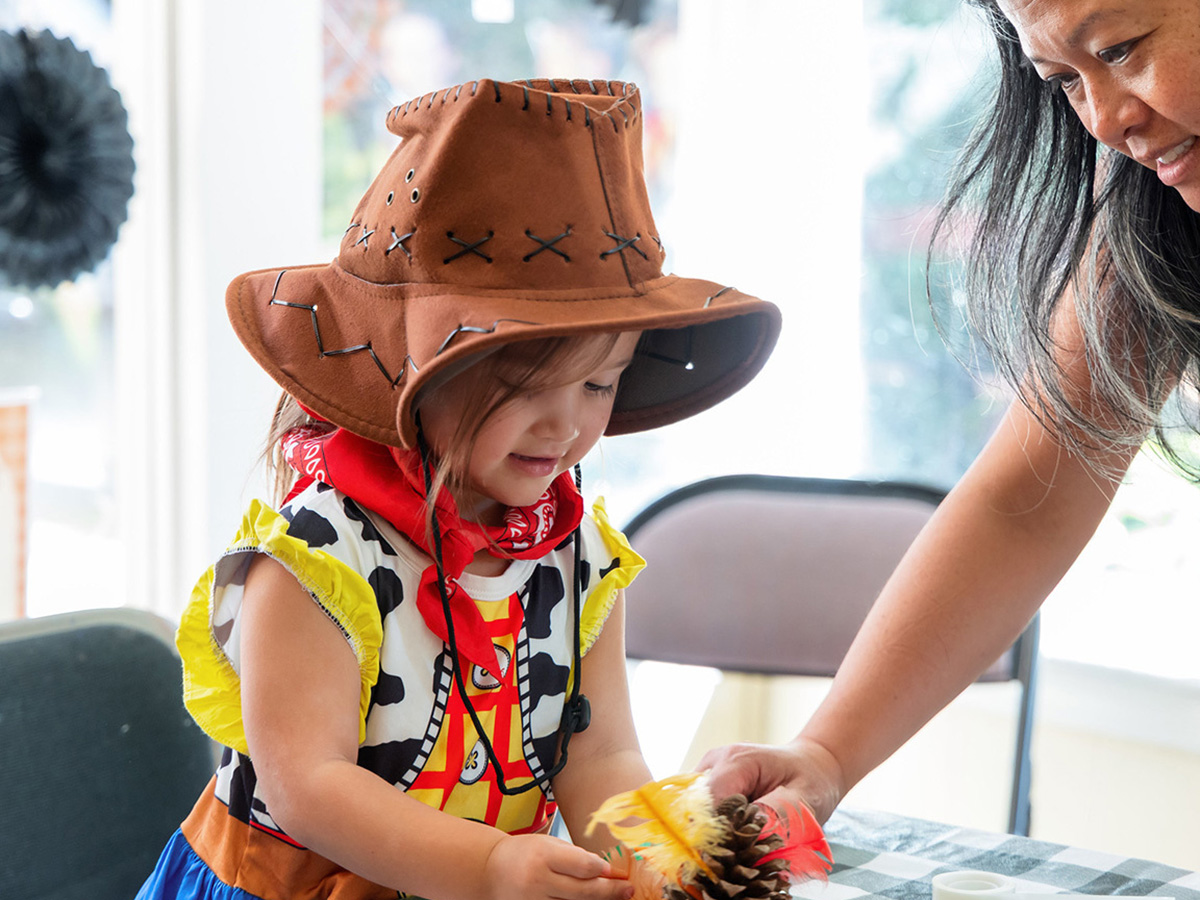
 UAB pediatric experts offer practical tips to help families navigate sensory challenges and create a more comfortable, inclusive Halloween experience.Flashing lights, unfamiliar costumes and unexpected sounds can make Halloween overwhelming for children with sensory sensitivities. Experts at the University of Alabama at Birmingham share ways families and communities can make Halloween more comfortable and inclusive.
“The goal isn’t necessarily to avoid Halloween, but to identify those potential barriers and provide accommodations that allow each child to participate comfortably,” said Michele Kong, M.D., professor in the UAB Department of Pediatrics’ Division of Pediatric Critical Care.
What are good costume options for a child with sensory issues?
Costume materials, masks and makeup can cause discomfort for children with sensory sensitivities. Parents should prioritize comfortable fabrics, consider fit and texture, and allow children to try on costumes before Halloween.
“Parents should involve their child in choosing a costume. Children are often more motivated to wear a costume if they help pick it out themselves,” said Kimberlly Stringer, M.D., associate professor in the UAB Division of Developmental-Behavioral Pediatrics.
How do I prepare my child with sensory issues for trick-or-treating?
Kong and Stringer recommend using visual schedules or social stories to familiarize children with Halloween activities. Parents can take several steps to prepare:
- Practice beforehand: Walk trick-or-treating routes during daylight and discuss potential sensory triggers.
- Pack sensory tools: Bring noise-reducing headphones, sunglasses, fidgets or familiar comfort items.
- Plan for breaks: Identify quiet spaces and establish an exit plan if activities become overwhelming.
“Understand your child’s sensory needs, make accommodations when needed, and always have a backup plan if a Halloween activity becomes too overwhelming,” Stringer said.
What are signs of sensory overload?
Children may communicate discomfort by covering their ears or eyes, becoming unusually quiet, crying, or attempting to leave. Parents should recognize these behaviors as potential signs of sensory overload and offer breaks or move to quieter environments.
“One key point is not to automatically interpret these responses as ‘difficult behavior,’” Kong said. “Sometimes what we are seeing is a person communicating that the sensory demands of the environment have become too much.”
What are alternative celebrations for Halloween?
Families can consider alternatives to traditional trick-or-treating, such as decorating pumpkins, organizing indoor candy hunts or visiting a few familiar neighbors. Arriving early at community events and bringing a trusted adult can help accommodate children with different needs.
How can neighborhoods be inclusive for children with sensory issues?
Neighbors can help create a sensory-friendly environment by limiting flashing lights and sudden noises, offering non-food treats, and allowing children to participate without requiring oral communication or eye contact.
Ultimately, families should prioritize each child’s comfort and enjoyment rather than following traditional Halloween expectations.
“Follow the child, not the tradition,” Kong said. “Halloween doesn’t have to look a certain way.”