Key Insights
Sargent has now been in remission since June of 2026 and shares her experience with others in hopes that it can serve as a light to others and help them understand the realities of a cancer diagnosis.
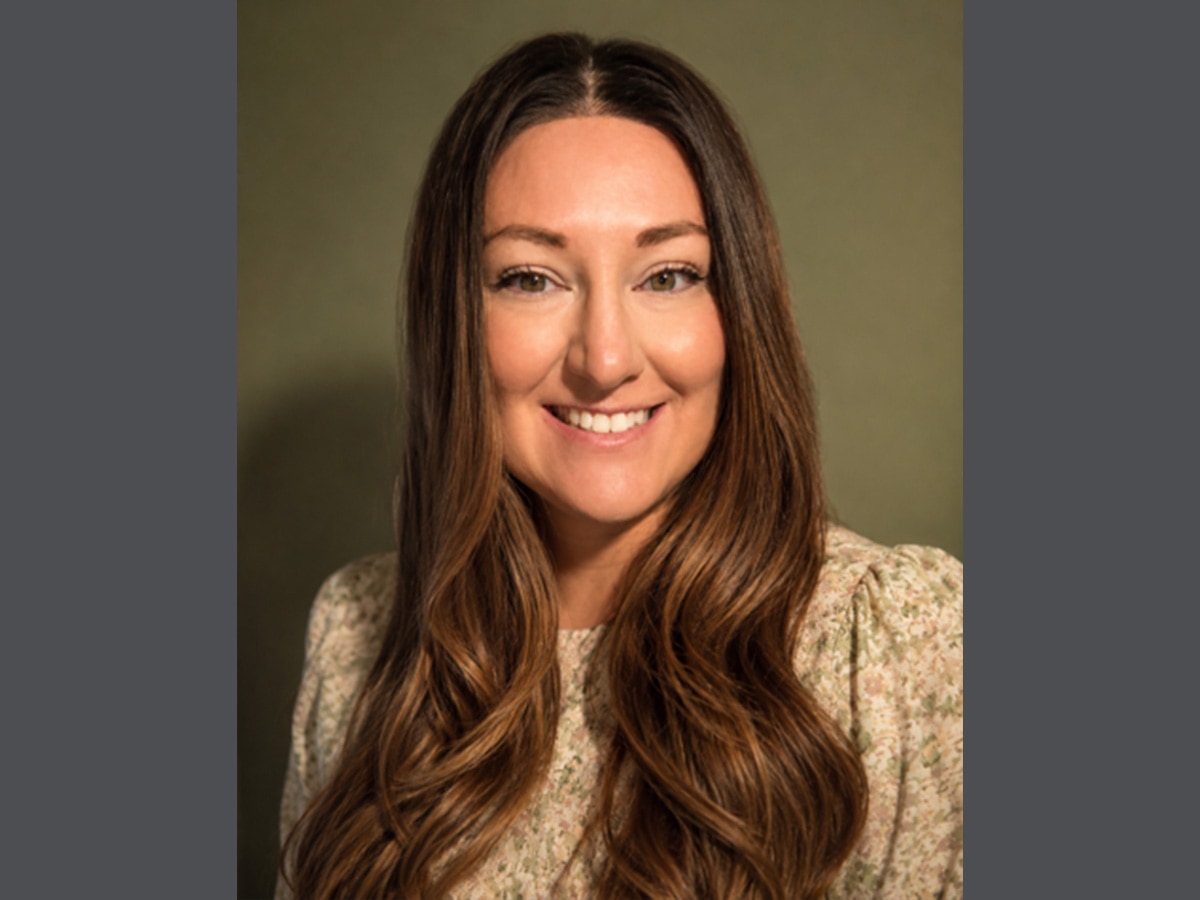 Sargent has now been in remission since June of 2026 and shares her experience with others in hopes that it can serve as a light to others and help them understand the realities of a cancer diagnosis.At 35 years old, Amber Sargent never expected to hear the words, “you have cancer.” But in September 2025, the single mother of two received a stage 2 breast cancer diagnosis that would launch a challenging journey marked by surgery, chemotherapy and radiation treatment.
After discovering a lump during a self-exam, Sargent sought medical attention and was referred to specialists at UAB St. Vincent’s Birmingham. Following imaging and a biopsy, she received the diagnosis that changed her life.
“I remember I was at work when I got the call, and I was in total shock,” Sargent said. “I did not fully process this diagnosis until I was off the phone, and then I broke down. Hearing the words ‘you have cancer’ at 35 years old is not something I ever expected to hear.”
As a single mother, her focus quickly shifted from herself to her children, who were 12 and 8 years old at the time.
“Hearing the words ‘you have cancer’ at 35 years old is not something I ever expected to hear,” said Amber Sargent.
“My first thought was how am I going to take care of my children,” Sargent said. “I work full time, and it felt like this was going to be an impossible task; but my family, friends and healthcare providers immediately stepped up to help me get through it all.”
Sargent’s experience reflects a growing trend nationwide. While most breast cancer diagnoses occur in older women, rates among women younger than 45 have steadily increased.
Sargent knew she had a long journey ahead of her but says her faith in God and her children kept her going during both the good and bad days. By the time Sargent had her double mastectomy in January of 2026, her tumor had already doubled in size. Following the double mastectomy, Sargent received chemotherapy at UAB St. Vincent’s Birmingham and radiotherapy at UAB St. Vincent’s East Cancer Treatment Center.
Sargent was treated with a state-of-the-art radiotherapy system designed to specifically target cancer cells while sparing the surrounding healthy tissues, leading to fewer short-term and long-term side effects.
At UAB St. Vincent’s East, Sargent was treated with a state-of-the-art radiotherapy system designed to specifically target cancer while sparing the surrounding healthy tissues. The clinic follows National Comprehensive Cancer Network guidelines and modern research to deliver fewer, higher-dose fractions to achieve equivalent or superior clinical outcomes with fewer side effects.
“With this technology, we are able to administer radiation with extremely high precision,” said Jessica Gray, an oncology nurse at UAB St. Vincent’s East Cancer Treatment Center. “This significantly mitigates short-term side effects, such as severe skin burns and irritation, and long-term complications, including rare cardiac issues or secondary cancers.”
Now cancer-free and back at work at Hewitt-Trussville High School, Sargent hopes sharing her story will encourage others facing a diagnosis.
“Although my diagnosis was very hard, I felt like the Lord was telling me that he was going to use my situation to encourage others, and that kept me going,” Sargent said. “If anyone is currently experiencing a cancer diagnosis and is feeling discouraged, I would tell them to take it one day at a time. The future with a cancer diagnosis can be very overwhelming, so just focus on the one step you can do today to help yourself get through this.”