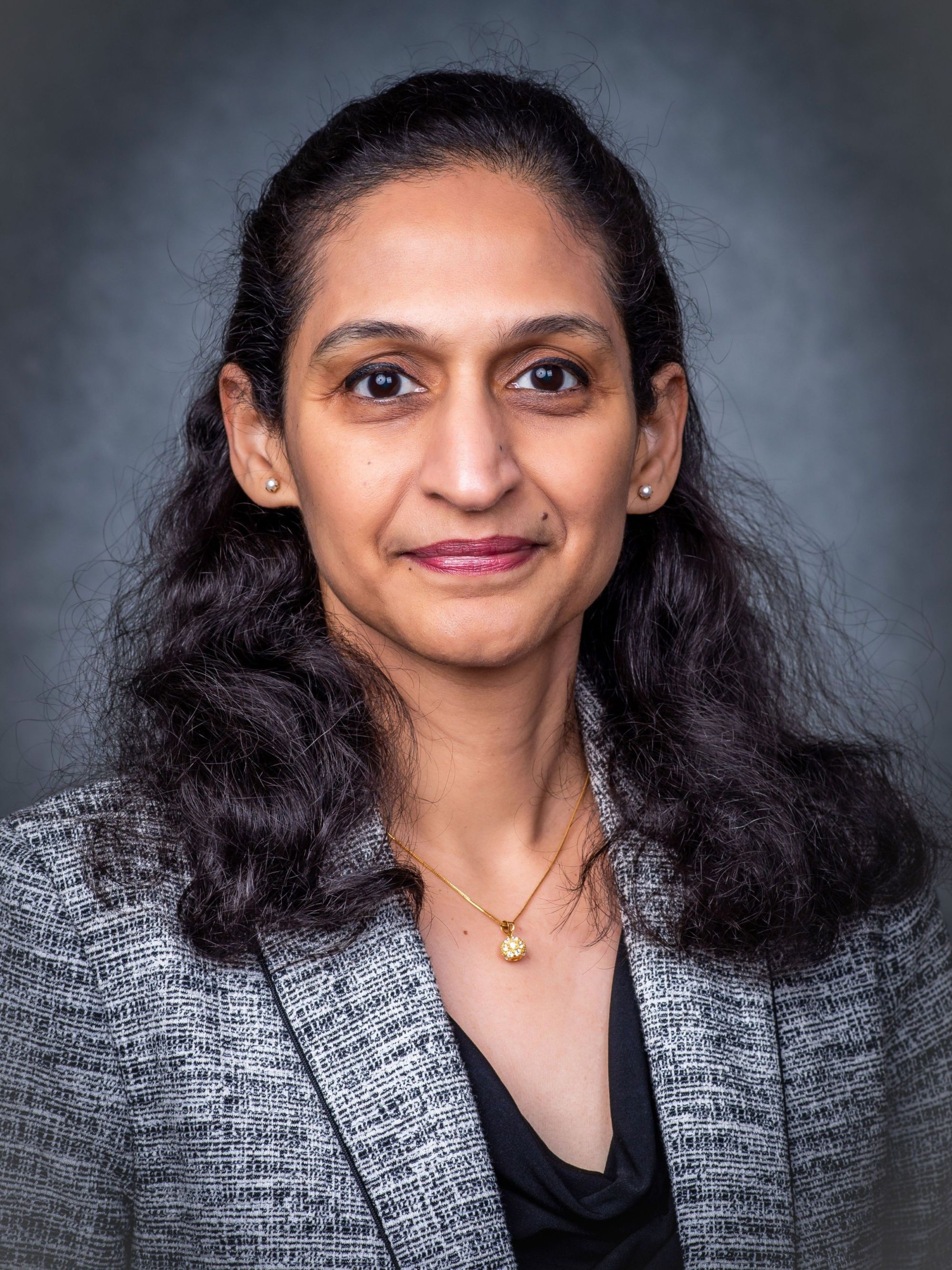
 Dr. Lalita Shevde-SamantCancer is a leading cause of morbidity and mortality in the United States, and Alabama ranks second nationally in cancer-related deaths. Despite rapid advances in cancer biology, diagnostics, and treatment, student engagement in cancer research and matriculation into careers in cancer research is limited, often due to minimal exposure to cancer-related content in secondary education.
Over the past five years, the Roadmap for America’s Cancer Explorers for the 21st Century, or RACE21, has developed and implemented a structured, multi-stage pathway to introduce students to cancer biology and research careers. Led by Lalita Shevde-Samant, Ph.D., a professor in the Division of Molecular and Cellular Pathology and senior scientist in the O’Neal Comprehensive Cancer Center, and J. Michael Wyss, Ph.D., a professor in the Department of Cell, Developmental and Integrative Biology and director of the Center for Community OutReach Development, or CORD, RACE21 integrates academic enrichment, research training, and wellness support to prepare students for sustained engagement in cancer research. RACE21 began in 2020 and was recently renewed for five more years by the National Cancer Institute. The $2 million funding will run throug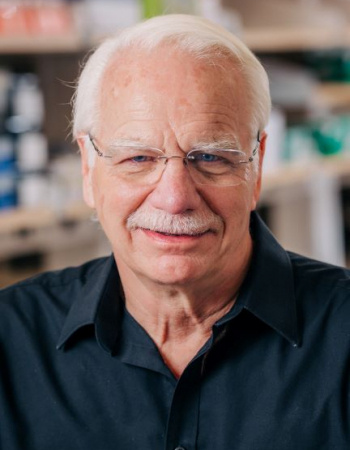 Dr. J. Michael Wyssh 2031.
“RACE21 specifically aims to develop high school students who will be eager to enter an undergraduate major related to cancer biology and become leaders in cancer research,” said Shevde-Samant. “The goal is to train and resource all students in RACE21 to be eager to effectively communicate to families, communities, and the public an awareness of cancer causes, preventions, treatments, clinical trials, and cures with an excitement and eagerness to conquer cancer in their lifetimes.”
Key components of RACE21 include early exposure to cancer biology in grades 7-9 through BioBridge, a summer course for rising 9th grade students, and GENEius cancer learning modules. Progressive research internships and mentorship start for students in grade 12 and continue through their undergraduate careers. Additionally, wellness training, including emotional, financial, and physical, to support persistence in academic and research success, and science communication training to equip students to engage families and communities in cancer awareness, are integral offerings of the program.
The program is supported by strong partnerships with the UAB Undergraduate Cancer Biology program, the first of its kind in the nation, the O’Neal Comprehensive Cancer Center, and CORD. Together, these partners provide a robust infrastructure for hands-on, inquiry-based learning and mentorship.