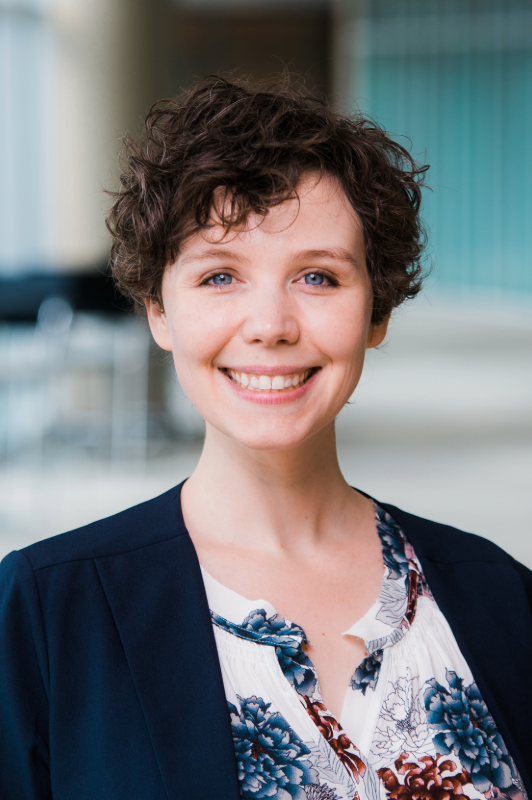
 Julienne Carstens, Ph.D.In 2023, UAB obtained a Lunaphore COMET™ platform, which assists researchers in the examination of many proteins and mRNA transcripts on histological tissues. The investment in this technology was made by the O'Neal Comprehensive Cancer Center at UAB and the Heersink School of Medicine Immunology Institute and I-4ward research focus area.
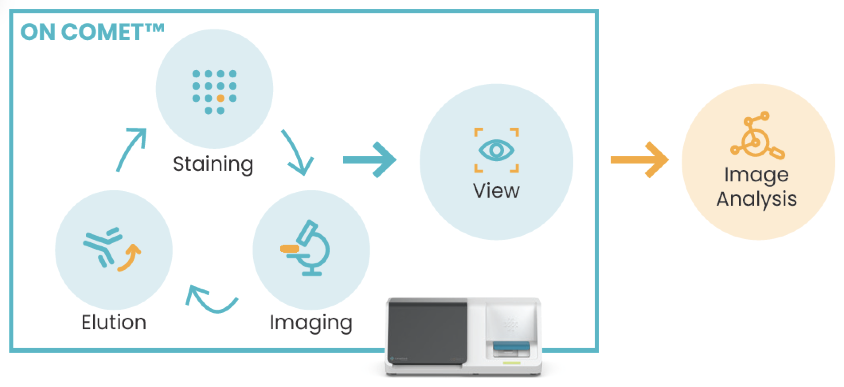
The COMET is an advanced imaging platform that combines automated staining technology with fluorescent microscopy. It allows researchers to examine several proteins in a single tissue sample at once, giving them a much more detailed view of what cells are present, what those cells could be functionally doing, and where they are located within the tissue. Some researchers at UAB have analyzed up to 50 proteins.
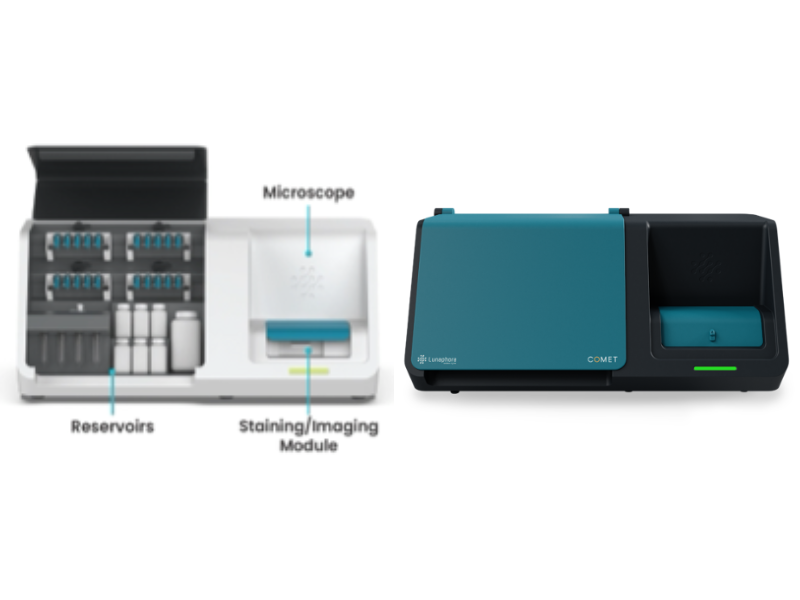 “It allows us to do immunofluorescence in bulk and to look at multiple different antibodies all at the same time on the same slide,” said Julienne Carstens, Ph.D., assistant professor in the Department of Medicine, Division of Hematology and Oncology. “Instead of it taking someone like myself a week to stain a seven-color panel, the COMET can stain dozens of antibodies in just a couple of days.”
 Carstens studies pancreatic cancer and how those cancer cells behave differently after spreading to other organs. When looking at multiple tissue sites that differ widely, determining how to target the microenvironment can be difficult. With the COMET, Carstens and her team are able to see a more complete picture, identifying different immune cells, determining where those cells are located, and understanding how they interact with cancer cells over time and space. UAB researchers are also using the platform to study kidney disease, heart disease, and more. Due to high demand, UAB is in the process of obtaining a second COMET machine, allowing more investigators to use the technology in their research.
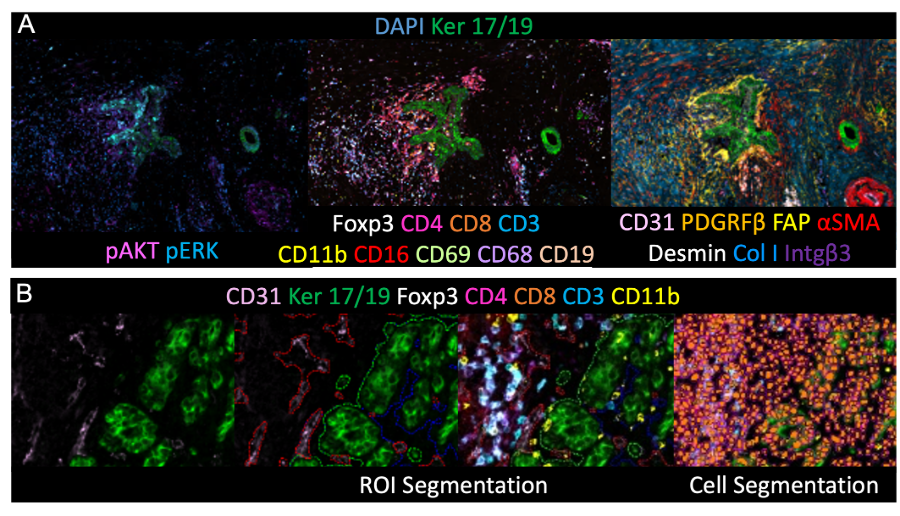 UAB selected the COMET to further support the rapidly growing field of spatial biology, which studies how cells are organized and interact with one another within tissue. “We can analyze where everything is and map it out,” said Carstens. “If you think of the tissue as a city, spatial biology shows us where the roads, buildings, and people are.”
While other platforms are being developed for spatial research, the COMET offers a more streamlined process. “With other companies, you need to buy special antibodies or conjugate them to special fluorophores,” said Carstens. “The COMET uses what we call ‘off-the-shelf’ antibodies. We can use them directly from any manufacturer, load them into the machine, and get our images out without any other pre-processing.”
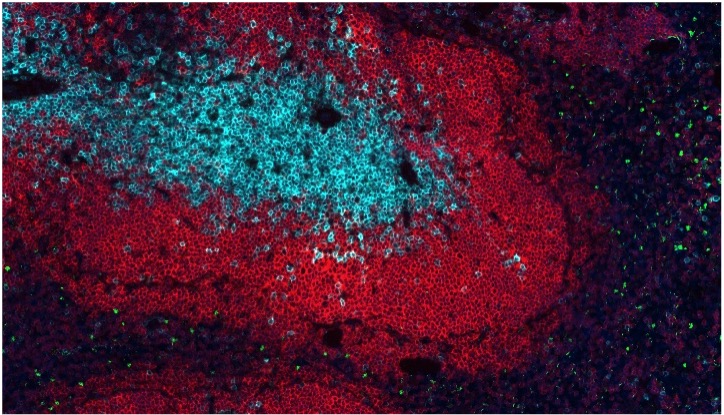 While the technology is still new, the potential for innovation is prominent. Carstens envisions a future where COMET findings can be paired with AI algorithms to help predict cell behaviors and how patients’ bodies might respond to treatment. Those predictions can then help researchers better understand the conditions themselves.
“The COMET allows us to identify all the players in the story,” said Carstens. “Before, we were looking at a black-and-white picture, but now we have so much more information. Based on what I see with the COMET, can I predict what's going to happen in your tumor? That’s the kind of stuff that I'm really excited about.”