Five Heersink faculty members have been named recipients of UAB’s Faculty Development Grants. These grants, funded through the UAB Faculty Senate in collaboration with the UAB Office of the Provost, offer support to early-career instructors, assistant professors, and mid-career associate professors to aid in the development of manuscripts, publications, presentations, grant applications, future research initiatives, creative works, scholarly activity, and more. The Faculty Development Grant Program is designed to provide funding for new projects that typically lack other sources of support.
Please join us in congratulating these faculty members on this outstanding achievement.
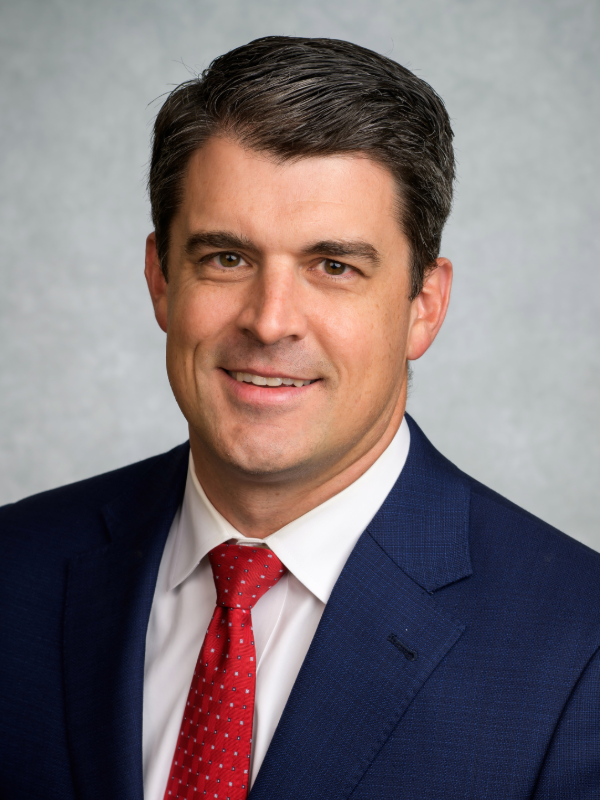 Charles Peyton, M.D.Charles Peyton, M.D.
Associate Professor, Department of Urology
As the director of clinic trials in the Department of Urology, Peyton will use these funds to develop new, disease-specific databases for patients with bladder, kidney, and penile/urethral cancers, and update the databases already in use. By improving the collection, organization, and prospective entry of patient data, the initiative will establish a comprehensive platform for both retrospective and prospective research. This resource will support hypothesis-driven studies, improve the ability to identify and analyze patient populations, and facilitate the development of future clinical trials.
Peyton believes this enhanced data infrastructure will provide investigators with reliable, accessible data to answer clinically meaningful questions and design innovative investigator-initiated studies. Additionally, these registries will support collaborative research efforts, expand clinical trial opportunities, and lay the foundation for a future Society of Urologic Oncology fellowship program at UAB, further strengthening the institution’s role as a leader in cancer care.
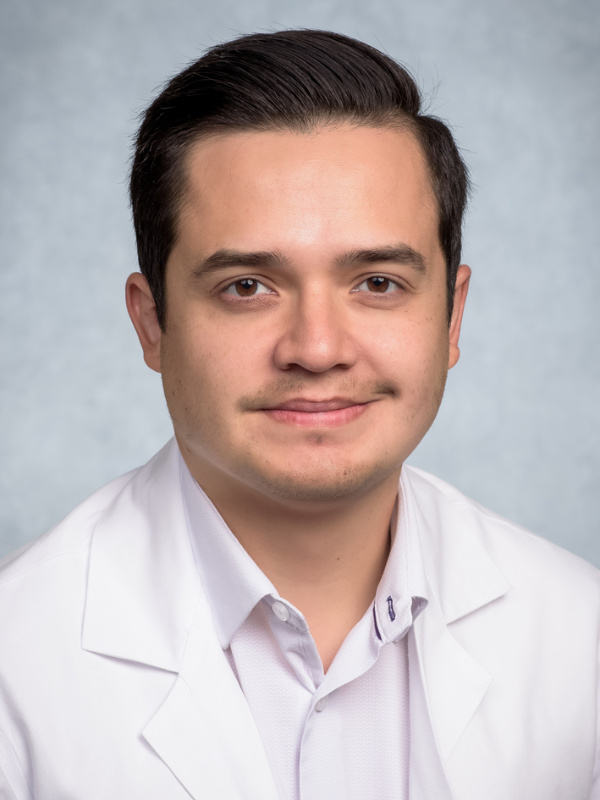 H. Nicolas Lemus E., M.D.H. Nicolas Lemus E., M.D.
Assistant Professor, Department of Neurology
Lemus’ project aims to improve surgical outcomes for patients with drug-resistant epilepsy by developing advanced computational tools to analyze intracranial electroencephalography (EEG) recordings collected during presurgical evaluations. Using a growing database of EEG data from UAB patients, the research will combine deep learning techniques with sophisticated brain signal analysis to identify patterns that can help physicians more precisely locate the brain regions responsible for generating seizures. The study will also evaluate how these computational approaches compare with traditional expert interpretation by epilepsy specialists.
The goal of the project is to develop faster, more objective, and more accurate methods for identifying seizure-generating brain tissue, leading to better-informed surgical planning and improved patient outcomes. By enhancing the precision of epilepsy surgery, the project has the potential to increase seizure freedom rates and improve the quality of life for individuals living with drug-resistant epilepsy. In addition, Lemus hopes the project will strengthen UAB’s research capabilities by providing valuable opportunities for mentorship, collaboration, and the integration of cutting-edge artificial intelligence technologies into clinical neuroscience research.
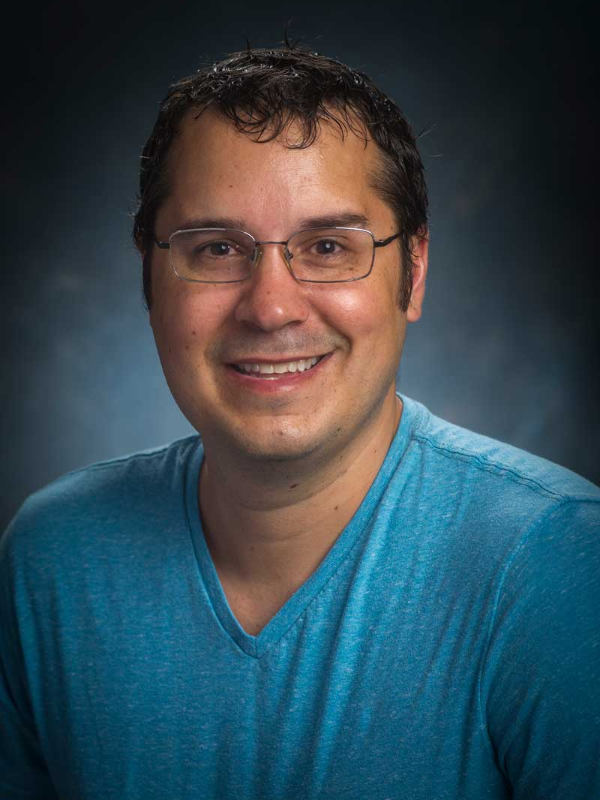 Jeremy Foote, Ph.D.Jeremy Foote, Ph.D.
Associate Professor, Department of Microbiology
Foote’s project seeks to better understand how a specific immune signaling pathway, known as IgG-FcγR1 signaling, influences the behavior of pancreatic fibroblasts, the cells responsible for producing connective tissue and scarring within the pancreas. Researchers will examine how increasing or decreasing FcγR1 expression affects fibroblast growth and collagen production. The study will also use preclinical models to determine how the absence of IgG antibodies influences pancreatic fibrosis and disease progression in both chronic pancreatitis and pancreatic cancer.
According to Foote, the findings have the potential to reveal a previously unrecognized mechanism by which the immune system contributes to pancreatic fibrosis and the tumor microenvironment. Building on recent discoveries showing that IgG accumulates within the pancreatic extracellular matrix and directly interacts with fibroblasts, this project aims to advance understanding of the biological drivers of fibrosis and ultimately support the development of more effective treatments for pancreatic disease.
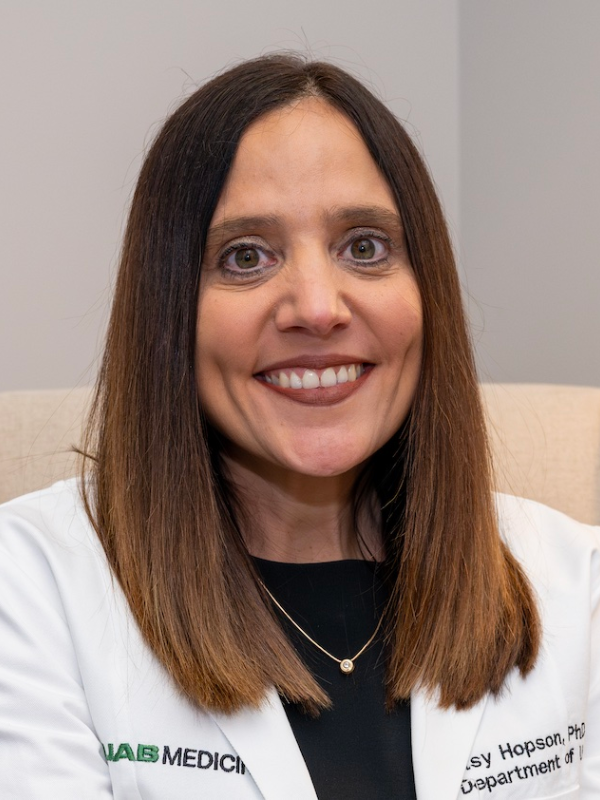 Betsy Hopson, Ph.D.Betsy Hopson, Ph.D.
Assistant Professor, Department of Urology
In her project, Sexual Health, Autonomy, and Family Education for Clean Intermittent Catheterization (SAFE-CIC), Hopson aims to address an important and previously overlooked patient safety issue for children with spina bifida. The initiative was developed in response to national survey findings that revealed a high prevalence of sexual abuse among adults with spina bifida, particularly among female patients and those who perform clean intermittent catheterization (CIC). While CIC education has traditionally focused on the technical aspects of bladder management, SAFE-CIC seeks to expand it to include age-appropriate instruction in personal boundaries, autonomy, safety, and communication. Through collaboration with patients, families, nurses, and child-protection experts, Hopson hopes the project will develop the first comprehensive, patient and family-centered safety curriculum specifically linked to CIC training.
According to Hopson, the impact of SAFE-CIC has the potential to extend far beyond a single institution. By creating and rigorously testing educational materials, provider training modules, competency tools, and implementation resources, the project aims to establish a new standard for CIC education that prioritizes both physical health and personal safety. The resulting toolkit will be designed for adoption by pediatric urology programs nationwide, helping clinicians better support vulnerable patients and their families. Ultimately, SAFE-CIC seeks to empower children with spina bifida, reduce risk factors associated with abuse, and improve the quality and comprehensiveness of care delivered to patients who rely on lifelong catheterization.
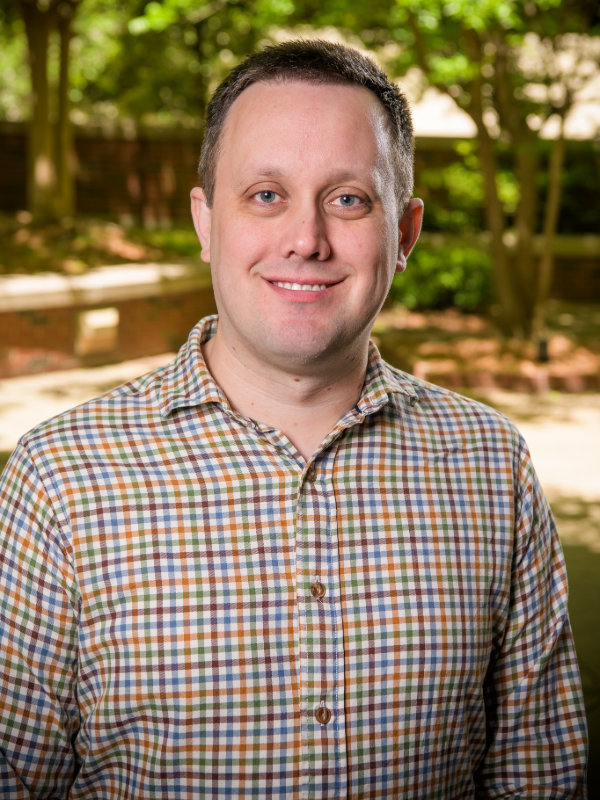 Jared Taylor, Ph.D.Jared Taylor, Ph.D.
Assistant Professor, Department of Microbiology
Taylor’s project focuses on developing Team-Based Learning (TBL), an evidence-based teaching approach that promotes active learning, student engagement, collaboration, and critical thinking. Through participation in nationally recognized training programs offered by the Team-Based Learning Collaborative, Taylor will earn certifications in TBL Fundamentals, Practitioner, and Trainer-Consultant levels. Taylor believes that this training will build advanced skills in designing, implementing, and evaluating TBL-based curricula, while preparing investigators to serve as resources for other educators interested in innovative teaching strategies.
As part of the final certification, Taylor will develop and deliver a TBL training workshop for UAB faculty and educators, creating opportunities for broader adoption of effective, learner-centered instructional methods. By equipping instructors with the knowledge and tools to incorporate TBL into their classrooms, the project aims to improve educational outcomes, foster more engaging learning environments, and support a culture of teaching innovation throughout UAB.