Juhi Samal, Ph.D., Jianli Zhao, M.D., and Yang Zhou, Ph.D., assistant professors in the Department of Biomedical Engineering, have each been awarded grants from the American Heart Association (AHA) for their individual studies.
The AHA is the largest funder of cardiovascular and cerebrovascular research in the United States. These awards highlight the department’s diverse research impact across areas including heart failure, cardiac repair, and stroke.
Samal was awarded a Rapid Impact Research Award for her study “Microglial Glycan Remodeling- Cellular and Mitochondrial Mechanisms in Stroke.”
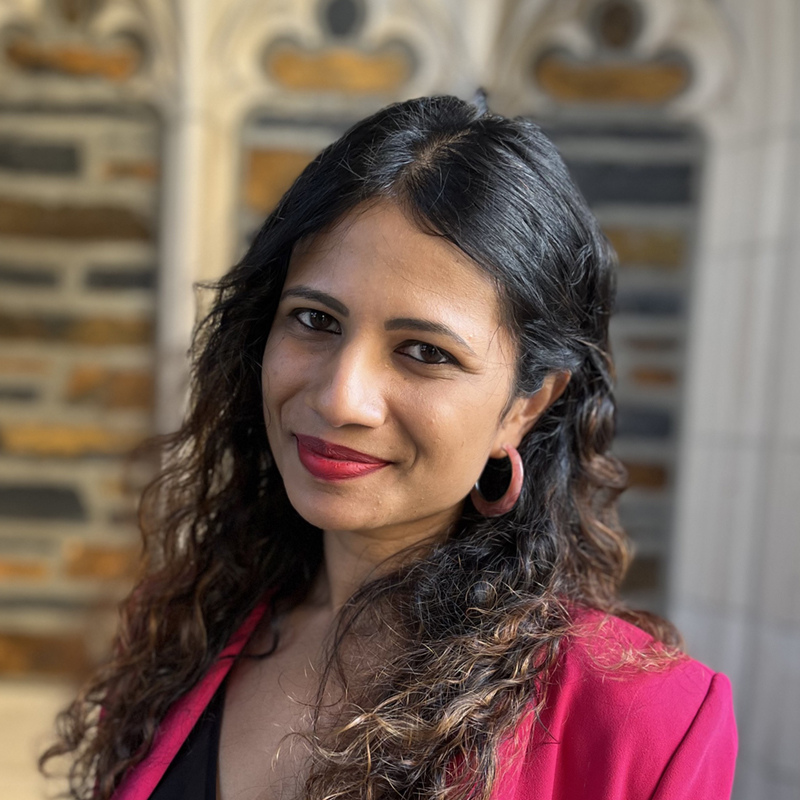 Her study will use advanced single-cell and imaging techniques to map how immune cells change after a stroke, with the goal of identifying patterns that separate harmful inflammation from healing responses.
“After a stroke, immune cells in the brain can either help with healing or make damage worse, but we don’t fully understand what controls this switch—especially as people age,” Samal said. “Understanding this could reveal new ways to help the brain heal better after a stroke.”
This funding will allow Samal and her team of researchers to expand current research and explore areas of stroke biology. The study will also generate critical early data using high-dimensional, single-cell, and mass spectrometric platforms that are not yet widely applied in stroke research.
“Receiving an American Heart Association Rapid Impact Grant is deeply meaningful to me both personally and professionally,” Samal said. Stroke remains a leading cause of disability, and my commitment to understanding the biological mechanisms that limit recovery—particularly in aging populations—drives my research program.”
This award represents Samal’s first external funding for her lab and marks an important step toward establishing an independent research program.
Zhao was awarded a Career Development Award for his study “Epicardial Adipose Tissue-Derived Extracellular Vesicles as Mediators and Therapeutic Targets in HFpEF.”
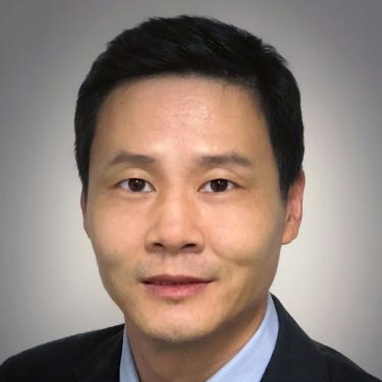 His study investigates how tiny particles released by the fat surrounding the heart contribute to a common and poorly understood form of heart failure called HFpEF (heart failure with preserved ejection fraction), which is especially common in people with obesity and diabetes.
“HFpEF accounts for more than half of all heart failure cases, yet it remains one of the least understood and hardest to treat cardiovascular conditions,” said Zhao. A major gap is the lack of clarity on how metabolic dysfunction — particularly obesity and diabetes — directly damages the heart.”
Zhao and his team of researchers will test whether these particles cause heart dysfunction, whether they can recreate the particles in animal models, and whether modified versions could be used to treat it.
This funding will support Zhao and his team to conduct research in animal models, develop potential treatments, and understand the research necessary to move their study forward.
“Receiving this AHA Career Development Award means the world to me,” said Zhao. “My path has been unconventional — I trained first as a physician, then as a scientist, and more recently I have immersed myself in programming and computational modeling to identify target genes and build disease-driving models that could one day directly help patients.”
“This award gives me the opportunity to keep that vision alive.”
Zhou was awarded a Bridge Transformational Project Award for her study “Rebuilding Human Cardiomyocyte Regulatory Logic to Advance Cardiac Reprogramming Therapies.”
Her study will aim to improve a method that converts non-muscle cells into healthy functional heart muscles, while also working to identify a molecular on/off switch to control this process. The goal of her study is to improve the quality and function of these newly generated muscle cells.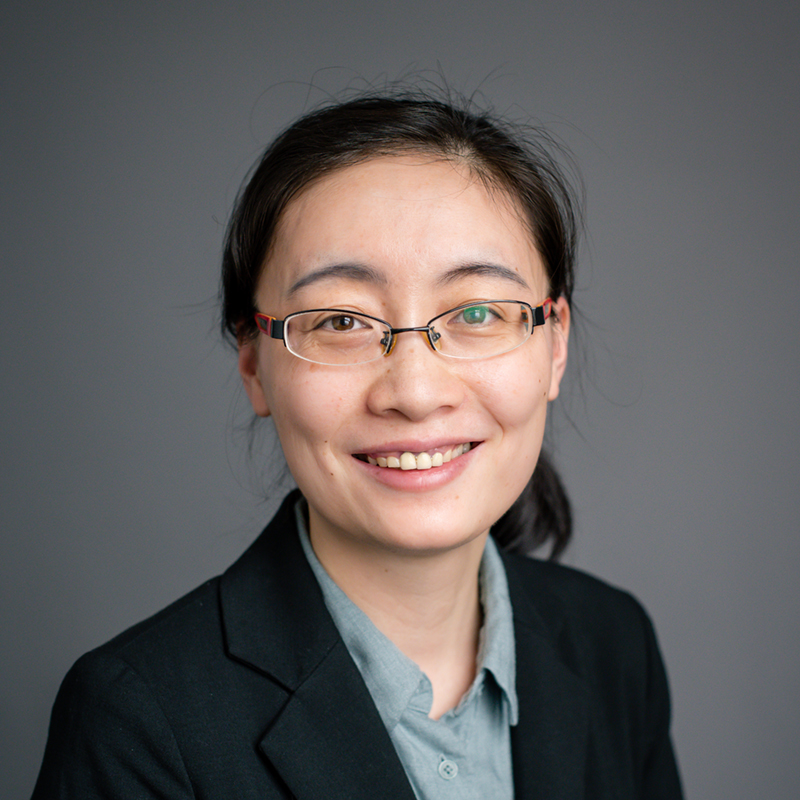
“A central challenge in the field is that current methods for generating heart muscle cells are inefficient and often produce cells that are not fully mature,” said Zhou. “Our project focuses on understanding why this happens and identifying ways to improve both the reliability and quality of these cells, advancing the potential for future regenerative therapies.”
Through this funding, Zhou and her team will move beyond observation by conducting cutting-edge experiments to better understand how and why this process works.
“Receiving this AHA Bridge Award is both meaningful and motivating,” said Zhou. “It reinforces my commitment to developing effective strategies to repair the heart and provides critical support to sustain and advance my research, bridging earlier discoveries with the next phase of innovation.”