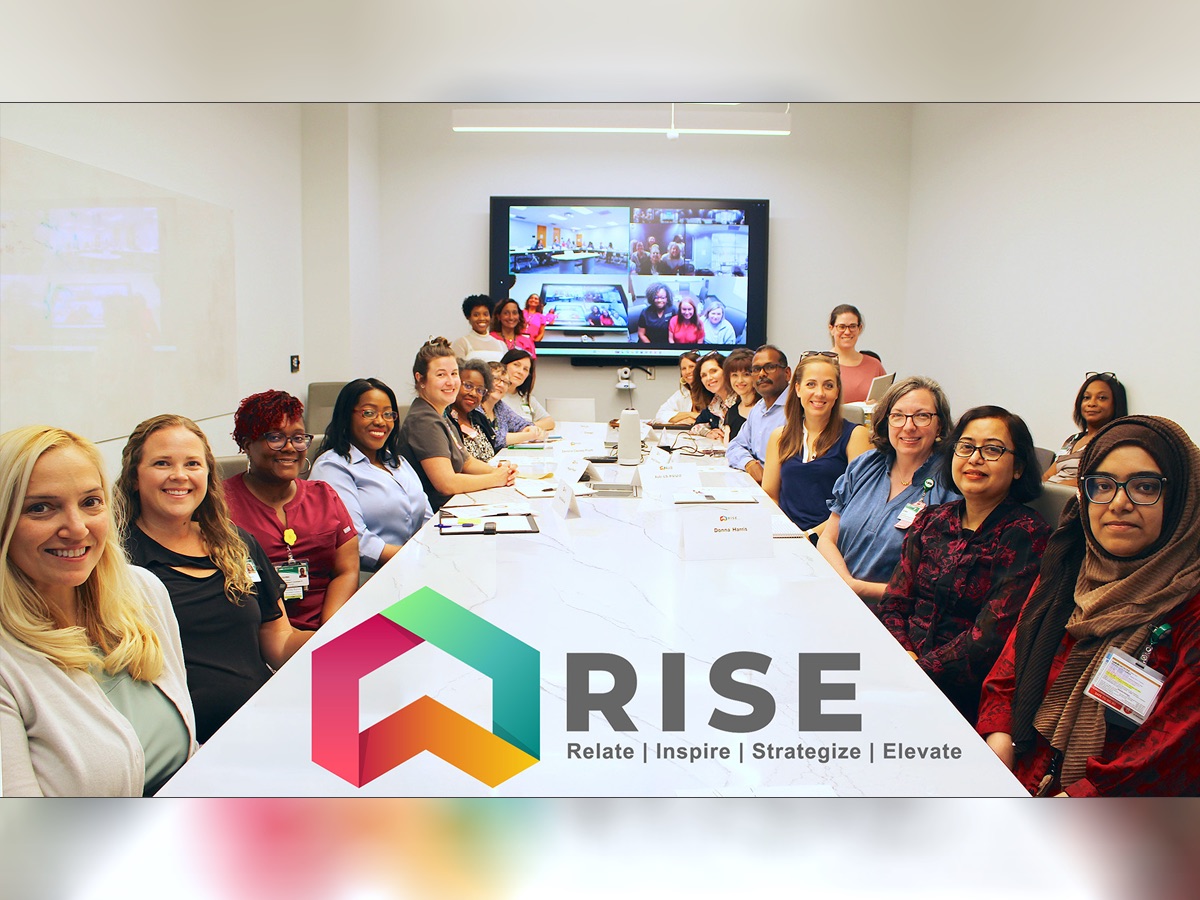
2026 RISE Leadership Cohort Expands Across the Region
Written by Brian C. Moon – September 24, 2026
The Center for Clinical and Translational Science (CCTS) has welcomed 44 clinical research staff professionals to the 2026 RISE Leadership Development Program, marking the program’s broadest institutional participation to date.
Read more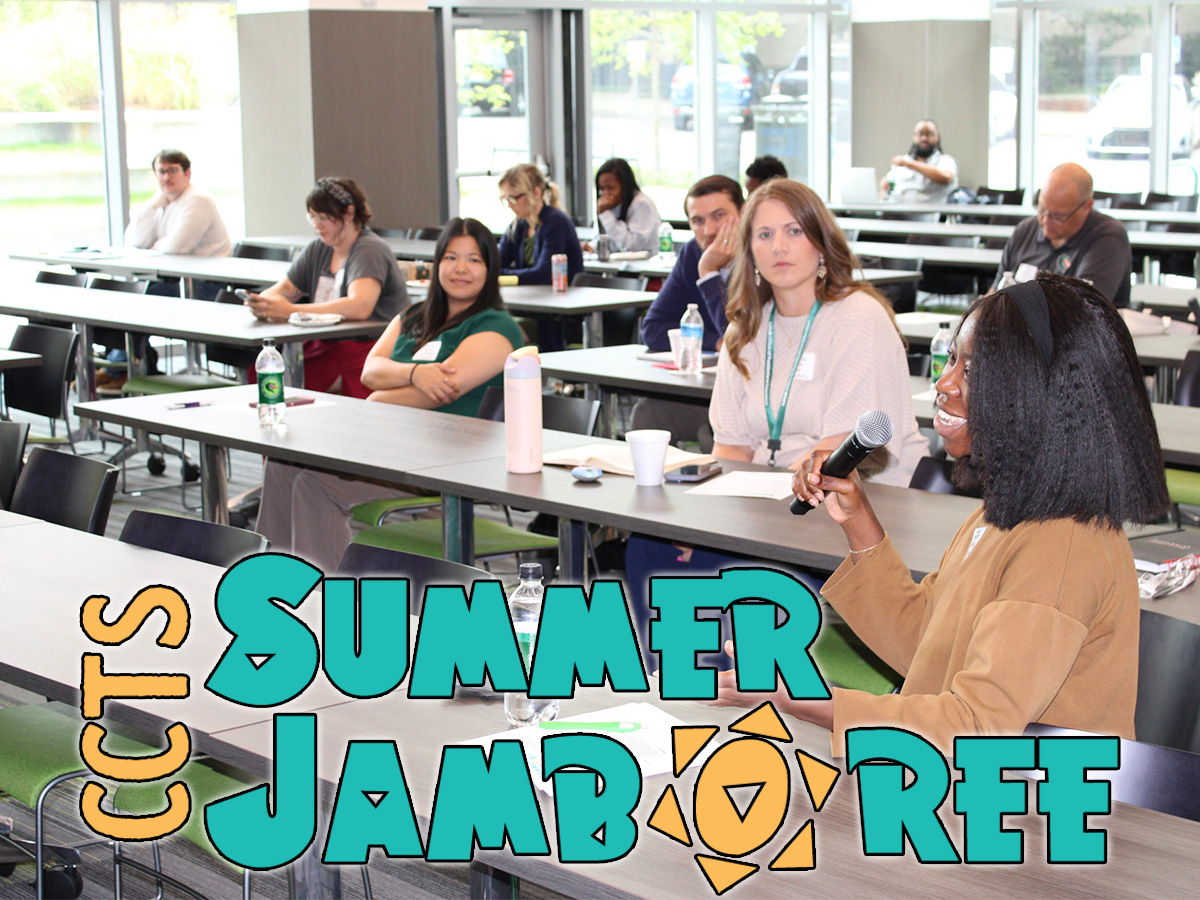
2026 CCTS Summer Jamboree Builds Skills and Connections for Translational Scientists
Written by Brian C. Moon | August 7, 2026
Seventy-five scholars, trainees, mentors, researchers, and community partners took part in the 2026 Center for Clinical and Translational Science (CCTS) Summer Jamboree, which culminated in a July 15 public program at the UAB Marnix Heersink Conference Center.
Read more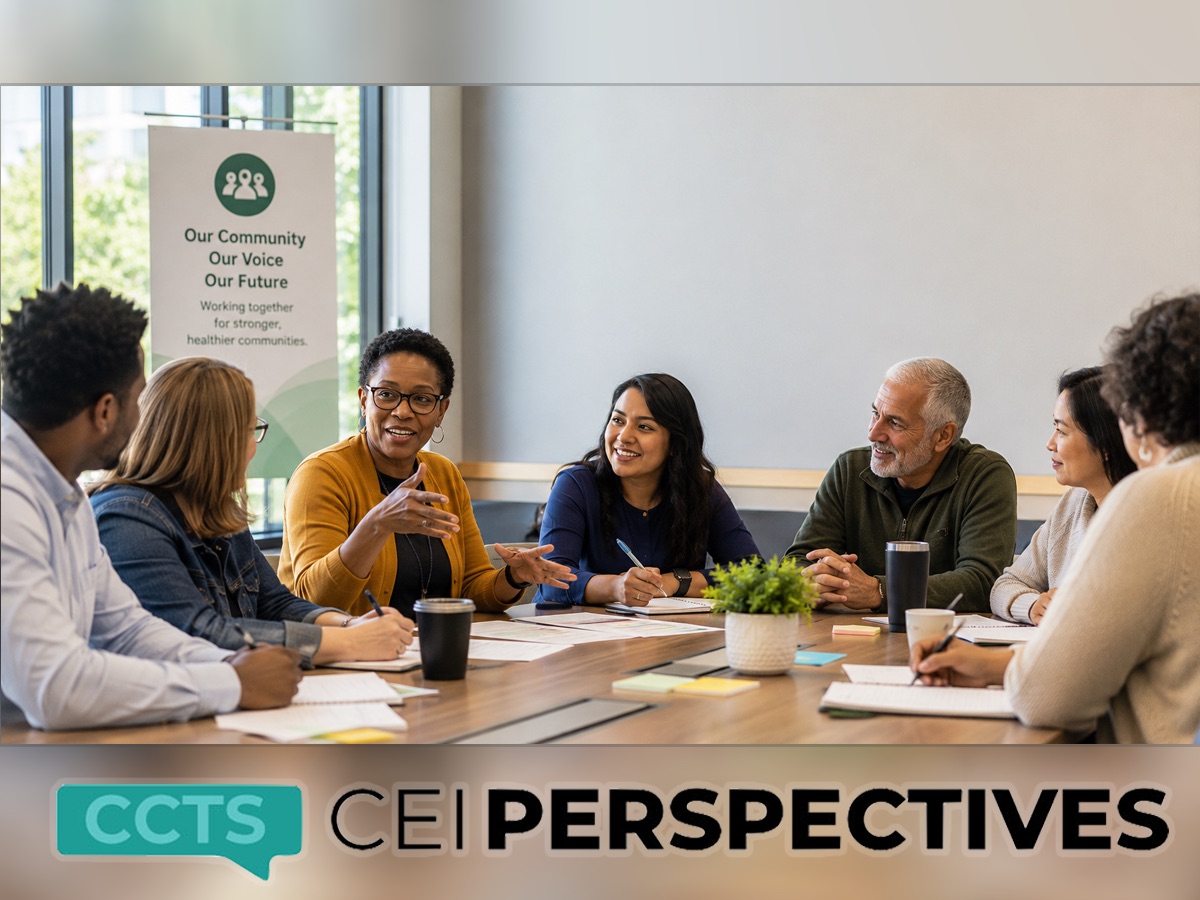
CEI Perspectives: Community Action Boards Build Trust, Collaboration, and Community Impact
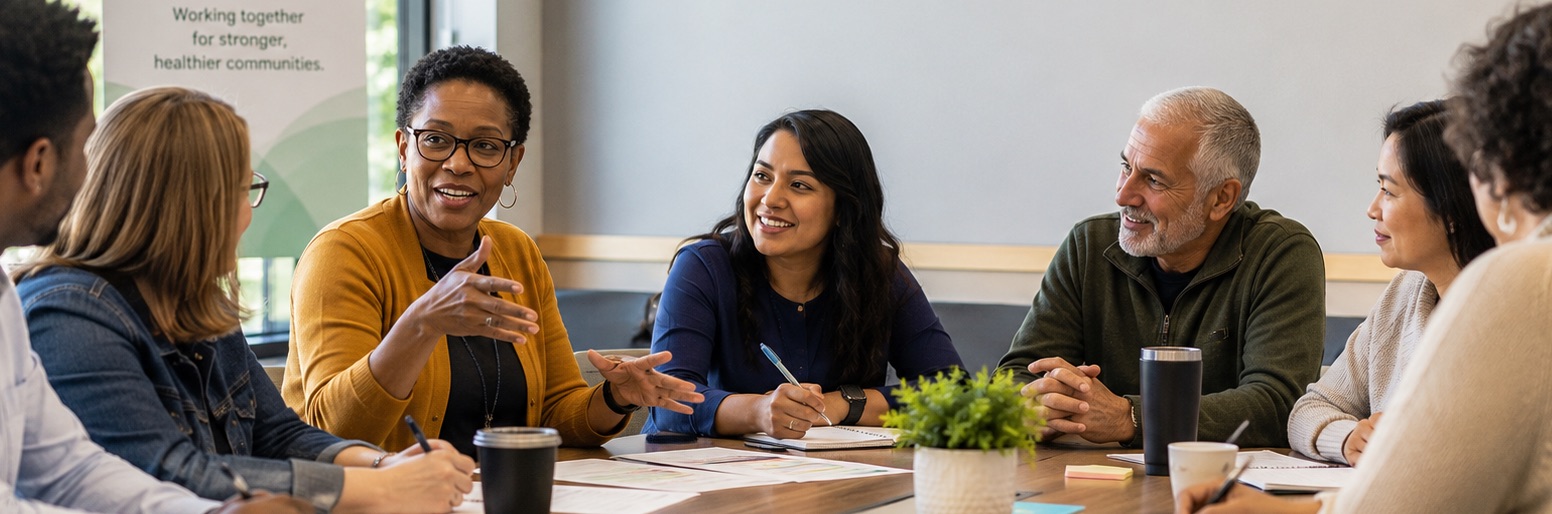
Community members bring knowledge, experience, and local perspective that can strengthen research, programs, and academic-community partnerships. Engaging them in meaningful roles to shape that work was the focus of the latest Center for Clinical and Translational Science (CCTS) Community Engagement Institute (CEI) Perspectives event, “Community Action Boards: Building Trust, Collaboration, and Community Impact,” presented June 26, 2026, via Zoom.
Read more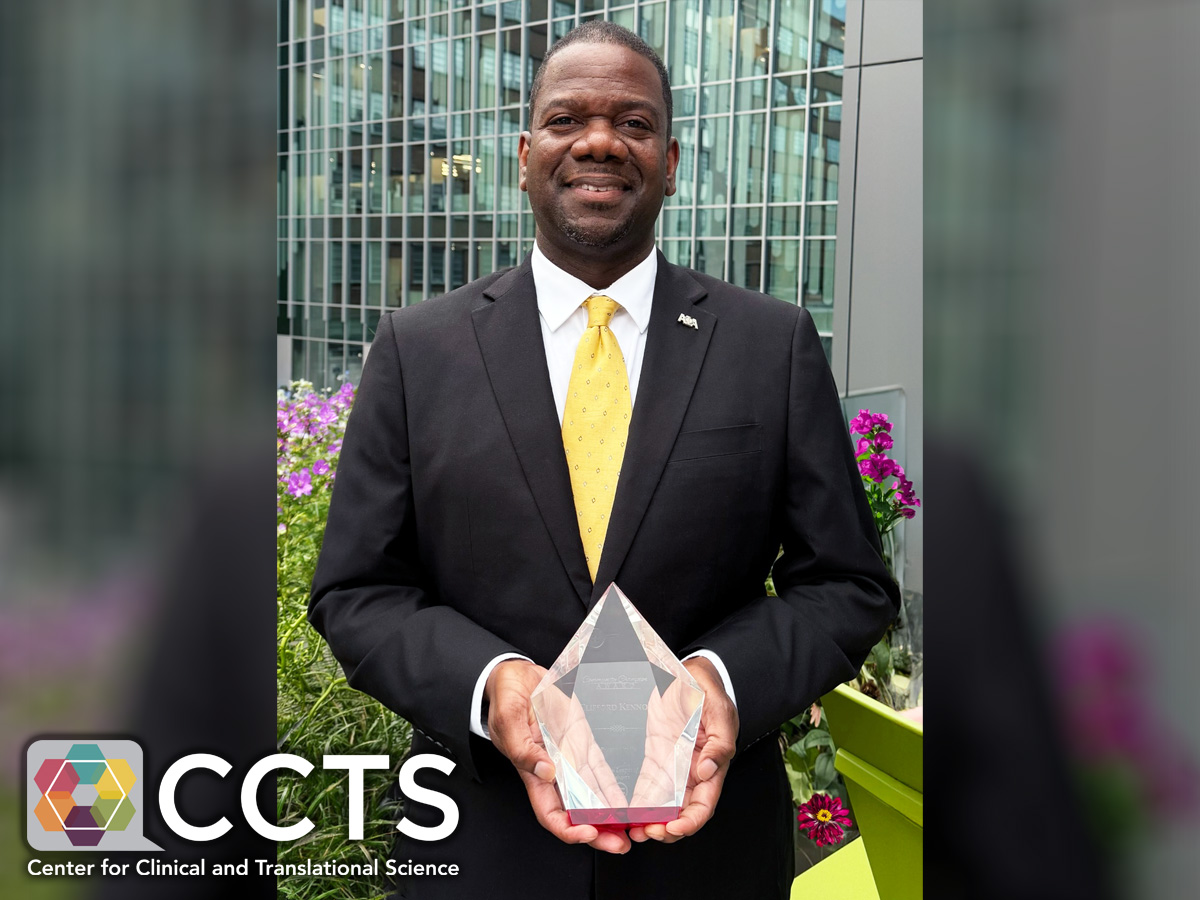
Clifford Kennon Recognized with Urban League of Alabama Community Champion Award
Brian C. Moon – July 10, 2026
Clifford Kennon, EdS, MPA, CPP, Program Director of the Center for Clinical and Translational Science (CCTS) Community Engagement Institute, has been recognized by the Urban League of Alabama as a Community Champion honoree.
Read more
Congratulations to the 2026 CCTS Pilot Awardees
The Center for Clinical and Translational Science is thrilled to announce 2026 Pilot Projects. Selected through a rigorous competitive process, projects represent a variety of disciplines from across the CCTS Partner Network.
Read more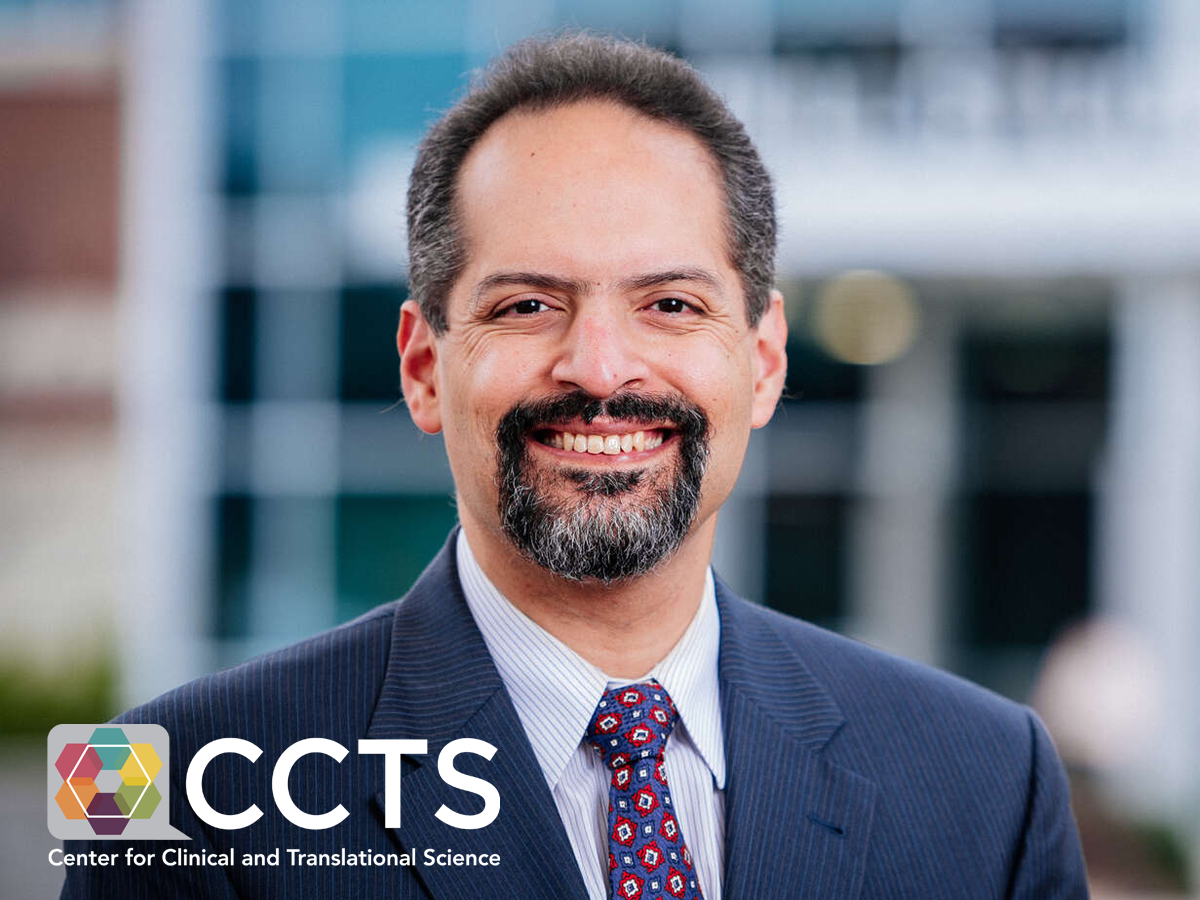
Gutiérrez joins ACTS Board of Directors
Brian C. Moon – June 3, 2026
Orlando M. Gutiérrez, MD, MMSc, Director and contact multiple principal investigator of the Center for Clinical and Translational Science (CCTS), has joined the Association for Clinical and Translational Science (ACTS) Board of Directors as a Director at Large for 2026–2027.
Read more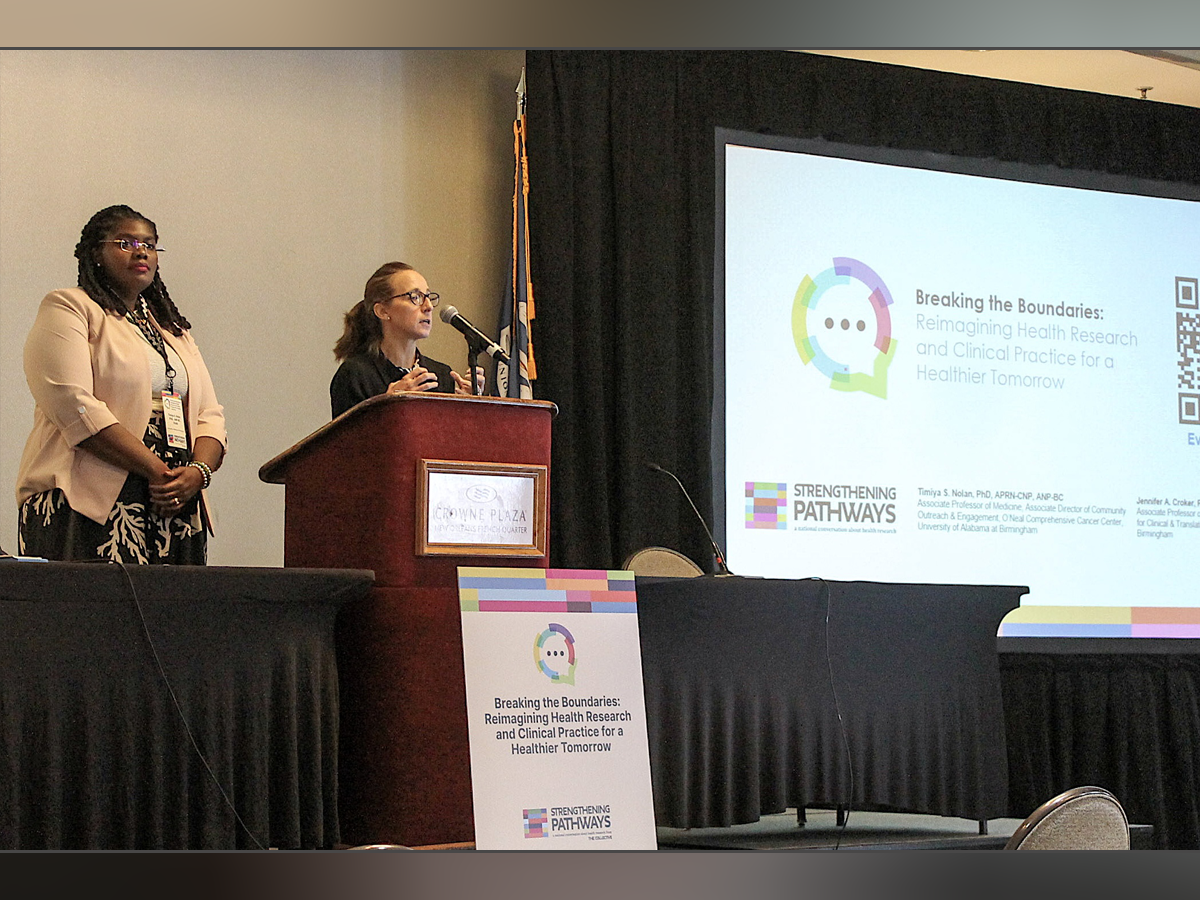
Breaking the Boundaries symposium informs NEJM Catalyst publication
Brian C. Moon - May 27, 2026
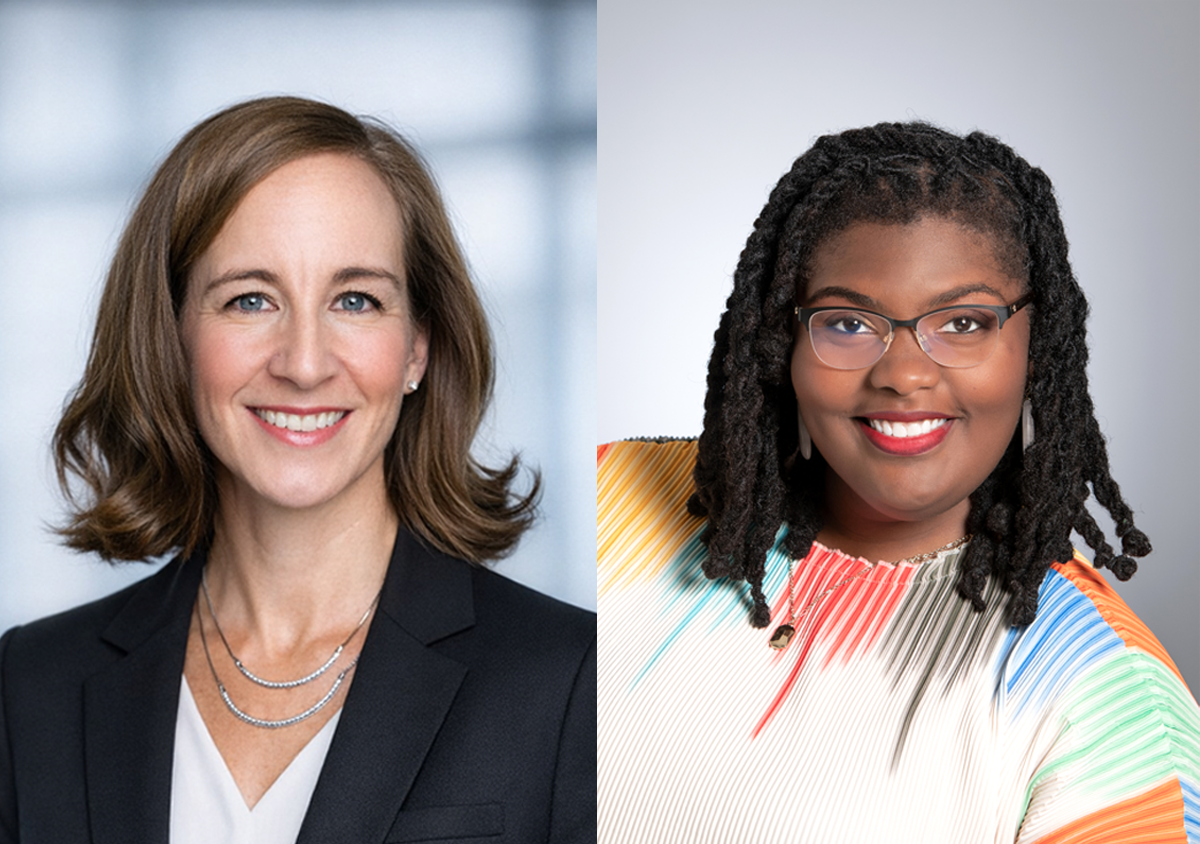 Jennifer A. Croker, PhD; Timiya S. Nolan, PhD, APRN-CNP, ANP-BC, FAAN
A new article published in The New England Journal of Medicine (NEJM) Catalyst Innovations in Care Delivery highlights recommendations developed in part from the Center for Clinical and Translational Science (CCTS) symposium, “Breaking the Boundaries: Reimagining Research and Clinical Practice for a Healthier Tomorrow,” held June 9–10, 2025, in New Orleans.
Read more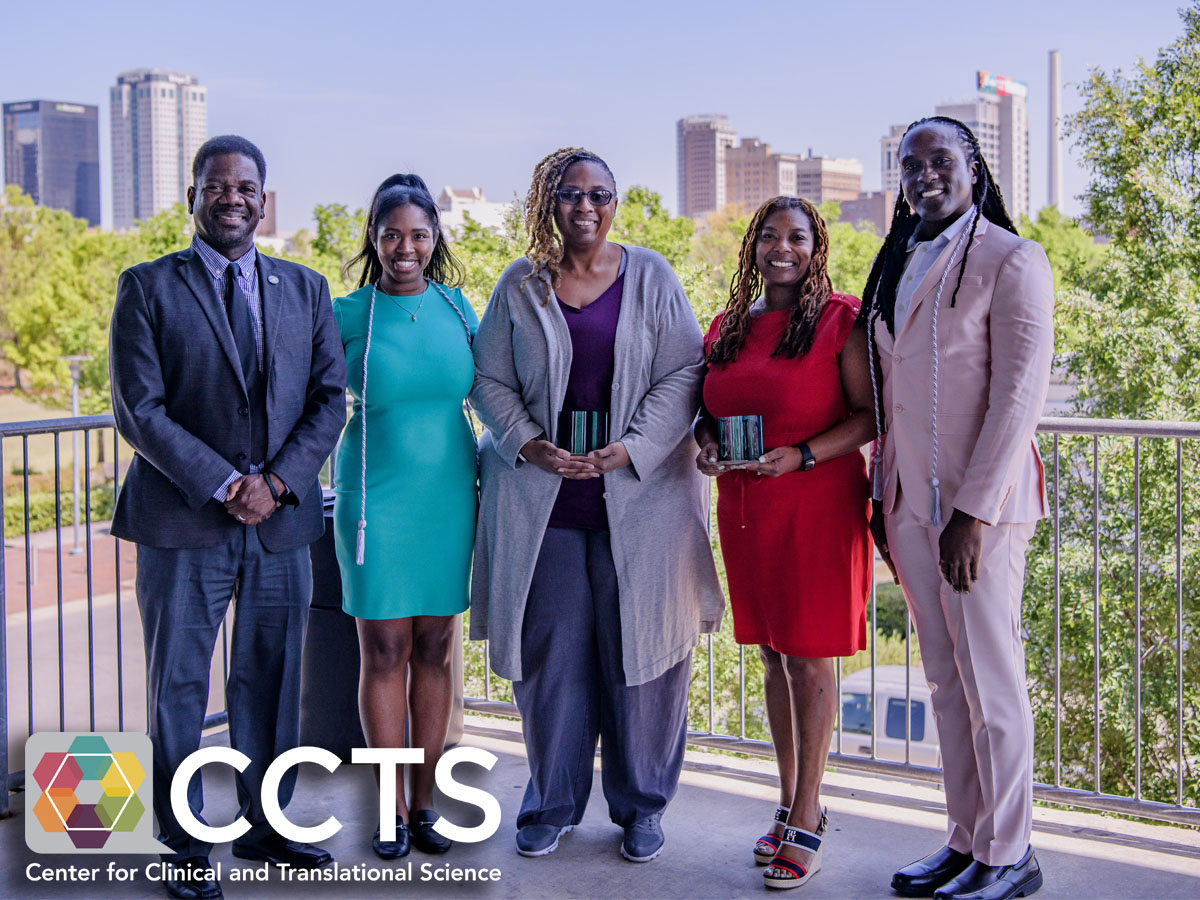
2026 Albert Schweitzer Fellowship Celebration of Service Awards
At the 2026 Albert Schweitzer Fellowship (ASF) of Alabama Celebration of Service, the Center for Clinical and Translational Science (CCTS) once again sponsored the annual Excellence in Mentorship awards, recognizing outstanding individuals who have made a lasting impact through guidance, leadership, and service to ASF Fellows.
Read more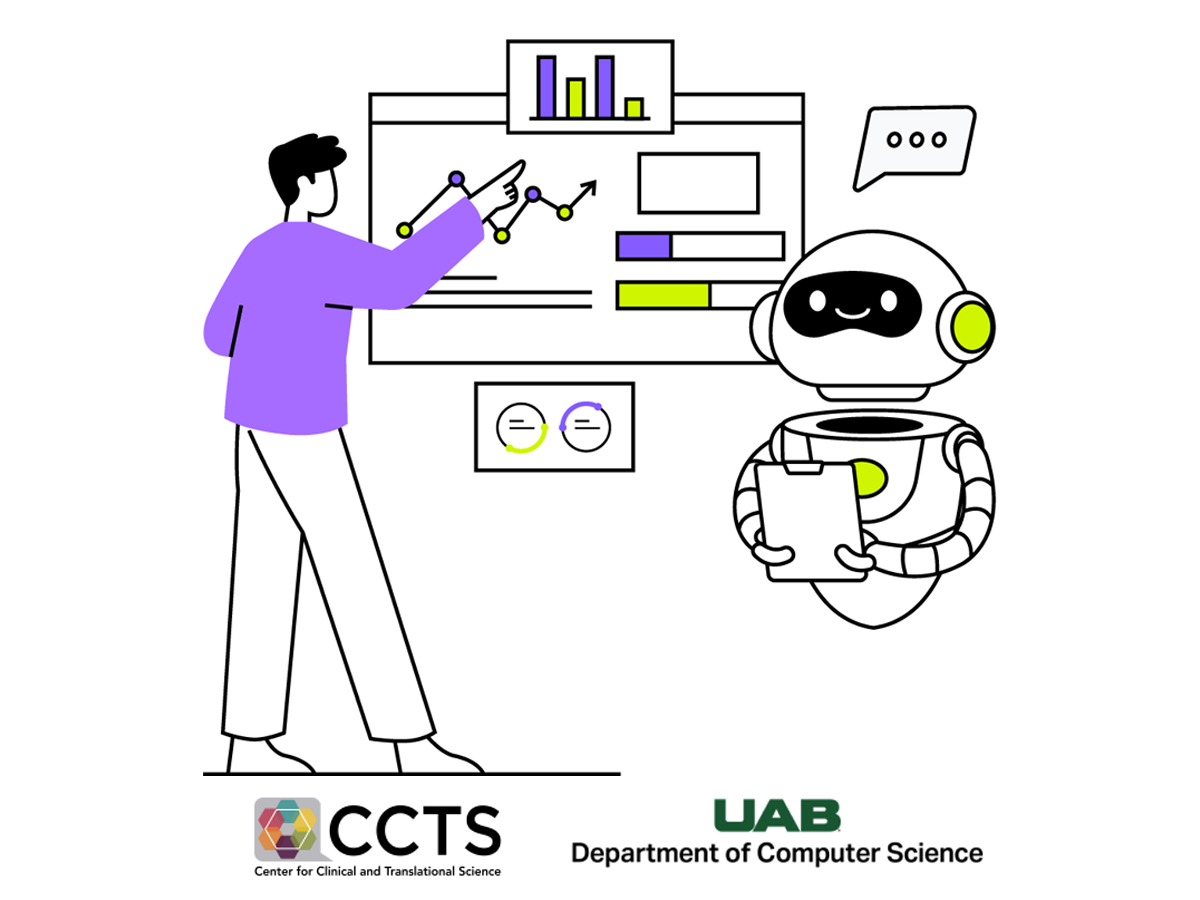
AI Summit Highlights Opportunities for Collaboration Across Research and Medicine
Artificial intelligence is rapidly shaping research, medicine, and clinical operations. On Monday, May 4, 2026, the Center for Clinical and Translational Science (CCTS) and the University of Alabama at Birmingham (UAB) Department of Computer Science convened a transdisciplinary audience for the 2026 AI Summit, a daylong forum focused on the current state of AI and its growing role across the research enterprise.
Read more
CCTS Takes on Milwaukee: Translational Science 2026
The annual Association for Clinical and Translational Science conference, Translational Science 2026 (TS26), was held April 20-23 at the Baird Center in Milwaukee, Wisconsin. The event brought together more than 1,100 research professionals, trainees, faculty, and leaders from across the Clinical and Translational Science Awards (CTSA) consortium and beyond. The Center for Clinical and Translational Science (CCTS) was strongly represented, with more than 40 attendees from seven CCTS Partner Network institutions.
Read more
CEI Perspectives: Discovering the Power of Nutrition for Communities
In recognition of National Nutrition Month®, the Center for Clinical and Translational Science (CCTS) brought together researchers, community leaders, and public health professionals for a Community Engagement Institute (CEI) Perspectives panel, “Discover the Power of Nutrition for Communities,” held March 31, 2026. Grounded in this year’s national theme, “Discover the Power of Nutrition,” the discussion explored how food access, education, and culturally informed strategies can support healthier communities across Alabama, Louisiana, and Mississippi. This event reflects a broader and growing focus across the CCTS Partner Network to advance nutrition through research, training, and community engagement.
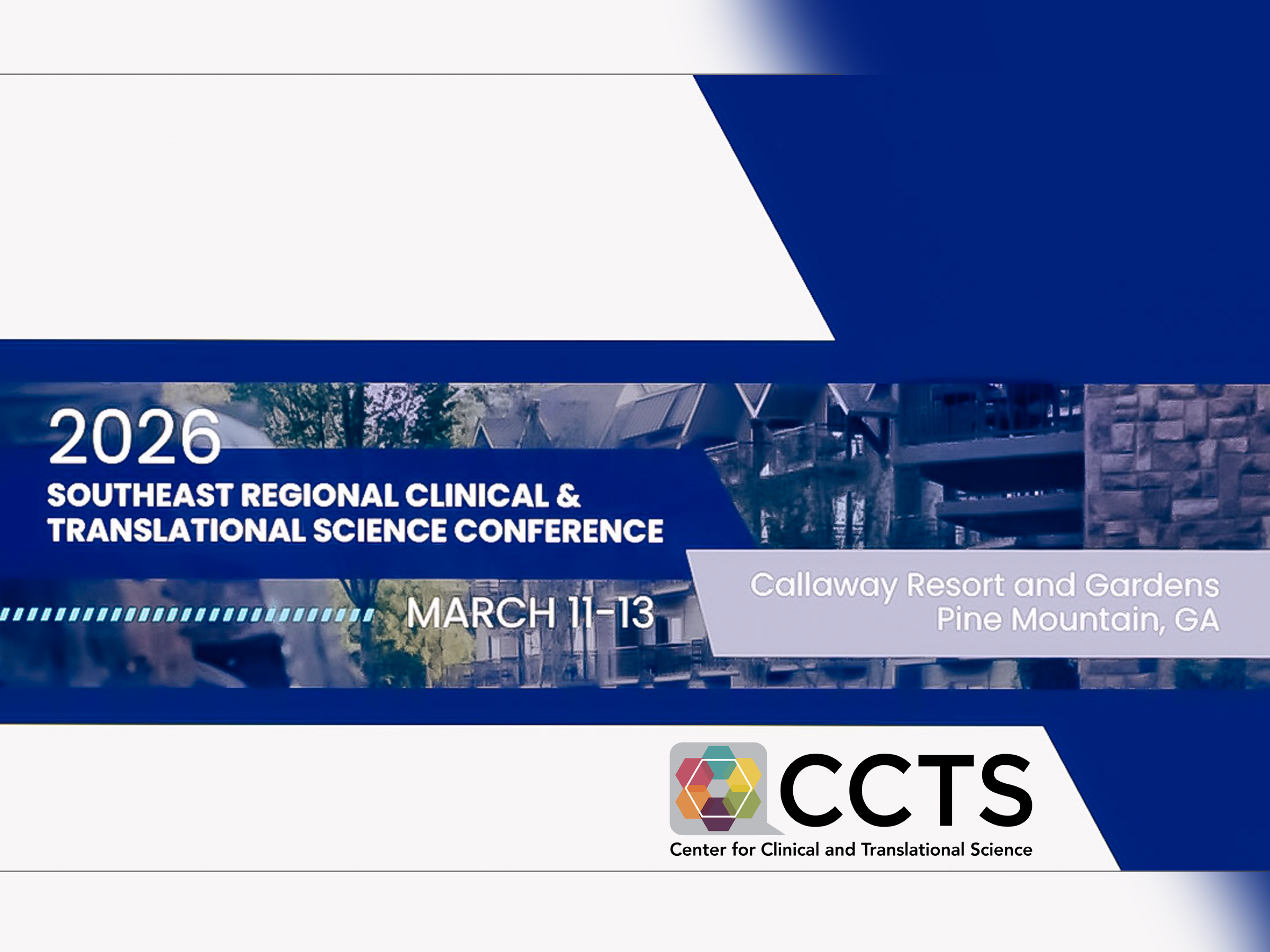
CCTS at the 2026 Southeast Regional Clinical and Translational Science Conference
The 2026 Southeast Regional Clinical & Translational Science Conference, held March 11-13, 2026, at Callaway Resort and Gardens, brought together transdisciplinary researchers to present the best new health-related preclinical, clinical, implementation, and population-based research and build collaborative relationships. This event was co-sponsored and collaboratively organized by six Clinical and Translational Science Award (CTSA) Hubs based in Alabama, Georgia, Florida and South Carolina.
Read more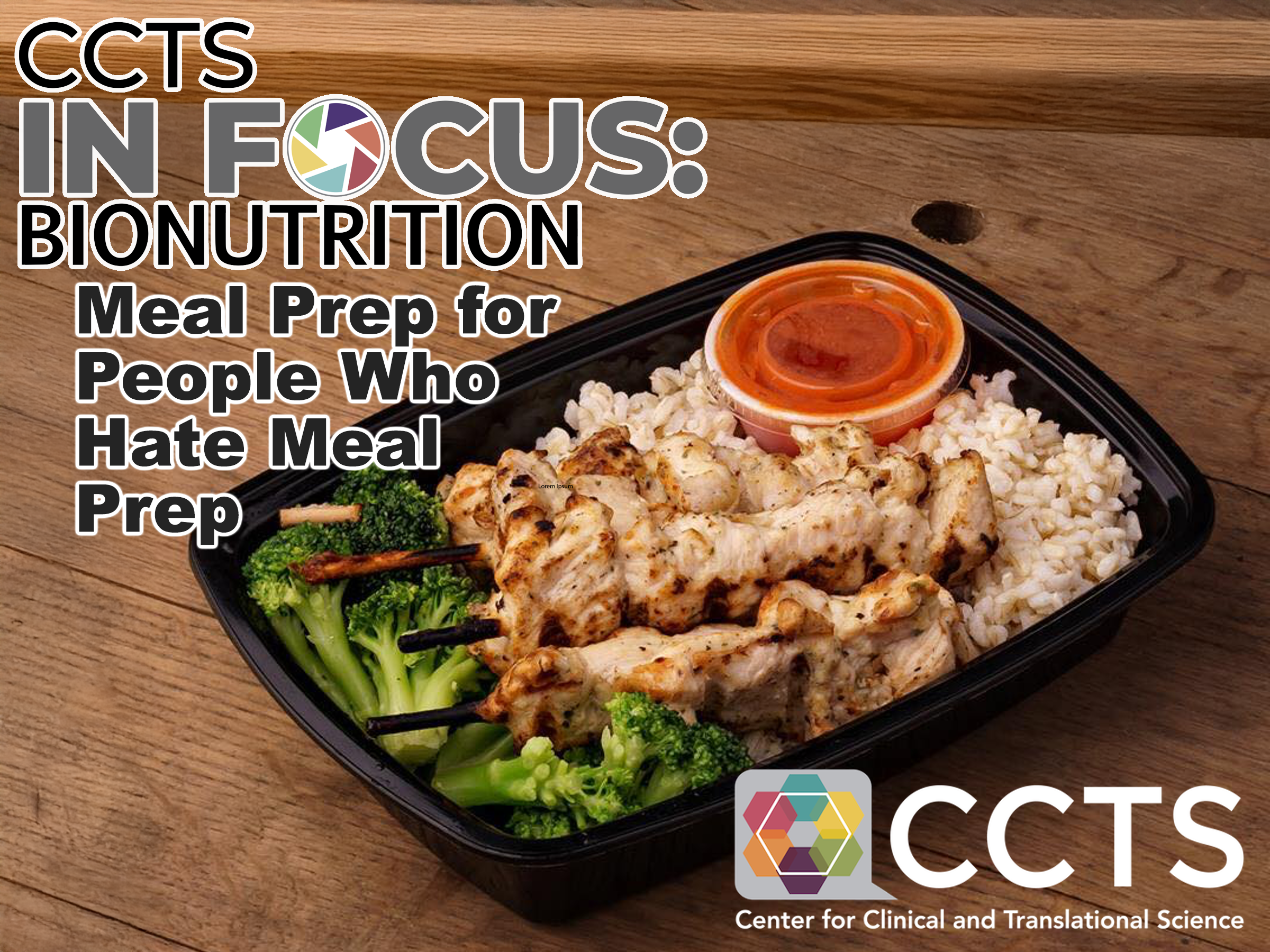
Meal Prep for People Who Hate Meal Prep
If the phrase meal prep makes you think of hours of cooking, stacks of containers, and eating the same meal all week, you’re not alone. Many people don’t avoid meal prep because they don’t care about their health. They avoid it because they’re busy, tired, or overwhelmed. Making food decisions over and over can be exhausting. This is called decision fatigue, and it can make healthy choices feel harder than they need to be.
Read more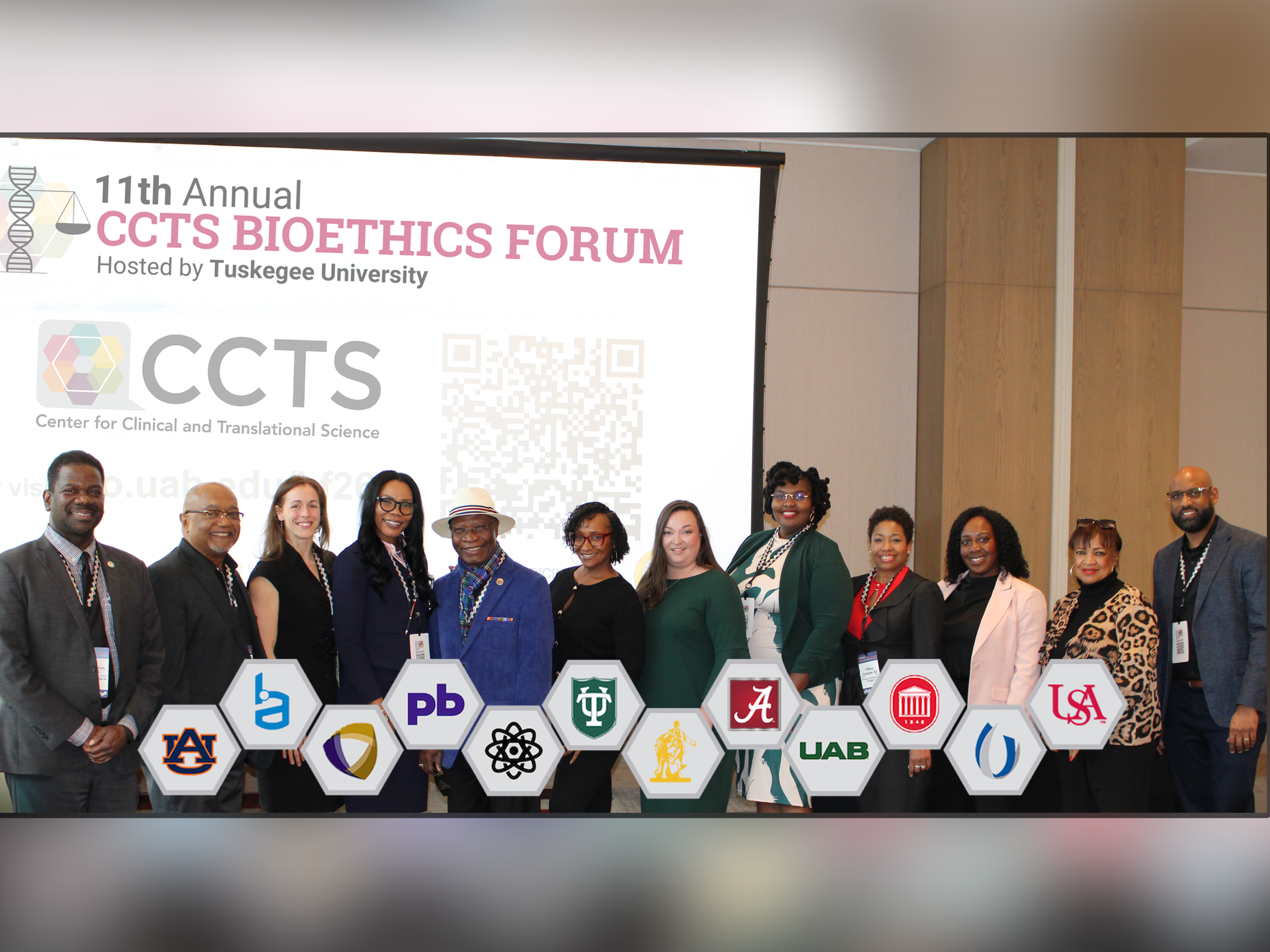
Beyond the Science: 2026 CCTS Bioethics Forum Highlights Collaborative Research Partnerships
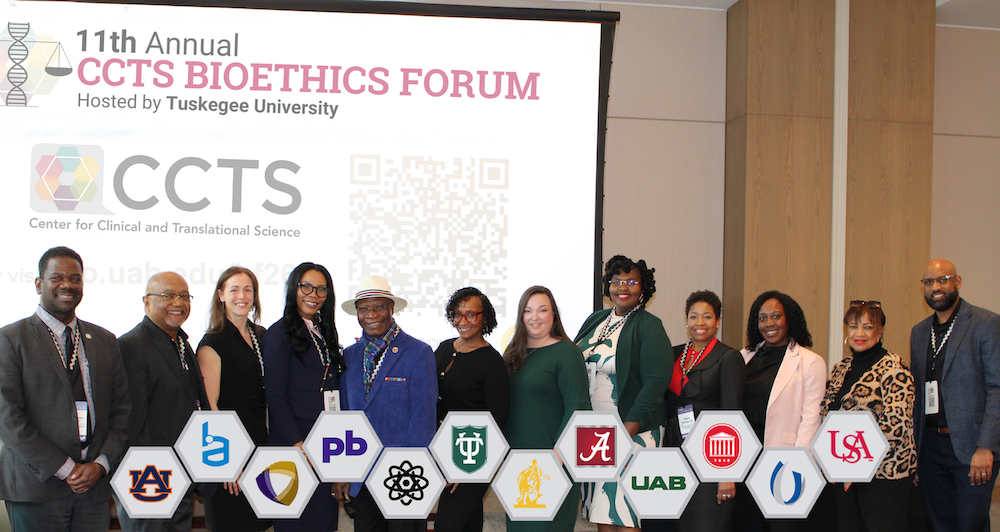 More than 80 researchers, community leaders, and public health professionals gathered in Montgomery, Alabama, on February 26, 2026, for the 11th Annual CCTS Bioethics Forum, hosted by Tuskegee University at the Elevation Convening Center & Hotel. Centered on the theme “Beyond the Science: Co-Creating Fundable Research with Communities for Lasting Impact,” the forum explored practical strategies for strengthening ethical research partnerships and advancing health outcomes.
Read more
John Trombley Transitions to New Role
Written by Brian C. Moon - February 20, 2026
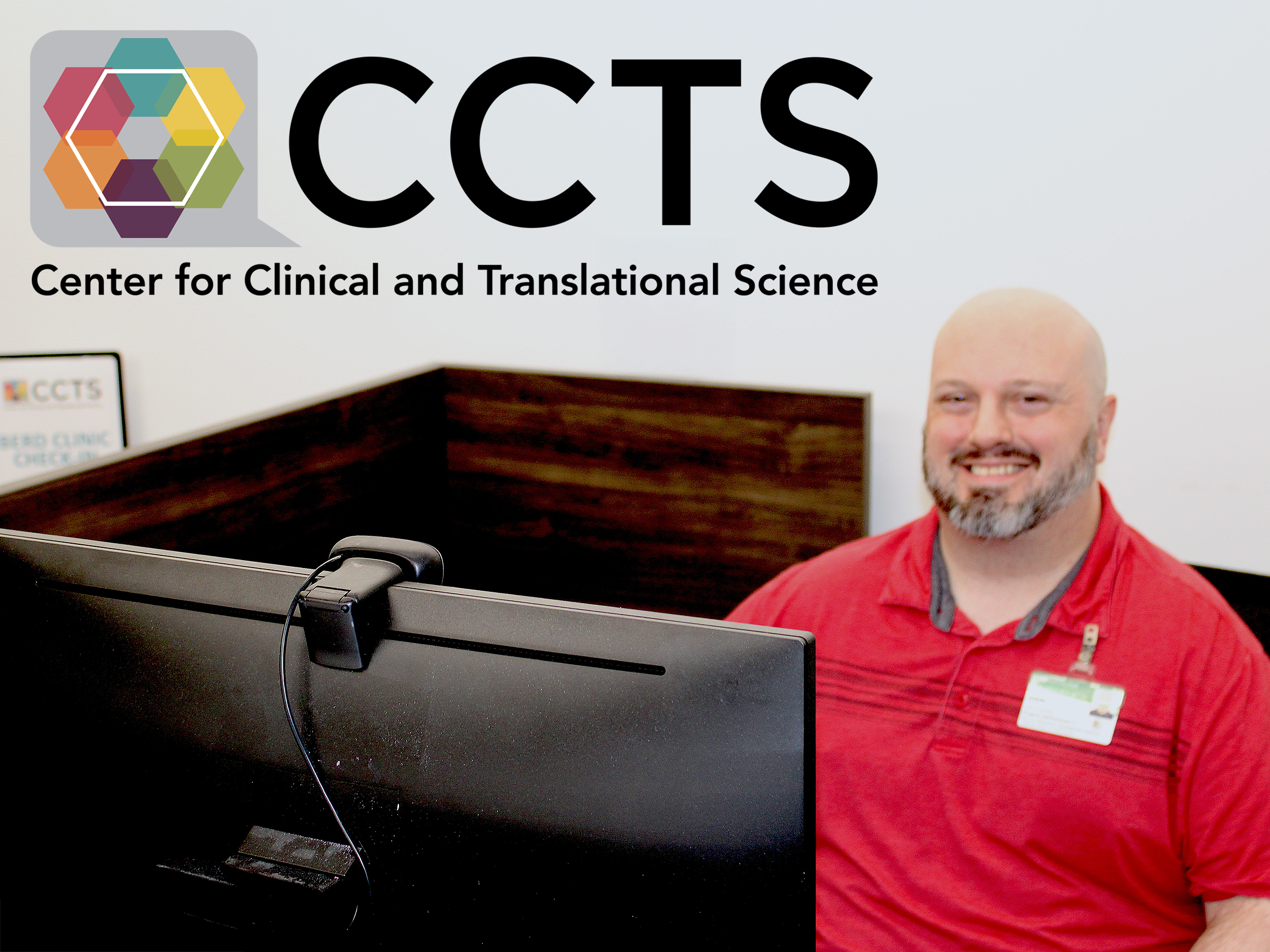
After four years of dedicated service to the Center for Clinical and Translational Science (CCTS), John E. Trombley, MS, will be transitioning to a new position at the University of Alabama at Birmingham.
John joined the CCTS in February 2022 as Program Administrator II and quickly became one of the most recognizable faces of the Center. Serving at the front desk, he was often the first point of contact for investigators, trainees, and visitors. Beyond that visible role, John provided essential administrative support to CCTS leadership, including Drs. Orlando Gutierrez, Jennifer Croker, Robert Kimberly, and Dana Rizk.
Why ACTS Membership Matters for Clinical and Translational Scientists
Faculty, staff, and trainees across the Center for Clinical and Translational Science (CCTS) have access to a valuable professional resource through membership in the Association for Clinical and Translational Science (ACTS).
Read more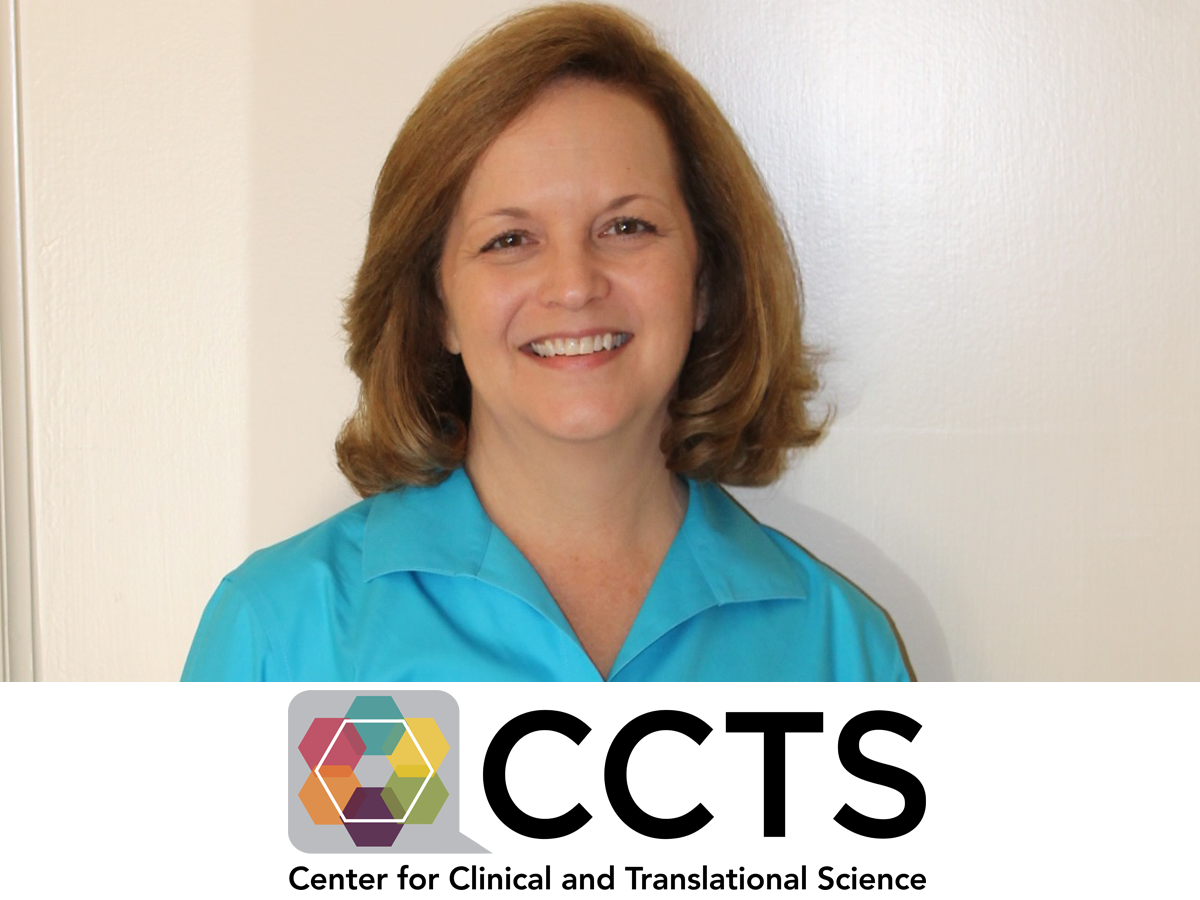
Celebrating Jean Lambert: A Career of Service at the CCTS
After more than 16 years with the Center for Clinical and Translational Science (CCTS), Jean Lambert, MA, is retiring, marking the conclusion of a career defined by dedication, institutional knowledge, and a genuine commitment to supporting researchers across the CCTS Partner Network.
Read more
From Pilot to MERIT: CCTS Support Helps Grelet Lab Advance New Insights Into Metastasis
When Simon Grelet, PhD, joined the University of South Alabama, Department of Biochemistry and Molecular Biology in 2021, he launched the Cancer Innervation and Neurobiology Laboratory at the Mitchell Cancer Institute to investigate a fundamental question: how do nerves influence tumor development and spread? This work has now earned national recognition through an NCI and NIH R37 MERIT Award (1R37CA292711), which provides long-term support for his research on nerve to cancer mitochondria transfer and its influence on metastasis.
Read more
2025 CCTS Statistical and Analytic Methods Development Initiatives
The Center for Clinical and Translational Science (CCTS) is pleased to announce the latest recipients of CCTS Statistical and Analytic Methods Development support. This competitive program is designed to advance innovative projects that develop, refine, or apply novel statistical and computational techniques to address complex challenges in health research. By fostering methodological innovation, the program aims to accelerate the translation of scientific discoveries into improved health and healthcare delivery.
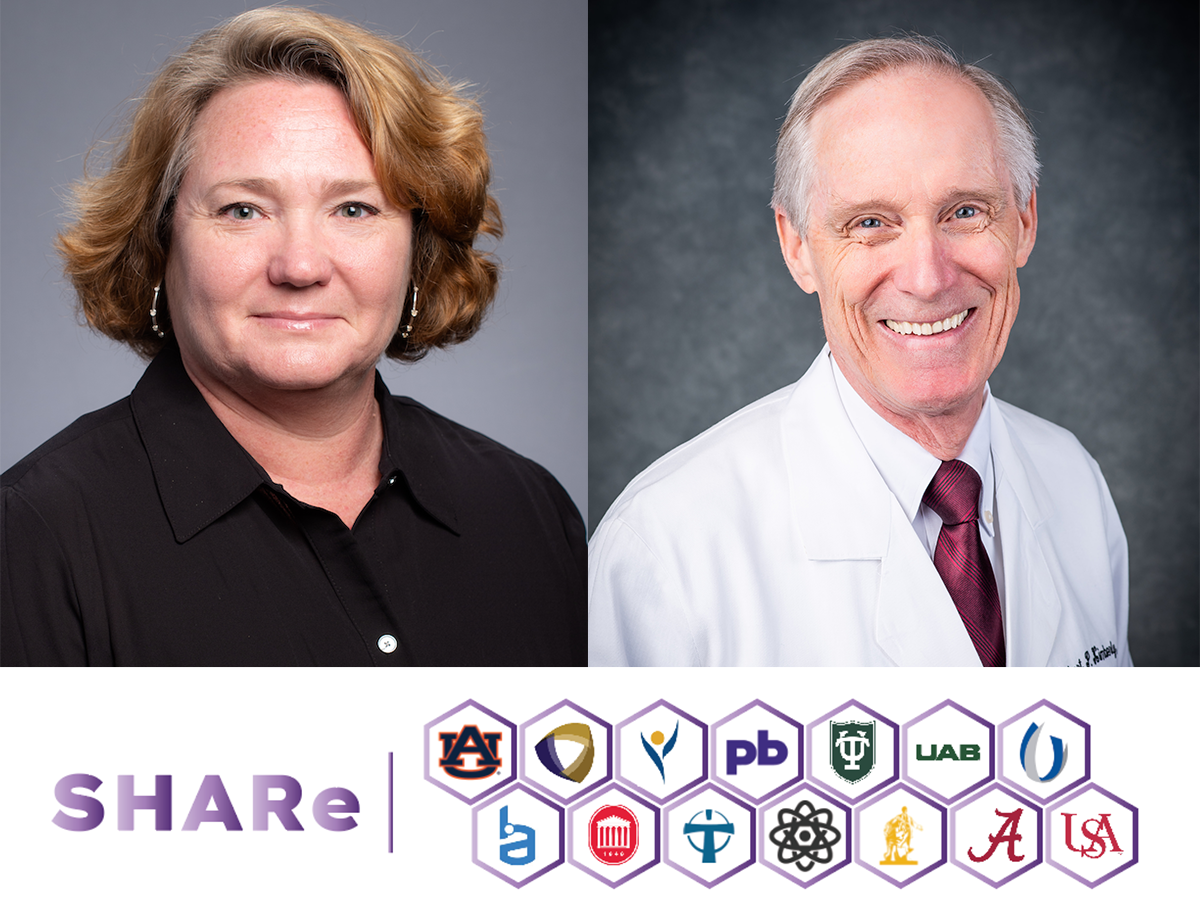
SHARe Welcomes New Leadership
Brian C. Moon – November 24, 2025
The CCTS extends its deep appreciation to Frannie Horn, JD, EdS, MA, and Robert P. Kimberly, MD, for more than a decade of visionary service to SHARe.The Center for Clinical and Translational Science (CCTS) Partner Network extends its sincere appreciation to Frannie Horn, JD, EdS, MA, former SHARe Administrative Director and Hub Liaison Team Operations Lead, and to Robert P. Kimberly, MD, former Chair and Medical Director of the SHARe Advisory Board, for more than a decade of visionary leadership.
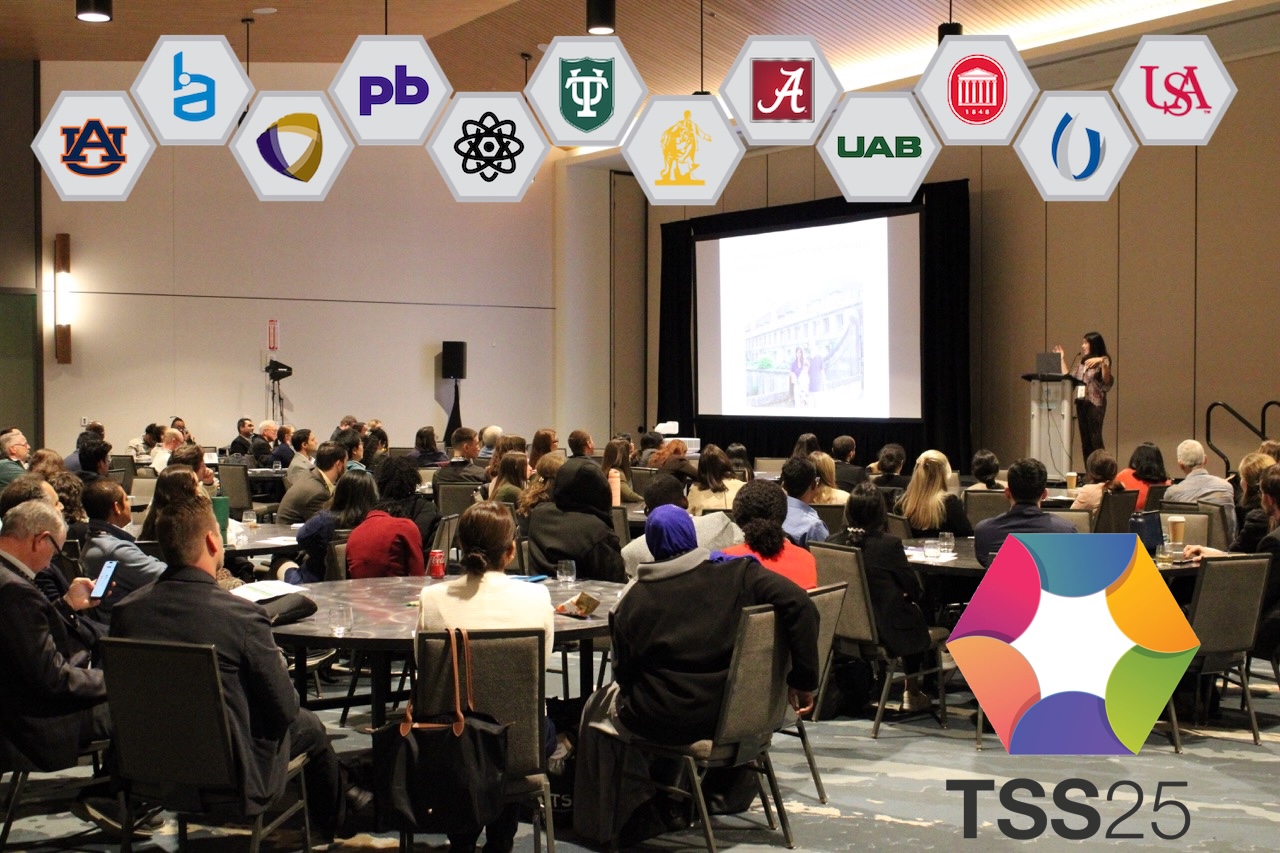
Advancing Discovery Together: 2025 CCTS Translational Science Symposium Recap
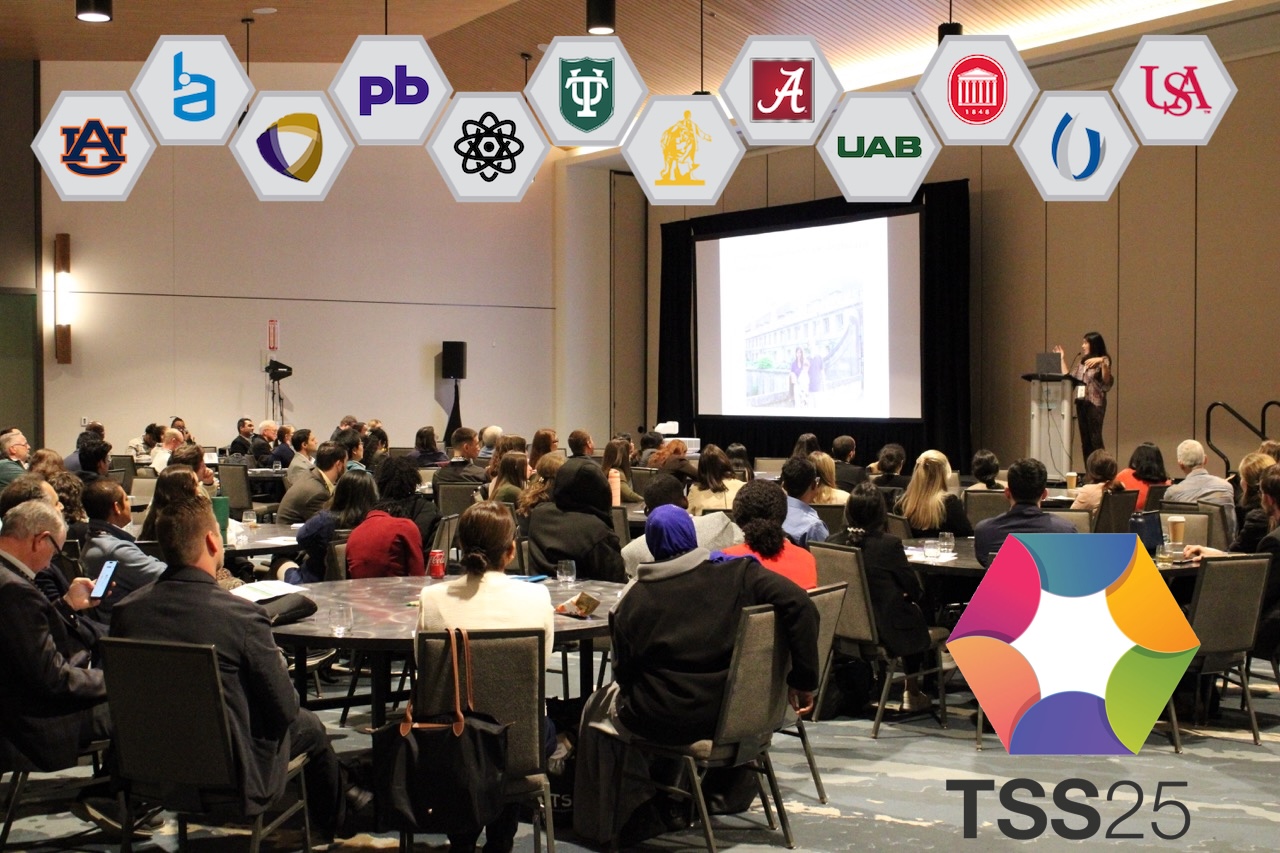 Over 120 trainees, scholars, faculty, and research professionals from across the CCTS Partner Network gathered in Gulf Shores, Alabama, for the 2025 CCTS Translational Science Symposium (TSS25), a one and a half day in-person event hosted October 30–31 at The Lodge at Gulf State Park. Designed to foster connection and collaboration across disciplines, this year’s symposium featured interactive workshops, skill-building sessions, and a celebration of research excellence.

Citizen Science for Health: Bridging Communities and Research
Written by Brian C. Moon – October 15, 2025
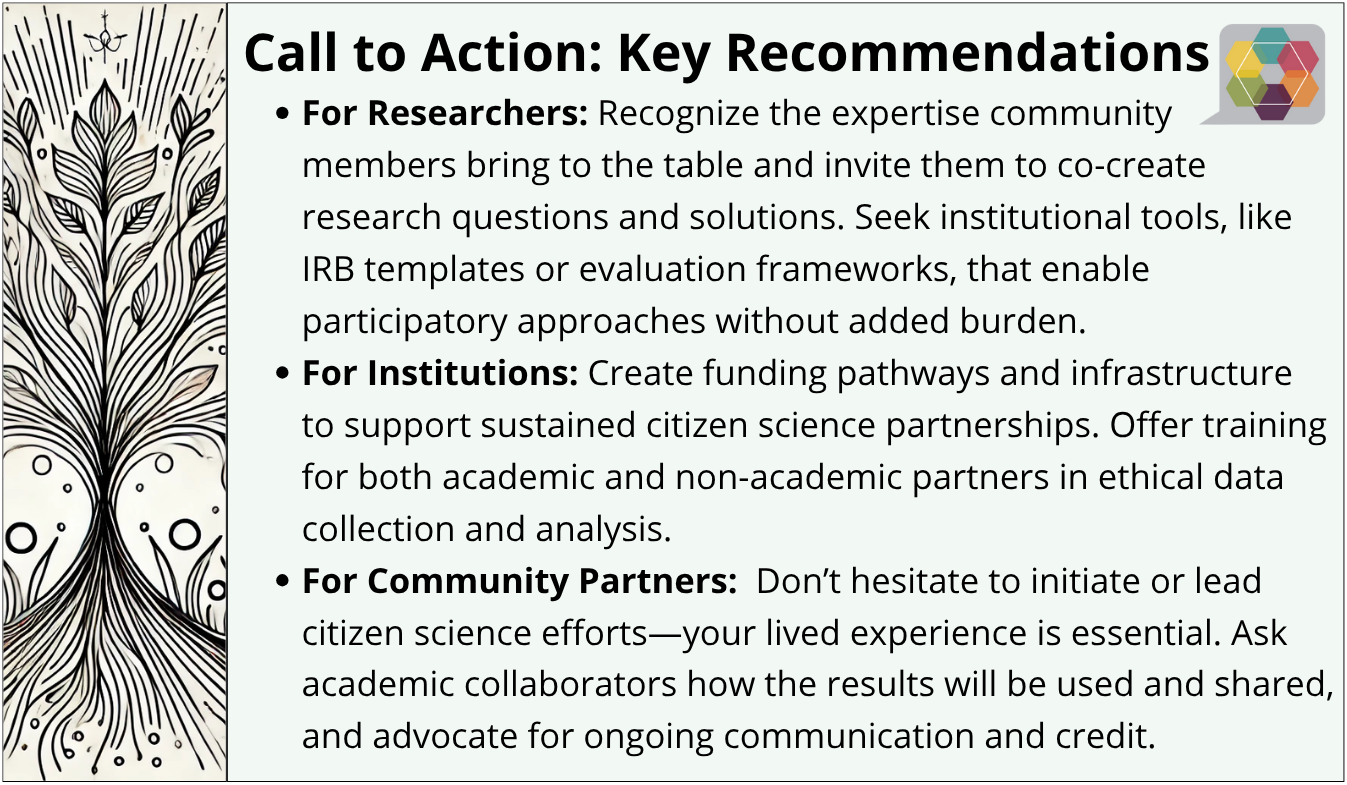
The Center for Clinical and Translational Science (CCTS) recently hosted a Community Engagement Institute (CEI) Perspectives panel discussion on September 26, 2025, exploring how citizen science can empower communities, reshape research, and redefine the relationship between science and the public. The virtual event, titled “Citizen Science for Health: Bridging Communities and Research”, convened researchers, community leaders, and practitioners from across the CCTS Partner Network for a dynamic conversation about participatory research and shared discovery.
Read more
CCTS In Focus: Dissemination & Implementation Science | Consultation and Research Advising Services
 Dissemination & Implementation Science bridges the gap between discovery and real-world practice, helping researchers turn evidence-based findings into lasting improvements in healthcare and public health. Through this campaign, the Center for Clinical and Translational Science (CCTS) will spotlight resources, training, and collaboration opportunities that support Dissemination & Implementation Science across the CCTS Partner Network.
CCTS Launches Latest RISE Leadership Cohort
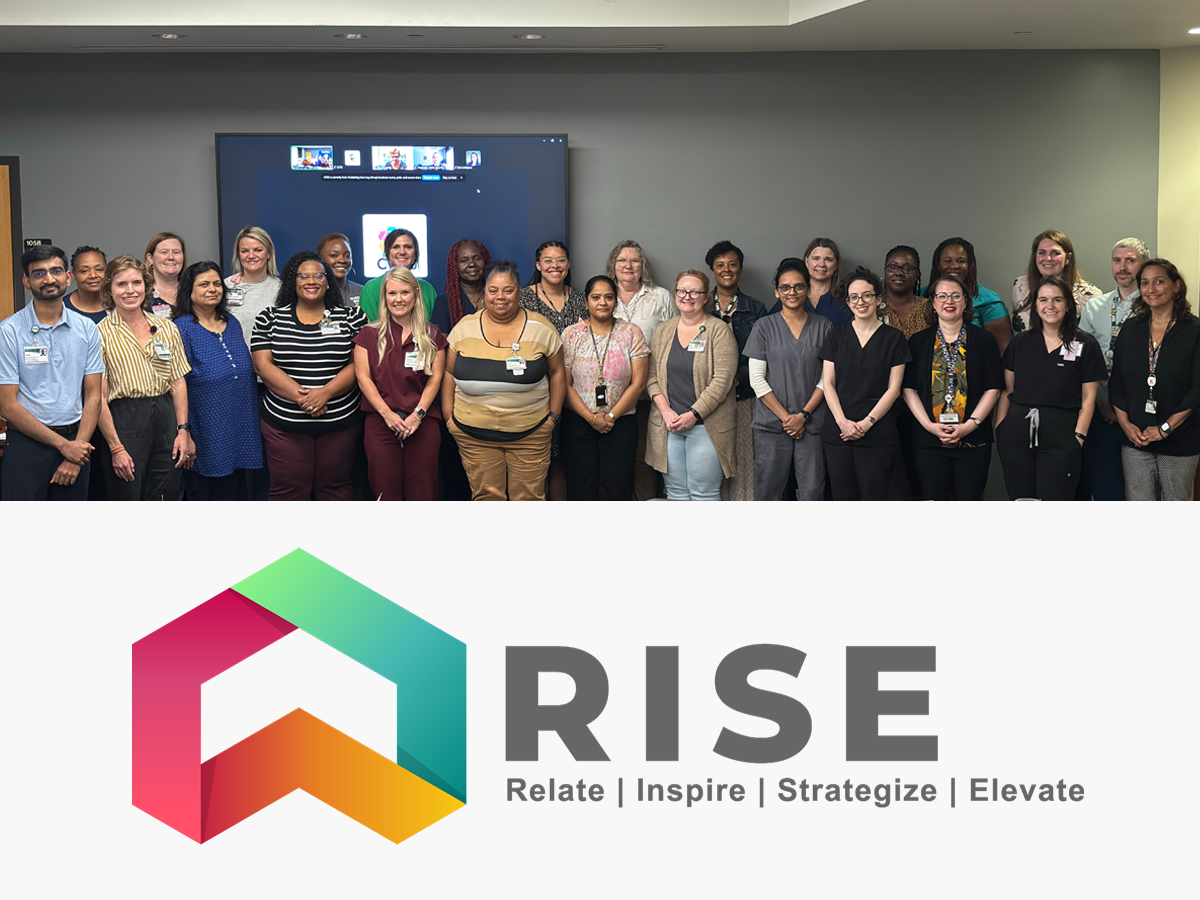
 The Center for Clinical and Translational Science (CCTS) is pleased to welcome the newest participants in the RISE Leadership Development Program, an initiative designed to equip clinical research professionals with essential leadership skills. This year’s 11-week program began in September and provides immersive, experiential training focused on developing scientific and organizational leaders in clinical and translational research.
What Does Your Research Need to be a Perfect 10?
Applying for an NIH grant funding can be intimidating, especially when new rules and regulations are introduced. The Simplified Peer Review Framework for most research project grants began in January of 2025. It has arranged the review criteria into three factors to focus reviewers on three central questions:
2. How rigorous and feasible are the methods?
3. Do investigators and institutions have the expertise and resources?
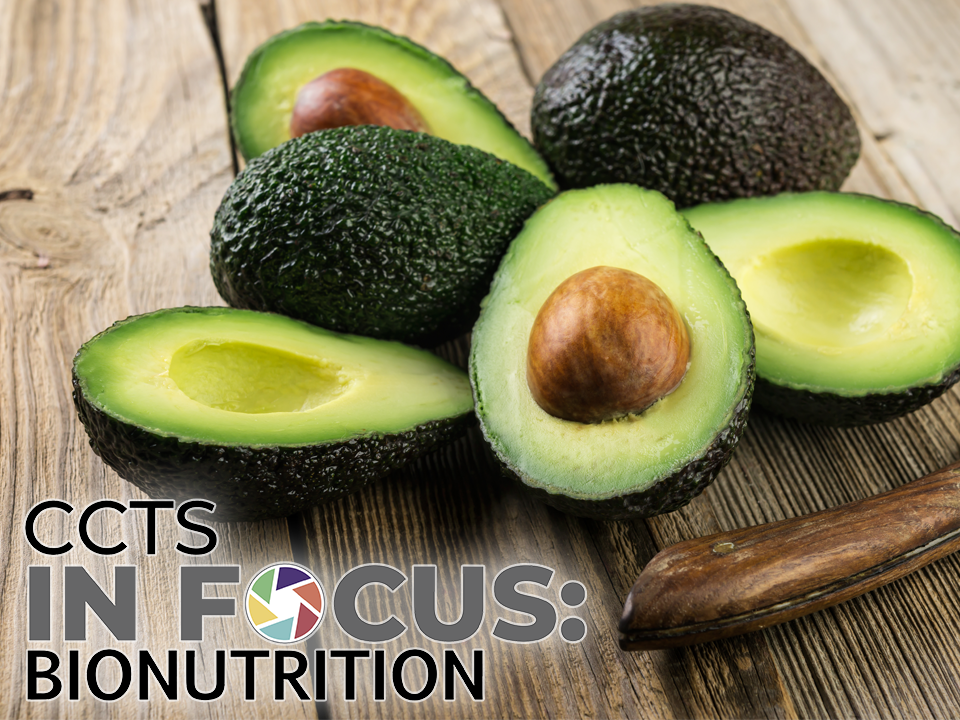
Basic Kitchen Skills: How to Slice an Avocado

CEI Perspectives: Navigating Partnerships Between Academia and Faith-Based Organizations
Written by Brian C. Moon – August 20, 2025
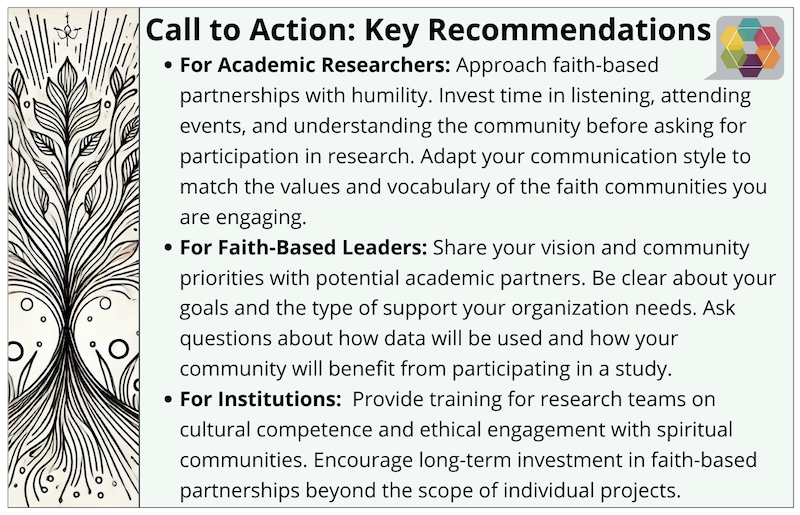
The Center for Clinical and Translational Science (CCTS) recently hosted a CEI Perspectives virtual panel titled “Navigating Partnerships Between Academia and Faith-Based Organizations,” drawing participants from across sectors for a robust conversation on trust-building, collaboration, and community-driven research. Held July 31, 2025, this session brought together scholars, spiritual leaders, and public policy professionals to explore how academic and faith-based partners can work together ethically and meaningfully.
Read more
Let The World See You for You: How to Be Seen, Stand Out, and Build Your Brand in the Translational Research Workforce
Written by Tyren Lucas – August 20, 2025
Every day, we wake up and, before getting started, pass by the mirror. The person in the mirror is someone you know well—someone you’ve spent a lifetime becoming. That person is you, but when you walk out the door, the world may not know that person. In the translational research workforce—where visibility can be low and competition, high—it is not always easy to make yourself known to the hiring managers, collaborators, or leaders who can shape your career path. The opportunities you’re looking for may never materialize if others don’t see your value. That’s why it’s essential for research professionals to find ways to be seen, stand out, and build a personal brand that reflects their expertise and aspirations.
Read more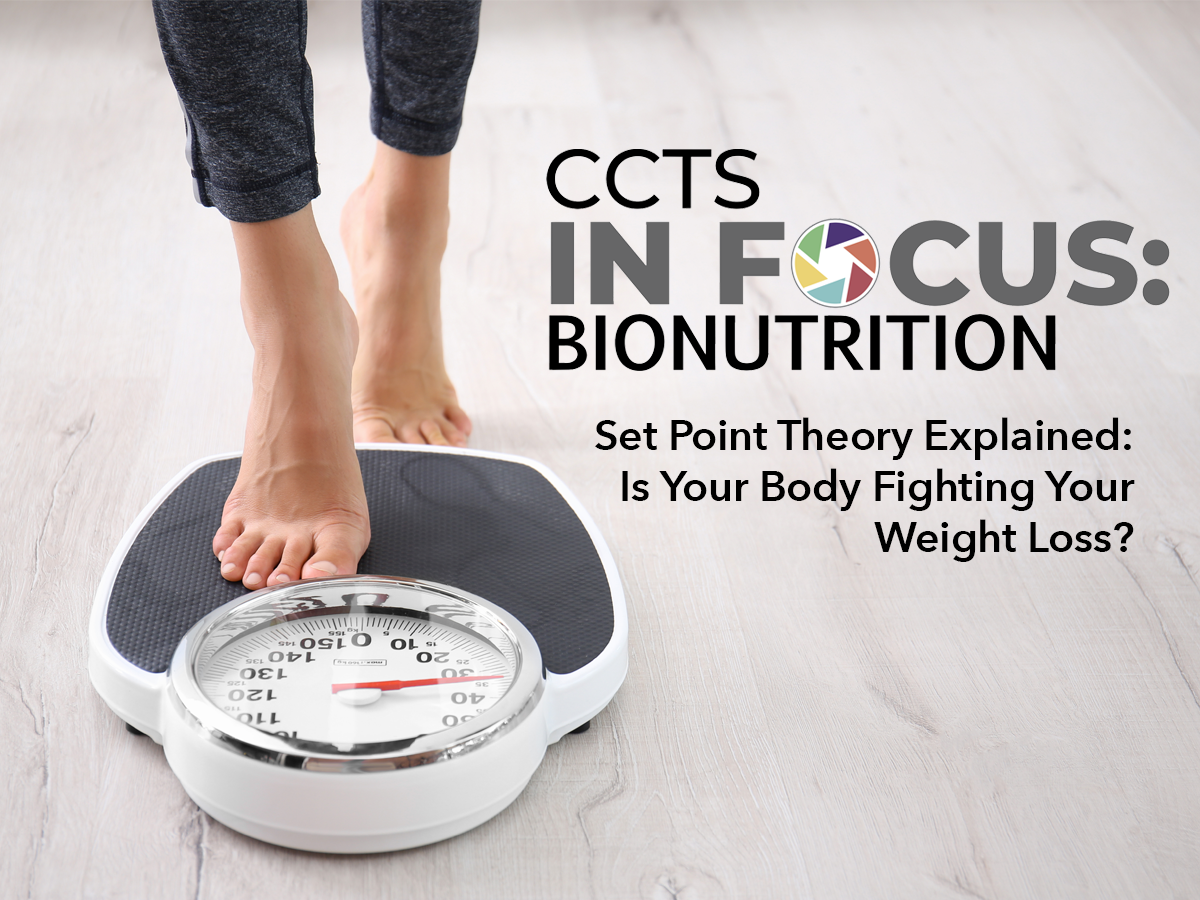
Set Point Theory Explained: Is Your Body Fighting Your Weight Loss?
Written by Ciara Mitchell, PhD, RDN, LD
More than 40% of U.S. adults live with obesity, increasing the risk of diabetes, heart disease, and certain cancers. While many people succeed in losing weight initially, studies show that more than half regain most of it within a few years.
Read more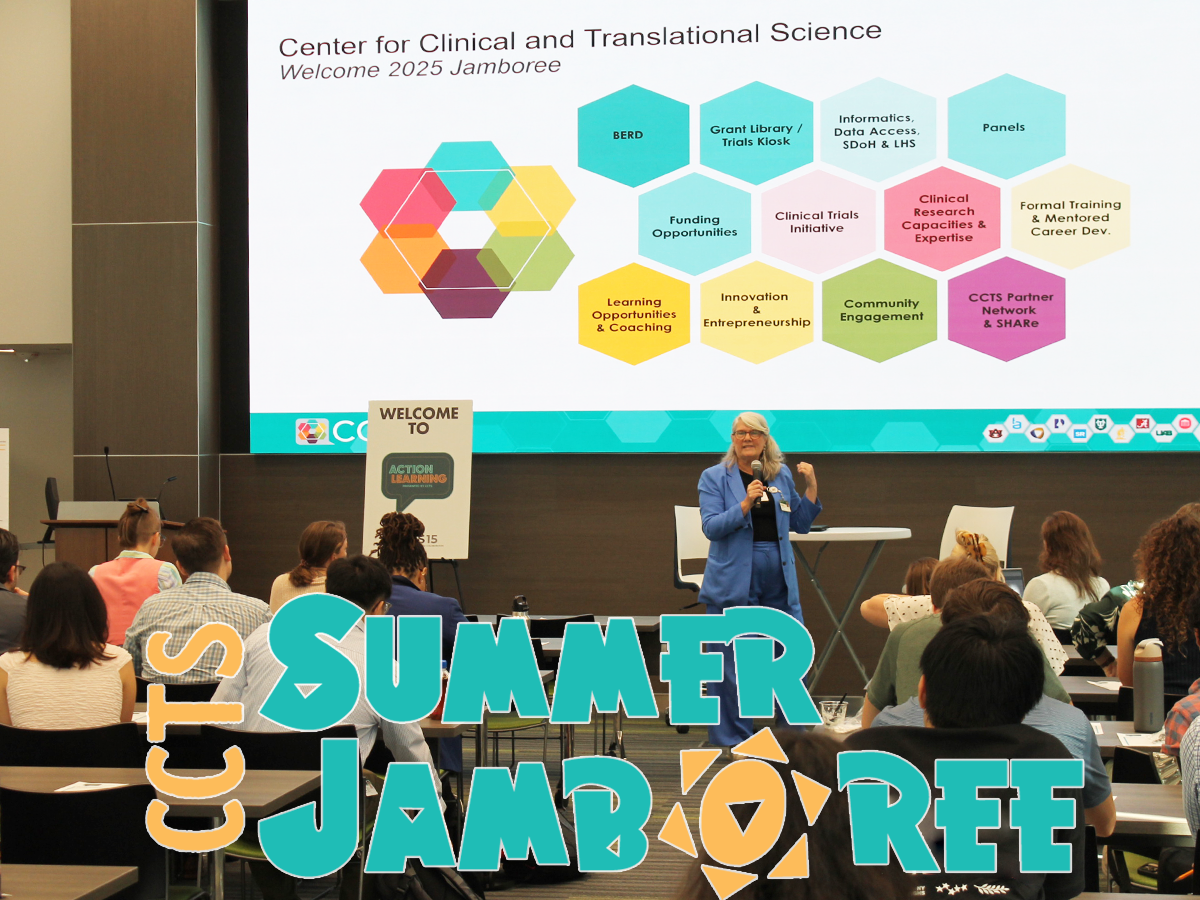
CCTS Summer Jamboree 2025: Connecting, Learning, and Growing Across the Partner Network
The Center for Clinical and Translational Science (CCTS) welcomed over 80 trainees, scholars, mentors, and institutional leaders from across the CCTS Partner Network for the 2025 CCTS Summer Jamboree on July 17th. Hosted at the Marnix E. Heersink Institute for Biomedical Innovation Conference Center on the campus of the University of Alabama at Birmingham (UAB), the half-day event offered participants a dynamic in-person experience filled with networking, skill-building, and practical insight into research resources and career pathways.
Read more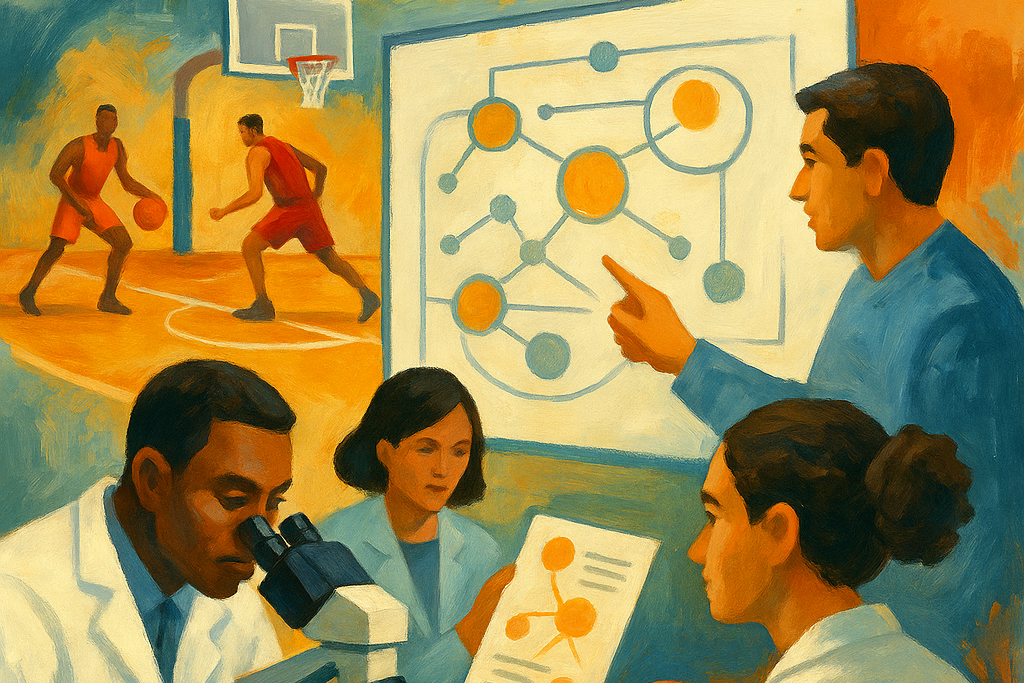
Teaming Up for Discovery: How Interdisciplinary Collaboration Bolsters Innovative Research Efforts
Congratulations to the 2025 CCTS Pilot Awardees

Roadblocks to Resilience: Top 5 Workforce Development Challenges in Translational Science

Breaking the Boundaries Symposium Sparks Bold Conversations on the Future of Health Research
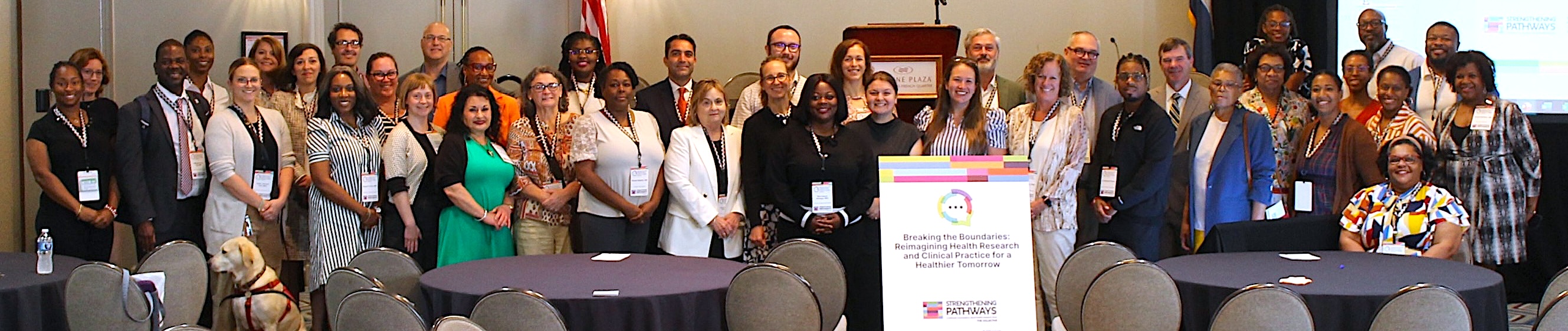
 On June 9–10, 2025, over 80 attendees gathered in New Orleans for Breaking the Boundaries: Reimagining Research and Clinical Practice for a Healthier Tomorrow, a two-day symposium focused on aligning research and care delivery to address today’s most pressing health challenges.
Read more
On June 9–10, 2025, over 80 attendees gathered in New Orleans for Breaking the Boundaries: Reimagining Research and Clinical Practice for a Healthier Tomorrow, a two-day symposium focused on aligning research and care delivery to address today’s most pressing health challenges.
Read more
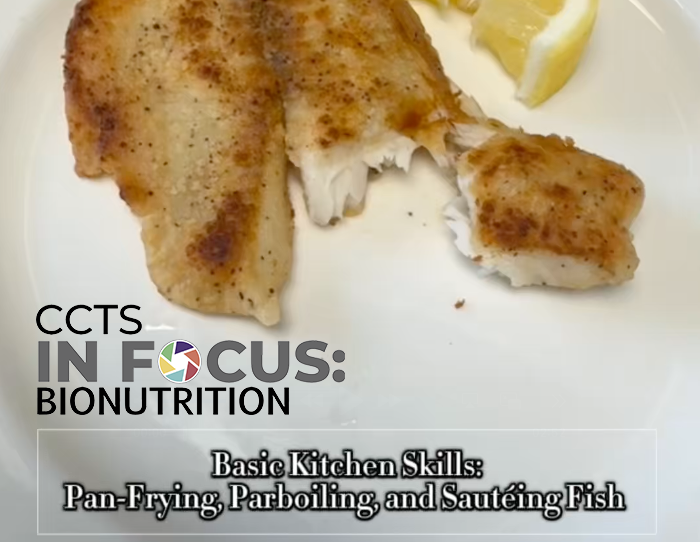
CCTS Bionutrition - Basic Kitchen Skills: Panfrying, Poaching, Sauteing
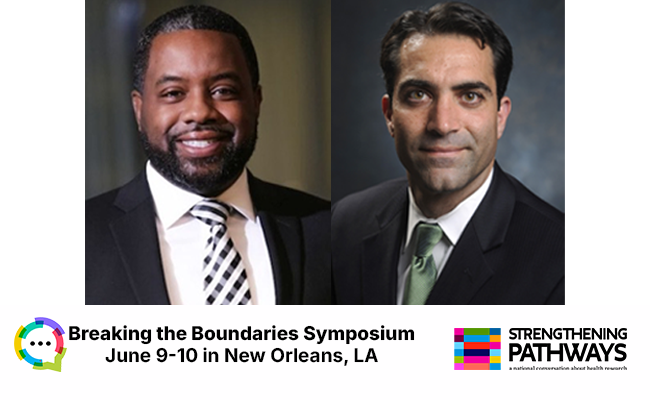
Collaborating for Change: Keynotes, Panels, and More at Breaking the Boundaries Symposium
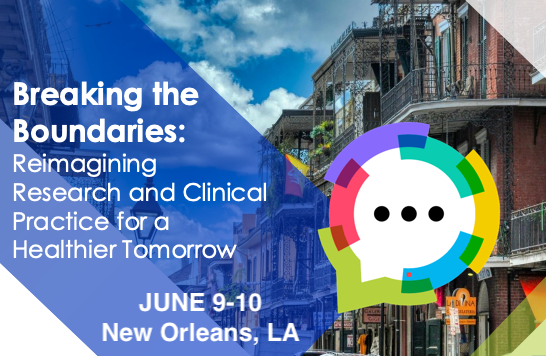 June 9–10, 2025 | Astor Crowne Plaza, New Orleans, LA
go.uab.edu/bbsymposium
Join national leaders in New Orleans June 9-10, 2025, for Breaking the Boundaries: Reimagining Research and Clinical Practice for a Healthier Tomorrow, a two-day event focused on improving how research and care delivery align to meet today’s most urgent health challenges. Read more
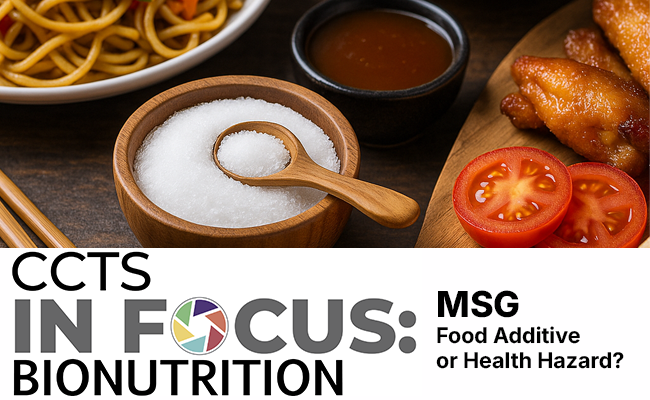
CCTS Bionutrition: MSG | Food Additive or Health Hazard?
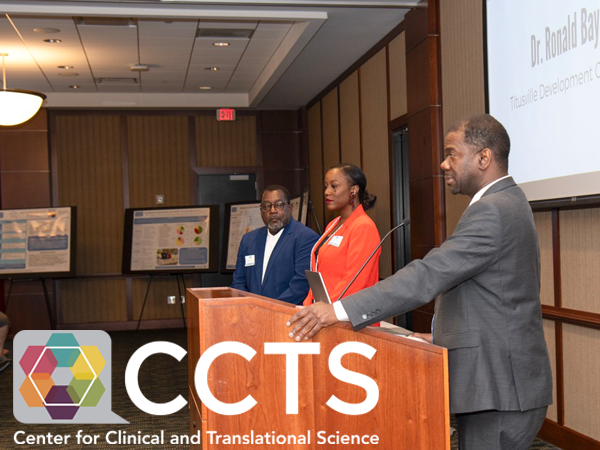
2025 Albert Schweitzer Fellowship Celebration of Service Awards
On April 12, 2025, at the 2025 Celebration of Service, the Albert Schweitzer Fellowship (ASF) of Alabama honored Dr. Janene Sims of the UAB School of Optometry and Dr. Ronald Bayles of the Titusville Development Corporation with the 2025 Outstanding Academic Mentor and Outstanding Community Site Mentor awards, respectively.
Read more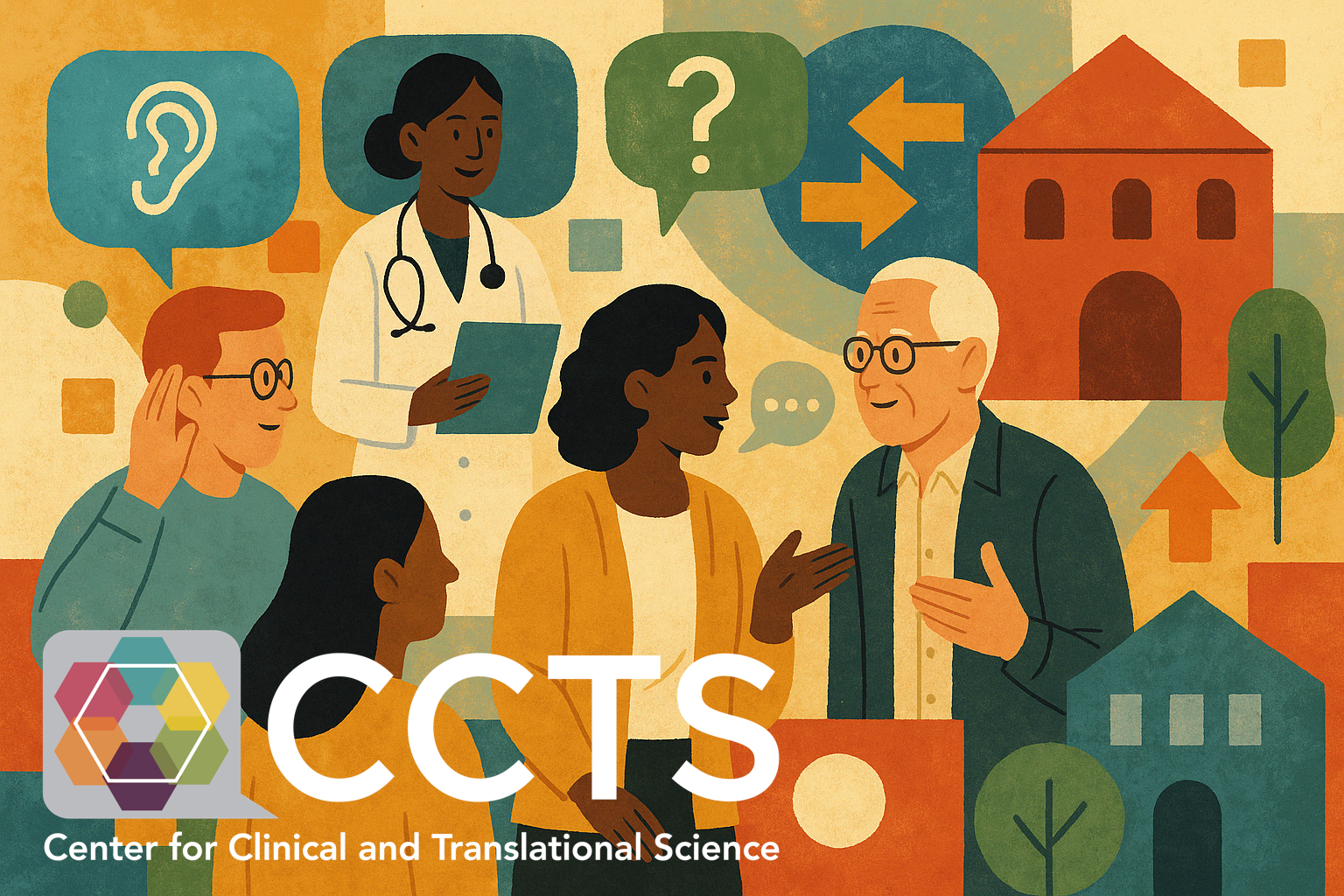
CEI Perspectives: Collaborative Approaches to Building Trust in Communities
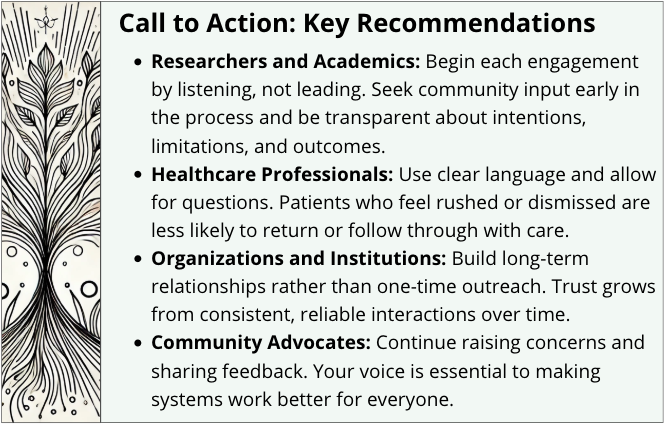 The Center for Clinical and Translational Science (CCTS) recently hosted the latest event in its Community Engagement Institute (CEI) Perspectives series, titled Collaborative Approaches to Building Trust in Communities.
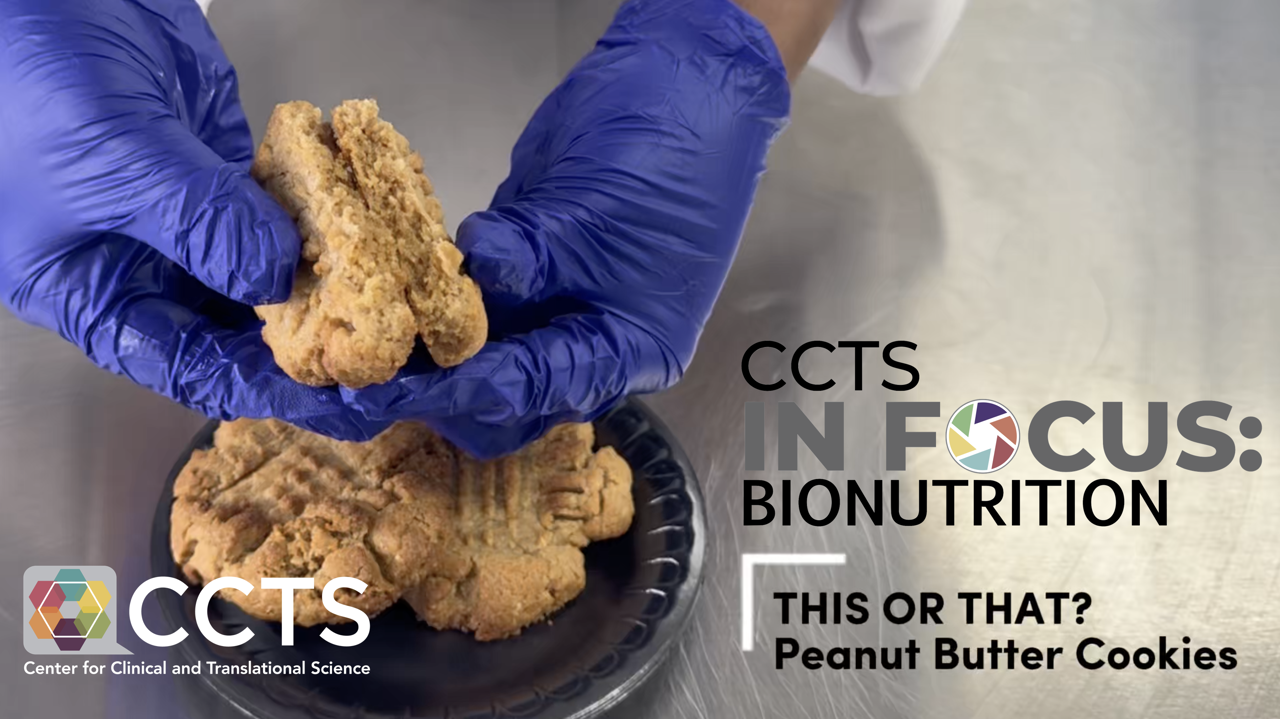
CCTS Bionutrition – This or That: Homemade vs. Packaged Peanut Butter Cookies
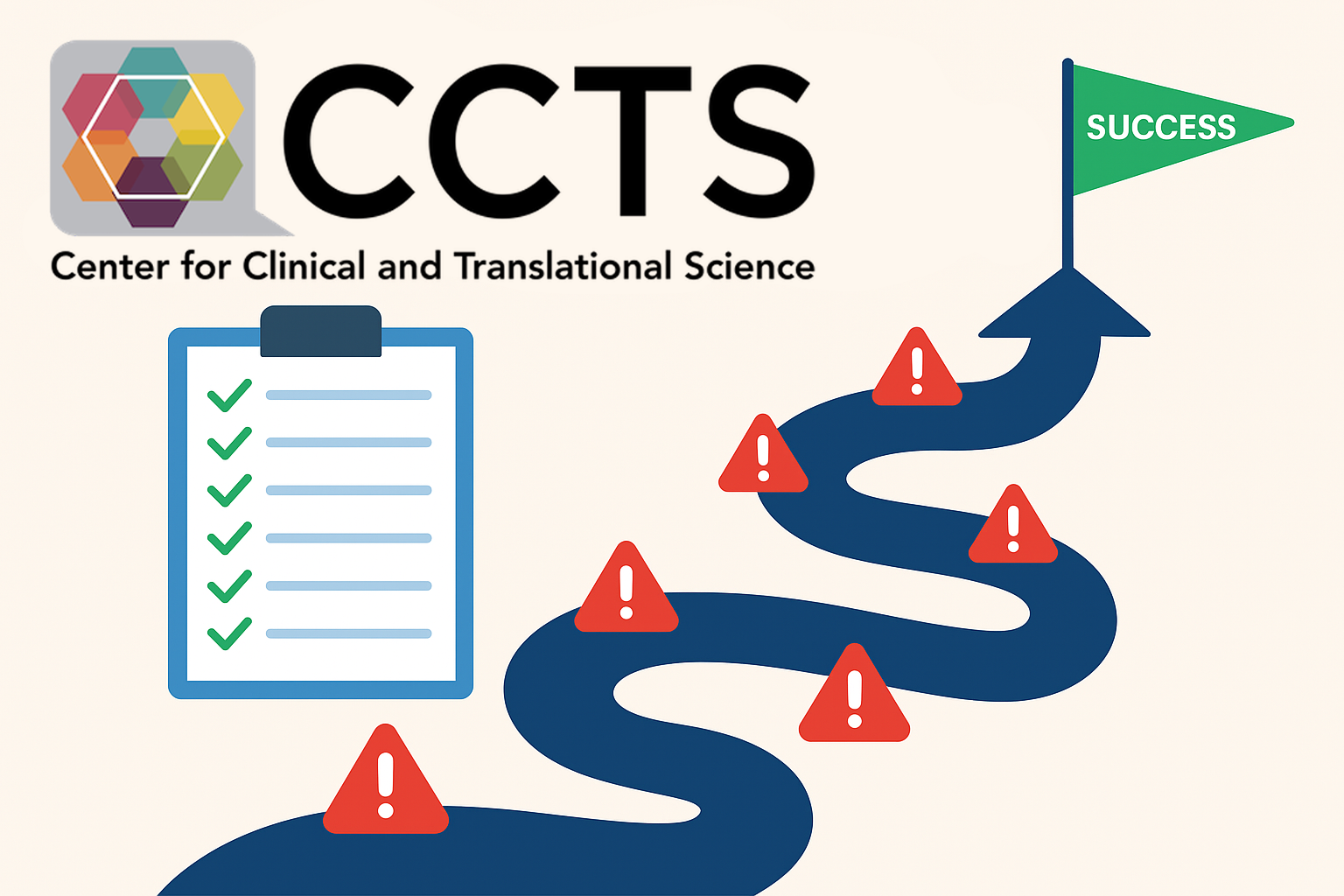
How to Navigate The NIH Grant Submission Process: Top 10 Pitfalls and Keys to Success
Applying for an NIH grant can be a daunting process. NIH grants are highly competitive and require a careful strategy in order to build a winning proposal.
Read more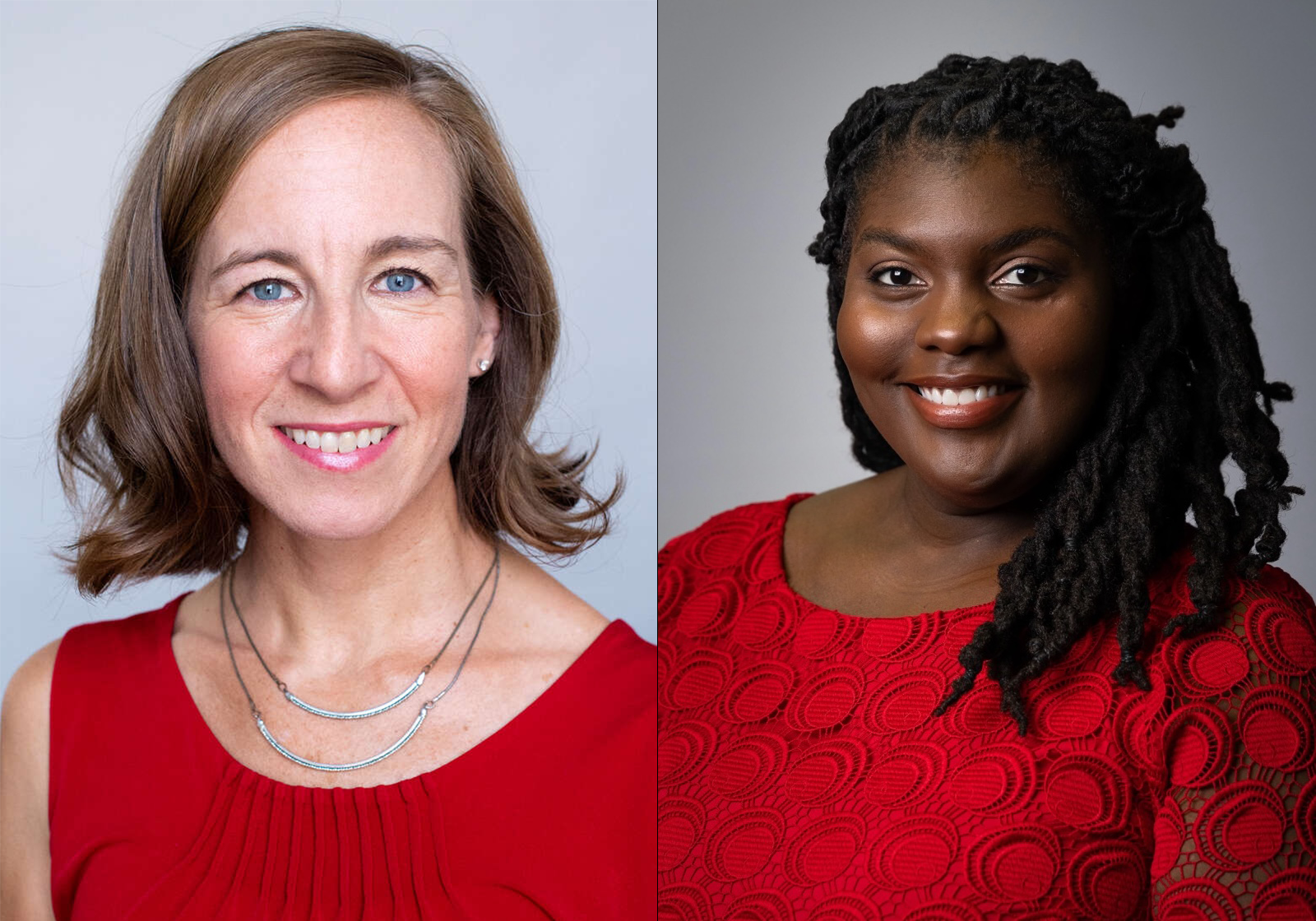
Groundbreaking Symposium Comes to New Orleans, June 9-10, 2025
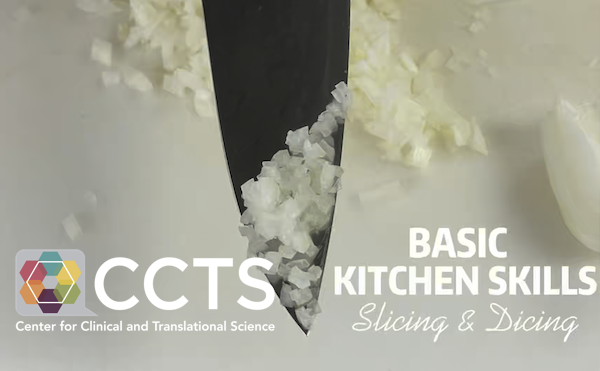
CCTS Bionutrition - Basic Kitchen Skills: Slicing & Dicing

Best Practices in Reconsenting From a Team Approach
 When reconsenting research participants, it's crucial to communicate clearly and explain any significant changes in the study. Provide a new consent form or addendum if applicable.
Read more
When reconsenting research participants, it's crucial to communicate clearly and explain any significant changes in the study. Provide a new consent form or addendum if applicable.
Read more
CCTS at the 2025 Southeast Regional Clinical and Translational Science Conference
The Center for Clinical and Translational Science (CCTS) strives to build synergistic collaborations across the CTSA consortium, elevating translational science to a new heights. From March 5-7th, 2025, the CCTS joined five other CTSA Hubs to convene in Pine Mountain, Georgia, for the annual Southeast Regional Clinical and Translational Science Conference.
Read more