October 2026
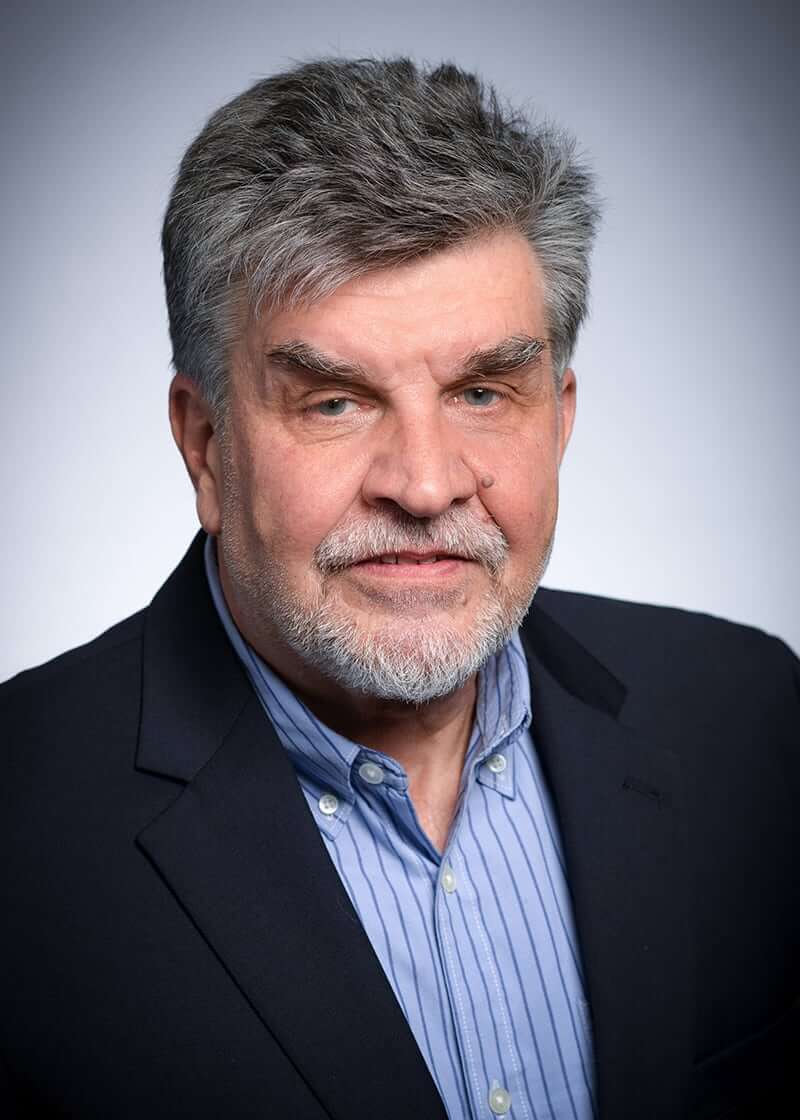
October 2026: Claudiu Lungu, PhD, MS clungu@uab.eduProfessor, Environmental Health Sciences
Describe your research in non-technical language
In general terms, my research is directed toward better characterization of environmental and occupational exposures and the development of methods to control these exposures. Specifically, I am interested in developing new technologies for sampling gases and vapors using photothermal desorption, developing novel respiratory protection devices incorporating activated carbon fibers, and developing composite materials for use in respirators, protective clothing, and environmental remediation.
What drew you into the field of research you are in?
My background in physics and materials science engineering has been a driving force behind my research in exposure assessment and personal protective equipment. At the same time, my commitment to protecting workers’ health, safety, and well-being has been central to my decision to conduct this research within a department associated with public health. This interdisciplinary environment allows me to apply my expertise to address occupational health challenges and develop technologies that can better characterize and control workplace exposures.
What brought you to the UAB School of Public Health?
To be honest, the first factor was the weather. Living in Minnesota for almost seven years gave me a different appreciation for the climate and lifestyle of the U.S. South. The second, and more important, factor was the presence of a dynamic National Institute for Occupational Safety and Health (NIOSH)-funded Education and Research Center. The Center provided the right environment for me to grow professionally, collaborate with colleagues across disciplines, and further develop my research agenda in occupational and environmental health.
What is the most exciting project you are currently working on?
The project being conducted by one of my doctoral students, Precious Diaz, Development of Nanofiber-Based Materials for Use in Personal Protective Thermal Clothing, is the research project I am currently most excited about. Although the project is still in its early stages, I believe it has significant potential to benefit workers who are exposed to hot environments. Current protective clothing can provide effective protection against radiant heat, but often lacks comfort and breathability, which can be a significant concern for firefighters, foundry workers, and others who must wear this type of protective clothing for extended periods. As we move forward with this project, I am learning something new every day. The interdisciplinary nature of the research, particularly the opportunity to combine materials science, nanotechnology, occupational exposure assessment, and worker protection, makes this project particularly exciting for me.
What professional accomplishment(s) are you most proud of so far in your career?
I believe my greatest professional achievement has been mentoring doctoral and master’s students. To date, I have served as the major adviser for 20 doctoral students, co-advised six additional doctoral students, and mentored numerous master’s students. I am particularly proud of the contributions they have made through their careers to improve the health and well-being of workers in a variety of occupational settings.
From a research perspective, I am most proud of our work developing a new type of personal sampler for gases and vapors based on carbon nanotubes, using photothermal desorption as its central feature. Although the project is still ongoing, it represents a new approach to personal sampling and laboratory analysis. The project has involved the contributions of three doctoral students, sequentially, as well as two master’s students. Together, their work has opened a new paradigm for personal exposure with the potential to improve analytical sensitivity while reducing the use and waste of chemicals in the laboratory.
In your career so far, how have you been able to overcome unforeseen challenges? What advice would you give to other investigators meeting unforeseen challenges?
I don't think I have always been successful in overcoming the challenges associated with limited or inadequate funding, or with the difficulty of communicating the importance of research whose impact may not be immediately visible. At times, I have become frustrated and even lost confidence in whether I was making the right choices. However, I have learned that research is a little like riding a mountain bike. You fall, you get back up, and you keep riding because you still know how to do it. The challenges may slow you down, but they do not necessarily change the direction you want to go. Ultimately, much of my motivation comes from my students. Knowing that they depend on my guidance and support has helped me overcome difficult periods. In many ways, mentoring my students has given me the motivation and perspective to persevere when the research environment has been challenging.
How do you see your field evolving in the next five years?
These are challenging times for conducting research in environmental and occupational health. At the same time, I believe there is an enormous need for research aimed at protecting both the environment and workers as new technologies and industries continue to emerge. The rapid development of renewable energy technologies, electric vehicles, data centers, and new materials is creating new and, in many cases, poorly understood environmental and occupational exposures. The increasing use of artificial intelligence is also accelerating the development and production of new materials and technologies, potentially introducing additional challenges that we need to anticipate. I believe the next several years will bring important developments in how we produce and use energy, including renewed interest in nuclear energy. These changes will create new research questions and will require a strong scientific foundation to ensure that emerging technologies are developed and implemented safely. They will also increase the need for well-trained environmental and occupational health professionals who can identify emerging hazards, characterize exposures, and develop effective strategies to protect workers and the environment.