Summer can be a meaningful time for family vacations, special events, and much-needed breaks from everyday routines. If you’re receiving radiation therapy, it’s natural to wonder whether travel is still possible and how to do it safely. For many patients, summer travel is achievable with thoughtful planning, flexibility, and close communication with your radiation oncology care team.
Hear from UAB Department of Radiation Oncology experts about how to travel safely while staying on track with treatment and recovery.
Is travel possible during radiation therapy?
For most patients, travel is possible with precautions in place. The most important factors are planning, listening to your body, and being realistic about how treatment may affect your energy and comfort levels while away.
“Staying hydrated, limiting sun exposure, and avoiding missed treatments are essential,” said Jessie Gross, manager of ambulatory services in the UAB Department of Radiation Oncology.
Radiation oncologists recognize that important trips and family milestones matter. Early conversations give your care team the best opportunity to safely adjust schedules or help you decide on the timing that makes the most sense.
“Your doctor understands how important it is to have these experiences, and we will work with you to accommodate your travel plans as much as possible,” said Andrew McDonald, M.D., associate professor in the Department of Radiation Oncology.
Managing heat, sun, and radiation side effects
Summer heat and humidity can intensify common radiation side effects, making careful planning even more important.
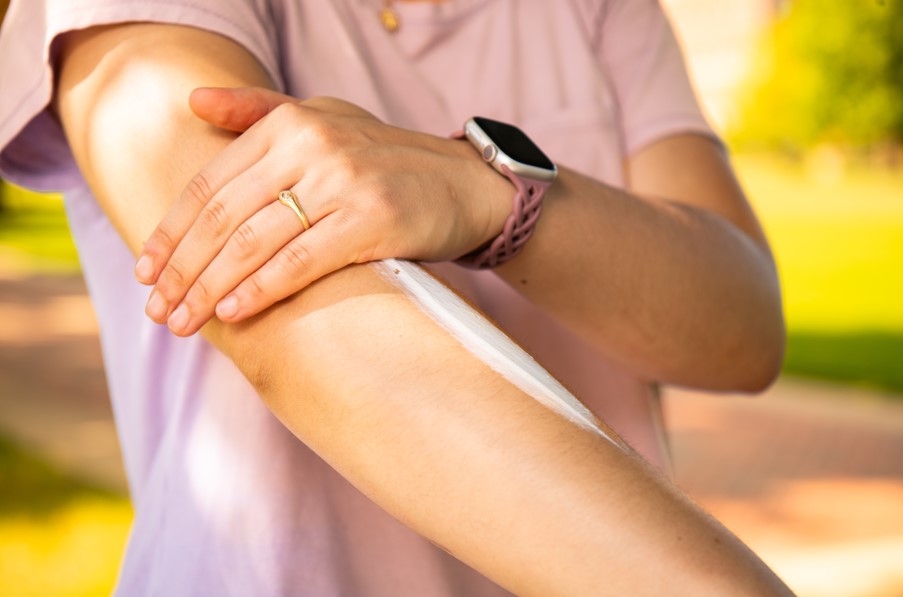
“These conditions can make side effects like fatigue and skin irritation feel worse,” Gross said. “Patients may feel more tired and overheated more quickly. Radiation-treated skin can burn or become irritated easily in the sun.”
Hydration plays a critical role not just during treatment, but throughout recovery.
“It is important to stay well hydrated while your body is recovering from radiation treatment,” said Hunter Boggs, M.D., associate professor in the Department of Radiation Oncology. He also advises avoiding direct sun exposure on areas actively receiving radiation, as treated skin is especially sensitive.
Summer activities and water safety
“Summer activities don’t have to be avoided completely, but they may need to be limited or done more carefully,” Gross said. Patients should avoid direct sun exposure to the treatment area, pace themselves, and rest when fatigue sets in rather than pushing through exhaustion.
Water-based activities require special attention.
“If you have raw areas of skin or open wounds during radiation treatment, it is advisable to avoid submersing in water such as a pool, hot tub, lake, or Gulf,” Boggs said. “Showers or baths in clean water are generally okay, but individual cases should always be discussed with your physician.”
The best timing for travel
When you travel, timing can matter just as much as where you go. Side effects often build gradually over the course of treatment.
“Side effects often start or get worse about two weeks into radiation treatment,” Gross said. Because of this, some patients may find that travel is easier earlier in treatment, before symptoms become more pronounced.
Side effects can also peak after treatment ends.
“The first two weeks after treatments are finished are often the peak of radiation side effects,” Boggs said.
For patients hoping to plan a post-treatment trip, giving yourself extra recovery time can make a big difference.
“It may be best to wait an additional two to four weeks for a full recovery so you can enjoy your trip more,” McDonald said.
Keeping up with treatment while traveling
Maintaining a consistent treatment schedule is essential for radiation therapy to work effectively. Because of this, short weekend trips are often easier to manage since they typically don’t interfere with treatment appointments. If longer travel is being considered, notifying your care team well in advance allows them to help you explore safe options.
Neither flying nor long car trips are off-limits for most patients, but comfort and safety should guide your decisions, particularly in hot weather.
“Make sure you maintain a cool environment with plenty of access to hydration and nutrition,” McDonald said. He also encourages patients to talk with their doctor about individual medical considerations, such as the risk of blood clots associated with prolonged sitting during travel.
When to consider postponing travel
There are times when postponing travel may be the safest choice.
“Patients should delay travel if they feel very tired, their symptoms are getting worse, or they are having trouble eating or drinking enough,” Gross said.
Travel should also be reconsidered if side effects would make the trip uncomfortable, unsafe, or overly exhausting.
Talk with your care team first
Before making summer travel plans, communication is key.
“Patients should talk with their care team about how travel might affect their treatment schedule and whether it is safe for them to go,” Gross said. Conversations should include:
- Expected side effects
• Energy levels
• Skin care needs
• What to do if symptoms arise while traveling
“Try to communicate potential travel plans far in advance to allow your radiation team to best accommodate your schedule in a safe manner,” Boggs said.