Breast cancer treatment is not one-size-fits-all, and researchers in the UAB Department of Radiation Oncology are working to make care more personalized than ever before.
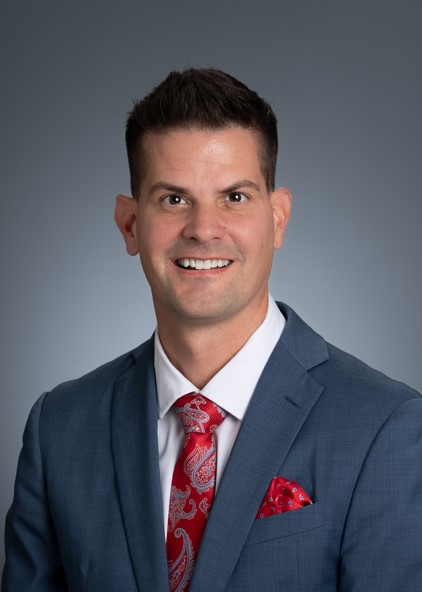
For Corey Speers, M.D., Ph.D., professor and chair, Merle M. Salter Endowed Chair of Radiation Oncology, and senior advisor in the O'Neal Cancer Center, the goal is simple: help physicians determine which patients need more treatment, which patients may need less, and how to improve outcomes for those with aggressive disease.
“We are trying to answer a question that comes up every day in breast cancer care: What treatment does this particular patient need?” Speers said.
A major focus of Speers’ research, which is supported through his status as a Breast Cancer Research Foundation Investigator, is understanding how tumor biology can guide treatment decisions. Through studies such as POLAR and ARTIC, researchers are examining whether biomarkers can identify selected patients who may safely avoid radiation therapy after surgery, while also identifying those who remain at higher risk of recurrence and may benefit from more intensive treatment.
“I am excited that we are getting closer to using tumor biology to answer specific treatment questions,” Speers said. “For some patients, that may ultimately mean safely avoiding treatments that are unlikely to improve their outcome.”
The laboratory is also studying ways to make radiation therapy more effective for aggressive breast cancers, including triple-negative and inflammatory breast cancer. Researchers are investigating why some tumors resist radiation and testing drug combinations that may make cancer cells more vulnerable to treatment.
“Some cancer cells are particularly good at repairing the DNA damage radiation causes,” Speers said. “Our studies ask whether we can disable parts of that repair machinery and make treatment more effective.”
One promising area of research involves combining radiation with targeted therapies. Speers’ team recently completed a clinical trial evaluating ribociclib (Kisqali), a targeted therapy that helps slow the growth of certain breast cancer cells, alongside radiation therapy for patients with high-risk hormone receptor-positive breast cancer. The trial grew from laboratory findings showing the combination was more effective than either treatment alone in preclinical models.
Researchers are also investigating whether some patients can safely receive less treatment while others may benefit from more intensive approaches based on the biology of their cancer.
Research efforts are focused not only on improving outcomes but also on reducing the burden of treatment for patients and families. Advances in radiation therapy now allow some patients to complete treatment in as little as one week, reducing travel, missed work and other disruptions to daily life.
“For a patient traveling a long distance for care, fewer visits may mean less time away from work, fewer childcare arrangements, and less strain on the family,” Speers said.
Speers emphasizes that progress in breast cancer treatment depends on collaboration among physicians, scientists, and patients who participate in clinical research.
“Success would mean having stronger evidence for the conversation we have with each patient about what treatment is likely to accomplish,” Speers said. “For one patient, that could mean confidently avoiding unnecessary treatment. For another, it could mean identifying a treatment combination that gives us a better chance of preventing recurrence.”
During Breast Cancer Awareness Month, Speers hopes patients and families recognize the impact of research on improving care and outcomes.
“I want patients and families to know that progress is real,” Speers said. “We are learning how to match treatment more closely to the biology of each cancer. Those advances reflect years of sustained investment in research.”