March is National Social Work Month, a time to recognize the vital role social workers play in advancing patient care, supporting families, and strengthening communities. Across the UAB Department of Psychiatry and Behavioral Neurobiology, social workers serve as advocates, therapists, care coordinators, and leaders, often walking alongside patients during some of the most vulnerable moments of their lives.
This month, the department is proud to highlight three outstanding social workers whose dedication, compassion, and expertise embody the mission of UAB Psychiatry. Their work improves outcomes and restores hope for patients every day.
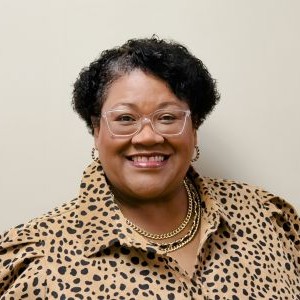 HSF–Sparks: Shawnneice Brock, MSW, LICSW-S, PIP
With nearly 40 years in the mental health field, Shawnneice Brock, MSW, LICSW-S, PIP, brings a depth of experience and humanity to her work with patients. A graduate of UAB with a bachelor’s degree in social work and a minor in gerontology, Brock went on to earn her master’s degree in social work from The University of Alabama in 1987. She joined UAB in 2003 and has spent 23 years in the Department of Psychiatry and Behavioral Neurobiology.
Brock began her UAB career as an inpatient psychiatric social worker at the Center for Psychiatric Medicine, where she served for approximately 15 years before transitioning to HSF–Sparks as a clinical psychotherapist in 2019.
Her inspiration to become a social worker began early.
“I was inspired by my mother, who worked in social service agencies,” Brock said. “I spent summers working with her in programs serving older adults, and that’s how I fell in love with the geriatric population.”
Brock enjoys working with older adults but also treats individuals and couples experiencing mood disorders, grief, trauma, and coping challenges. Her therapeutic approaches include cognitive behavioral therapy, dialectical behavioral therapy, trauma‑informed care, and solution‑focused therapy. She also has extensive experience working with individuals with serious mental illness and their families. As a licensed and ordained pastor, Brock can integrate spirituality into treatment when desired by patients.
“The most meaningful part of my work is building rapport and trust,” Brock said. “Holding a person with dignity, respect, care, and compassion creates a powerful foundation for growth and change.”
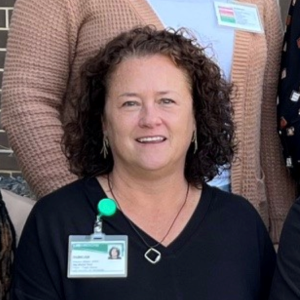 Community Psychiatry Program: Duncan Gibson, MSW
Duncan Gibson, MSW, has spent 23 of her 25 years as a social worker serving patients at UAB Community Psychiatry Program (CPP) through the REACT Program. Her path to social work began with a bachelor’s degree in philosophy, with a focus on ethics and political systems.
The emphasis on ethics and social justice made social work a natural transition for Gibson. Personal experiences with family members living with serious mental illness further shaped her commitment to the field.
Gibson completed her second‑year field placement at CPP in 2001 and officially joined the staff in 2003. Through REACT, she works primarily with individuals living with schizophrenia or schizoaffective disorder, many of whom also experience co‑occurring substance use disorders and housing instability.
What sets the REACT model apart, Gibson says, is the ability to meet patients where they are, literally.
“Seeing patients in their homes and communities gives a more complete understanding of their strengths and struggles,” she said. “I value the long‑term approach, where we can witness meaningful progress over the years.”
Gibson describes the work as deeply rewarding, from helping individuals secure stable housing and avoid repeated hospitalizations to supporting recovery from substance use disorders and reuniting families.
“For me, there’s no burnout,” Gibson said. “The rewards are overwhelming walking alongside someone on their recovery journey is incredibly meaningful.”
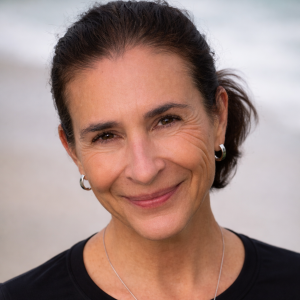 Center for Psychiatric Medicine: Elizabeth Kilgore, MSW, LICSW-S, PIP
Elizabeth Kilgore, MSW, LICSW-S, PIP, has been a social worker for 30 years and has spent the past nine-and-a-half years at the Center for Psychiatric Medicine, where she plays a key role in both patient care and professional development.
Her clinical background includes eating disorders, addictions, and psychotic disorders, with experience in acute inpatient settings and private practice. Though she initially planned to become a psychologist, Kilgore discovered social work near the end of her academic path and quickly realized it was the right fit.
“I’ve always been fascinated by human behavior, mental illness, hope, and connection,” she said.
At CPM, Kilgore leads group therapy on the high‑acuity and addiction units. She also co‑developed a trauma group to address the unrecognized trauma histories many patients bring with them into treatment. In addition, Kilgore supervises MSW interns and provides clinical supervision for social workers pursuing licensure.
“It’s hard to put into words what it feels like to see someone admitted with severe, debilitating symptoms regain independence and rediscover joy,” Kilgore said. “The patients, and my colleagues, are truly why I come to work. They make my heart smile.”