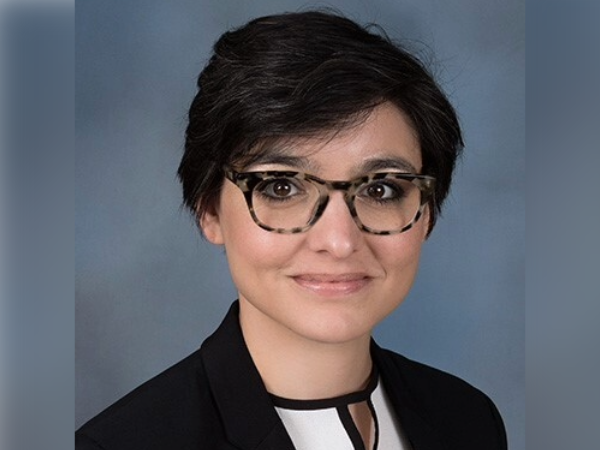
 Felicia Hataway, M.D.UAB researchers are part of an international study investigating a drug that could potentially stop or slow bleeding in the brain, also known as an intracerebral hemorrhage. Caused by the rupture of a blood vessel in the brain, intracerebral hemorrhage is the second leading cause of stroke, responsible for up to 30 percent of all strokes.
The study, dubbed the FASTEST study, will be conducted at more than 100 hospitals in the United States and abroad. Sponsored by the National Institutes of Health, it will examine a protein called recombinant factor VIIa, or rFVIIa, which the body makes to help stop bleeding at the site of an injury to a blood vessel. rFVIIa is FDA-approved for use in patients who have an inherited lack of clotting factors.
The brain injury from ICH is usually very severe; more than 40 percent of people with ICH die within a month, and only 20 percent can independently care for themselves after six months. In addition, the window of treatment is small: most of the bleeding occurs within a few hours of onset of symptoms.
“While several treatments are available for ischemic strokes during the first 24 hours, including medications that can dissolve blood clots and procedures that can remove them, there is no equivalent treatment for hemorrhagic strokes,” said Felicia Hataway, M.D., stroke specialist and assistant professor in the UAB Department of Neurology. “Because we live and work in the ‘Stroke Belt,’ where stroke rates are among the highest in the country, we have a responsibility to study new treatments that could help our patients. This medication has the potential to become an important tool in how we care for people having a stroke.”
Patients in the FASTEST study will be randomly placed into one of two groups. One group will get rFVIIa intravenously within 90 minutes to 120 minutes of the onset of a brain bleed, while the second group gets a placebo. The two-hour treatment window covers the time when bleeding in the brain is usually most severe. Medical care will be otherwise identical for the two treatment groups, including close management of blood pressure and care within an intensive care unit. There is an enhanced risk of arterial thrombosis, or blood clots, with use of rFVIIa, which investigators will monitor closely.
“Many bleeding strokes are so severe that patients cannot speak or make medical decisions for themselves when they arrive at the hospital,” Hataway said. “If we only studied patients who could provide consent, we might never learn whether this treatment helps those who are most seriously affected. The FASTEST trial follows federal guidelines that allow certain emergency research studies to enroll eligible patients who are unable to provide consent when time is critical. This special set of government rules is known as ‘exception from informed consent.’”
EFIC trials are used in instances of a life-threatening illness or injury when the prospective patient population is unconscious or too sick to provide informed consent to be enrolled in a trial. The federal rules for EFIC trials were developed in 1996. EFIC studies are held to the highest ethical standards and undergo scrutiny by multiple agencies. Researchers must show there is reasonable evidence the study has the potential to provide real and direct benefit to the patient. The study must have indications that the study treatment could be more effective and provide better outcomes than other currently available treatments.
Learn more about the FASTEST study here.
Questions regarding the FASTEST study can be sent to