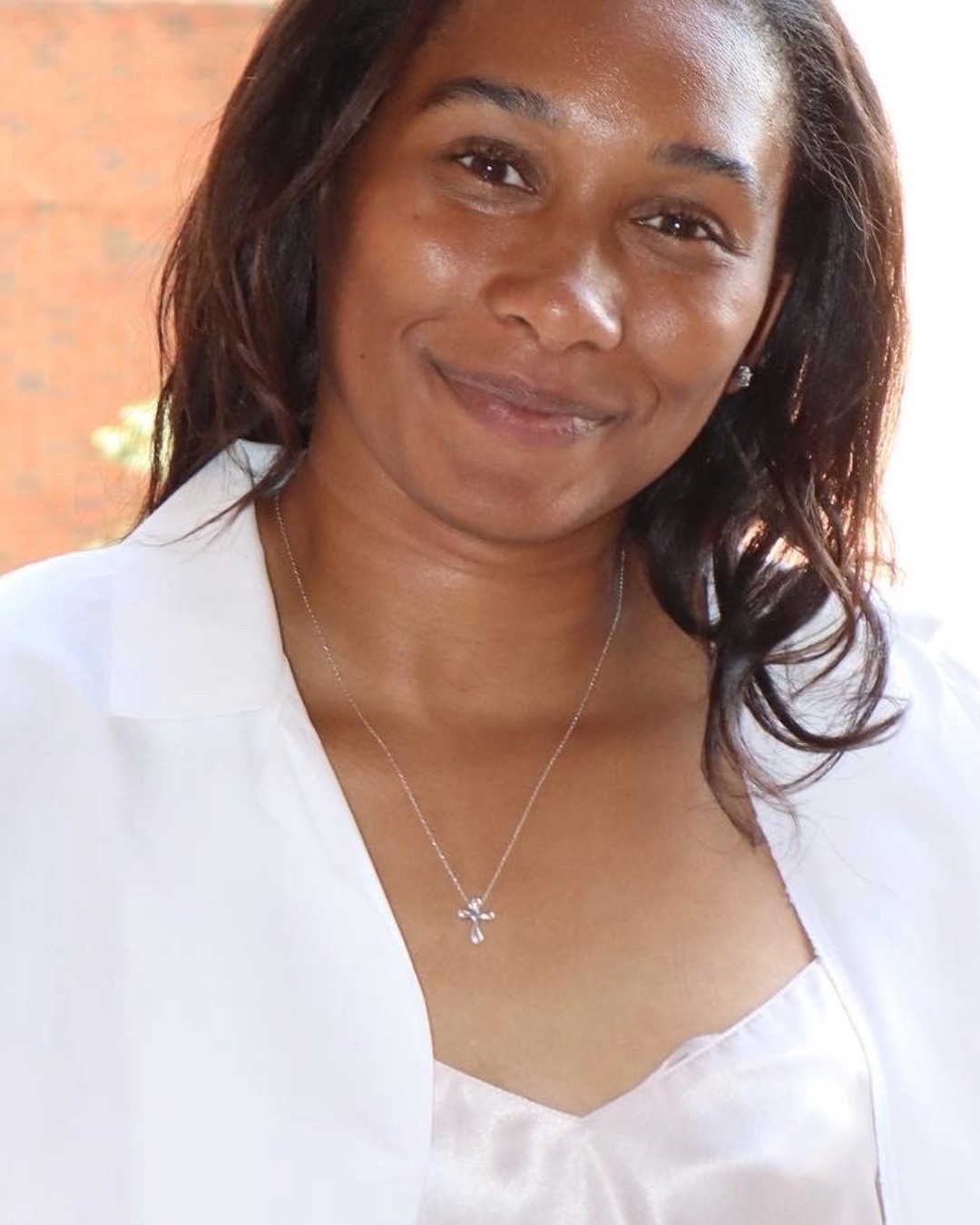
 In the span of four years, medical school asks students to master science, develop clinical judgment, and grow into physicians. For Audria Wood, MS4, it also meant learning how to care for a family member—her father.
In the summer of 2021, just as Wood’s medical training began, her father was diagnosed with stage 4 colon cancer. The years that followed required intentional, careful coordination that shaped every phase of her education. “He battled cancer throughout my entire medical school journey,” Wood said, noting that he passed in October 2024.
From the beginning, Wood understood that her roles as a medical student and a daughter would, at times, overlap. Early conversations with medical school leadership helped establish expectations before additional challenges arose. “I was very upfront from the beginning,” Wood said. “I didn’t anticipate it being a problem right away, but I knew eventually it would require more of my time.”
As her training progressed, so did her understanding of her father’s condition. “There were times he would try to be optimistic,” Wood said. “And I’m thinking, I know what that actually means.” She often helped interpret medical information, stepping into the role of both daughter and advocate. In one defining moment before medical school began, she had to explain his diagnosis to him directly. That experience continues to shape how she approaches conversations with patients and families, emphasizing clarity and compassion.
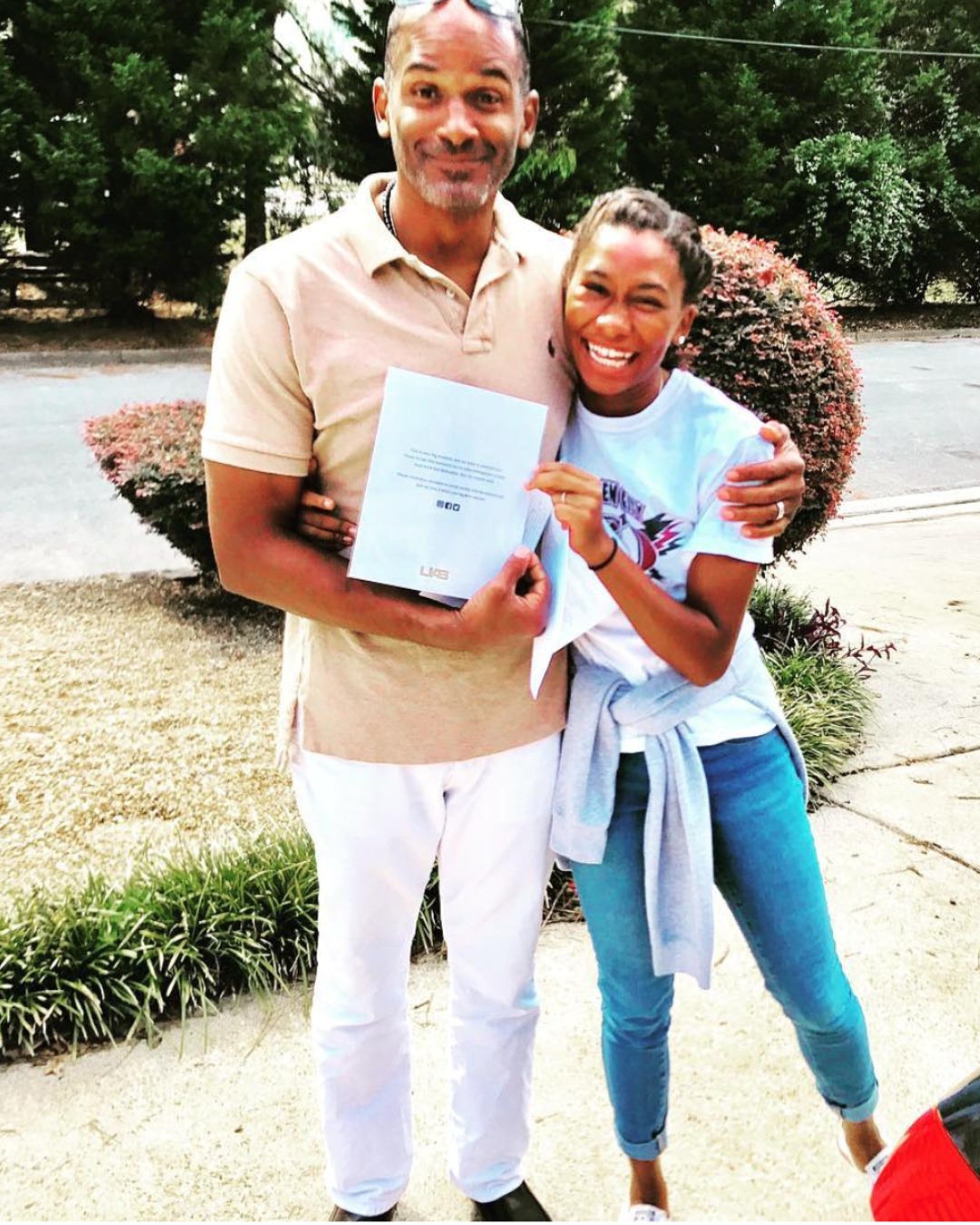 By her third year, those responsibilities grew as clinical demands and her father’s needs increased. Wood worked with school leadership to adjust her clerkship schedule, allowing more time at home while staying on track academically. When his condition declined and he entered hospice, she stepped away from a surgical clerkship to be with him. “I think a lot of it came down to overcommunication, which helped keep surprises to a minimum,” Wood said. That approach allowed her to adapt as needs evolved while maintaining steady progress in her training.
Behind those adjustments was a broader system of support within the Heersink School of Medicine. Wood credits Medical Student Services (MSS) as the central point of coordination, helping connect her with leadership and academic resources. Through MSS, she worked with Nicholas Van Wagoner, M.D., Ph.D., associate dean for Students, and Brook Hubner, Ph.D., director of Academic Success, who provided academic guidance. She also relied on mentorship within her Learning Community, McCallum, including faculty support from Todd McCarty, M.D., as well as Leslie Avant, M.D., her Clinical Skills Scholar in Introduction to Clinical Medicine. Together, this structure helped her remain on track academically while creating space for her family when it was needed most.
Even as her responsibilities grew, there were meaningful moments of connection. During a family medicine rotation in her hometown, Wood lived at home and saw her father daily. She celebrated his birthday with him and shared stories from the clinic. “Those everyday conversations mattered,” Wood said. “They reminded me why I was doing all of this.”
Those experiences continue to shape how Wood approaches patient care. “There is a big difference in a patient or family understanding what happened and what is happening,” Wood said. “I always check in on their understanding, their goals, and the resources they will need.” She recalls caring for a patient who arrived at the hospital disoriented and hopeful to return home soon. Over time, Wood focused on building trust and helping the patient and family better understand the seriousness of the condition and the level of support that would be required moving forward. With time and clear communication, they were able to make decisions that aligned with the patient’s needs and care.
Looking back, Wood does not separate her growth as a medical student from her role as a caregiver, as both required resilience and purpose. That perspective, which she carried with her as she walked across the stage at the 2026 commencement ceremony, reflected a full-circle journey shaped by support and a deepened understanding of what it means to practice medicine. “I’m incredibly grateful,” Wood said. “This experience is why I do what I do.”