The UAB Comprehensive Healthy Living Research Center convened federal, state, academic, industry, and community leaders on April 15 for its inaugural symposium, bringing together different perspectives to advance community-engaged research efforts across Alabama and the Deep South.
The center and its initiatives are grounded in meaningful partnerships with communities to create lasting improvements in health. From local organizations to national leadership, the symposium highlighted how coordinated efforts across sectors can move that work forward in practical, sustainable ways.
Center Overview
The symposium opened with a welcome from moderators Chris Brown, Ph.D., Vice President for Research at UAB, and Mona Fouad, M.D., MPH, Director of the UAB Comprehensive Healthy Living Research Center, who positioned the center as an engine for community-engaged, evidence-based research.
The center’s work is intentionally designed for real-world application, with interventions developed and tested alongside the communities they serve. Fouad also touched on its model of shared ownership, where community members, researchers, and partners contribute across the full research continuum.
Community-Engaged Research in Action
The first discussion of the day, Community-Engaged Research in Action, focused on how partnerships shape research design, implementation, and engagement strategies.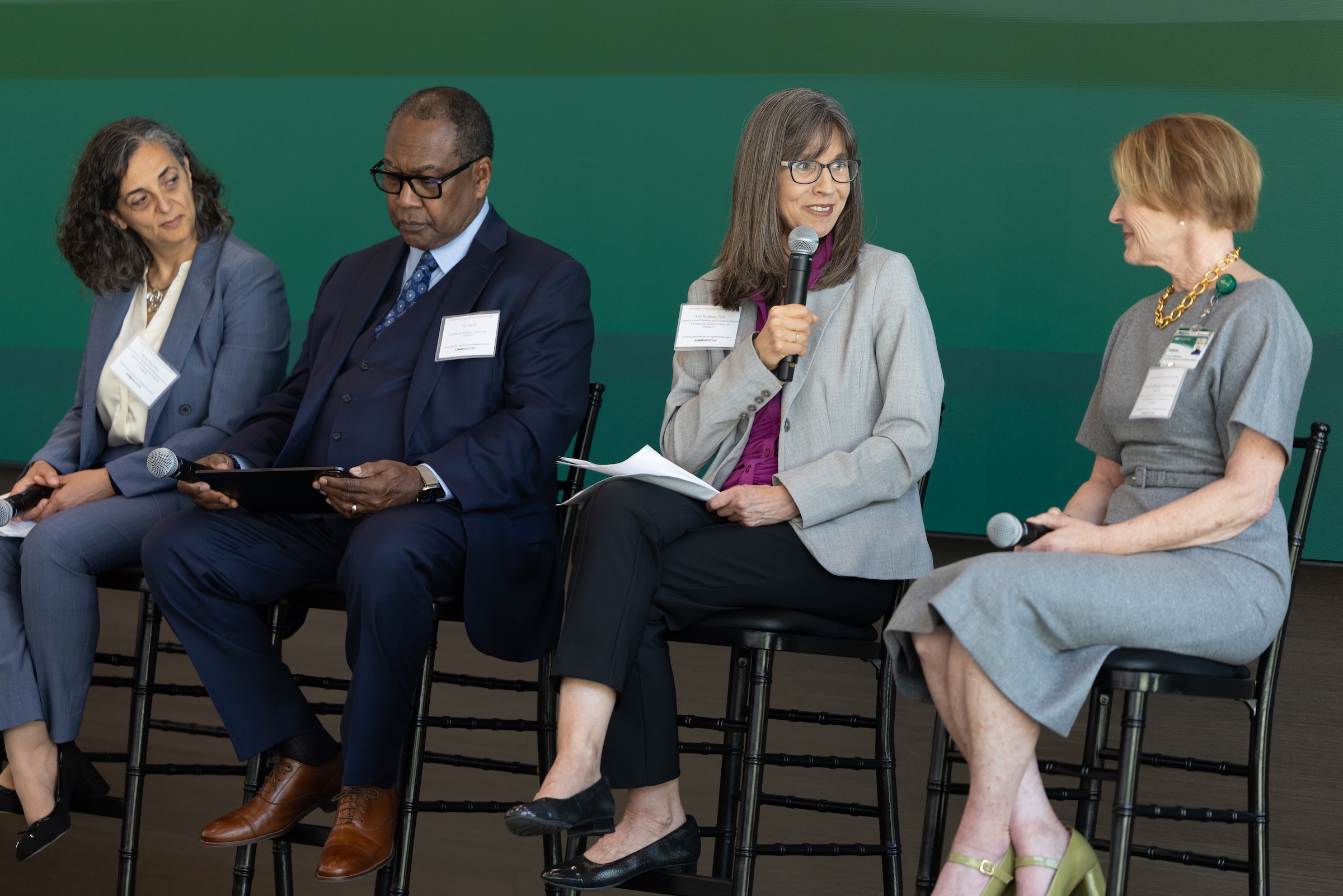
Moderated by Irfan Asif, M.D., Associate Dean for Primary Care & Rural Health and Chair for the Department of Family and Community Medicine, and Raegan Durant, M.D., Medical Director for Cooper Green Mercy Health Services, the panel featured TJ Smith, Project Manager for City Blocks Wellness Center in Selma, Alabama; Teresa Shufflebarger, MSHA, MBA, FACHE, Chief Administrative Officer for Live HealthSmart Alabama; Lori B. Bateman, Ph.D., Multiple Principal Investigator for Alabama CEAL; and Maria Pisu, Ph.D., Lead Principal Investigator for the CARES Center.
Key takeaways included:
- Trust and engagement are built through consistent, in-person presence in communities.
- Community input should shape solutions before research design is finalized.
- Practical, hands-on activities help translate research into everyday understanding.
- Strong partnerships require early involvement and long-term commitment across the research lifecycle.
- Communities should be co-owners in research, not just participants.
“You have to meet communities where they are,” Smith said, describing how community members “gravitate” toward activities like cooking demonstrations and practical nutrition discussions.
That idea of starting with community priorities carried throughout the discussion. For Shufflebarger, that work begins with listening rather than prescribing solutions. “We go into communities saying, ‘what do you need and what do you not have?’” she said.
Taken together, the panel agreed that trust is built through transparency, long-term relationships, and meaningful involvement across every stage of the research process.
From Community to Cure: Advancing Partnerships to Prevent Chronic Disease and Improve Health
Following the panel, Anupam Agarwal, M.D., Senior Vice President for Medicine and Dean of the Heersink School of Medicine, introduced keynote speaker Admiral Brian Christine, M.D., Assistant Secretary for Health at the U.S. Department of Health and Human Services.
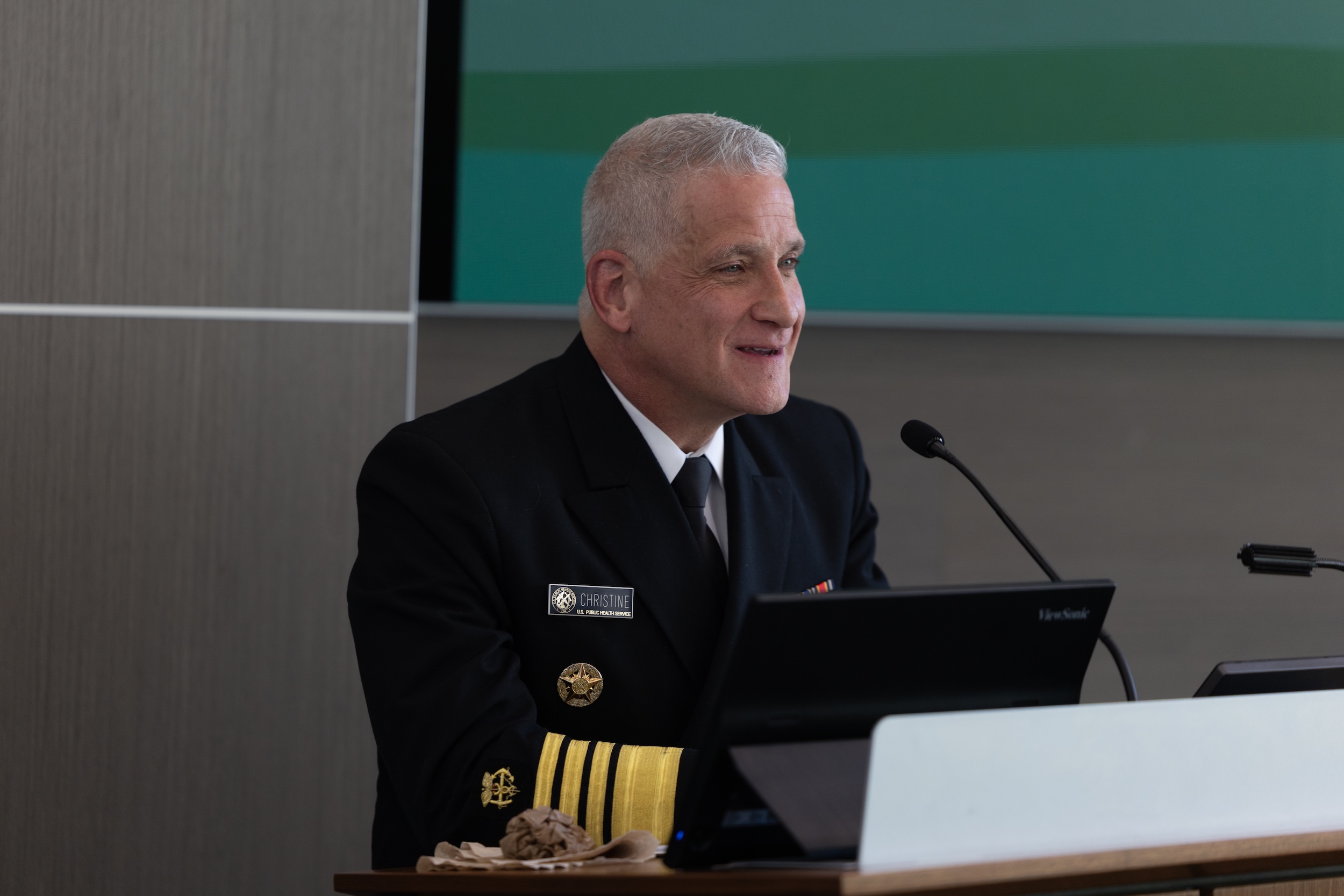 Christine’s keynote examined the growing burden of chronic disease in the United States and the systemic factors contributing to it, including shifts in the nation’s food environment and the widespread availability of ultra-processed foods.
He highlighted that conditions such as diabetes, obesity, and cardiovascular disease are now widespread and called for a renewed focus on prevention.
“The most advanced intervention isn’t a drug, it’s access,” Christine said. “Access to partnership-driven solutions.”
He pointed to the Deep South as a critical region for this work, noting that progress in areas with the greatest barriers could inform solutions nationwide.
“If we can solve chronic disease in places like Alabama and the Deep South, where the barriers are greatest and the resources are constrained, then we can solve chronic disease anywhere.”
What’s Next in Community-Engaged Research
The second panel, What’s Next in Community-Engaged Research, shifted the conversation toward how partnerships can be sustained and expanded to address chronic disease at scale.
Moderated by Brown and Fouad, the discussion included Christine, Asif, Scott Harris, M.D., State Health Officer for Alabama, and Apurva Patel of Novo Nordisk, Inc.
Key takeaways included:
- Long-term impact depends on coordinated, cross-sector partnerships.
- Systems change requires investment in workforce, primary care access, and infrastructure.
- Community lived experience must be embedded in decision-making.
- Policy engagement is essential to align research, funding, and strategy.
- Prevention efforts must be measurable and scalable through public-private collaboration.
“If we’re serious about long-term impact, we have to invest in systems that last,” said Asif. “We have to bring stakeholders together and invite communities to be part of the process. They bring the most important resource of all, which is their lived experience.”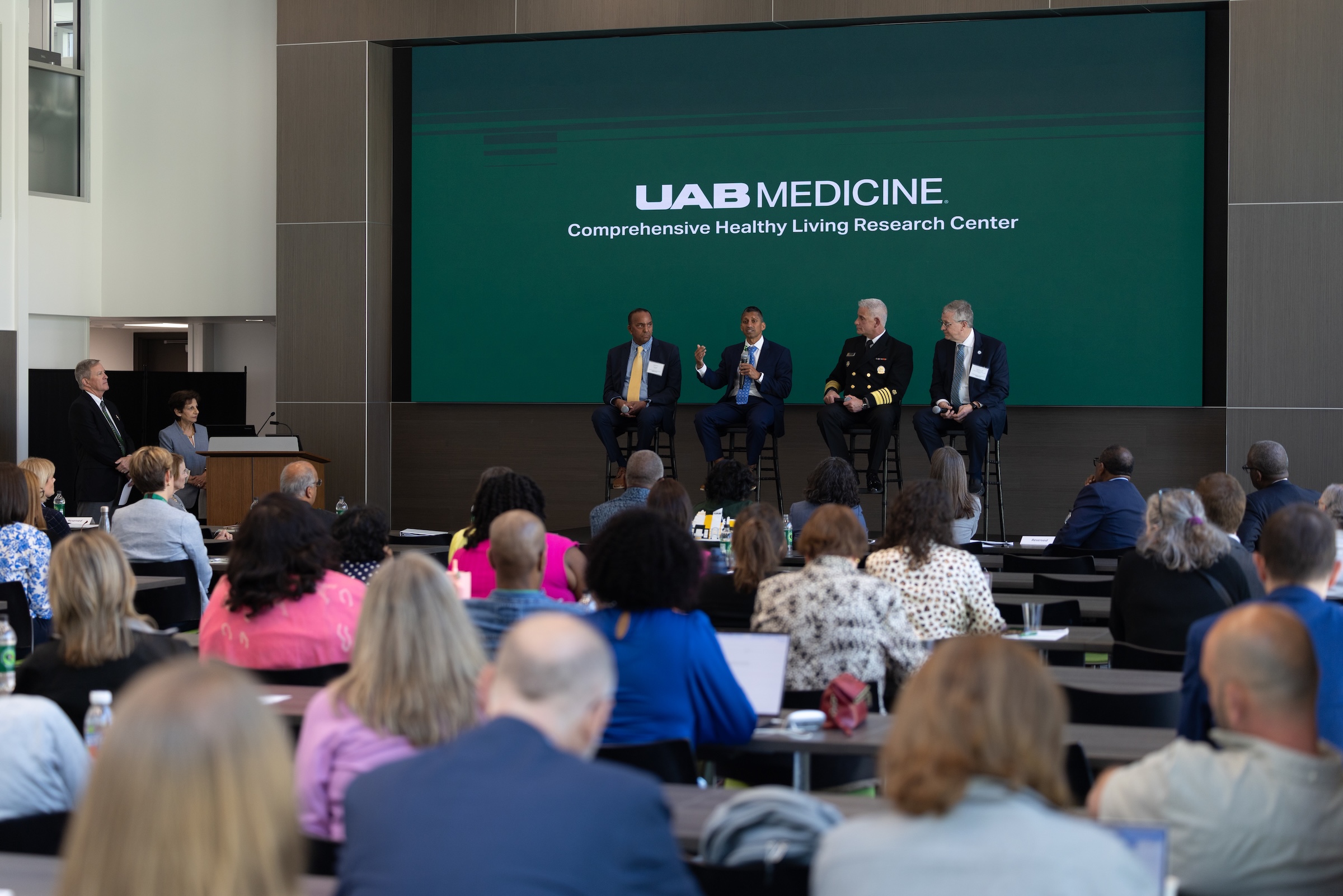
Panelists also stressed that short-term fixes aren’t enough. Real impact depends on solutions backed by public-private partnerships, measurable outcomes, and long-term investment in community-based programs.
“Businesses want the numbers,” Patel said. “We need to define the top five social determinants of health that we should be investigating in every community. If we can define and measure that, the public and private sector can work together to deliver that change.”
Building Momentum for the Future
The symposium energized its leaders and participants, reinforcing the idea that progress in community-engaged research can only succeed with cross-sector alignment and strong community relationships that extend beyond a single study.
“Conducting research for the sake of research doesn’t move anything forward,” Fouad said. “It must be interactive to produce real-world solutions.”
By bringing together these leaders, the symposium highlighted both the complexity of the challenge and the opportunity to address it collectively. The UAB Comprehensive Healthy Living Research Center will continue building on that momentum, working with partners across Alabama and beyond to translate research into lasting impact.