As cold and flu season ramps up, many Alabamians will head to the pharmacy aisle for something to feel better fast. Physicians at the University of Alabama at Birmingham Marnix E. Heersink School of Medicine say that is exactly when a common mistake happens: taking more than one product that contains the same ingredient.
The ingredient is acetaminophen, the pain reliever and fever reducer that is tucked inside many multi-symptom cold, flu, and nighttime remedies.
“Every flu season, unfortunately, we get some people that get very ill, go into bad liver failure, just not realizing how much acetaminophen there is in all these products,” said William Rushton, M.D., a medical toxicologist and faculty member in the UAB Department of Emergency Medicine. “
Medical toxicology is distinct from environmental or forensic toxicology. Its practitioners are fellowship-trained physicians who treat conditions ranging from heavy metal poisoning and overdoses to plant toxicity, recreational drug use, and envenomation. UAB is home to the state’s only board-certified group of medical toxicologists.
Why combination products are the problem
Stacy Marshall, M.D., also a medical toxicologist and emergency physician with the department, said acetaminophen overdose is one of the leading causes of serious illness the toxicology team sees. Because it is sold over the counter, she said, many people assume it is hard to take a harmful amount. It is not.
Marshall said many of the cases she sees happen when someone takes acetaminophen on top of a nighttime cold medicine or another combination product that also contains it, adding up to multiple doses without the person realizing it.
Sukhshant Atti, M.D., associate medical director of the poison center, also advises getting in the habit of looking at ingredient labeling of over-the-counter medicines for information. Acetaminophen products are easy to miss.
The physicians offered a few simple steps:
- Read the active ingredients on every cold and flu product before taking it.
- Avoid taking a single-ingredient acetaminophen product at the same time as a combination product that already contains it.
- Follow the dosing directions on the label, and ask a pharmacist if you are unsure.
- Call the poison center before guessing if you think you may have taken too much.
“Natural” does not mean safe
Atti cautions “Supplements may be marketed as natural or safe, but their ingredients, purity, potency, and interactions are often unpredictable. Never assume that because a product is sold over the counter, it is harmless.”
The point is the theme of recent work by Marshall who led an effort to buy products sold at Alabama gas stations as kava and send them to a specialized lab for testing. The results showed many were mislabeled and contained concentrated kratom alkaloids, which can cause dangerous heart rhythms and organ failure. Rushton said the team has seen deaths in Alabama from these products, many involving people who thought they were taking a safe supplement.
Kids and cold medicine
Children add another layer of risk, especially as parents are tempted to keep medicine easily accessible for quick treatment when a child is ill. Rushton said parents often call the poison center convinced they have failed after potentially misdosing a child, or after a child accesses medicine they shouldn’t.
“They are not bad parents; it’s just kids being kids,” he said.
His advice for families is to keep medications high up and out of reach, use child safety locks, and never store medicine in unmarked containers.
Who to call
The Alabama Poison Information Center answers calls around the clock, every day of the year. It is staffed by specialists in poison information and based at Children’s of Alabama, with medical direction from UAB’s medical toxicologists. It is the only poison center in the state.
“When in doubt, call the poison center,” Rushton said. “You may think it is super weird, we probably have heard about it.”
The number is 1-800-222-1222.
About the experts
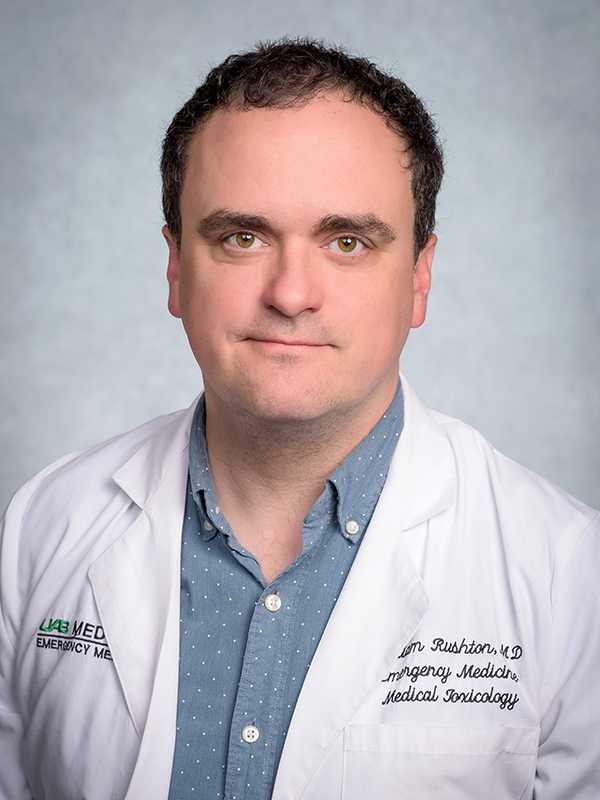
William Rushton, M.D., joined UAB in 2015 to launch an inpatient medical toxicology consult service, with the goal of putting a physician toxicologist at the bedside. The service began in the emergency department and expanded to intensive care units, neurology, and surgical services, and in 2021 to pediatric patients. He recruited additional physicians, including Dr. Marshall and Dr. Atti, and the program has since added outpatient clinics. As UAB’s medical toxicologists took over medical direction of the poison center, which was renamed the Alabama Poison Information Center from the Regional Poison Control Center, its calls shifted from largely pediatric triage to more physician-to-physician consults involving complex, high-acuity cases.

Sukhshant Atti, M.D., is an associate professor in the Department of Emergency Medicine and associate director of the poison center. She is a recognized expert in medical toxicology, addiction medicine, and disaster preparedness.
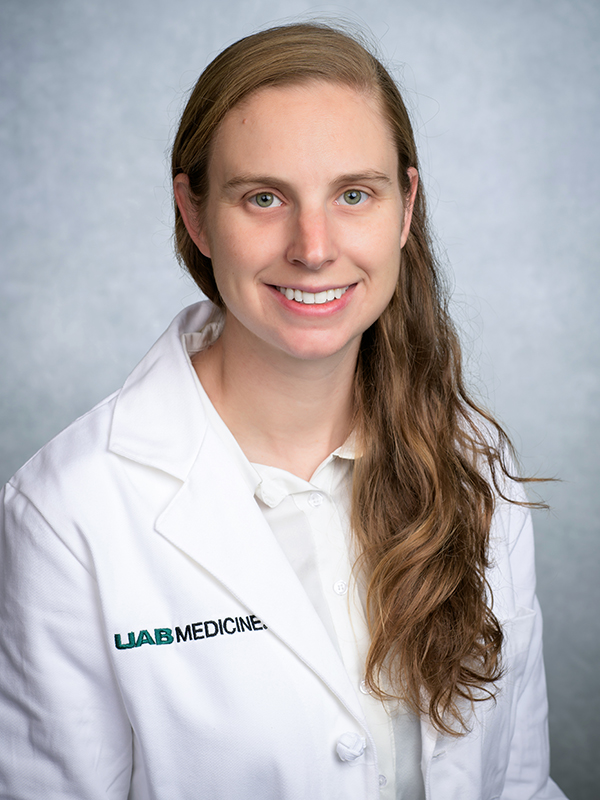
Stacy Marshall, M.D., assistant professor, splits her time between emergency medicine, the toxicology consultancy service, and addiction medicine, including outpatient care for adolescents.
To learn more about poison prevention, visit the Alabama Poison Information Center website.