 Ksenia Matlawska-Wasowska, Ph.D.Ksenia Matlawska-Wasowska, Ph.D., associate professor in the Department of Cell, Developmental and Integrative Biology, has been named the latest recipient of the school's Featured Discovery award. This recognition celebrates notable faculty research contributions and highlights the impact of their scientific advancements.
Her study, “T-cell acute lymphoblastic leukemia exploits a neural proinflammatory pathway to colonize the meninges,” was published in the Journal of Clinical Investigation.
Matlawska-Wasowska and her team observed T-cell acute lymphoblastic leukemia (T-ALL) seeking to learn why leukemic cells seem to be drawn to the central nervous system (CNS). They also wanted to learn more about the effect of the CNS’s meningeal microenvironment on the disease.
“It has been an exciting journey to investigate how T-ALL cells exploit the meningeal microenvironment to support their survival and spread, highlighting the power of collaborative and translational research to improve outcomes in CNS leukemia,” said Nitesh Sharma, Ph.D., first author of the study. “I am deeply grateful for the mentorship of Dr. Ksenia Matlawska-Wasowska and the support of my colleagues and family, and this work identifies the CXCR3–CXCL10 axis as a targetable driver linking neuroinflammation to leukemic CNS infiltration.”
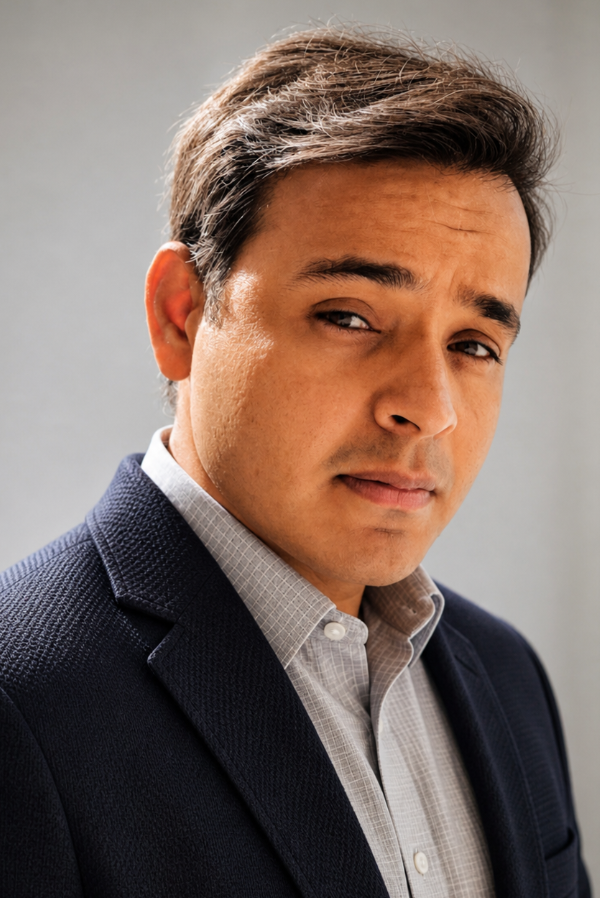 Nitesh Sharma, Ph.D.The Heersink communications team met with Matlawska-Wasowska to gain insights into the study and help raise awareness about both the research and the Heersink School of Medicine.
What compelled you to pursue this research?
Relapse in the CNS remains one of the most challenging aspects of leukemia treatment, particularly in T-ALL. Despite overall improvements in survival, outcomes are still very poor once the disease spreads to the CNS. We were driven by the need to understand why leukemic cells preferentially migrate there and how the local environment supports them. This question has both fundamental biological importance and clear clinical relevance.
What was your most unexpected finding?
What surprised us most was that the meningeal environment is not just a passive site of disease but actively supports leukemia progression. We found that stromal cells in the meninges respond to leukemia-derived cytokines by producing CXCL10, effectively creating a “beacon” that attracts more leukemic cells. This dynamic crosstalk between leukemia and its environment was more coordinated and impactful than we initially anticipated.
What is your research’s relevance to human disease (if applicable)?
This work directly addresses CNS involvement in T-ALL, a major cause of relapse and treatment failure. Current CNS-directed therapies rely heavily on intrathecal chemotherapy or radiation, both of which are associated with significant toxicity. By identifying the CXCR3-CXCL10 axis as a key driver of CNS infiltration, our findings open the door to more targeted and potentially less toxic therapeutic strategies, as well as biomarker development. Ongoing studies in our laboratory focus on therapeutically targeting this pathway, supported by promising preliminary data, and on evaluating CXCL10 as a potential biomarker in an upcoming Children’s Oncology Group (COG) study.
When did you know you had an important discovery?
The turning point came when we observed that disrupting CXCL10 signaling significantly reduced leukemia burden within the meninges. This finding was supported by multiple independent approaches. At that stage, it became clear that we were not just describing a mechanism but uncovering a pathway with clear therapeutic potential.
What made you come to UAB?
I was drawn to UAB because of its strong emphasis on translational research and its collaborative environment. The opportunity to work at the interface of basic science and clinical application, particularly in leukemia research, was very appealing. UAB also offers access to outstanding core facilities and patient samples, which are essential for advancing impactful, disease-focused research.