Hirotaka Ata, M.D., Ph.D., assistant professor and the only basic science researcher in the UAB Department of Emergency Medicine, has been awarded more than $2 million from the National Institute of Allergy and Infectious Diseases for his research in CRISPR technology for rapid detection of infectious pathogens.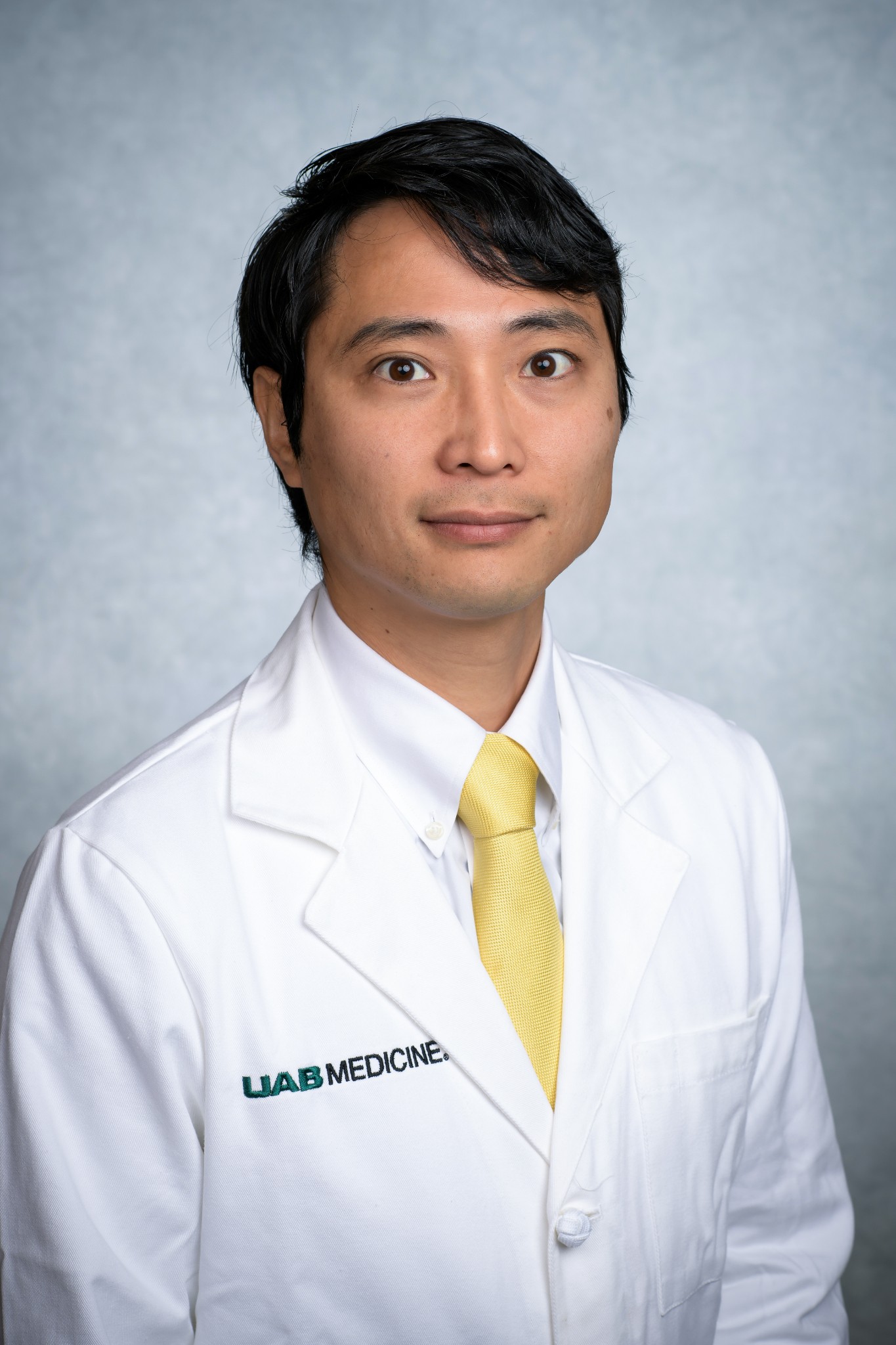 Hirotaka Ata, M.D., Ph.D.
The National Institutes of Health Director’s New Innovator Award (DP2) supports highly innovative research projects by new investigators with the potential to produce a major impact on broad areas relevant to the NIH mission, “to seek fundamental knowledge about the nature and behavior of living systems and the application of that knowledge to enhance health, lengthen life, and reduce illness and disability.”
Ata is one of only four UAB researchers to ever receive this award. Previous recipients include Stephen Aller, Ph.D., in 2011, Benjamin Larimer, Ph.D., in 2020 and Summer Thyme, Ph.D., in 2022.
Ata’s project, “CRISPR diagnostic for rapid pathogen detection in the Emergency Department,” will take place over the next five years.
When it comes to diagnosing and treating infection in the emergency department, the biggest obstacle physicians face is the time required to receive a definitive answer from traditional tests.
“We can collect data that points us toward infection and start treatment for it, but we don’t really have concrete evidence for usually at least 24 to 72 hours after the patient first shows up to the hospital in the case of bacterial infection,” Ata said. “The question is, ‘How can we expedite that timeline?’”
In CRISPR-based technology, Cas enzymes are guided by RNA to find the genetic material of pathogens and trigger a signal. This technology has been adopted for rapid detection of COVID-19 under FDA’s Emergency Use Authorization. Ata plans to innovate and enhance this technology for use against a wide range of bacterial infections, with a particular focus on those that cause sepsis.
According to the CDC, 1.7 million adults in the United States develop sepsis each year. Although sepsis can be treated with antibiotics, many patients die from the condition.
Traditional blood cultures used to detect sepsis take two to three days for definitive results. With CRISPR technology, that timeline can be less than an hour. Ata said the goal of this innovation and research is to identify bacterial sepsis to definitively diagnose and best treat critically ill patients.
“What I’m hoping to do is by being able to say, yes, this patient has bacterial sepsis versus something that acts similar to bacterial sepsis, we can finetune who we need to treat with aggressive antibacterial treatment or if we need to really think hard about why this patient is coming in so sick,” Ata said. “With this, I’m hoping we can ultimately improve the patient outcome.”
Over the next five years, Ata will work with a wide array of UAB collaborators including Jun Zhang, Ph.D., associate professor and scientist in the Department of Chemistry, to enhance the Cas protein to detect the smallest possible amount of the target molecule for a definitive diagnosis within an hour of a patient presenting to the emergency department.