Older adults often face challenges that extend beyond medical conditions alone, and Rachel Skains, M.D., MSPH, assistant professor in the UAB Department of Emergency Medicine, hopes to better understand how those factors influence care. Skains recently received a 2026 Secondary Data Analysis Award from the Deep South Resource Center for Minority Aging Research (RCMAR) to examine how social and environmental factors affect healthcare utilization among older adults treated in a geriatric emergency department.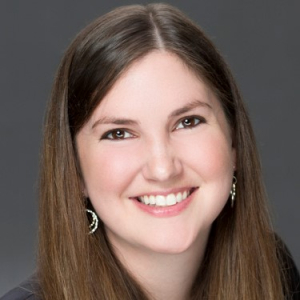 Rachel Skains, M.D., MSPH
“Ultimately, the goal is to use these findings to better identify older adults who are at risk for poor health outcomes and develop practical, targeted strategies to improve how their care is coordinated and delivered in the emergency department,” Skains said.
The one-year award, supported through the National Institute on Aging (P30AG031054), provides up to $10,000 in funding from July 2026 through June 2027. The project will support analysis of an existing UAB clinical dataset and the development of research manuscripts focused on healthcare utilization and geriatric emergency care among older adults in the Deep South.
Skains will be mentored by Richard E. Kennedy, M.D., Ph.D., professor in the Donald W. Reynolds Division of Geriatrics and Palliative Medicine at the University of Oklahoma, and Anand S. Iyer, M.D., MSPH, associate professor in the UAB Divisions of Pulmonary, Allergy, and Critical Care Medicine and Gerontology, Geriatrics, and Palliative Care. Together, they will provide guidance on study design, data analysis, interpretation of findings, and future research development.
The project focuses on adults age 65 and older who received care at UAB Hospital-Highlands, an American College of Emergency Physicians (ACEP) Level 1-accredited geriatric emergency department. Using electronic health record data, Skains will examine how social and environmental factors, such as transportation access, housing stability, financial resources, and social support, relate to emergency department visits and other healthcare outcomes.
Her research will explore whether these factors are associated with returns to the emergency department within 30 days, increased use of hospital services, and longer hospital stays. The study will also evaluate whether specialized geriatric emergency department care, including assessments and interventions provided by geriatric emergency nurse intervention experts (GENIEs), is associated with differences in healthcare utilization and patient outcomes.
Skains said her interest in the topic grew from previous research examining risk factors for adverse outcomes among older adults and from her participation in UAB's Health Equity Research Education Program as a Deep South RCMAR Scholar.
“During that training, I became interested in how social and environmental factors beyond a patient’s medical diagnoses influence healthcare use and outcomes among older adults,” said Skains. “This led me to develop a project examining how information already collected during routine emergency care could help identify at-risk older adults and inform strategies to improve their care.”
While the project will not test a new intervention, Skains hopes it will help clinicians better recognize factors that may place older adults at higher risk and inform future approaches to care coordination and discharge planning.
“I hope this work advances efforts to identify older adults at risk for adverse outcomes and helps inform future interventions designed to improve geriatric emergency care,” Skains said.