The UAB Comprehensive Diabetes Center (UCDC) is proud to announce leading diabetes researcher Ralph A. DeFronzo, M.D., and precision medicine expert Matthew Might, Ph.D., as keynote speakers at the UAB Diabetes Research Day on Nov. 17, 2026, at the Heersink Conference Center.
DeFronzo is a professor of medicine and chief of the Diabetes Division at the University of Texas Health Science Center and the deputy director of the Texas Diabetes Institute, in San Antonio, Texas.
Might is a professor in the Heersink School of Medicine, the Hugh Kaul Endowed Chair of Precision Medicine, and director of the Hugh Kaul Precision Medicine Institute at UAB.
“We are thrilled to have Drs. DeFronzo and Might joining us for UAB Diabetes Research Day,” said UCDC Director Anath Shalev, M.D. “Over the past 50 years, Dr. DeFronzo has elevated the field of diabetes research through his groundbreaking discoveries around insulin resistance in Type 2 diabetes. We can’t wait to hear about his most recent advances in diabetes research and treatment. Dr. Might is a senior scientist in the UCDC and works closely with our center through the UAB Precision Diabetes Program. We look forward to him sharing how computer and data science is used to enhance clinical and academic medicine, particularly in our field.”
Faculty, trainees, and students from across the UCDC, UAB community, and state are invited to attend UAB Diabetes Research Day to learn more about cutting-edge diabetes and metabolic disease research. In addition to keynote presentations, the day-long event will include oral presentations, a research poster session, lunch, and networking time.
The UCDC is currently accepting abstracts submissions for poster and oral presentations through 5 p.m., Wednesday, Sept. 30.
There is no cost to attend but registration by Friday, Nov. 6 is required.
Speaker Spotlight
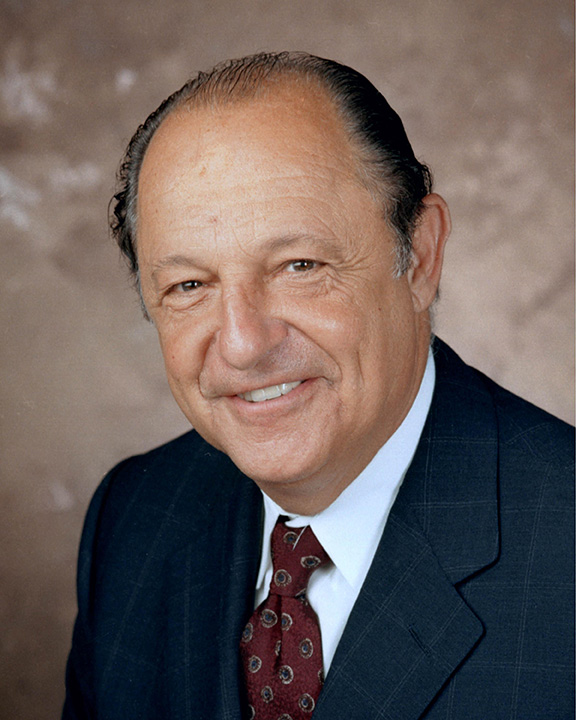 Ralph Anthony DeFronzo, M.D.
Ralph A. DeFronzo, M.D., is professor of medicine and chief of the Diabetes Division at the University of Texas Health Science Center and the deputy director of the Texas Diabetes Institute, San Antonio, Texas. His major interests focus on the pathogenesis and treatment of Type 2 diabetes mellitus and the central role of insulin resistance in the metabolic-cardiovascular cluster of disorders known collectively as the Insulin Resistance Syndrome. For his work in this area, DeFronzo has received many national and international awards including the Banting Award from the American Diabetes Association (2008), and the Claude Bernard Award from the EASD (2008). These represent the highest scientific achievement awards given by the American and European Diabetes Associations, respectively. DeFronzo also has received the Hamm International Prize (2017), and most recently The Prince Mahidol Award (2023), which recognizes a person worldwide in medicine and science who has made major discoveries leading to advances in global health. With more than 900 articles published in peer-reviewed medical journals, DeFronzo is a distinguished clinician, teacher, and investigator who has been an invited speaker at major national and international conferences on diabetes mellitus. Read more
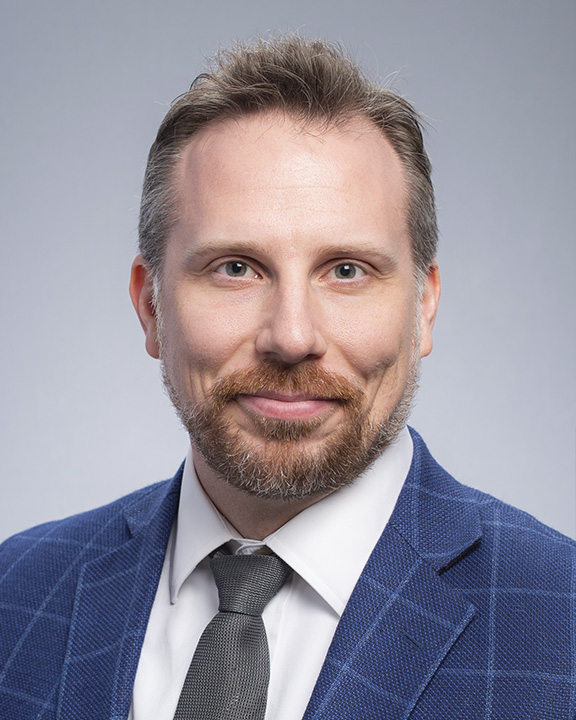 Matt Might, Ph.D.
Matt Might, Ph.D., is the director of the Hugh Kaul Precision Medicine Institute at the University of Alabama at Birmingham, where he holds the Hugh Kaul Endowed Chair in Precision Medicine and is a professor of internal medicine and computer science. His work applies computer science, data science, and artificial intelligence to precision prevention, diagnosis and therapeutics across rare diseases, cancer, and common chronic conditions, including diabetes. From 2016 to 2018 he served as a strategist in the Executive Office of the President, working on President Obama's Precision Medicine Initiative with the NIH and the Department of Veterans Affairs. Before that he was on the faculty of the Department of Biomedical Informatics at Harvard Medical School, and for nearly a decade a professor of computer science at the University of Utah, where he received an NSF CAREER Award. He holds a Ph.D. in computer science from Georgia Tech. Read more