For many people, navigating health care or making lifestyle changes can feel overwhelming. Oftentimes, a friendly, familiar face can make challenges like appointment follow-ups, transportation barriers, and healthy lifestyle changes feel more manageable.
Community Health Coaches, also known as community health workers, are often those familiar faces. Whether they're encouraging neighbors to learn their health numbers at a local wellness event, supporting participants after a health screening, or helping residents get involved in exercise and nutrition programs, coaches play an important role in connecting communities with the resources they need to live healthier lives.
At the UAB Comprehensive Healthy Living Research Center, those everyday connections are central to the work of the center’s Community Health Coaches Core. Led by Alison Garretson, vice president of the Continuing Care Division and Care Transitions at UAB Medicine, Lori Bateman, Ph.D., R.D., associate professor in the Division of General Internal Medicine and Population Science, and Julie Schach, director of the Community Health Coaches core, the team connects trained and certified community health coaches with researchers seeking to understand and improve health barriers in underserved communities.
A trusted link between communities and researchers
One of the greatest strengths of the Community Health Coaches Core is that coaches are deeply connected to the communities they help. Because coaches live and work in the communities they serve, they understand local needs, barriers, and priorities in ways that traditional research teams often cannot. That perspective allows them to serve as a bridge between community members and investigators, helping ensure research and health initiatives remain responsive to the people they are intended to benefit.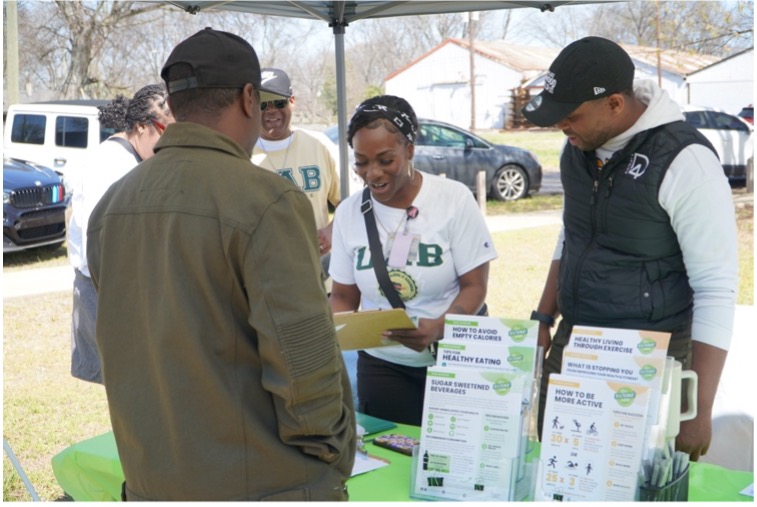
According to Schach, that two-way communication is one of the core's greatest strengths.
"Our coaches can ask questions and have conversations that researchers may not always have access to," she said. "They bring those concerns and ideas back to investigators so we can work together to better meet the needs of the community."
“They really feel a sense of ownership over the work they’re doing,” Garretson added. “That level of investment contributes to the overall success of the communities and the projects they’re involved in.”
That trusted presence also helps build long-term relationships. Unlike many research interactions that occur at a single point in time, coaches often remain connected with participants throughout a project, offering encouragement, answering questions, and helping individuals navigate challenges that may affect their health.
"They understand the community that researchers need to reach," Garretson said. "People may be more willing to participate because they know the coach is from their community, understands their experiences, and can relate to the challenges they're facing."
Supporting healthier communities across Alabama
The Community Health Coaches Core currently supports multiple projects throughout Alabama, helping connect residents with health resources, education, and opportunities to improve their well-being.
One example is Alabama CEAL, which operates in 11 communities across the state. With CEAL, coaches work alongside local partners to bring health-focused programming directly into communities. Depending on the location, that may include exercise classes, nutrition demonstrations, walking groups, yoga, line dancing, and participation in community events that create opportunities for conversations about healthy living.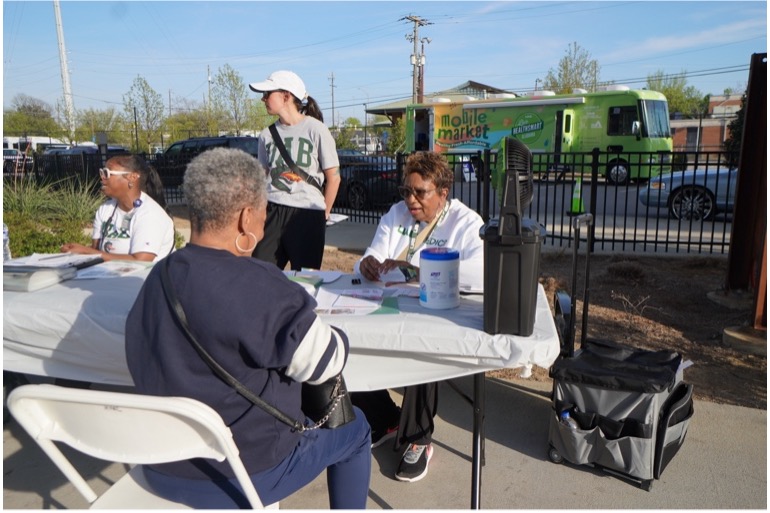
“Our coaches talk to community members to get an idea of what they’re eating, what activities they’re doing, and how we can help make those choices a little bit healthier,” Schach said. “Our attendance is a huge indicator of success. This past year, we’ve served over 4,000 people and written over 800 Prescriptions for Community Health across those 11 communities.”
The core also partners closely with UAB's Inaugural Grand Challenge winner Live HealthSmart Alabama, which supports community members who participate in Mobile Wellness and Mobile Market programs.
When health screenings identify a need for follow-up care or additional services, coaches step in to help individuals navigate the next steps, including assisting with appointments, overcoming transportation barriers, establishing primary care relationships, and connecting with resources that support long-term health.
"If someone needs a referral or another resource, our coaches help walk alongside them through that process," Schach said. "Our goal is to empower people and help them overcome barriers that may be affecting their health."
For many participants, those relationships can have a meaningful impact. Schach recalled one participant whose elevated blood pressure was identified during a screening. After receiving support from a community health coach, the individual established care with a primary care provider, began treatment, and continues to participate in ongoing wellness activities. For others, simply joining their community’s walking group resulted in weight loss and overall improvements to their mental and physical health.
Building a healthier future
The Community Health Coaches Core currently includes approximately 20 coaches serving communities across Birmingham, Selma, Demopolis, Dothan, and surrounding areas through full-time, part-time, and as-needed roles. Coaches receive project-specific training, and many have completed formal community health worker certification programs.
As the core continues to grow, Garretson believes community health coaches represent an important opportunity for both research and community health initiatives.
"I think community health coaches are an under-resourced and underutilized service across any area of these communities," Garretson said.
She believes greater awareness of the model can help more investigators and organizations recognize the value coaches bring to participant engagement, community outreach, and long-term health improvement efforts.
For Schach, the impact is ultimately measured one person at a time.
"It's pretty special and frankly motivating for all of our coaches to continue the work knowing that we are making a difference," Schach said. "If we can benefit the one, then what we're doing is super worthy."
Request Community Health Coaches for your project
The Community Health Coaches Core is available to support UAB investigators conducting community-engaged research.
Services include:
- Consultation on proposal development related to community health coach services
- Providing trained and certified community health coaches who can assist with:
- Study & Clinical Trial promotion and education
- Documentation services and data collection
- Study intervention delivery and support
- Health navigation and community health worker services in community and health care settings
To learn more about the Community Health Coaches Core or request services for your project, visit the Community Health Coaches Core webpage.