While national and state leaders address population health at scale, community-engaged research takes shape through ongoing partnerships that connect academic expertise with local priorities.
These partnerships are not built around a single project or funding cycle. They develop over time, grounded in trust, shared goals, and a recognition that communities bring essential knowledge to the research process. Rather than approaching communities as sites for individual studies, this work is built on relationships that extend across initiatives, disciplines, and years of engagement, allowing research to remain responsive while maintaining a consistent presence within the communities it engages.
At the UAB Comprehensive Healthy Living Research Center’s inaugural symposium, these perspectives will be central to conversations about how lasting partnerships strengthen research and improve long-term health outcomes.
Experience Across Communities and Disciplines
The symposium will convene viewpoints from across the full spectrum of community-engaged research, from principal investigators leading multi-site initiatives to community partners working directly with residents.
Together, these voices come together in the event’s Community-Engaged Research in Action discussion, where panelists will reflect how research, implementation, and community collaboration intersect in practice and how each plays a role in shaping meaningful, lasting impact.
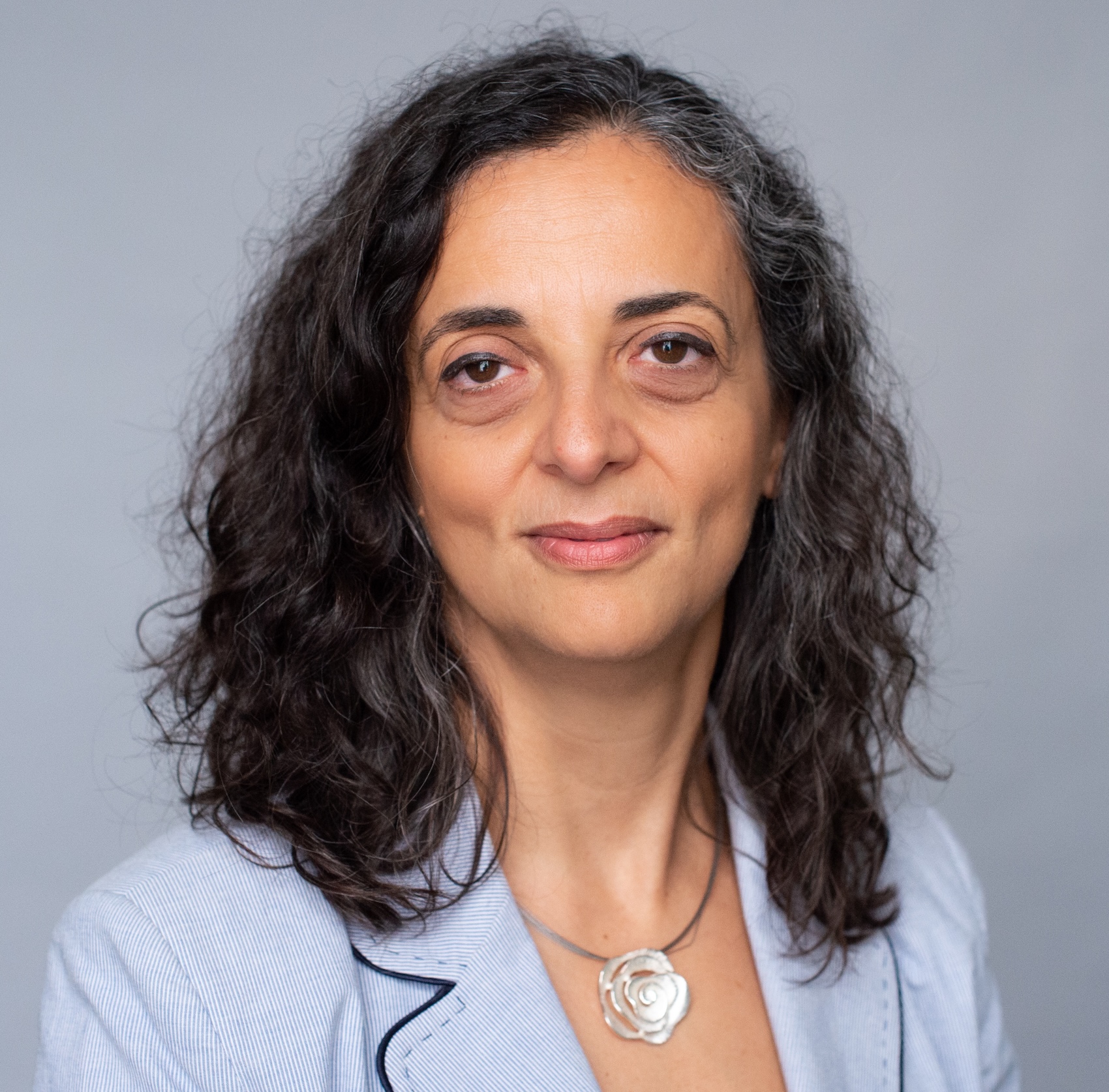 Maria Pisu, Ph.D.For Maria Pisu, Ph.D., that perspective is grounded in years of cross-disciplinary research and collaboration. As the leader of the CARES (Cancer Awareness, Research, Engagement, & Support) Center and a faculty member across medicine, nursing, and public health, her work focuses on improving care delivery and outcomes across cancer and chronic disease. Through initiatives like CARES, she brings experience in understanding the long-term factors that influence health and how research can be aligned with community priorities.
 Lori Bateman, Ph.D.That work is complemented by Lori Bateman, Ph.D., assistant director for the Healthy Living Center’s Partnerships & Engagement program, whose background in medical sociology and nutrition, brings attention to the lived experiences that shape health over time. Her research explores how social context, communication, and access influence both individual behaviors and broader health outcomes, insights that are critical for ensuring research translates effectively beyond academic settings.
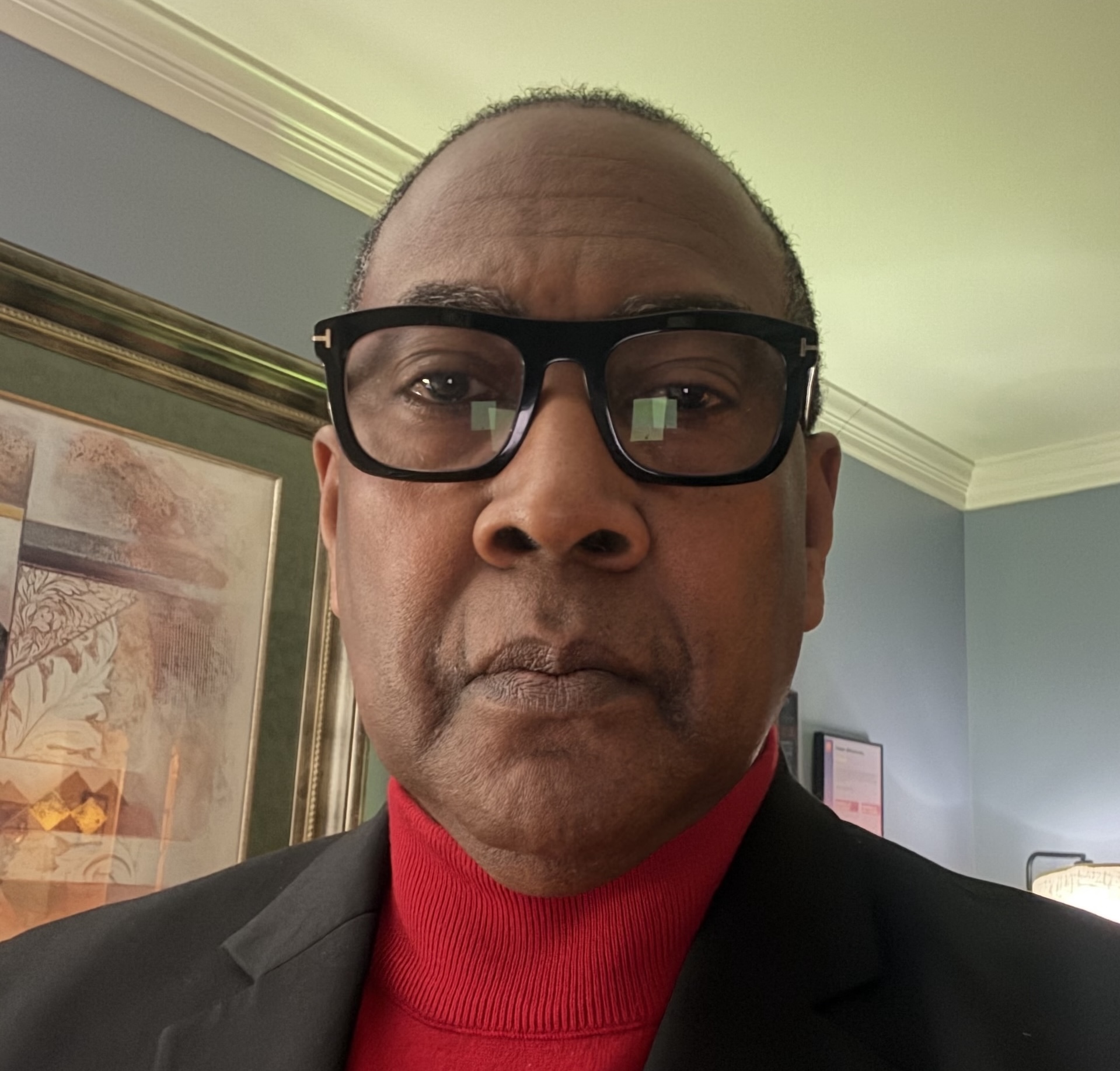 TJ SmithFrom the community perspective, T.J. Smith offers a view grounded in implementation. Through his work with City Blocks Wellness Center, he partners with organizations and residents to coordinate programs that expand access and strengthen local services. His experience reflects how initiatives move from planning to practice and what it takes to sustain them within communities.
 Teresa Shufflebarger, MSHA, MBA, FACHEAt a broader systems level, Teresa Shufflebarger, MSHA, MBA, FACHE, brings expertise in scaling these efforts. As Chief Administrative Officer of Live HealthSmart Alabama, she works across sectors to build partnerships that support long-term improvements in health and wellness, connecting institutional strategy with community-based action.
Continuity Across Efforts
The experiences represented on the panel reflect a broader reality: these partnerships are not built in isolation. They evolve across initiatives, with each effort strengthening the foundation for the next.
Through her work with CARES, Pisu contributes to national efforts supported by the National Cancer Institute’s Persistent Poverty Initiative, focusing on the long-term factors that influence cancer outcomes. That work supports initiatives like PREEMpT, which partners with Live HealthSmart Alabama, to translate research into action by improving the built and social environments in Birmingham neighborhoods.
Efforts like Alabama CEAL extend this approach into chronic disease prevention, working with residents to identify priorities and shape Food is Medicine and Exercise is Medicine concepts into solutions that reflect local needs. As these strategies move into practice, partners like Smith play a key role in coordinating physical activity programs in the community through organizations such as City Blocks Wellness Center. Additionally, Live HealthSmart Alabama also connects to CEAL by supporting good nutrition via its Mobile Market services, ensuring that initiatives are accessible and responsive at the community level.
Together, these perspectives illustrate a continuum. Research informs action, action strengthens partnerships, and those partnerships guide future research. The Healthy Living Center plays a central role in advancing this work by connecting partnerships and initiatives across all of UAB, ensuring that efforts remain aligned and sustained over time.
Join the Conversation
As a university-wide interdisciplinary research center, the Healthy Living Center provides infrastructure, expertise, and partnerships that support investigators working to improve health outcomes.
The inaugural symposium reflects that mission by convening researchers, public health leaders, and community partners in a shared space. It offers an opportunity to examine current challenges, exchange ideas, and identify practical strategies for advancing chronic disease prevention and public health practice.
The symposium will take place on Wednesday, April 15, from 11 a.m. to 3 p.m. at the Marnix E. Heersink Conference Center. The event is free to attend, but registration is required.