Chronic disease remains one of the most persistent challenges in health care. Despite advances in research and treatment, long-term conditions continue to affect individuals and communities in ways that are complex and difficult to address.
Meeting this challenge requires more than scientific discovery alone. It calls for coordinated efforts that integrate researchers, public health leadership, and the communities most affected to identify solutions that are both effective and sustainable.
The UAB Comprehensive Healthy Living Research Center is advancing this work by convening leaders in community-engaged, population health, and chronic disease research through its inaugural symposium. The event panels feature several of our UAB researchers, community partners, and special guest panelists George Mensah, M.D., and Scott Harris, M.D., MPH, and keynote speaker Admiral Brian Christine, MD. The panels will serve as a space for open dialogue on how to prevent chronic disease and improve health outcomes.
From Research to Practice
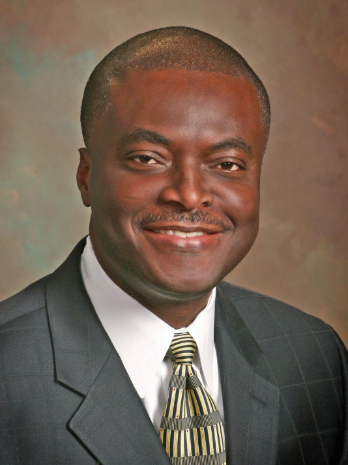
For Mensah, progress depends on what happens after discovery.
As director of the Center for Translation Research and Implementation Science at the National Heart, Lung, and Blood Institute, part of the National Institutes of Health, Mensah’s goal is to maximize the population health impact of advances made in fundamental discovery science and pre-clinical or early-stage translational research.
This approach is essential for improving outcomes at scale. Without it, even the most promising advances may not be consistently applied in real-world settings.
A key example of this work is the NIH Community Engagement Alliance, or CEAL, where Mensah oversees national efforts that emphasize partnership, trust, and shared responsibility in research. In Alabama, CEAL initiatives reflect this model by working closely with Community Health Working Groups (CHWGs) to inform research priorities and support meaningful participation as it relates to Food is Medicine (FIM) and Exercise is Medicine (EIM) concepts.
From Policy to Implementation
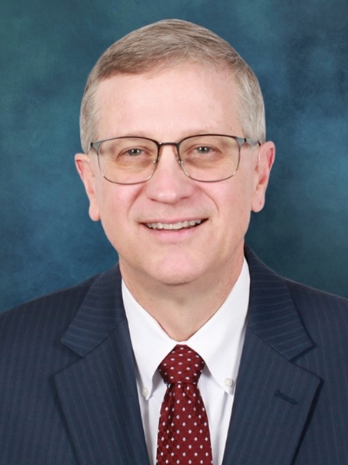
While Mensah focuses on how research is applied, Harris brings the perspective of implementing public health efforts across a state.
As Alabama’s State Health Officer and leader of the Alabama Department of Public Health, Harris has spent his life working at the intersection of medicine and community health. Early in his career, he helped establish the Community Free Clinic in Decatur that provided care to uninsured residents and relied heavily on local volunteers.
Now, Harris oversees statewide public health initiatives, drawing from his experience in infectious disease clinical practice, leadership during statewide public health responses, and longstanding service through both state and national public health organizations.
A Shared Approach
Together, these perspectives point to a common principle. Research and public health are most effective when they are developed with input from the communities they impact.
This approach, often described as co-creation, helps ensure that research is relevant, practical, and positioned for long-term success. It also strengthens trust and improves the likelihood that evidence-based strategies will be adopted and sustained.
At the symposium, this shared approach will be explored through panel discussions focused on community-engaged research in action and what comes next for the field. Panelists will include experts conducting research that addresses ongoing challenges such as cancer outcomes in areas affected by persistent poverty, as well as the role of initiatives like CEAL in supporting long-term community-level change.
Join the Conversation
As a university-wide interdisciplinary research center, the Healthy Living Center provides infrastructure, expertise, and partnerships that support investigators working to improve health outcomes.
The inaugural symposium reflects that mission by convening researchers, public health leaders, and community partners in a shared space. It offers an opportunity to examine current challenges, exchange ideas, and identify practical strategies for advancing chronic disease prevention and public health practice.
The symposium will take place on Wednesday, April 15, from 11 a.m. to 3 p.m. at the Marnix E. Heersink Conference Center. The event is free to attend, but registration is required.