The UAB Department of Anesthesiology and Perioperative Medicine is working to establish a new Division of Neuroscience. Tumul Chowdhury, M.D., D.M., professor in the Department of Anesthesiology and Perioperative Medicine, has been appointed as the division’s inaugural vice chair. 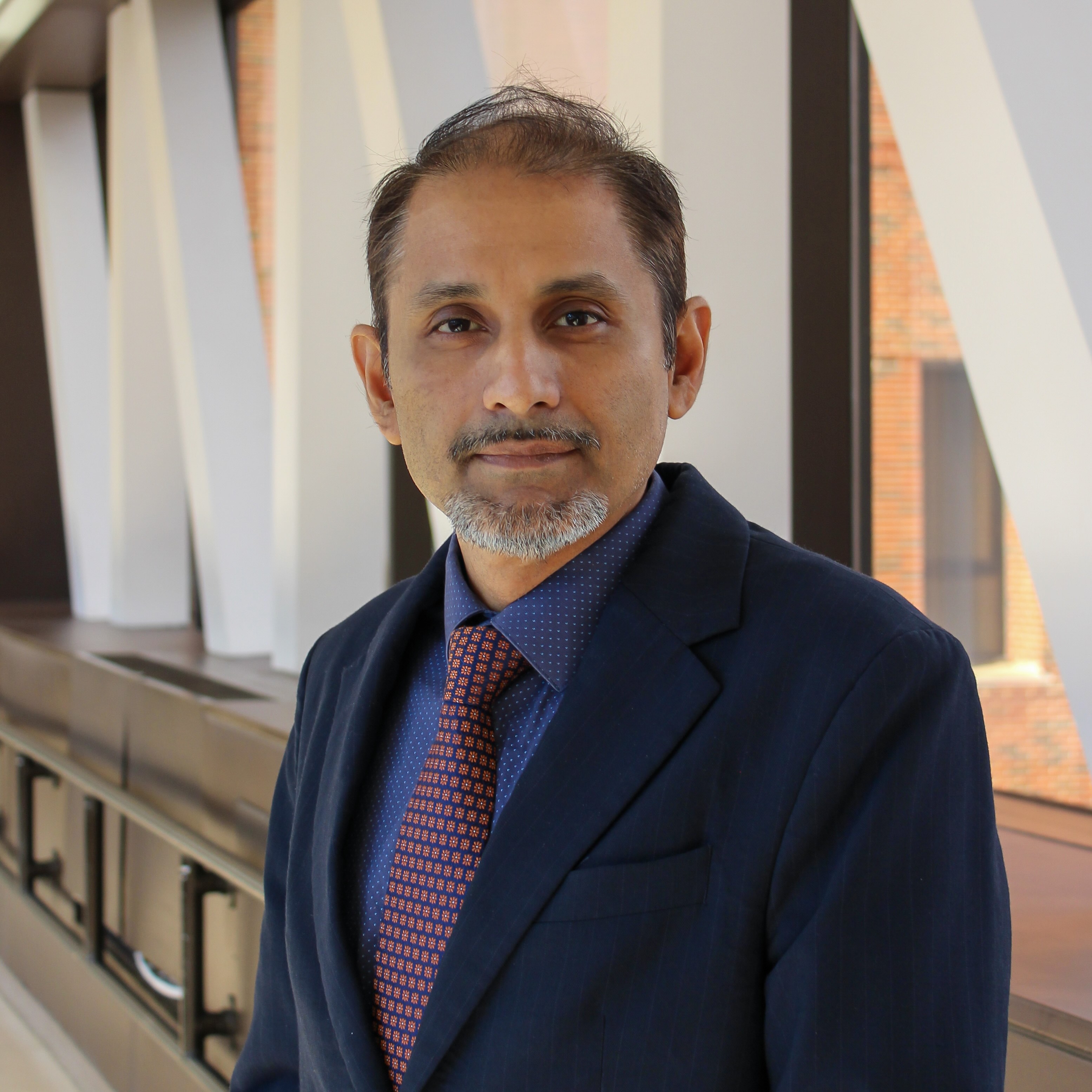
Chowdhury said he is most excited for the opportunity to build something that can make a lasting difference for patients, faculty, and trainees.
Learn more about how Chowdhury hopes the new division will enhance patient care, education, and research.
Why is now the right time for the department to establish a Division of Neuroscience Anesthesiology?
Chowdhury: The complexity and volume of neuroscience care at UAB have grown significantly, and the role of anesthesiology in these patients has become increasingly specialized. We are caring for patients across a broad spectrum of complex neurological and neurosurgical conditions, often requiring highly specialized perioperative management. At the same time, neuroscience anesthesiology is evolving beyond the operating room. We are increasingly focused on neurological outcomes, brain-heart interactions, autonomic physiology, postoperative recovery, and the use of advanced monitoring and technology to improve patient care. A dedicated division gives us the opportunity to bring together clinical expertise, research, education, and innovation in a focused way. It builds the excellent neuroscience care already taking place at UAB and provides a structure to take that work to the next level.
How will the Division enhance care for patients undergoing neurological and neurosurgical procedures?
Chowdhury: Our goal is to provide the right anesthetic and perioperative strategy for each patient. A dedicated division enables us to develop evidence-based pathways for complex neurological and neurosurgical procedures while maintaining individualized care. We can also look beyond the operating room and focus on recovery after surgery, including postoperative monitoring, digital recovery, and strategies to improve long-term neurological and functional outcomes. Ultimately, success is not simply getting a patient safely through surgery—it is helping that patient achieve the best possible recovery.
What opportunities does the new Division create for research and innovation?
Chowdhury: There are tremendous opportunities. One area I am particularly interested in is brain-heart interaction—understanding how neurological injury affects cardiovascular function and how cardiovascular instability can, in turn, influence neurological outcomes. We also have opportunities in autonomic physiology, physiologic variability, neurodegenerative disease, perioperative brain injury, digital health, artificial intelligence, and advanced monitoring. The advantage at UAB is that we can connect these research questions directly to our clinical practice and ultimately translate discoveries back to the bedside.
How do you hope the Division will support the education and training of future anesthesiologists?
Chowdhury: Education will be a major part of the Division. We want our trainees to develop strong clinical and technical skills while also understanding neuroscience physiology, neurocritical care, and the evidence behind our clinical decisions. We also want to expose them to research, data science, artificial intelligence, and innovation. Our goal is to prepare the next generation not only to be excellent clinicians, but also educators, investigators, and leaders.
Collaboration is essential in neuroscience care. How do you envision working with colleagues across specialties to advance the Division's mission?
Chowdhury: Neuroscience care cannot happen in isolation. Our patients move across many different environments, from the emergency department and neurointerventional suite to the operating room, ICU, rehabilitation, and outpatient setting. That makes collaboration with neurosurgery, neurology, neurocritical care, neuroradiology, rehabilitation, nursing, pharmacy, engineering, and data science essential. I see the division as a connector—bringing people together around shared clinical, research, and educational goals.
What accomplishments would you like to see the Division achieve in its first five years?
Chowdhury: I would like to see the Division develop a strong reputation for clinical excellence while building a sustainable research and education program. That would include evidence-based clinical pathways, externally funded research, meaningful publications and collaborations, a strong fellowship and educational program, and innovative work in areas such as digital health, physiologic monitoring, artificial intelligence, and brain-heart interactions. Most importantly, I would like UAB to become a place where talented people want to come to train, practice, collaborate, and build their careers.
What message would you like to share with faculty, trainees, staff, and supporters about the future of the Division of Neuroscience Anesthesiology?
Chowdhury: This is an exciting opportunity, but building a successful Division will be a collective effort. This is not about one person or one group. It is about bringing together the expertise and ideas of our faculty, trainees, nurses, CRNAs, staff, and colleagues across UAB. Our focus should remain on three things: exceptional patient care, meaningful discovery, and developing the next generation of leaders.
I am excited about what we can build together and the impact this Division can have on our patients, UAB, and the broader field of neuroscience anesthesiology.