Research Hodgepodge
Diversity of Thought

 Neuroscience trainees navigate challenges beyond the lab
By Nancy Mann Jackson • Photos by Steve Wood
Even though she possessed a bachelor’s degree in chemistry and a master’s in biotechnology, Lillian Brady felt that she didn’t fit into the booming field of neuroscience. “As an underrepresented student, it can be easy to get into the mind frame that you don’t belong,” says Brady, a graduate of Alcorn State University, a historically black university in southwest Mississippi.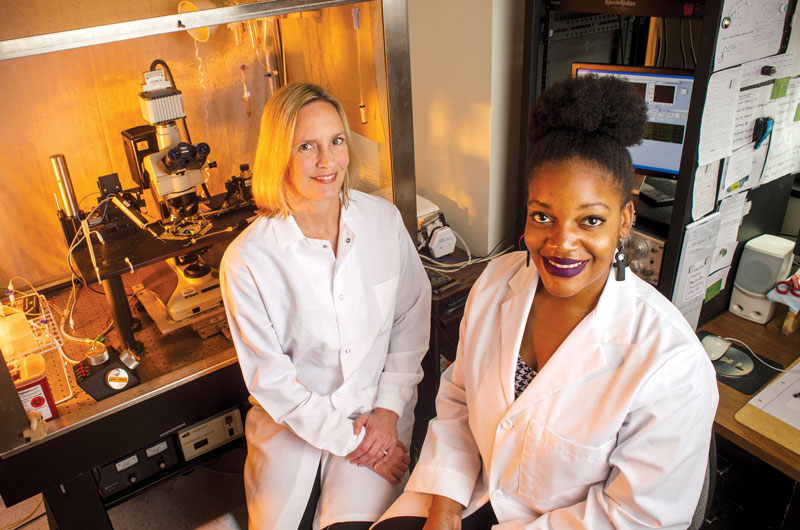 Each Roadmap Scholar works closely with a research mentor. Here, scholar Lillian Brady (right) meets with neurobiology associate professor Lynn Dobrunz.
But then the Jackson, Mississippi, native found a place where she fit in perfectly: UAB’s Neuroscience Roadmap Scholars program, which is designed to help engage and retain underrepresented graduate trainees—including ethnic minorities and students with disabilities—in the neuroscience workforce.
Brady, now a doctoral student in UAB’s Department of Neurobiology, calls the program a “confidence booster” that has provided both support and encouragement. “I’ve been exposed to scientists who look like me and who have had some of the same challenges I am facing now,” she says. “These scientists are thriving in their fields, so I have no doubt that I can be successful in whatever career path I choose.”
Strengthening the Pipeline
“Through our experience working with students, we realized the pipeline for diverse neuroscientists was leaky,” recalls Farah Lubin, Ph.D., associate professor of neurobiology. “We might start with many diverse, motivated students, but somehow, many of them don’t make it into successful careers.”The problem isn’t talent or academic strength; rather, many students from diverse backgrounds or with disabilities may struggle with financial challenges, family needs, or a lack of confidence. Lubin and Lori McMahon, Ph.D., UAB Graduate School dean and UAB Comprehensive Neuroscience Center director, have seen such roadblocks dismantle the plans and goals of numerous students and coworkers.
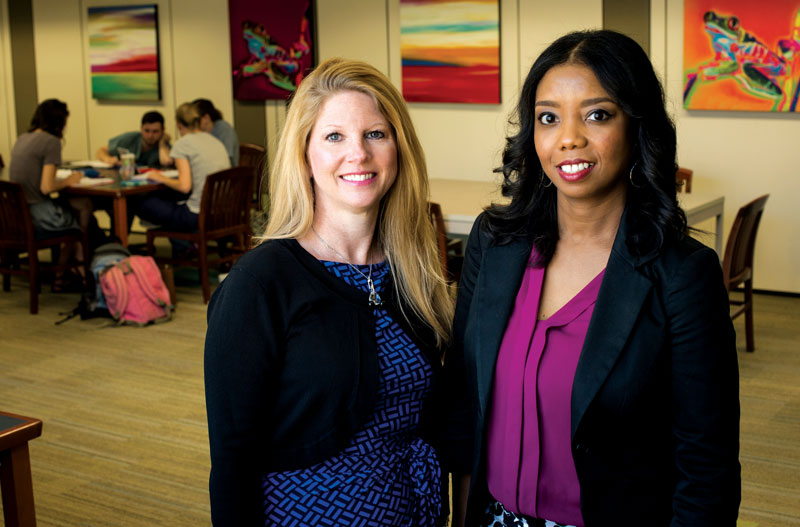 Roadmap co-directors Lori McMahon (left) and Farah Lubin (right) serve as career coaches for scholars outside the lab.
To plug the pipeline’s holes, Lubin and McMahon developed Roadmap Scholars to emphasize mentoring, support networks, team-building experiences, and a community of peers to help guide more students to achieve neuroscience careers. Funded by a grant from the National Institute of Neurological Disorders and Stroke, the program launched in 2014. Today it includes 25 doctoral students.
The funding does not pay tuition or stipends; instead, it enhances and provides educational experiences to prepare students for further study and to encourage them to remain in neuroscience. And it works in tandem with the students’ graduate curriculum. For example, every Roadmap Scholar matches with a “career coach” in addition to a primary research mentor. The coach is a faculty member not on the student’s thesis committee who is available to talk about nearly anything—scientific projects, publishing and presenting, conflict management, or life in general, Lubin says. In doing so, these coaches provide additional professional perspectives and serve as an additional layer of support.
For Leland Fleming, a Fort Worth, Texas, native and UAB Graduate Biomedical Sciences doctoral student, the program’s peer and faculty network has made his goal of becoming a neuroscientist more tangible. “With its guidance and inspiration, it has made a once seemingly impossible goal something that I feel more than capable of accomplishing,” he says.
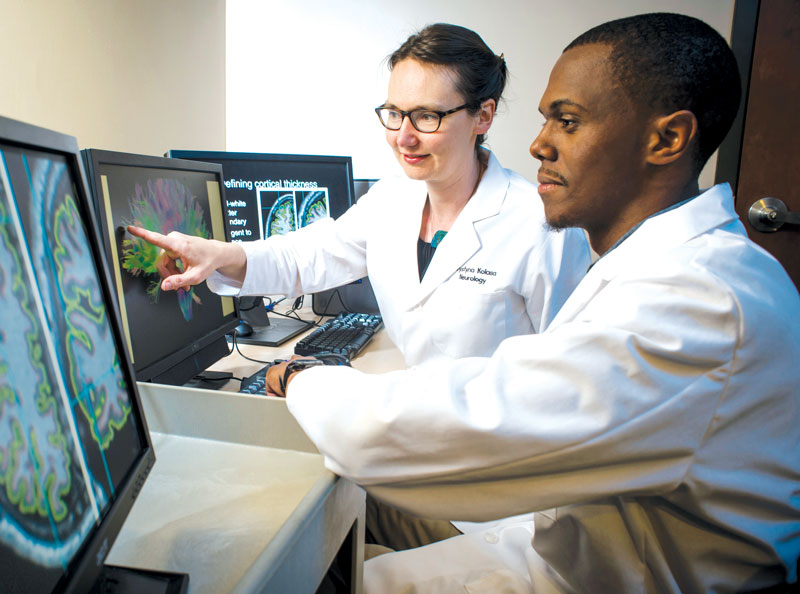 Leland Fleming (right) with his research mentor, neurobiology assistant professor Kristina Visscher
Creating a Community
The support system kicks into gear even before the scholars’ first semester at the program’s summer NEURAL (National Enhancement of Underrepresented Academic Leaders) Conference, which draws neuroscience trainees from across the country. There, students can hone their networking and public speaking skills and interact with the field’s academic leaders. For instance, at the 2015 inaugural conference, leading neuroscientist Roger Nicoll, M.D., of the University of California San Francisco drew an emotional response from the audience when he spoke of succeeding despite his lifelong struggle with dyslexia.For Fleming, key conference takeaways included insights on common challenges that minority students can face in graduate school. These might be “feelings of inadequacy or feelings that he or she is merely an impostor on the brink of being exposed at any given moment,” he explains. But he and other students also received “terrific advice on coping with these issues when they arise,” Fleming says.
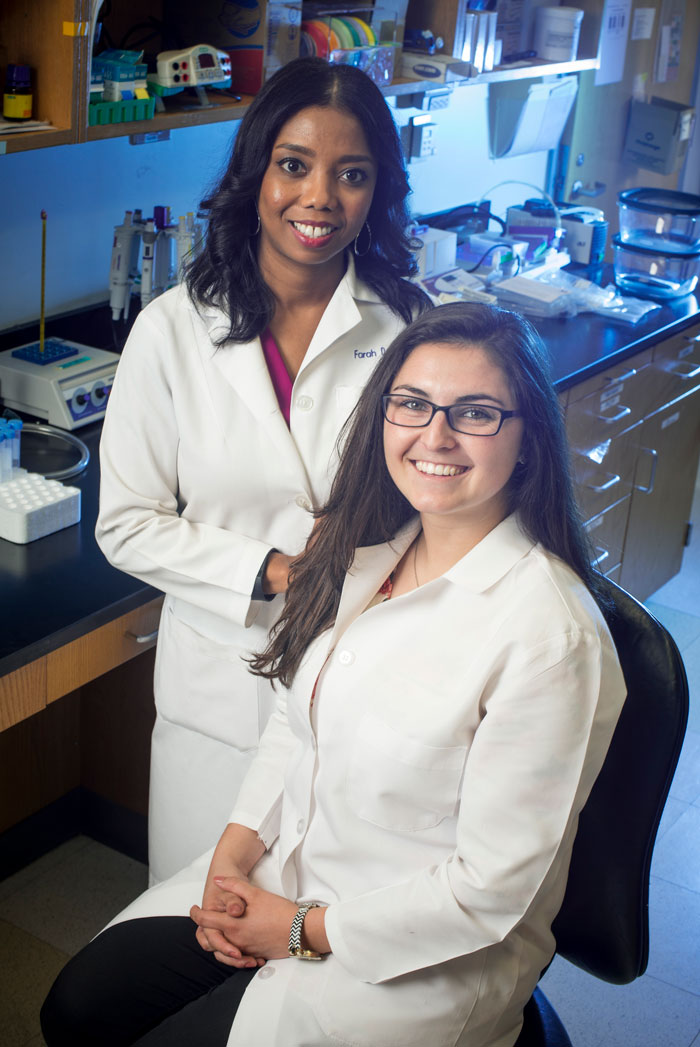 Lubin serves as a research mentor for scholar Rylie Hightower (right).
The conference also helps to build strong bonds among students. Matthew Timberlake, a second-year graduate student who grew up in Fort Worth and Enterprise, Alabama, has enjoyed helping his colleagues to design and present lectures—even sharing his own research data with them. “I like the sense of community,” he says. “My colleagues and I—especially the upperclassmen—have an important role in discussions,” he says. “We help to ease some of the unknown for the underclassmen. In the same way, I also benefit from the upperclassmen’s advice and guidance.”
Rylie Hightower, an Albuquerque native who came to UAB after earning a nursing degree in New Mexico, is one of the newer students benefiting from those discussions. At a Roadmap spring retreat, Hightower sought advice from older students. Those interactions “will help me throughout my time at UAB and beyond,” she says.
The program has “made me feel at home away from home,” Hightower says. “But it also has helped me understand that a supportive community can greatly contribute to the way I think and perform as a student and as a scientist.”
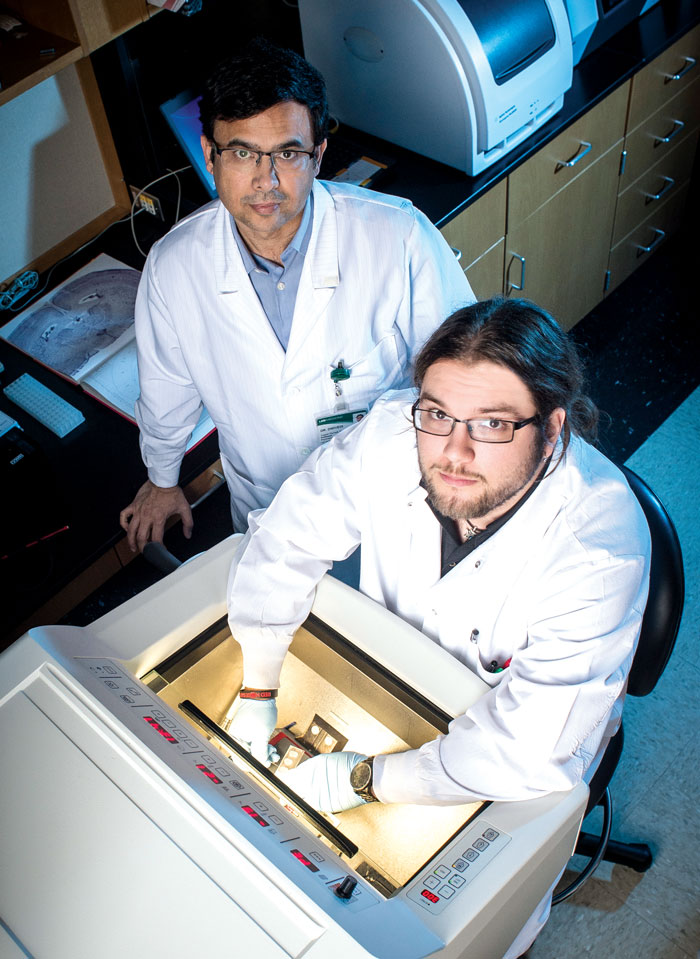 Matthew Timberlake (right) works with research mentor and psychiatry professor Yogesh Dwivedi.
The Road Ahead
Career planning is a key component of the program. Brady, who plans to obtain a postdoctoral position following her UAB training, found Roadmap’s “postdoctoral school” to be extremely valuable. She describes it as a weeklong crash course for senior graduate students covering “everything we need to know about postdoctoral positions. Not only were we given pointers on securing the right postdoc for our interest, but we also were exposed to postdocs in fields we might not have considered.”Every student also learns about neuroscience-related job opportunities in business and industry. “Often, students are encouraged to build a career path focused on remaining in academia,” says Megan Rich, a Fairfield, Connecticut, native and UAB Graduate Biomedical Sciences student. “The program has been great about expressing other options after graduate school and that it is OK to think about them.”
By helping these students to feel empowered, capable, and supported, the Neuroscience Roadmap Scholars program will lay the groundwork for future progress in one of the fastest growing scientific fields, McMahon says. Lubin agrees, noting that diversity is crucial for continuing advancements: “Diverse groups can offer unique perspectives and unique ideas, which will push the field forward.”
• Learn more about the Neuroscience Roadmap Scholars Program, including how to apply.
• Give something and change everything for the next generation of neuroscientists by supporting the School of Medicine.
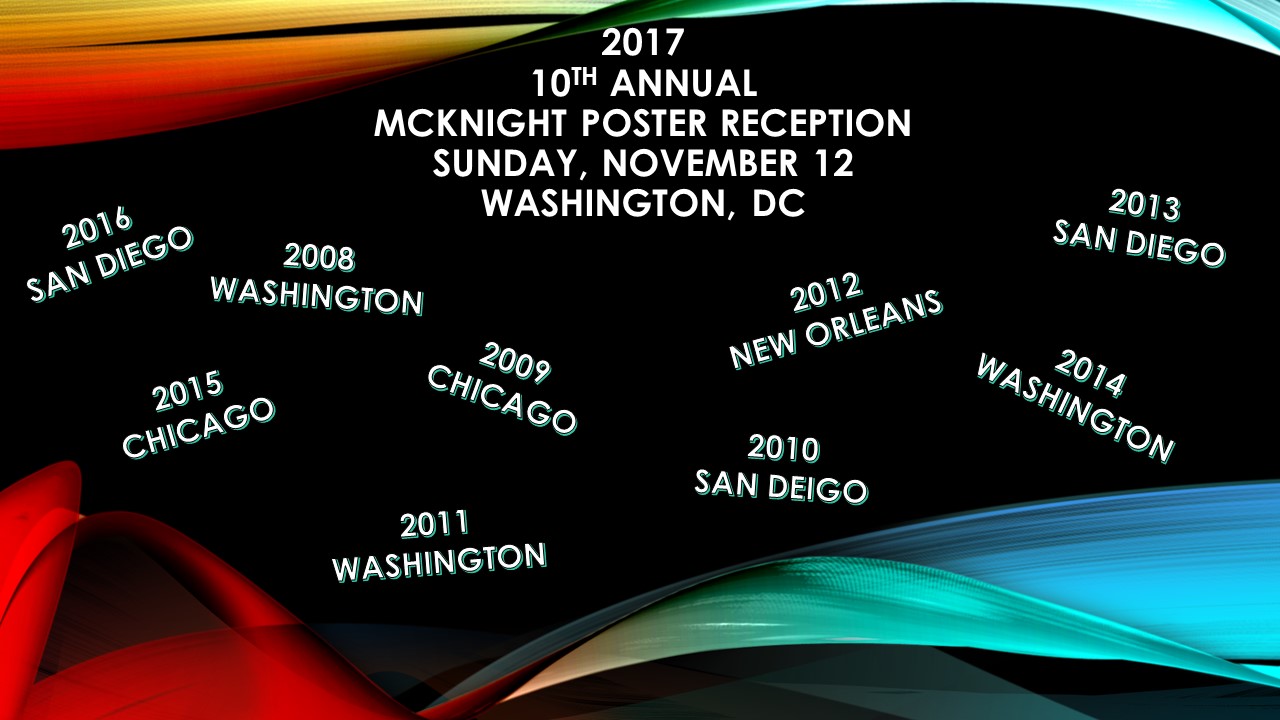
McKnight Poster Reception
How do neuroplasticity and neurogenesis rewire your brain?
New research identifies how the birth of new neurons can reshape the brain.
Posted Feb 06, 2017
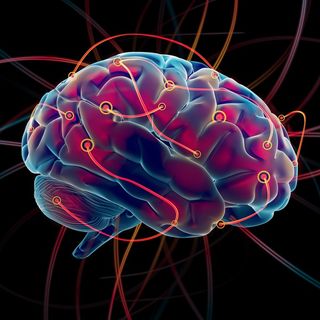
Source: XStudio3D/Shutterstock
For over a decade, neuroscientists have been trying to figure out how neurogenesis (the birth of new neurons) and neuroplasticity (the malleability of neural circuits) work together to reshape how we think, remember, and behave.
This week, an eye-opening new study, “Adult-Born Neurons Modify Excitatory Synaptic Transmission to Existing Neurons (link is external)” reported how newborn neurons (created via neurogenesis) weave themselves into a “new and improved” neural tapestry. The January 2017 findings were published in the journal eLife.
During this state-of-the-art study on mice, neuroscientists at the University of Alabama at Birmingham (UAB) found that the combination of neurogenesis and neuroplasticity caused less-fit older neurons to fade into oblivion and die off as the sprightly, young newborn neurons took over existing neural circuits by making more robust synaptic connections.
For their latest UAB study, Linda Overstreet-Wadiche (link is external) and Jacques Wadiche (link is external)—who are both associate professors in the University of Alabama at Birmingham Department of Neurobiology—focused on neurogenesis in the dentate gyrus region of the hippocampus.
The dentate gyrus is an epicenter of neurogenesis responsible for the formation of new episodic memories and the spontaneous exploration of novel environments, among other functions.
More specifically, the researchers focused on newly born granule cell neurons (link is external) in the dentate gyrus that must become wired into a neural network by forming synapses via neuroplasticity in order to stay alive and participate in ongoing neural circuit function.
There are only two major brain regions that are currently believed to have the ability to continually give birth to new neurons via neurogenesis in adults; one is the hippocampus (long-term and spatial memory hub) the second is the cerebellum (coordination and muscle memory hub). Notably, granule cells have the highest rate of neurogenesis. Both the hippocampus and cerebellum are packed, chock-full with granule cells.
Interestingly, moderate to vigorous physical activity (MVPA) is one of the most effective ways to stimulate neurogenesis and the birth of new granule cells in the hippocampus and the cerebellum. (As a cornerstone of The Athlete's Way platform, I've been writing about the link between MVPA and neurogenesis for over a decade. To read a wide range of Psychology Today blog posts on the topic click on this link (link is external).)
Drawing of Purkinje cells (A) and granule cells (B) from pigeon cerebellum by Santiago Ramón y Cajal, 1899.
Source: Instituto Santiago Ramón y Cajal, Madrid, Spain
Granule cells were first identified by Santiago Ramón y Cajal, who made beautiful sketches in 1899 that illustrate how granule cells create synaptic connections with Purkinje cells in the cerebellum. His breathtaking and Nobel Prize-winning illustrations are currently on a museum tour across the United States (on loan from the Instituto Santiago Ramón y Cajal in Madrid, Spain) as part of "The Beautiful Brain" traveling art exhibit.
(As a side note, the olfactory bulb is the only other subcortical brain area known to have high rates of neurogenesis. Speculatively, this could be one reason that scent plays such an indelible and ever-changing role in our memory formation and ‘remembrance of things past.’)
Neurogenesis and Neuroplasticity Work Together to Rewire Neural Circuitry
One of the key aspects of neural plasticity is called Neural Darwinism, or "neural pruning," which means that any neuron that isn’t ‘fired-and-wired’ together into a network is likely to be extinguished. The latest UAB research suggests that newborn neurons play a role in expediting this process by "winning out" in a survival of the fittest type of neuronal battle against their more elderly or worn out counterparts.Long before there were neuroscientific studies on neuroplasticity and neurogenesis, Henry David Thoreau unwittingly described the process of how the paths that one's mind travels can become hardwired (when you get stuck in a rut) by describing a well-worn path through the woods. In Walden, Thoreau writes,
"The surface of the earth is soft and impressible by the feet of men; and so with the paths which the mind travels. How worn and dusty, then, must be the highways of the world, how deep the ruts of tradition and conformity!"From a psychological standpoint, the latest UAB discovery presents the exciting possibility that when adult-born neurons weave into existing neural networks that new memories are created and older memories may be modified.
Through neurogenesis and neuroplasticity, it may be possible to carve out a fresh and unworn path for your thoughts to travel upon. One could speculate that this process opens up the possibility to reinvent yourself and move away from the status quo or to overcome past traumatic events that evoke anxiety and stress. Hardwired fear-based memories often lead to avoidance behaviors that can hold you back from living your life to the fullest.
Future Research on Neurogenesis Could Lead to New PTSD Treatments
Granule cells in the dentate gyrus are part of a neural circuit that processes sensory and spatial input from other areas of the brain. By integrating sensory and spatial information, the dentate gyrus has the ability to generate unique and detailed memories of an experience.Before this study, Overstreet-Wadiche and her UAB colleagues had a few basic questions about how the newly born granule cells in the dentate gyrus function. They asked themselves two specific questions:
Through a series of complex experiments with mice, Overstreet-Wadiche et al. found that some of the cortical neurons in the cerebral cortex transferred all of their former connections with older granule cells (that may have been worn out or past their prime) to the freshly born granule cells that were raring to go.
- Since the number of neurons in the dentate gyrus increases by neurogenesis while the number of neurons in the cortex remains the same, does the brain create additional synapses from the cortical neurons to the new granule cells?
- Or do some cortical neurons transfer their connections from mature granule cells to the new granule cells?
This revolutionary discovery opens the door to examine how the redistribution of synapses between old and new neurons helps the dentate gyrus stay up to date by forming new connections.
One of the key questions the researchers want to dive deeper into during upcoming experiments is: “How does this redistribution relate to the beneficial effects of exercise, which is a natural way to increase neurogenesis?”
In the future, it's possible that cutting-edge research on neurogenesis and neuroplasticity could lead to finely-tuned neurobiological treatments for ailments such as post-traumatic stress disorder (PTSD) and dementia. In a statement to UAB (link is external), Overstreet-Wadiche said,
"Over the last 10 years there has been evidence supporting a redistribution of synapses between old and new neurons, possibly by a competitive process that the new cells tend to 'win.’ Our findings are important because they directly demonstrate that, in order for new cells to win connections, the old cells lose connections.
So, the process of adult neurogenesis not only adds new cells to the network, it promotes plasticity of the existing network. It will be interesting to explore how neurogenesis-induced plasticity contributes to the function of this brain region.
Neurogenesis is typically associated with improved acquisition of new information, but some studies have also suggested that neurogenesis promotes 'forgetting' of existing memories."
Aerobic Exercise Is the Most Effective Way to Stimulate Neurogenesis and Create Adult-Born Neurons
For the past 10 years, the actionable advice I've given in The Athlete's Way has been rooted in the belief that through the daily process of working out anyone can stimulate neurogenesis and optimize his or her mindset and outlook on life via neuroplasticity."The Athlete's Way" program is designed to reshape neural networks and optimize your mindset. Since the beginning, this program has been based on the discovery that aerobic activity produces brain-derived neurotrophic factor (BDNF) and stimulates the birth of new neurons through neurogenesis. I describe my philosophy in the Introduction to The Athlete's Way,
"Shifting the focus from thinner thighs to stronger minds makes this exercise book unique. The Athlete's Way does not focus just on sculpting six-pack abs or molding buns of steel. We are more interested in bulking up your neurons and reshaping your synapses to create an optimistic, resilient, and determined mindset. The goal is transformation from the inside out.I created The Athlete's Way along with the indispensable help of my late father, Richard Bergland, who was a visionary neuroscientist, neurosurgeon, and author of The Fabric of Mind (Viking).
My mission is to get this message to you so that you can use neurobiology and behavioral models to help improve your life through exercise. I am a zealot about the power of sweat to transform people’s lives by transforming their minds. My conviction is strong and authentic because I have lived it."
A decade ago, when I published The Athlete’s Way: Sweat and the Biology of Bliss (link is external) (St. Martin's Press) I put neurogenesis and neuroplasticity in the spotlight. At the time, the discovery of neurogenesis was brand new, and still a radical notion in mainstream neuroscience.
In the early 21st century, most experts still believed that human beings were born with all the neurons they would have for their entire lifespan. If anything, it was believed that people could only lose neurons or "kill brain cells" as we got older.
Understandably, when I published The Athlete's Way in 2007 there were lots of skeptics and naysayers who thought my ideas about reshaping mindset using a combination of neurogenesis and neuroplasticity through moderate to vigorous physical activity were ludicrous.
For the past 10 years, I've kept my antennae up and my finger on the pulse of all the latest research on neurogenesis and neuroplasticity hoping to find additional empirical evidence that gives more scientific credibility to my system of belief and The Athlete’s Way methodology.
Needless to say, I was over the moon and ecstatic this morning when I read about the new research by Linda Overstreet-Wadiche and Jacques Wadiche that pinpoints the specifics of how adult-born neurons modify existing neural circuits. This is fascinating stuff!
These are exciting times in neuroscience. Modern day neuroscientific techniques are poised to solve many more riddles regarding the complex mechanism by which neurogenesis and neuroplasticity work together as a dynamic duo to reshape our neural networks and functional connectivity between brain regions. Stay tuned for future empirical evidence and scientific research on neurogenesis and neuroplasticity in the months and years ahead.
In the meantime, if you'd like to read a free excerpt from The Athlete’s Way that provides some simple actionable advice and practical ways for you to stimulate neurogenesis and rewire your brain via neuroplasticity and moderate to vigorous physical activity—check out these pages from a section of my book titled: "Neuroplasticity and Neurogenesis: Combining Neuroscience and Sport (link is external)."
References
Elena W Adlaf, Ryan J Vaden, Anastasia J Niver, Allison F Manuel, Vincent C Onyilo, Matheus T Araujo, Cristina V Dieni, Hai T Vo, Gwendalyn D King, Jacques I Wadiche, Linda Overstreet-Wadiche. Adult-born neurons modify excitatory synaptic transmission to existing neurons. eLife, 2017; 6 DOI: 10.7554/eLife.19886 (link is external)
Summer Neuroscience Program
UAB summer neuroscience program expands with NSF funding
by Bob Shepard - February 06, 2017The expanded UAB Summer Program in Neuroscience, with renewed funding from the National Science Foundation, is looking for underserved undergrads for science mentoring.
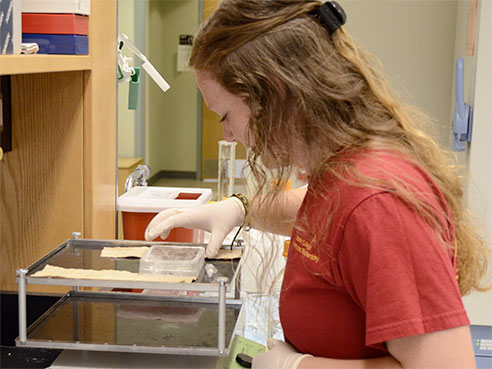 Krista Hoevemeyer, class of 2013, at a lab bench. UAB's SPIN program fosters career development for underrepresented minority college students and/or students from non-research-intensive universities.The University of Alabama at Birmingham Summer Program in Neuroscience, a program designed to promote careers in science to deserving undergraduate college students, has regained funding from the National Science Foundation. The new grant, $120,000 per year for three years, will allow for significant expansion of the program, which aims to foster career development and provide research training for underrepresented minority students and/or students from non-research-intensive universities.
“The SPIN program focuses on students with demonstrated scientific aptitude who have interest in pursuing a career in scientific research but have not been exposed to that environment,” said Gwendalyn King, Ph.D., assistant professor in the Department of Neurobiology and the SPIN program director. “SPIN is a 10-week research-intensive program in which students are mentored in UAB neuroscience labs to get a firsthand look at whether research is a good career option for them.”
The program enrolls 10 students each summer, usually juniors and seniors, who get hands-on experience in a laboratory, as well as career counseling. Students are paired with a UAB neuroscience faculty member and are also mentored by senior graduate students in the lab.
“The program is a real opportunity for learning what a career in science is all about,” said Lucas Pozzo-Miller, Ph.D., professor of neurobiology and SPIN co-director. “They don’t sit and watch — they are actively involved in the lab’s work. The goal of the program is that students accomplish enough to qualify for co-author status on research papers that originate in the lab.”
SPIN was originally funded by NSF for three years beginning in 2005. Following a loss of external funding in 2008, the program continued on a reduced scale through generous contributions from UAB internal organizations, including the Department of Neurobiology, the Comprehensive Neuroscience Center, the Civitan International Research Center and the Office of the Provost.
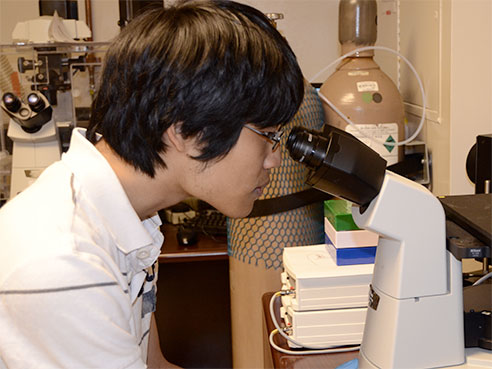 SPIN participants such as Jinwoo Hur, class of 2013, spend ten weeks in UAB neuroscience research labs.The reinstatement of NSF funding will allow the program to expand the number of students enrolled, provide stipends and help cover the cost of housing and meals. Since inception in 2005, SPIN has trained 106 undergraduates hailing from 29 states and two foreign countries.
Several former participants are now graduate students at UAB.
“I went to a small, liberal arts university in Minnesota for my undergraduate degree where there was little opportunity for doing research,” said Angie Nietz, now a fifth-year graduate student in the lab of Jacques Wadiche, Ph.D., associate professor of neurobiology. “The program gave me one of my only experiences of what it is like to do research outside of a classroom setting before entering graduate school. The research experience and excellent mentorship I received prepared me for applying to and being successful in graduate school.”
Nancy Gallus did her undergraduate work in molecular medicine at the University of Tübingen, Germany, before attending the UAB Spin program. She is now a graduate student in the laboratory of Jeremy Day, Ph.D., assistant professor of neurobiology.
“SPIN was very important for me, as it was one of my first real research experiences,” she said. “It also helped me decide where I wanted to go for graduate school and how to apply.”
Shelly Nason, now a second-year graduate student in the lab of Kirk Habegger, Ph.D., assistant professor, Department of Medicine, says her Michigan liberal arts college did not offer opportunities for neuroscience research.
“SPIN was most beneficial to me in professional development, beyond the benefits of understanding what it meant to participate in actual research,” she said. “I entered the program feeling less than confident in my ability to get into graduate school, and I left with the tools and confidence that helped me receive multiple acceptance letters. I highlight the SPIN program as the best opportunity in my undergraduate studies that propelled me forward in my career as a scientist.”
Pozzo-Miller says the program has benefit even for those attendees who ultimately decide against a career in science.
“These are people who will have a voice in the future of science,” he said. “They are voters, decision-makers and potential leaders of our country, and it is incumbent on us to teach them critical thinking skills, to help them understand the importance of scientific thought, and to understand and believe in the value of science.”
“Diversity in science is extremely important, as it is in all fields,” King said. “We need investigators with different backgrounds and different experiences. This program, we hope, will foster and instill a love of science in these students.”
The deadline for applying for a position in the 2017 SPIN program in March 1. The program runs from June 5 to Aug. 11.
Outstanding Research Scientist
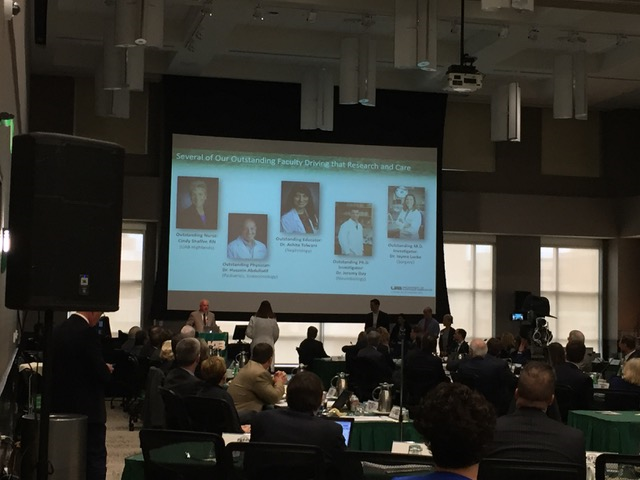
Wadiches Publish Brain Plasticity.....
It appears that new cells compete to ‘win’ synapse connections away from old cells, which promotes network plasticity.
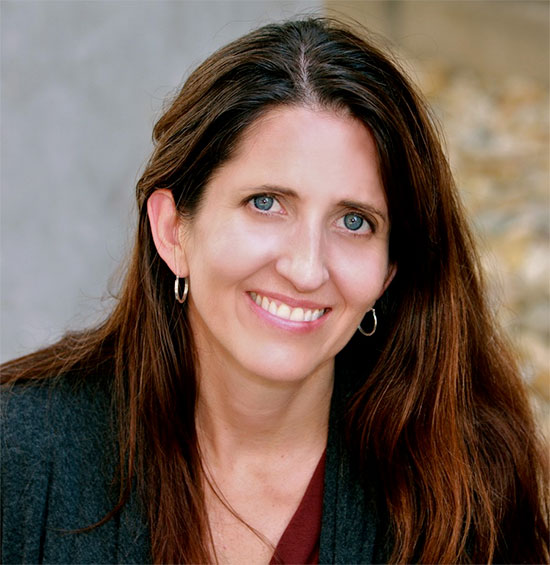 Linda Overstreet-Wadiche, Ph.D.
One goal in neurobiology is to understand how the flow of electrical signals through brain circuits gives rise to perception, action, thought, learning and memories.
Linda Overstreet-Wadiche, Ph.D., and Jacques Wadiche, Ph.D., both associate professors in the University of Alabama at Birmingham Department of Neurobiology, have published their latest contribution in this effort, focused on a part of the brain that helps form memories — the dentate gyrus of the hippocampus.
The dentate gyrus is one of just two areas in the brain where new neurons are continuously formed in adults. When a new granule cell neuron is made in the dentate gyrus, it needs to get ‘wired in,’ by forming synapses, or connections, in order to contribute to circuit function. Dentate granule cells are part of a circuit that receive electrical signals from the entorhinal cortex, a cortical brain region that processes sensory and spatial input from other areas of the brain. By combining this sensory and spatial information, the dentate gyrus can generate a unique memory of an experience.
Overstreet-Wadiche and UAB colleagues posed a basic question: Since the number of neurons in the dentate gyrus increases by neurogenesis while the number of neurons in the cortex remains the same, does the brain create additional synapses from the cortical neurons to the new granule cells, or do some cortical neurons transfer their connections from mature granule cells to the new granule cells?
Their answer, garnered through a series of electrophysiology, dendritic spine density and immunohistochemistry experiments with mice that were genetically altered to produce either more new neurons or kill off newborn neurons, supports the second model — some of the cortical neurons transfer their connections from mature granule cells to the new granule cells.
This opens the door to look at how this redistribution of synapses between the old and new neurons helps the dentate gyrus function. And it opens up tantalizing questions. Does this redistribution disrupt existing memories? How does this redistribution relate to the beneficial effects of exercise, which is a natural way to increase neurogenesis?
“Over the last 10 years there has been evidence supporting a redistribution of synapses between old and new neurons, possibly by a competitive process that the new cells tend to ‘win,’” Overstreet-Wadiche said. “Our findings are important because they directly demonstrate that, in order for new cells to win connections, the old cells lose connections. So, the process of adult neurogenesis not only adds new cells to the network, it promotes plasticity of the existing network.”
“It will be interesting to explore how neurogenesis-induced plasticity contributes to the function of this brain region,” she continued. “Neurogenesis is typically associated with improved acquisition of new information, but some studies have also suggested that neurogenesis promotes ‘forgetting’ of existing memories.”
The researchers also unexpectedly found that the Bax gene, known for its role in apoptosis, appears to also play a role in synaptic pruning in the dentate gyrus.
| “There is mounting evidence that the cellular machinery that controls cell death also controls the strength and number of synaptic connections” —Linda Overstreet-Wadiche |
“There is mounting evidence that the cellular machinery that controls cell death also controls the strength and number of synaptic connections,” Overstreet-Wadiche said. “The appropriate balance of synapses strengthening and weakening, collectively termed synaptic plasticity, is critical for appropriate brain function. Hence, understanding how synaptic pruning occurs may shed light on neurodevelopmental disorders and on neurodegenerative diseases in which a synaptic pruning gone awry may contribute to pathological synapse loss.”
All of the work was performed in the Department of Neurobiology at UAB. In addition to Overstreet-Wadiche and Wadiche, co-authors of the paper, “Adult born neurons modify excitatory synaptic transmission to existing neurons,” published in eLife, are Elena W. Adlaf, Ryan J. Vaden, Anastasia J. Niver, Allison F. Manuel, Vincent C. Onyilo, Matheus T. Araujo, Cristina V. Dieni, Hai T. Vo and Gwendalyn D. King.
Much of the data came from the doctoral thesis research of Adlaf, a former UAB Neuroscience graduate student who is now a postdoctoral fellow at Duke University.
Funding for this research came from Civitan International Emerging Scholars awards, and National Institutes of Health awards or grants NS098553, NS064025, NS065920 and NS047466.
School of Medicine Annual Report
Dobrunz published in Journal of Neuroscience
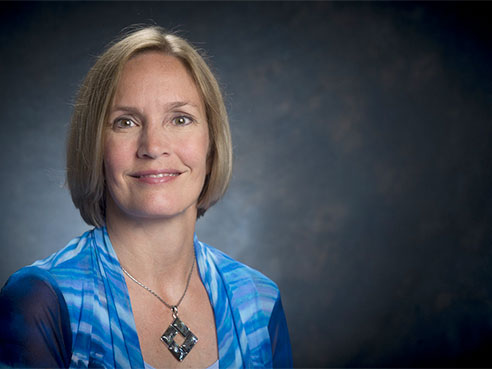 UAB neurobiologist Lynn Dobrunz, Ph.D.University of Alabama at Birmingham neurobiologist Lynn Dobrunz, Ph.D., has discovered a novel mechanism for how stress-induced anxiety — the type of experience that can produce post-traumatic stress disorder, or PTSD — affects circuit function in the hippocampus, the area of the brain where aversive memories are formed.
 These studies by Dobrunz and colleagues fill an important gap in knowledge between the molecular, circuit and behavioral effects of the brain-signaling molecule called neuropeptide Y. Their findings, published in the Journal of Neuroscience, could pave the way for new therapeutic targets to increase neuropeptide Y release in the appropriate brain pathway for patients with anxiety disorders.
Increased levels of neuropeptide Y are well-known to produce anxiety-relieving effects. In contrast, the levels of neuropeptide Y are reduced in people with PTSD and other anxiety disorders. Until now, the mechanism of how changing levels of neuropeptide Y alters circuit function to reduce or increase anxiety behavior has not been known. Besides describing a mechanism for that, the UAB researchers also show that the stress of exposing mice to a predator scent — a compound found in the feces of foxes — prevents the release of neuropeptide Y, potentially enhancing anxiety.
PTSD is a public health challenge. It is marked by reactions to trauma or a life-threatening event that do not go away or even grow worse — reactions such as jumpiness, difficulty sleeping or upsetting memories. About 3.5 percent of the U.S. population has PTSD in a given year, and the rate for women is nearly three times higher than that for men, according to the U.S. Department of Veterans Affairs. The estimated prevalence of PTSD among Gulf War veterans and veterans of Iraq and Afghanistan exceeds 10 percent.
Major findings
In their research, Dobrunz and colleagues focused on the CA1 area of the hippocampus. CA1 is involved in learning and memory, and distinct sets of neurons there are able to release neuropeptide Y.Two neural pathways activate CA1 — the Schaffer collateral, or SC, pathway and the temporoammonic, or TA, pathway. While both pathways are involved in fear learning, the TA pathway has been shown to be particularly sensitive to stress. Using a novel, physiologically based assay, the researchers were able to send a train of electrical pulses through these pathways to stimulate the release of endogenous neuropeptide Y from three subtypes of neurons in CA1.
| PTSD is a public health challenge. It is marked by reactions to trauma or a life-threatening event that do not go away or even grow worse — reactions such as jumpiness, difficulty sleeping or upsetting memories. About 3.5 percent of the U.S. population has PTSD in a given year, and the rate for women is nearly three times higher than that for men. |
Importantly, the researchers found that stressing mice with predator scent — a mouse model of PTSD — impaired the release of endogenous neuropeptide Y in the TA pathway and altered the function of the TA synapses. This impairment of neuropeptide Y release, Dobrunz and colleagues say, contributes to circuit dysfunction in the CA1 area of the hippocampus in response to stress.
From this study and what others know about the hippocampus, the UAB results suggest the following train of events: 1) The stress of smelling a predator scent impairs neuropeptide Y release. 2) This reduction in neuropeptide Y release enhances short-term plasticity of TA synapses. 3) The enhanced plasticity, in turn, boosts the strength of that pathway to drive more spiking of CA1 nerve cells. 4) Increased spiking alters the hippocampal output, a changed output that may increase the consolidation of fear learning.
“Our study,” the authors wrote, “is the first demonstration of the impact of endogenously released neuropeptide Y on SC and TA short-term plasticity in response to stimulation with a physiologically derived spike train. While no in vitro experiment completely duplicates in vivo conditions, these experiments bring us one step closer to the physiological situation and advance our understanding of how temporally complex activity regulates neuropeptide Y release from neuropeptide Y-positive interneurons.”
Furthermore, Dobrunz says, her novel assay could also be used to detect effects of endogenous neuropeptide Y release in other neurological and neuropsychiatric disorders where neuropeptide Y is implicated. These include epilepsy, depression and schizophrenia.
Besides Dobrunz, who is an associate professor of neurobiology, the authors of “Endogenously released neuropeptide Y suppresses hippocampal short-term facilitation and is impaired by stress-induced anxiety” are Qin Li and Aundrea F. Bartley, UAB Department of Neurobiology, Civitan International Research Center and the Evelyn F. McKnight Brain Institute.
This research was supported by National Institutes of Health Grant MH-108342 and a UAB Center for Clinical and Translational Sciences pilot award.
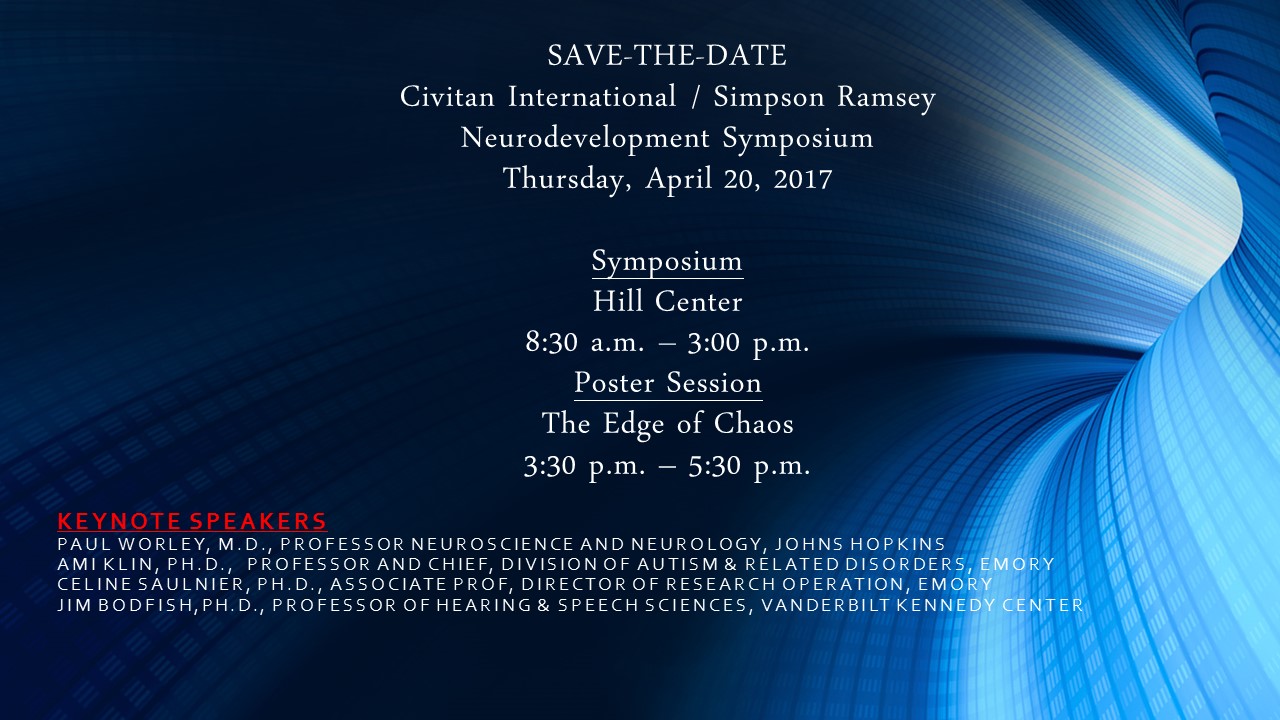
Save-the-Date Neurodevelopment Symposium
Research Experience for Undergraduates
CIRC Travel Awards 2017
The Civitan International Research Center is announcing the availability of trainee travel awards to facilitate presentations at meetings, conferences or symposia related to research and/or clinical activities addressing neurodevelopmental disabilities. Individual awards of up to $1000 will apply toward conference registration fees, airfare, hotel and meals according to UAB travel policy.
Application deadlines will be April 1 and September 1, 2017.
Applications should include the following in a single pdf file:
· a description of the travel opportunity and relationship to the trainee program of study
· a one-page CV from the trainee
· a letter of endorsement from the mentor clearly stating how the student will benefit from participation and also that no other support is available for this travel
· travel budget details
· copy of abstract – include letter of acceptance
The mission of the CIRC is to improve the well-being and the quality of life of individuals and families affected by neurodevelopmental disabilities; to provide interdisciplinary clinical and research training in neurodevelopmental disabilities; to utilize this knowledge to develop and provide high quality exemplary services and programs; and to exchange information in a timely way with consumers, practitioners, scientists, and society.
Submission guidelines:
Title the subject matter: Travel Application "Last name"
Submit to:
Vicki Hixon vhixon@uab.edu
Jeremy Day Probes Reward Signaling in the Brain
www.The-scientist.com
SCIENTIST TO WATCH Assistant Professor, University of Alabama at Birmingham. Age: 35
BY CATHERINE OFFORD
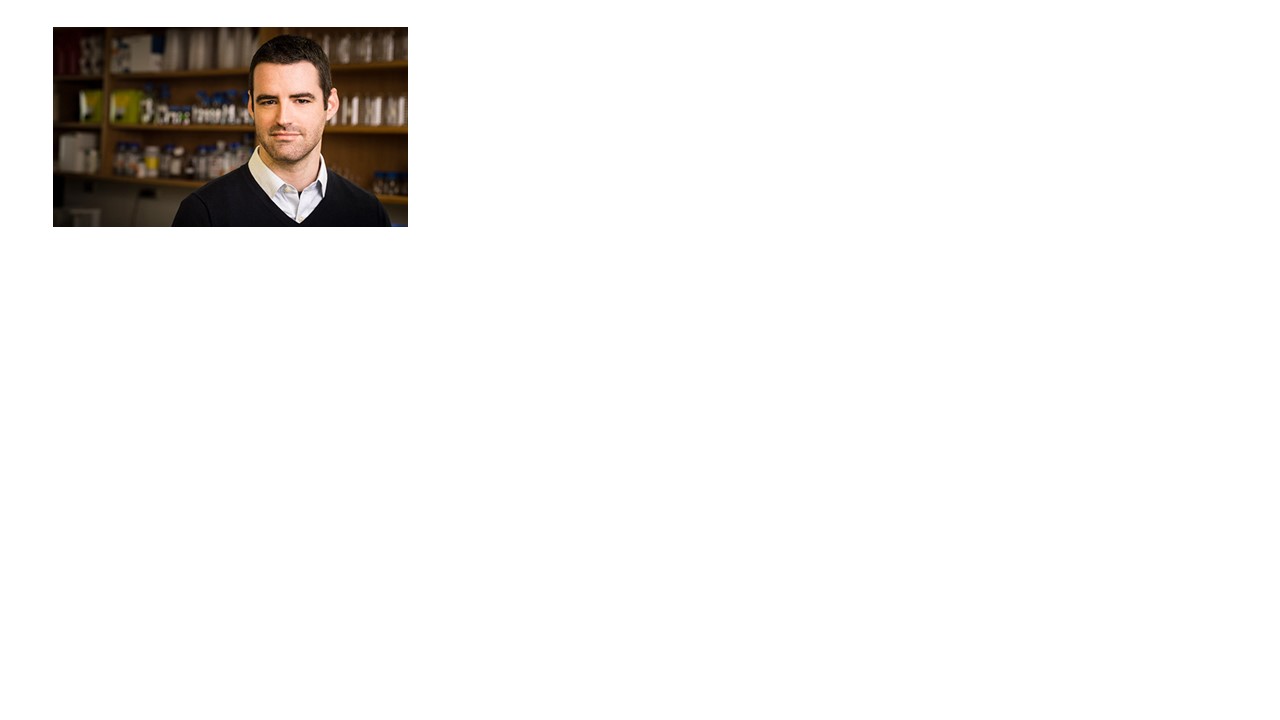
Jeremy Day: Reward Researcher
As an undergraduate at Auburn University in the early 2000s, Jeremy Day was thinking of becoming an architect. But an opportunity to work on a research project investigating reward learning in rodents changed the course of his career. “It really hooked me,” he says. “It made me immediately wonder what mecha- nisms were underlying that behavior in the animal’s brain.”
It’s a question Day has pursued ever since. In 2004, he enrolled in a PhD program at the University of North Carolina at Chapel Hill and began studying neural reward signaling under the mentorship of neu- roscientist Regina Carelli. “He was a stellar student by all accounts,” Carelli recalls. “He was very clear on the type of work he wanted to do, even that early on in his career.” Focusing on the nucleus accum- bens, a brain region involved in associative learning, Day measured dopamine levels in rats undergoing stimulus-reward experiments. Although a rat’s brain released dopamine on receipt of a reward early in training, Day found that, as the rodent became accustomed to spe- cific cues predicting those rewards, this dopamine spike shifted to accompany the cues instead, indicating a changing role for the chemical during learning.1
Day completed his PhD in 2009, but realized that to better understand dopamine signaling and errors in the brain’s reward system that lead to addiction, he would need a broader skill set. “I had a strong background in systems neuroscience, but my training in molecular neuroscience was not as strong,” he explains. So he settled on “a field that I knew almost nothing about”—epigenetics—and joined David Sweatt’s lab at the University of Alabama at Birmingham (UAB) as a postdoc. For someone used to a field where “data come in as it’s happening,” Day says, “transitioning to a molecular lab where you might do an assay and you don’t get an answer for a week or two was a culture shock.”
Initially, Day investigated epigenetic modification in the nucleus accumbens. “The idea was that we’d block DNA methylation and see if we could also block learning,” he explains. But things didn’t go according to plan. “We worked on that for a couple of years and, basically, all the results from that experiment were negative.”
Instead of giving up, Day refocused. “He demonstrated a lot of perseverance,” recalls Sweatt. “It really took commitment and determination to stick with the project.” Leaving the nucleus accumbens, Day tried similar experiments in another site involved in dopaminergic pathways. “We found that if we blocked DNA methylation in that region, we could completely block an animal’s ability to learn about rewards,” Day says.2
In 2013, Day received a grant from the National Institute on Drug Abuse (NIDA) that helped him set up as an assistant professor at UAB the following year. He has continued collaborating with Sweatt—now at Vanderbilt University School of Medicine—who calls his former postdoc “a rising star in the discipline.” In 2016, they published evidence that extra-coding RNAs—noncoding RNAs whose sequences overlap with protein- coding regions—help regulate neuronal DNA methylation in an activity-dependent manner.3
Now, Day is most excited about CRISPR-Cas9’s potential to explore epigenetics in the brain. “For the first time, we have the ability to look at the causal role for these modifications in gene regulation, neural function, and behavior,” he says. “It’s a really fun time to be in the field.” J
REFERENCES 1. J.J. Day et al., “Associative learning mediates dynamic shifts in dopamine signaling in the nucleus accumbens,” Nat Neurosci, 10:1020-28, 2007. (Cited 359 times) 2. J.J. Day et al., “DNA methylation regulates associative reward learning,” Nat Neurosci, 16:1445-52, 2013. (Cited 82 times) 3. K.E. Savell et al., “Extra-coding RNAs regulate neuronal DNA methylation dynamics,” Nat Commun, 7:12091, 2016. (Cited 1 time)
Global Study on Rett Syndrome
by Bob Shepard December 16, 2016
December 16, 2016 Print Email
December 16, 2016
UAB will study a drug originally developed for Parkinson’s disease that may help reduce breath holding in patients with Rett syndrome.
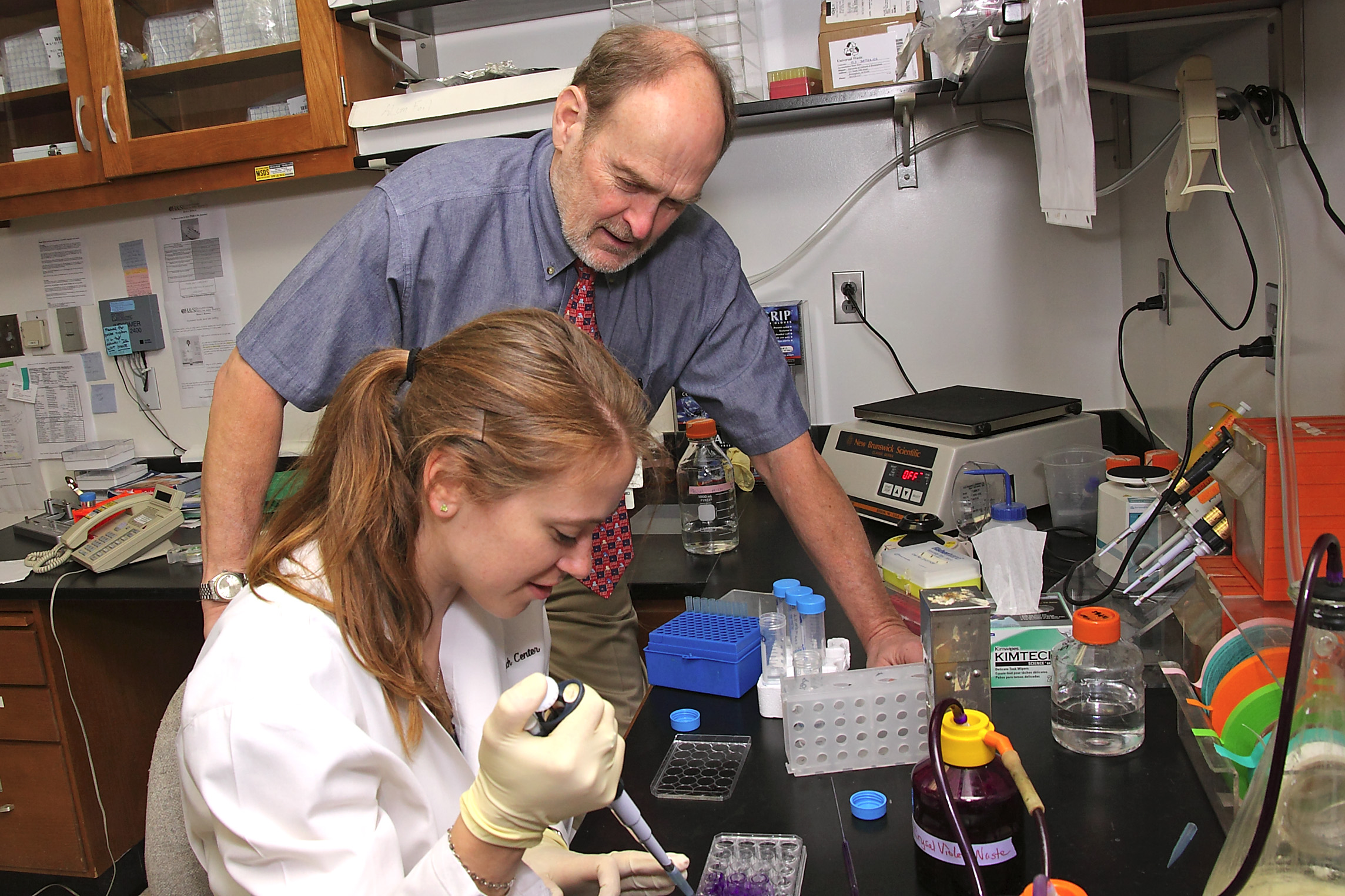 Pediatric neurologist Alan Percy, M.D., is a leading clinician and researcher into Rett Syndrome Researchers at the University of Alabama at Birmingham are part of the international STARS study to see if a drug originally developed for Parkinson’s disease might help reduce breathing issues common in patients with Rett syndrome. The drug, sarizotan, may help reduce the frequency of breath holding, a potentially significant effect of Rett syndrome.
“We often see Rett patients holding their breath for long periods of time, up to 30 seconds at a time, behavior that can go on for hours,” said Alan Percy, M.D., professor of neurology in the Department of Pediatrics, medical director of the UAB Civitan International Research Center and a leading Rett syndrome expert. “Patients often end up swallowing large amounts of air, which can have a very detrimental effect on nutrition, a major issue for Rett patients.”
The study, to be held in four sites in the United States and several international locations, is looking to enroll patients with Rett syndrome who are 13 years and older, have a body weight of at least 55 pounds and experience multiple episodes of breath holding while awake during the day.
Percy says UAB is looking to enroll 10-15 patients locally. Participants will be followed for one year.
“Breath holding can be quite disruptive in younger Rett patients, although it usually subsides in early adulthood,” Percy said. “We currently do not have an effective medication that addresses breath holding. This is the first multisite trial of a potential therapy.”
While its mechanism of action remains unclear, Percy says sarizotan may help prevent breath holding by activating serotonin 1a receptors in the brain stem.
“While this is certainly not curative for Rett syndrome, it could be disease modifying,” Percy said. “This has the potential to be an important drug, as breath holding can be very disruptive and distressing to the family.”
The National Institutes of Health defines Rett syndrome as a neurodevelopmental disorder that affects girls almost exclusively. It is characterized by normal early growth and development followed by a slowing of development, loss of purposeful use of the hands, distinctive hand movements, slowed brain and head growth, problems with walking, seizures, and intellectual disability.
The study is sponsored by Newron Pharmaceuticals U.S., Inc. Other study sites in the United States are the Altman Clinical and Translation Research Institute, University of California San Diego; Rush Medical University Center, Chicago; and Texas Children’s Hospital, Houston.
Parpura invited to join Dana Alliance
by Bob Shepard - December 09, 2016

UAB neurobiology professor Vladimir Parpura becomes the second UAB faculty with membership in the Dana Alliance for Brain Initiatives.
Outreach efforts of the Dana Alliance include organizing public forums such as an aging series targeted to older adults, facilitating speaking engagements, and supplementing K12 neuroscience curricula with publications and teaching materials through free, downloadable materials on the alliance website. The alliance’s flagship event is the annual Brain Awareness Week Campaign, now in its 22nd year. The upcoming campaign is March 1319, 2017.
Parpura earned his medical degree from the University of Zagreb in Croatia in 1989, and a doctorate in neuroscience and zoology from Iowa State University in 1993. He was elected as a Member of Academia Europaea in 2012, and has held faculty appointments at Iowa State University, the University of California, Riverside, and the University of Rijeka, Croatia, before joining UAB.
Four New NSF Grants.....
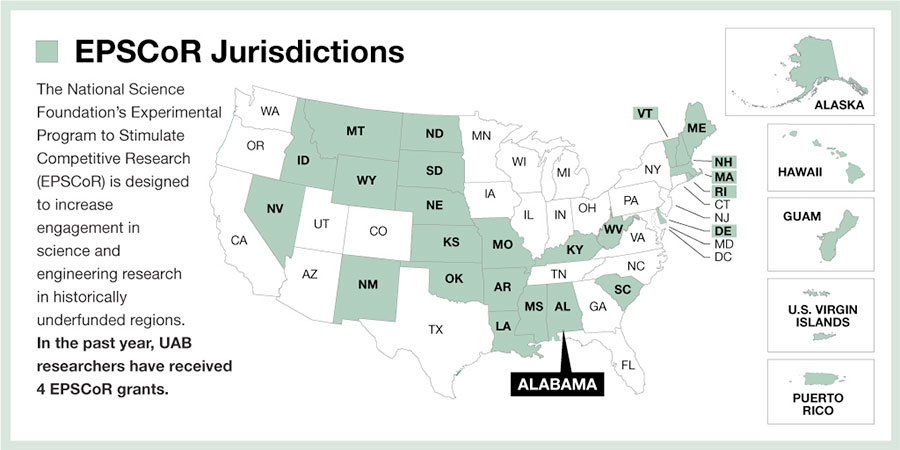
Alabama now has more EPSCoR Track II grants than any other state following the award of basic science grants meant to stimulate competitive research in regions of the country traditionally less able to compete for such research funds.
Four teams of University of Alabama at Birmingham researchers have been awarded National Science Foundation grants totaling $5.4 million meant to stimulate competitive research in regions of the country that are less able to compete for these research funds.
One research team supported by an NSF grant is in the College of Arts and Sciences’ Department of Chemistry, led by a polymer chemist who applies nanotechnology to biological and biomedical challenges. The three other grants will support basic neuroscience studies, one of UAB’s hallmark research strengths.
Lori McMahon, Ph.D., the Jarman F. Lowder Professor of Neuroscience, dean of the UAB Graduate School and director of the UAB Comprehensive Neuroscience Center, highlighted the three neuroscience EPSCoR grants at this fall’s Comprehensive Neuroscience Center retreat, calling them prestigious and competitive.
“UAB neuroscience has never had one NSF grant, and now we have three,” she said. “With the results of these grants, we can increase our funding beyond the National Institutes of Health.”
These four UAB grants, and one additional Alabama-related EPSCoR that supports research teams at the University of Alabama, Tuscaloosa, and the University of Mississippi, set a record, says Christopher Lawson, Ph.D., executive director of the Alabama EPSCoR program and a professor in the UAB Department of Physics.
“The state of Alabama now has more of the EPSCoR Track II grants than any other state; no state has ever had five.”
Only 25 states, two territories and one commonwealth — areas that receive much less NSF funding than the major research universities in the other 25 states — qualify to compete for the Experimental Program to Stimulate Competitive Research grants, known as EPSCoR. The EPSCoR Track II grants are meant to level the playing fields among have and have-not research states, and applicants must form collaborations with researchers from other EPSCoR states. This means the UAB teams have formed synergistic partnerships and collaborations across the Birmingham campus and with scientists in other states to foster regional research strength.
UAB neuroscience teams and their goals
The three neuroscience EPSCoR grants support a study to understand the initiation of epileptic brain seizures; a project to develop a new tool for optogenetics, which is the control of neural cells using light; and an effort to discover a universal rule for the relation between neural activity and increased blood flow in areas of the brain. In all three EPSCoR grants, UAB is a partner institution, and the lead institution is in another EPSCoR state.“Several institutions reached out to UAB because we are so strong in neuroscience,” McMahon said. “There is a lot of UAB synergy around the three neuroscience EPSCoRs.”
McMahon says all three UAB neuroscience teams will meet regularly to share results and ideas.
Epileptic brain seizures
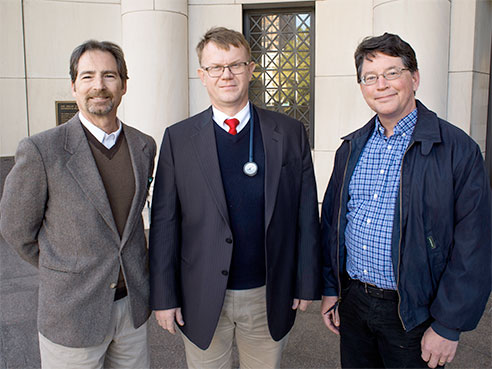 From left: Roy Martin, Jerzy P. Szaflarski and Timothy Gawne.The current approach for epilepsy surgery at UAB involves two surgeries. The first implants electrodes into a patient’s brain for a two-week period to map the location of the seizure onset zone in the brain. The second operation cuts out the onset zone.
 “Our goal is to one day not need invasive monitoring,” said Sandipan Pati, M.D., assistant professor of neurology. “That would mean one surgery instead of two, and the patient would not have to stay in the hospital for two weeks.”
The UAB team in the epileptic brain seizure study — headed by Jerzy P. Szaflarski, M.D., Ph.D., professor of neurology — is developing and validating software for noninvasive brain mapping that will allow caregivers to locate that part of the brain that initiates seizures and locate those parts that function in memory.
“We will provide a road map for the surgeons — where to operate to remove the thumb-sized part of the brain that kicks off seizures, and what parts of the brain to avoid,” Pati said, “so that patients will have no added memory deficits after the operation.”
The investigators will use magnetoencephalography, or MEG, to map electrical activity using the magnetic fields produced by natural electrical currents produced by the brain. The magnetic forces are measured from the outside of the brain as the top of a patient’s head fits into the MEG device, which looks something like a beauty-shop hair drier on steroids. Pati says the UAB team has preliminary data about using the MEG to identify the onset zone by its hyper-excitation, without the need to wait for seizures.
Other UAB investigators in the study are Roy Martin, Ph.D., associate professor of neurology, and Timothy Gawne, Ph.D., associate professor of vision sciences. The lead institution for the study is Louisiana Tech University, and the University of Arkansas is also a partner in the study.
New tool for optogenetics
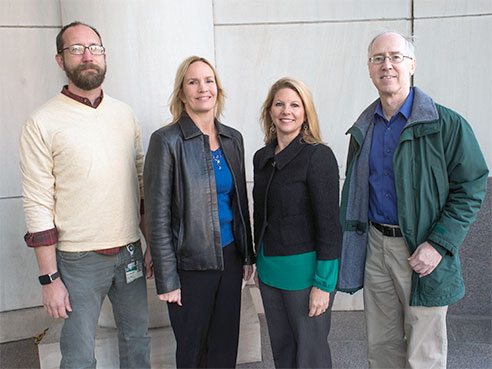 From left: Mark Bolding, Lynn Dobrunz, Lori McMahon and Gary Gray.Optogenetics uses light to control cells in living tissue, after light-sensitive ion channels are introduced into the cells by gene manipulation. Then light is sent into the brain on a fiber-optic cable inserted into the brain, to make neurons fire or to stop neurons from firing. This control helps researchers learn how the brain is wired and how it works.
The optogenetics project will create technology to control the light-sensitive ion channels using low-power X-rays, thus allowing control of neurons from outside the body.
McMahon is the UAB co-principal investigator in this project, which is led by Clemson University. Other partner institutions are the University of New Mexico and the University of South Carolina. The Clemson researchers will develop special nanoparticles that emit light in response to X-rays, the New Mexico researchers will genetically modify the light-sensitive ion channels so that they can bind the nanoparticles, and the UAB researchers will test how those nanoparticles disperse in the brain and how these particles, when activated by X-rays, can turn on and off brain circuits.
“We are about to do the first validation,” McMahon said. “The entire four years of the grant is developing the tool. Then we can use it in animal disease models for Alzheimer’s disease, Parkinson’s disease and anxiety. The goal is to understand brain circuitry using preclinical models of neurologic disease and models of neuropsychiatric illness.”
Other UAB investigators are Lynn Dobrunz, Ph.D., associate professor of neurobiology; Mark Bolding, Ph.D., assistant professor in the Division of Advanced Medical Imaging Research, Department of Radiology, and director of the Civitan International Neuroimaging Facility; Kazutoshi Nakazawa, M.D., Ph.D., associate professor of psychiatry and behavioral neurobiology; and Gary Gray, Ph.D., professor of chemistry.
Neural activity and blood flow
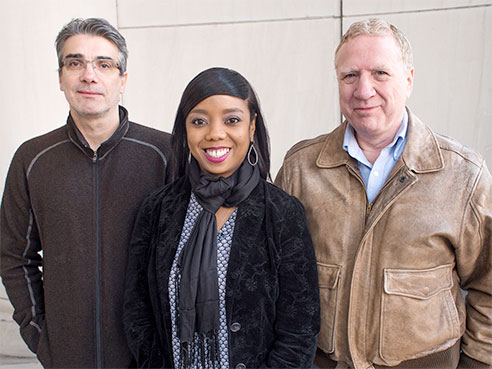 Jacques Wadiche, Farah Lubin and Paul Gamlin.It has long been known that neural activity is associated with increased blood flow, as the neurons need more oxygen and nutrients. In imaging with functional magnetic resonance, or fMRI, increased blood flow can be seen in parts of the brain as the subjects perform a task. But the resolution — both spatially and in time — is not sharp, and fMRI remains an indirect measure of neural activity.
The UAB team will use a very expensive infrared laser and microscope to peer beneath the surface of living brains to look at individual neurons and capillary beds.
“We will image cells in the brain using two-photon imaging,” said Paul Gamlin, Ph.D., professor of ophthalmology and UAB’s co-principal investigator in the neural activity and blood flow effort. “While monitoring neural activity, we will also monitor what the capillary bed is doing.”
“The question is, if we stimulate the cells, how precise is the blood flow change?”
Capillaries are the smallest blood vessels, bringing oxygen and nutrients to cells and taking away carbon dioxide and waste products. Networks of capillaries form tiny beds of vessels, and each capillary has a precapillary sphincter, a ring of muscle that can control blood flow, akin to crimping a garden hose to lessen water flow. It has been estimated that the human brain has 400 miles of capillaries, and that nearly every neuron in the brain has its own capillary.
Gamlin and others on the UAB team — Lawrence Sincich, Ph.D., assistant professor of vision sciences; Farah Lubin, Ph.D., associate professor of neurobiology; Jacques Wadiche, Ph.D., associate professor of neurobiology; and Yuhua Zhang, Ph.D., assistant professor of ophthalmology — can stimulate neurons nonphysiologically and see how the capillaries change. They will also look at physiological stimulation by shining light on one, two or three retinal cells in the eye and watching how neurons and capillaries in the visual cortex of the brain respond.
The lead institution in this project is the Medical University of South Carolina, and Furman University and the University of South Carolina, Beaufort, are partners in the study.
Detecting pollutants in Gulf Coast marine ecosystems
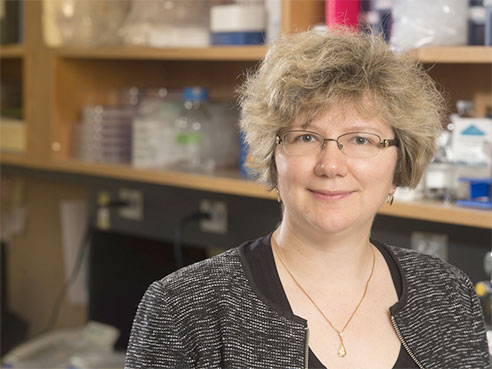 Eugenia KharlampievaThe Gulf Coast aquatic ecosystem hosts important fishing grounds and aquaculture, which co-exist with trading ports, off-shore oil wells and production industries. The fourth UAB EPSCoR is aimed at monitoring the water quality of this ecosystem, under the lead of the University of Southern Mississippi.
Ten researchers at six institutions in Alabama and Mississippi will develop advanced polymer-based, selective sensing technologies to detect and analyze pollutants.
The UAB investigator is Eugenia Kharlampieva, Ph.D., associate professor of polymer chemistry. She will design and synthesize three-dimensional porous hydrogel microparticles. These particles will be filled with sensing molecules created by Marco Bonizzoni, assistant professor of chemistry at the University of Alabama, Tuscaloosa. These hydrogels will eventually become devices that can sense polycyclic aromatic hydrocarbons in sea water.
“Sea water is a challenge because it is very rich in ions from all that salt,” Kharlampieva said. “It is hard to find the right technology that will work in that environment.”
Other researchers in the grant are developing sensitive and selective sensors to measure levels of carbon dioxide, nitrates and phosphates. The goal is new classes of seawater quality sensors that are faster, simpler and less costly. Other partner institutions in the grant are the University of Mississippi, Mississippi State University and Jackson State University.
Molecular Scissors.....
By Erin Burns, Amber Guidry, Nicholas Potochick, and Charles Buchanan • Photos by Steve Wood
Guan-En Graham is determined to find out exactly what happened to her father. When she was a child, he developed brain cancer. Since then, she has worked to understand the intricate genetic mechanisms that trigger brain diseases so that one day, perhaps, she can shut them down for good.
Now Graham might have the tool to do it. In the lab of Jeremy Day, Ph.D., the sophomore neuroscience major from Las Vegas is part of a UAB research team investigating CRISPR, a piece of gene-editing technology that could have the potential to prevent disease before patients start to suffer.
Precise and Programmable
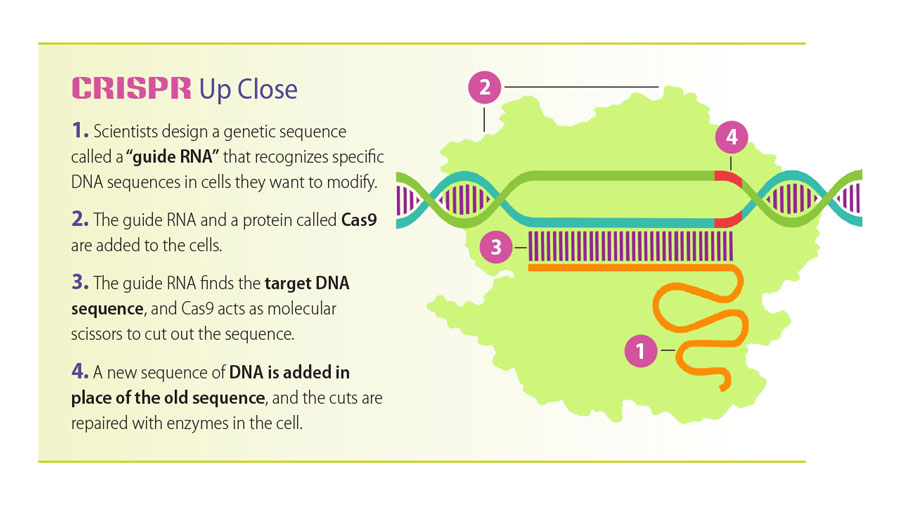
CRISPR, or Clustered Regularly Interspaced Short Palindromic Repeats, is essentially a pair of molecule-sized programmable scissors—scissors that work on the DNA inside living cells. In the few years since scientists have refined the technology, CRISPR has revolutionized gene editing.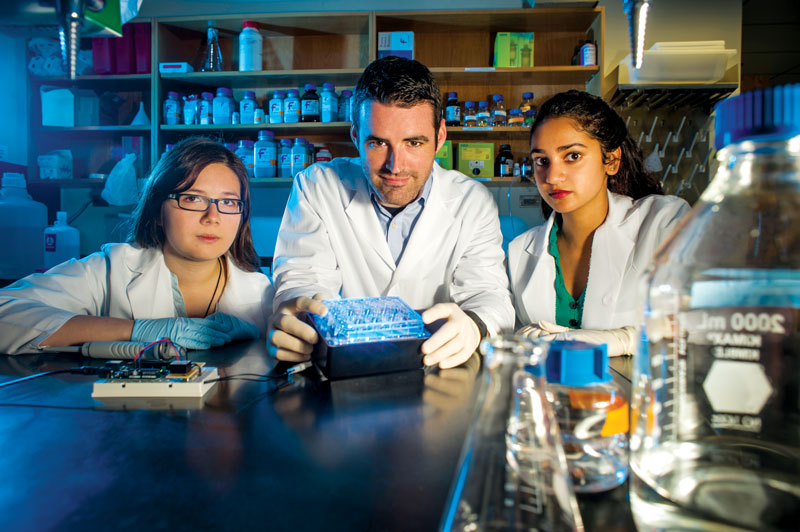 Jeremy Day (center) and undergraduate students Guan-En Graham (left) and Jasmin Revanna (right) use CRISPR technology to illuminate the power and reach of epigenetic modifications in brain diseases.
The concept of adding, deleting, or otherwise altering an existing DNA sequence is nothing new; scientists have done it in laboratories for decades. But earlier gene-editing technologies can produce “off-target” effects, unintentionally tinkering with other pieces of DNA. CRISPR is more precise, efficient, versatile, and affordable than its predecessors, which has changed how scientists address questions and the speed in which they answer them.
Day, a UAB School of Medicine assistant professor of neurobiology, studies epigenetics, a group of molecular modifications that influence gene activity without changing the DNA sequence. CRISPR enables his research group “to explore how epigenetic modifications affect expression of specific genes. The ability to express genes in a selective fashion gives rise to the amazing diversity of cell types that we possess.”
Jasmin Revanna, another neuroscience major working with Day, describes the work as “changing ‘tags’ on DNA that affect its function in the cell.” The goal is to discover the roles those tags, or epigenetic modifications, play in diseases that don’t result from DNA mutations, adds the freshman from Jacksonville, Alabama.
“We are applying this to addiction-related diseases to understand how drugs of abuse engage the epigenome to generate long-term alterations in neuron function and behavior,” Day says. The findings could lay the groundwork for a variety of CRISPR-related epigenetic treatments—perhaps boosting or restoring memories for Alzheimer’s patients or tamping them down for people with post-traumatic stress disorder. “While our current studies are in their infancy, this technology is a huge leap forward,” Day says.
Cut, Paste, Treat
CRISPR originated in certain bacteria, where it functions as protection against invading viruses. Essentially, it’s a “highly efficient and specific” cellular immune system, explains Tim Townes, Ph.D., professor of biochemistry and molecular genetics in the UAB School of Medicine. The molecular mechanism recognizes viral DNA and cuts it up to prevent the virus from replicating inside the bacteria.Where CRISPR cuts DNA, researchers can delete or insert a DNA sequence. Townes’s lab has applied this technology to successfully correct the genetic mutation causing sickle cell disease (SCD), which can cause chronic pain and organ damage. Current SCD treatments are lifelong and can have severe side effects.
“All patients with SCD have the exact same mutation in the exact same location on the exact same gene—meaning we need to correct only one mutation in the bone marrow cells to cure someone of this condition forever,” Townes says. The process involves retrieving bone marrow cells from the patient, treating the genes, and then implanting the cells back into the patient. Because the cells are the patient’s own, there would be no need for a transplant or risk of rejection. “With CRISPR we have an effective rate of correction for the sickle cell mutation between 30 and 50 percent. Just that portion of cells is enough to cure someone of sickle cell,” Townes says.
Currently, each baby born in the United States is tested for the sickle mutation, allowing researchers to know within a month whether the baby will develop the disease. SCD symptoms typically do not appear until children are a year old, “which leaves 11 months to cure them, and they may never have to experience the disease,” Townes says. A similar approach could benefit patients with other diseases. In published research, Townes and his team have shown how they used CRISPR to correct the DNA that triggers severe combined immunodeficiency disease, in which children are born with no immune response.
A Key to Personalized Medicine
Both Townes and Day expect human clinical trials of CRISPR-based therapeutics to begin in the next few years. Genetic disorders arising from single-gene mutations, like SCD, are ideal CRISPR candidates because they require only one small correction to be made, and the correction is always the same. However, most genetic disorders aren’t so simple, involving complex mutations in multiple genes. As CRISPR technology improves, it may be adaptable for a wider range of disorders, and both Townes and Day predict that it will play a key role in the development of personalized medicine, with treatments tailored to each patient’s genetic makeup.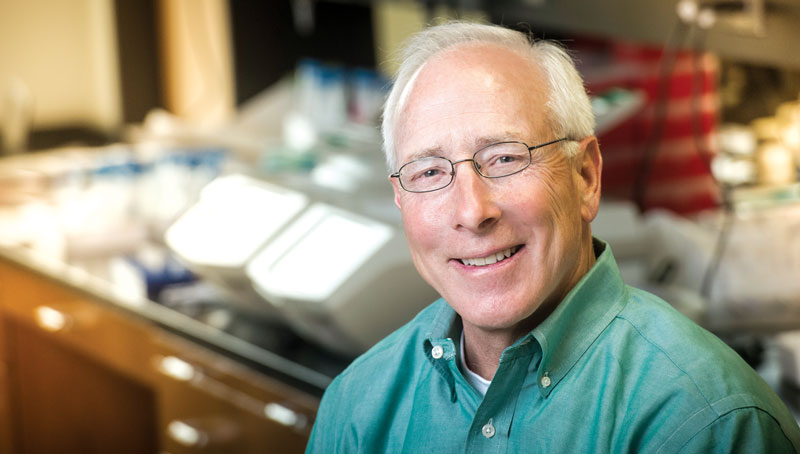 Researchers led by Tim Townes (left) have used CRISPR (illustrated above) to correct the genetic mutation causing sickle cell disease—a discovery that points to a potential cure.
Babies born in Alabama hospitals currently are tested for 35 diseases, “but for about the same price, we could sequence their genome” and pinpoint genes that put them at risk for disease, Townes says. Then, “long before someone develops one of these genetic predispositions, we could correct the gene so that they never experience that disease,” Townes says.
Even when gene editing is difficult or impossible, CRISPR’s ability to introduce desirable epigenetic modifications may become highly useful, Day adds. "This will be possible in several years as we develop our basic understanding of how epigenetic marks regulate single genes."
Safety Monitors
Could CRISPR lead science down a slippery slope, with people wanting to alter their genes—or their children’s genes—for cosmetic reasons, for example? Safety and ethical considerations are key to CRISPR’s progress, Day and Townes say. “We already use many different therapeutics that are capable of altering how our genes are expressed and capable of producing long-term effects,” Day says. “The ethical considerations that arise have more to do with the application of technology than with the technology itself. Ultimately, the benefits of CRISPR will outweigh potential risks, provided there is adequate screening and careful observation.”Townes agrees, noting that “overall the scientific community has done well in regulating these new technologies and not acting irresponsibly.”
The Food and Drug Administration, which must approve any clinical trial of CRISPR in humans, also is developing regulations on safety and the use of gene-editing technology.
• Learn more about the groundbreaking research and educational opportunities in the UAB Department of Neurobiology and Department of Biochemistry and Molecular Genetics.
• Give something and change everything for School of Medicine researchers seeking cures for diseases and the patients who could benefit from them.
Published October 2016
back to top
McKnight Poster Winners 2016
First place winner was Joseph McQuail from the University of Florida, for his presentation of “Stress reactivity predicts impaired working memory in aging: vulnerability of GABAergic synapses.”
Representing the University of Arizona, Rachel Samson was awarded second place with “Expectation of large reward elicits bursts of beta-band oscillations in the aged rat amygdala.”
Third place winner was Natalie Khoury from the University of Miami, for presenting “Elucidating the molecular mechanism behind the long-term cerebral ischemic tolerance mediated by resveratrol preconditioning.”
Join us in congratulating the winners for their outstanding work!