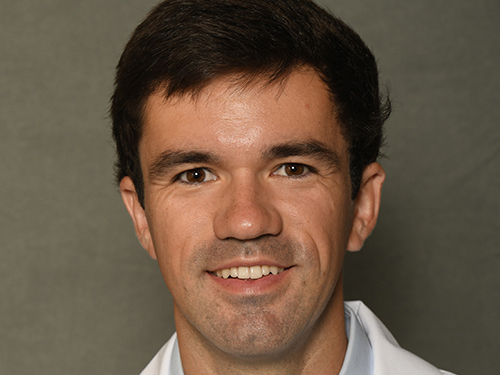
By: Buddy Gardner, PGY-2
Many similarities exist between medicine and music. Both are a cacophonous mixture of art and science, both require individuals to work as a team to achieve a goal greater than any one of them could alone, and both contain an ocean of knowledge with multiple areas in which one can become an expert.
Music has been an important part of human life for thousands of years. People use music to celebrate, express emotions, remember important moments, and connect with others. In recent years, music has also become increasingly recognized for its potential role in healthcare. Although music cannot replace traditional medical treatments, research has shown that it can support physical, emotional, and mental well-being. From reducing stress to helping patients recover, music can be a valuable part of modern healthcare.
The most recognizable use of music in medicine is music therapy utilized in the hospital for patients with anxiety. It is intuitive that listening to calming music can help anxious nerves, but it is less known that music therapy can lead to differences in pain perception and even physical abilities. One small study of patients suffering from cancer in a palliative care unit randomized half of them to receive music therapy and found a statistically significant difference between the music group and the control group regarding pain scores, comfort levels, and functional capacity. Not only did music help with pain and comfort, but it also statistically improved these patients’ abilities to perform their daily activities. Another study showed statistically significant decrease in pain perception while listening to music during a flexible cystoscopy. Urologists conducting this study concluded that they could likely achieve higher patient compliance rates regarding flexible cystoscopies for surveillance simply by playing music throughout the procedure.
The benefits do not stop at listening to music. Learning to play music and the act of playing music can both be therapeutic as well. Gabby Giffords, a former congresswoman, was shot in the head in 2011 and had immense difficulty learning to move and speak again despite intensive speech and physical therapy. After months of struggling, she decided to relearn the French horn, which she had not played since she was a teenager. Playing music ultimately expedited her recovery and she regained her ability to speak and walk.
Playing music is therapeutic not just emotionally, but cognitively and physically, benefitting patients who have suffered TBI, stroke, dementia, cancer, and various disabilities. Music therapy in the outpatient setting can involve playing different instruments, singing, composing music, improvising based on how the patient is feeling, and discussing the meaning of lyrics. All serve to stimulate both the mind and various muscles, creating and strengthening neural circuits and leading to expedited recovery.
One final area in medicine in which music can make a life-changing impact is in the well-being of providers. In the midst of a stressful and emotionally charged job, it can sometimes be difficult to calm down after a demanding day or an upsetting experience. Listening to or playing music can help healthcare workers process and express emotions that may be difficult to put into words. Additionally, it is a healthy way of exercising and stimulating the brain outside of the world of medicine.
Music has an important complementary role in medicine. It can help reduce anxiety, manage pain, support rehabilitation, encourage emotional expression, and improve quality of life. While music should not be considered a cure for illness, its ability to influence emotions, behavior, and physical responses makes it a useful addition to healthcare. As researchers continue to study its effects, music may become an even more important part of patient-centered medicine.