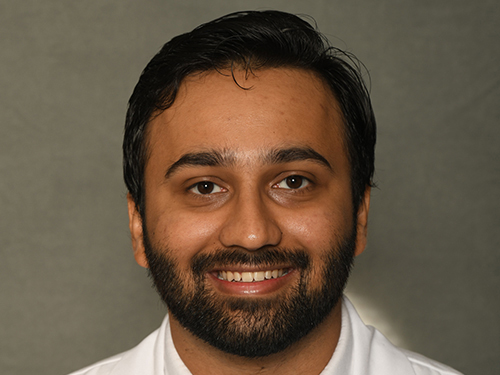
By: Vinay Mehta, PGY-2
“With great power comes great responsibility.”
Most comic book, movie, or general pop culture fans recognize this quote, popularized by everyone’s favorite web-slinging superhero, Spider-Man.
In the Spider-Man mythos, a young teenager named Peter Parker, raised by his Aunt May and Uncle Ben, is bitten by a radioactive spider and gains tremendous power such as super-strength, super-agility, and the ability to climb walls. Seeking fame and fortune, Peter decides to become a professional wrestler rather than use his powers for the good of his fellow man. During this stint, he allows a burglar to escape as he believes it to not be his problem. The burglar ends up killing Uncle Ben, teaching Peter the importance of using his power for good. From then on, he decides to fight crime and become the hero his city needs.
Growing up as a massive comic book nerd, Spider-Man was always one of my favorite heroes. I loved his quippy nature, his cool costume, his amazing powers, and his devotion to help people. As I grew older and learned more about the character, I realized that Peter never catches a break. He is always struggling financially, he can never fix his relationship with Mary Jane, and overall, his life is constantly in a state of disarray. Despite the setbacks, he continues to fight evil—because with great power comes great responsibility. His dedication to help people despite constant adversity is what truly defines him as a hero in my eyes.
I believe that superheroes and comic books are more than just escapist fantasy. They show us what we can achieve as individuals and as a collective. Within the field of medicine, we can learn a great deal from Spider-Man’s message. As physicians, we are in positions of tremendous power. Our patients have faith in us to help them in a time of great need, and with this power comes the responsibility to continually expand our knowledge through constant study, research, and practice of clinical skills. In Spider-Man 2, Dr. Otto Octavius famously says, “Intelligence is not a privilege, it’s a gift, and you use it for the good of mankind.” The pursuit of knowledge becomes meaningful when it can alleviate suffering, improve quality of life, or help someone navigate their most difficult moments.
While clinical expertise is part of being a physician, it does not capture all the responsibility of the profession. Patients place an extraordinary degree of trust in their physicians, often at their most vulnerable moments, and that trust demands more than technical competence. It requires compassion, humility, and a commitment to placing the needs of others above oneself. In this sense, being a physician is not simply about acquiring the knowledge to treat disease, but it is about accepting the responsibility that comes with being entrusted with another person’s health and well-being.
Ultimately, being a physician is a privilege and an obligation—an obligation of continued learning, genuine compassion, and service to others. To me, the measure of a physician is not simply what they know or what they can do, but how they use those abilities in service of others. Whenever we face challenges or burnout in our career, I believe keeping these lessons from Spider-Man can recenter and reframe our minds and help us continue on the path to become the best physicians we can.