It has been exactly 200 years since the birth of Charles Dickens, the Victorian novelist who wrote a bookshelf of classics, including Great Expectations, Oliver Twist,and A Christmas Carol. For the past 100 years, Dickens has been terrifying schoolchildren across the United States—at least as much for the sheer girth of his books as for the hair-raising adventures of Pip and his other hardscrabble characters.
Few Americans graduate from high school without some exposure to Dickens. Count Danny Siegel, Ph.D., UAB associate professor of English, among them, however. “I never read Dickens in high school,” he says. After he graduated, however, Siegel picked up a copy of Great Expectations, and he hasn’t been able to put Dickens down since.
“What sets Dickens apart for me is his love for idiosyncrasy, for oddness,” Siegel says. “A lot of writers try to create some kind of universal story with characters and incidents everyone can relate to. With Dickens, it’s often the opposite; he loves quirks, gestures, voices—the things that make people different from one another.
Neverending Stories: What Dickens Tells Us at 200
Announcements
CAS News
March 28, 2012
More News
-
 Seventeen CAS faculty members receive promotionsThe College of Arts and Sciences is proud to announce that 17 faculty members across 12 departments have been awarded promotions (including four faculty members who also were awarded tenure).
 -
 CAS launches new Religious Studies minor to help students understand religion’s role in the worldFrom art and politics to history and culture, religion touches nearly every aspect of human life. A new minor in Religious Studies within the College of Arts and Sciences will give students a scholarly way to explore those connections and better understand the role religion plays in the world around them.
 -
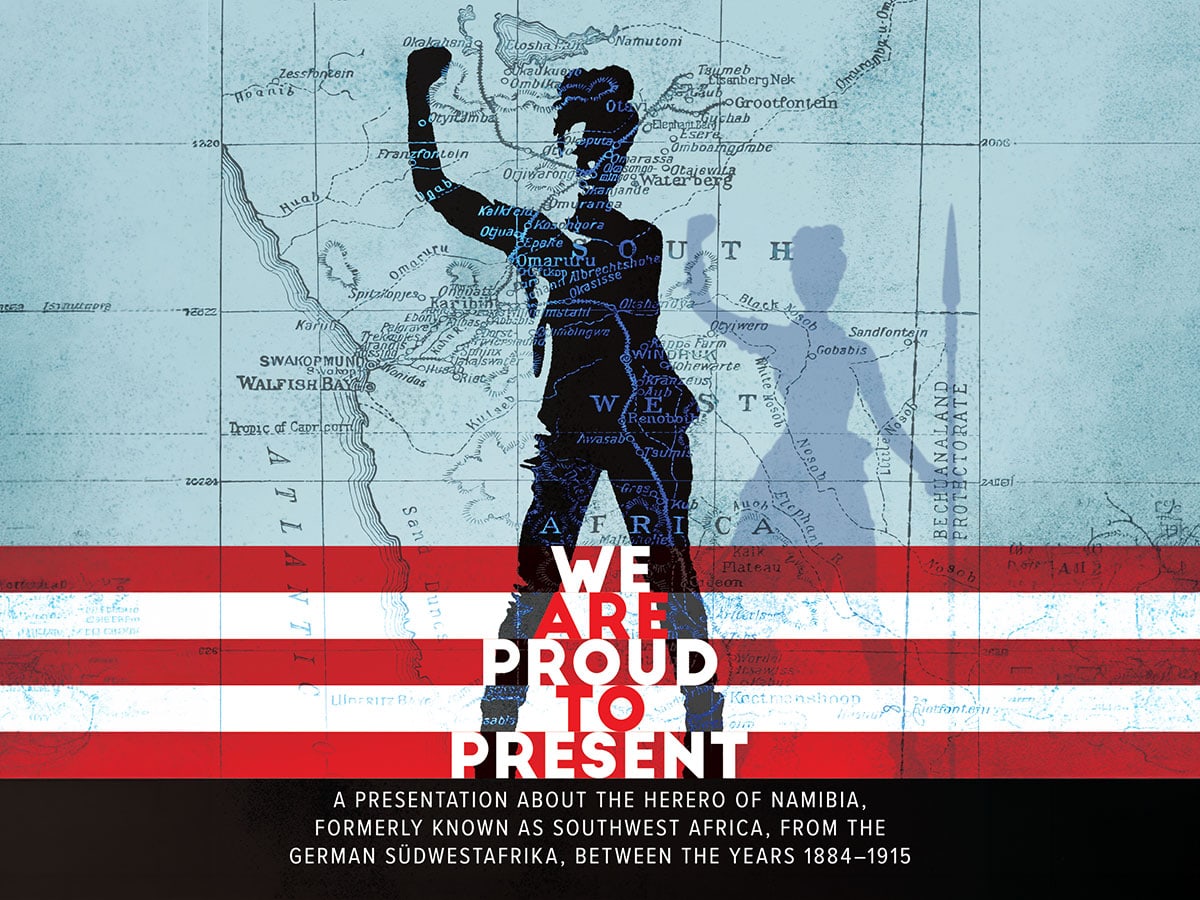 Oct. 14-18, UAB Theatre kicks off season of power plays with “We Are Proud to Present”This meta-theatrical drama by Jackie Sibblies Drury tells the story of six actors wrestling with the history of colonial genocide in Namibia and its impact on human relations in the present day.